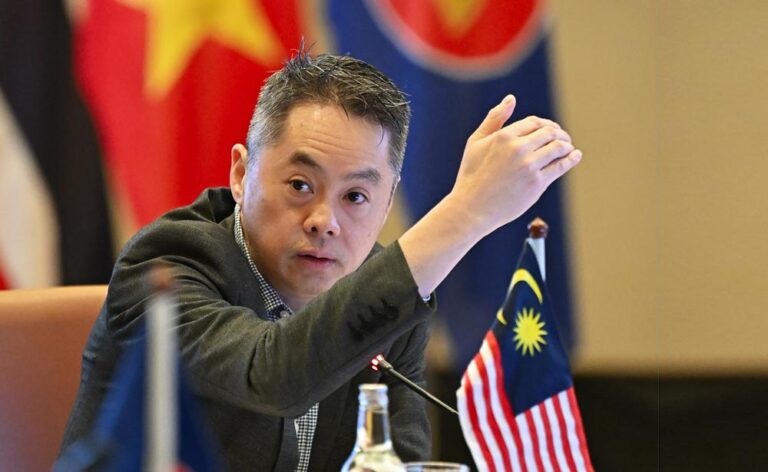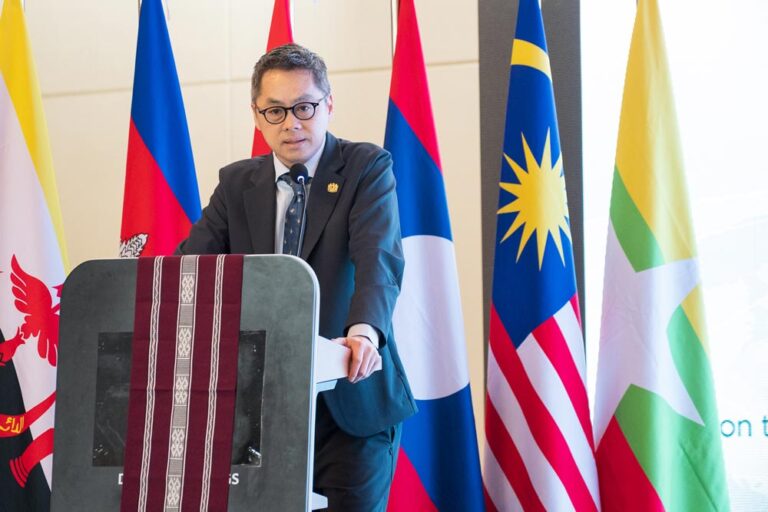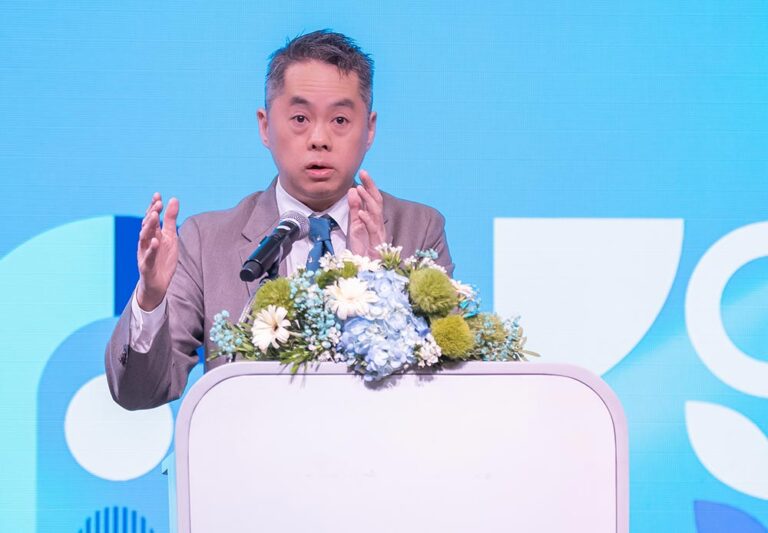
Statement by H.E. Edmund Bon Tai Soon, Representative of Malaysia to AICHR, on the 17th anniversary of the establishment of AICHR

Edmund Bon, the Representative of Malaysia to AICHR, underscored that communications to AICHR are important for preventing human rights and humanitarian crises and for maintaining peace in the region. They serve as an effective early warning mechanism, allowing ASEAN to consider trends and patterns in human rights situations across the region.
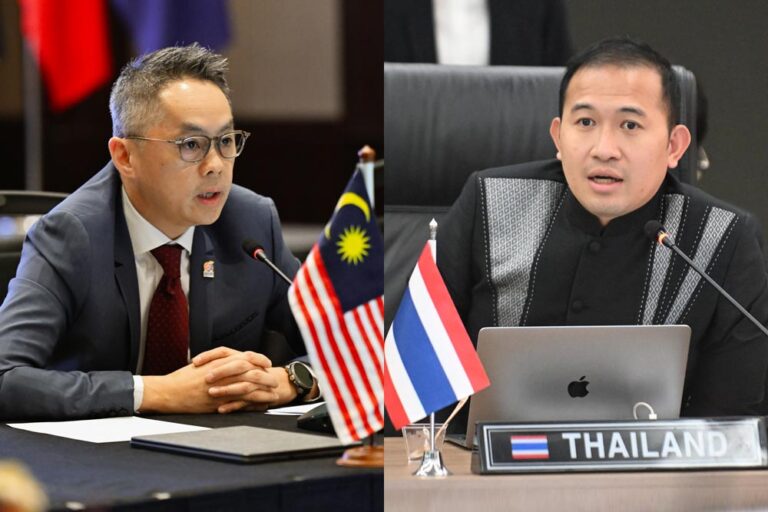
Joint statement by H.E. Edmund Bon Tai Soon and H.E. Dr. Bhanubhatra Jittiang, Representatives of Malaysia and Thailand to AICHR, on the 2026 World Day Against the Death Penalty

Two AICHR Representatives call for the death penalty to be abolished, and an official moratorium on executions. They encourage ASEAN Member States to review their laws and practices, including reducing offences that carry the death penalty, removing mandatory death sentences, expanding judicial discretion in sentencing, and providing for resentencing or commutation.

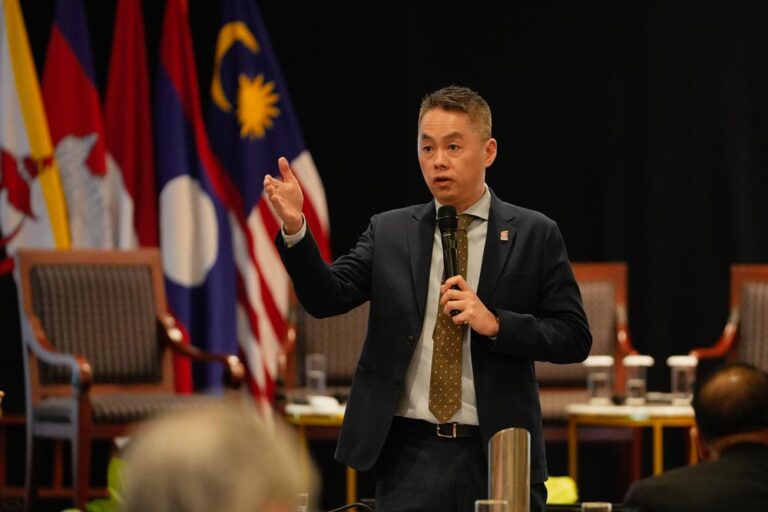
Speaking notes for welcome remarks by Edmund Bon, Representative of Malaysia to AICHR, at the AICHR 7th ASEAN Workshop on the Intersection Between Conflict and Human Rights: Pathways and Approaches to Peace in ASEAN

Edmund Bon said the proposed ASEAN Peace Pathways Framework compiles good practices from across ASEAN and consolidates existing mechanisms. It does not impose new standards or create new mechanisms, but aims to improve coordination, coherence, and operationalisation.

Clarification on MACC police report and document tendered in ongoing trial of Tan Sri Muhyiddin bin Md. Yassin

Datuk Amer Hamzah Arshad, counsel for Tan Sri Muhyiddin Yassin, clarified that the witness statement was obtained through proper and lawful channels; it was not stolen, leaked, unlawfully procured or obtained through any clandestine means. Accordingly, MACC’s police report is false in the sense that it sought to suggest that the document was improperly or unlawfully obtained.

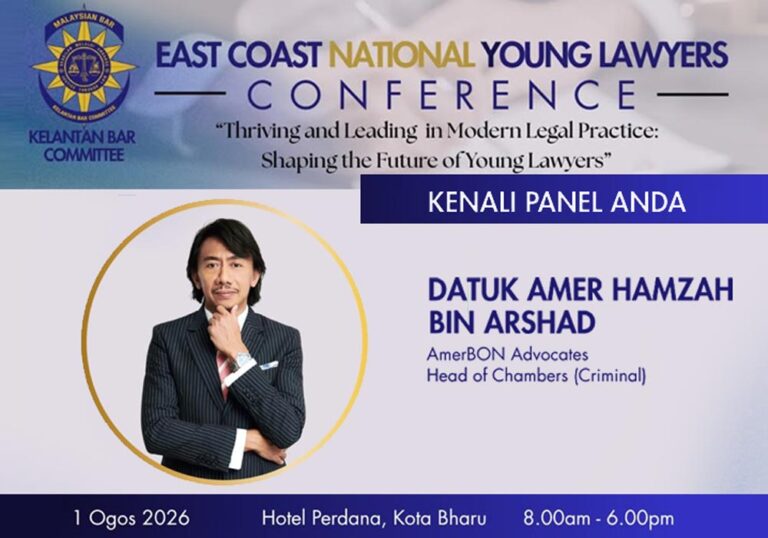
Conducting high-profile cases: strategies, challenges, and public perception

At the East Coast National Young Lawyers Conference, Datuk Amer Hamzah Arshad drew on his wide-ranging litigation experience to offer practical insights into conducting high-profile cases, focusing on trial strategy, cross-examination, witness management, courtroom challenges, and responsible engagement with the media and public opinion.

Speaking notes for welcome remarks delivered by the Representative of Malaysia to AICHR, Edmund Bon, at the ASEAN Workshop on Strengthening the Implementation of Business and Human Rights to Address Forced Labour and Modern Slavery and Enhance Migrant Worker Protection Through Human Rights Due Diligence

Edmund Bon said that due diligence is discussed more than it is practised effectively, and the practice of “colourwashing” remains prominent. He said governments must legislate and compel businesses to take real action to address underlying human rights harms.

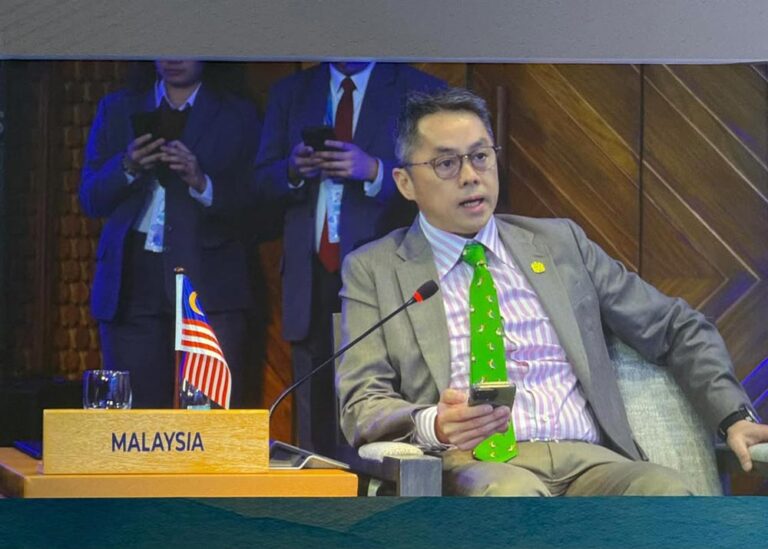
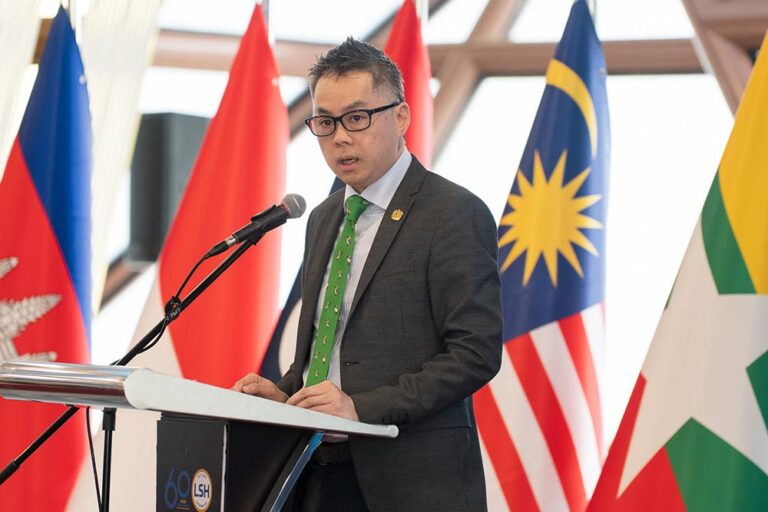
Statement by Edmund Bon, Representative of Malaysia to AICHR, at the 43rd Meeting of AICHR

Edmund Bon emphasised that diplomacy alone is not enough — AICHR must strengthen its role as a technical human rights body by developing knowledge, generating information, identifying common standards, and contributing to the growth of human rights jurisprudence. Political statements must be supported by principled analysis, evidence-based approaches, and practical guidance.