
Today marks 75 years since the 1951 Refugee Convention, anchored on a simple premise: no one should be denied safety after fleeing war, violence, or persecution. That premise remains tested across our region, where Southeast Asia hosts large and growing refugee populations. For many, displacement spans generations. Children are born stateless, families live without a stable future, and reports of family separation and indefinite detention — including of children — remain deeply concerning.
We* call on ASEAN Member States to move towards alternatives to detention, recognising that community-based and non-custodial measures better protect refugee welfare and dignity than indefinite detention, while still allowing states to manage movement responsibly. Legal clarity and access to work, education, and healthcare give displacement a manageable structure rather than leaving it to chance.
To be clear, none of this asks host countries to grant citizenship, nor are refugees seeking it. Refuge is not a claim to permanent membership in a host society; it is a claim to safety until return is possible, or until a durable solution is found elsewhere. Recognising this distinction should ease, not heighten, public anxiety about hosting refugee communities.
We are equally concerned by the rise in hate speech and disinformation targeting refugee communities across the region. Countering this requires more than restraint — it requires active public education. States, media, civil society and educators all have a role in helping the public understand who refugees are, why they have fled, and what hosting them does and does not require. Empathy and sympathy, grounded in accurate understanding rather than fear, are what sustainable, peaceful coexistence is built on. Media and social media platforms bear particular responsibility to report accurately and avoid amplifying division, while existing laws against incitement and discrimination must be enforced consistently and visibly.
This burden cannot rest on host states alone. Countries of origin, including Myanmar, bear primary responsibility to end the persecution driving displacement and enable safe, voluntary, and dignified return.
At the same time, developed states must bear a far greater share of this responsibility. For too long, the heaviest burden of hosting, sheltering, and providing for refugees has fallen on neighbouring and frontline states with the fewest resources to do so, while wealthier nations offer statements of solidarity that rarely translate into action. Meaningful resettlement places, sustained and predictable funding for host communities, and genuine diplomatic engagement to resolve root causes are owed, not optional. Rhetoric alone does not shelter a family, educate a child, or treat the sick. Developed states must match their commitments in international cooperation with real, measurable action, rather than leaving the world’s most vulnerable to be cared for only by the least resourced.
Underlying all of this is the principle of non-refoulement, which is binding on all states under customary international law, regardless of treaty status.
Seventy-five years on, the 1951 Refugee Convention’s founding premise still holds: everyone deserves dignity, and no one should live in fear.
Dated this 20th day of June 2026
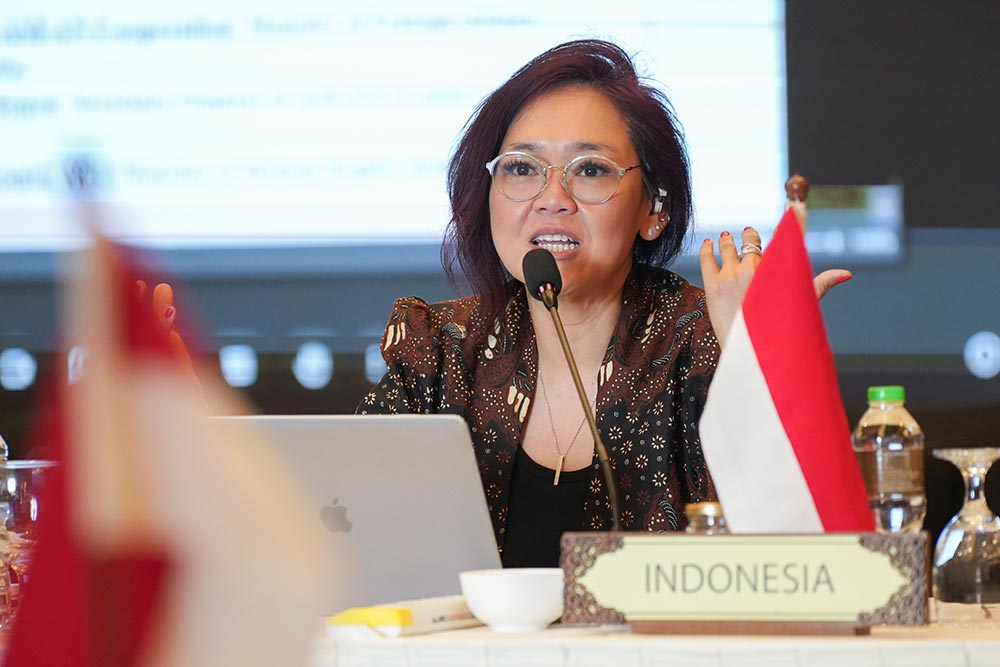
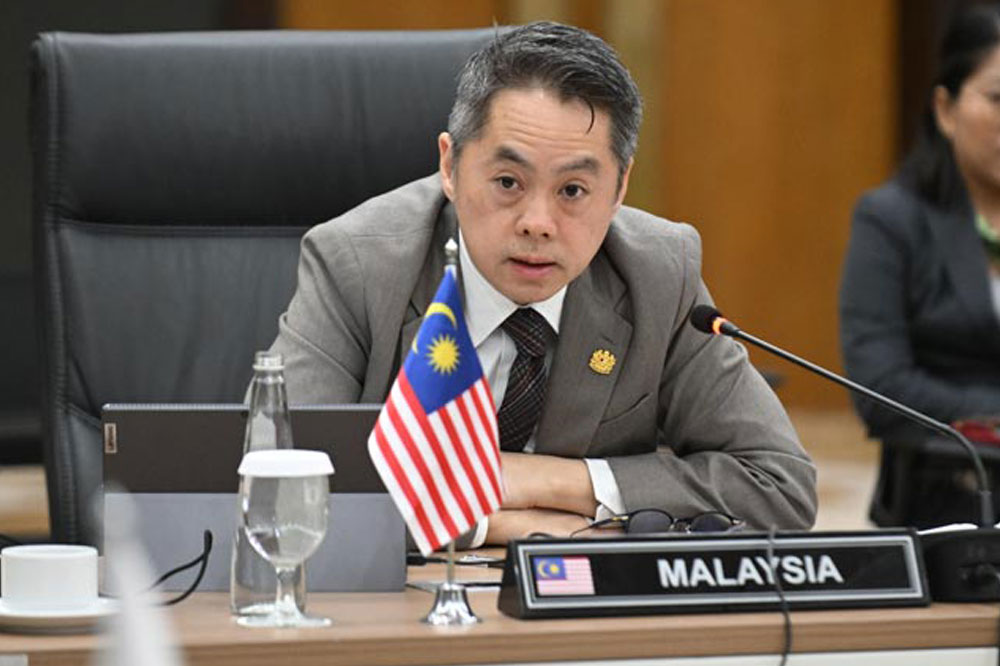
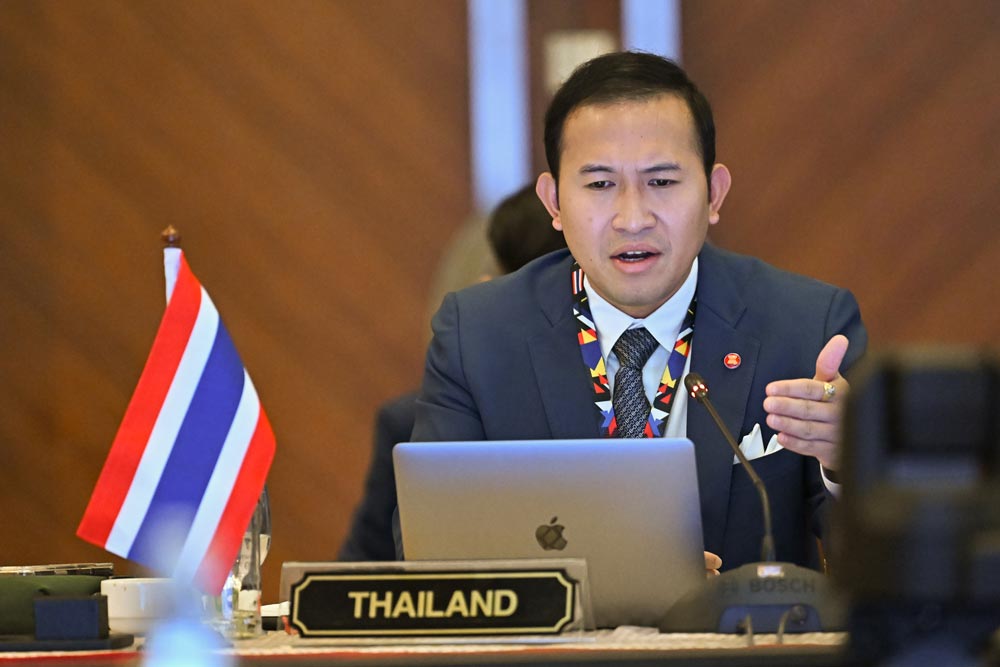
* H.E. Anita Ashvini Wahid is the Representative of Indonesia to AICHR, H.E. Edmund Bon Tai Soon is the Representative of Malaysia to AICHR, and H.E. Dr. Bhanubhatra Jittiang is the Representative of Thailand to AICHR.