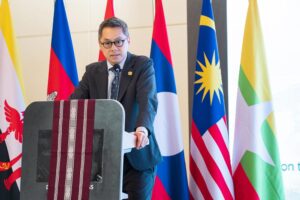

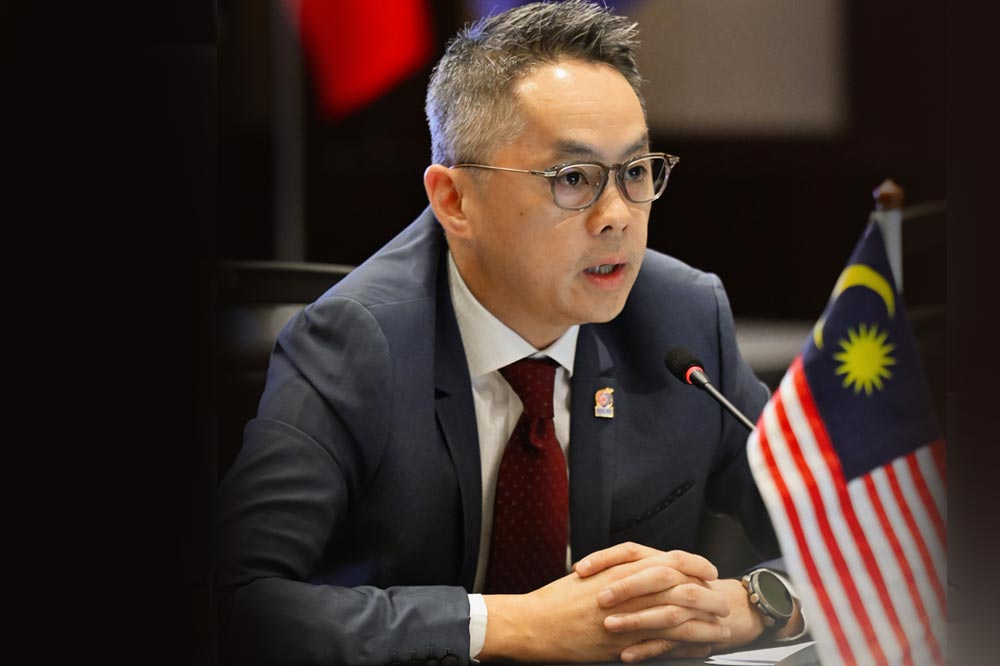
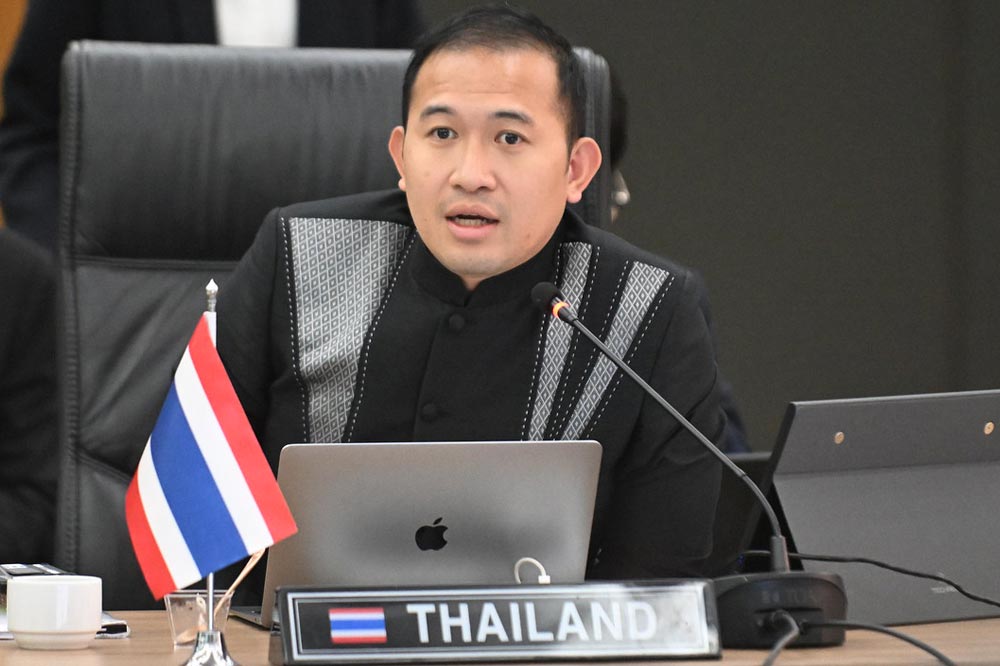
On the occasion of the 24th World Day Against the Death Penalty, 10 October 2026, we* join the international community in reaffirming our commitment to the protection and promotion of human rights in ASEAN, including the inherent right to life, human dignity and equality before the law, as set out in the ASEAN Charter and the ASEAN Human Rights Declaration.
We first acknowledge the harm suffered by survivors and victims of serious crimes and their families, and the responsibility of ASEAN Member States to ensure public safety, accountability, and justice. These responsibilities are best met through criminal justice systems that uphold the rule of law and respect human rights, and that give due weight to prevention, rehabilitation and reintegration. These goals are set under international human rights law and standards.
Second, we recognise that ASEAN Member States are at different stages in their approach to the death penalty. This is consonant with the contested debates globally over the use of the death penalty as a lawful sanction. We further note that several ASEAN Member States have reviewed their laws and practices, including by reducing the number of offences that carry the death penalty, removing mandatory death sentences, expanding judicial discretion in sentencing, and providing for resentencing or commutation. We encourage the continued review of laws and practices in this regard.
For our part, we oppose the death penalty and call for its abolition and, pending abolition, for an official moratorium on executions.
Given the irreversible nature of the death penalty, we emphasise that, wherever it is applied, human rights safeguards must be fully observed, consistent with international standards, including the United Nations Safeguards Guaranteeing Protection of the Rights of Those Facing the Death Penalty adopted by the Economic and Social Council resolution 1984/50 of 25 May 1984, the United Nations Rules for the Treatment of Women Prisoners and Non-custodial Measures for Women Offenders (the Bangkok Rules) adopted by the General Assembly on 21 December 2010, and the United Nations Standard Minimum Rules for the Treatment of Prisoners (the Nelson Mandela Rules) adopted by the General Assembly on 17 December 2015. These safeguards include restricting its application to the “most serious crimes”; guaranteeing fair trial and due process, including access to legal counsel from the earliest stages of detention and to interpretation; ensuring consular access for foreign nationals; ensuring the right to seek pardon or commutation; and ensuring humane conditions of detention for those facing the death penalty, with due regard to the gender-specific needs of women.
We further emphasise that the death penalty should never be imposed on persons who were below 18 years of age at the time of the offence, pregnant women, or persons with mental or intellectual disabilities. Persons under sentence of death should be treated with humanity and respect for their inherent dignity, including through guaranteeing regular contact with their families and legal counsel, and providing timely notification to them of any scheduled execution.
We will continue to promote dialogue, the exchange of good practices and cooperation among ASEAN Member States and with relevant partners, including through thematic studies, training and consultations, and engagement with national human rights institutions, civil society and academia, in support of a human rights-based approach to criminal justice and moving away from the death penalty.
Dated this 10th day of October 2026
* H.E. Edmund Bon Tai Soon is the Representative of Malaysia to AICHR, and H.E. Dr. Bhanubhatra Jittiang is the Representative of Thailand to AICHR.
The press statement by H.E. Edmund Bon Tai Soon, then-Chair of AICHR, marking the 2025 World Day Against the Death Penalty, is accessible here.