
An opportunity to strengthen human rights- and health-based approaches in drug policies in ASEAN
Drug abuse, illicit trafficking, and related transnational crimes continue to present complex and evolving challenges to public health, safety, social development, and the well-being of the peoples of ASEAN. Drug markets have shifted across routes, substances and methods, including through organised criminal networks that exploit vulnerable persons and communities. These realities require strong regional cooperation, and effective law enforcement.
At the same time, human rights are not a constraint on effective drug policy; they are essential to its legitimacy, sustainability and effectiveness. Highly punitive approaches, when implemented without adequate safeguards, may deepen stigma and discrimination, deter people from accessing essential health and social services, affect access to employment, education and social security, and further marginalise communities already in vulnerable situations. Compulsory or involuntary treatment and rehabilitation, detention without due process, and disproportionate criminal justice responses may also undermine the very objectives of health, safety and social reintegration.
The 2012 ASEAN Human Rights Declaration provides an important regional framework for a human rights-based approach on matters of importance to the peoples of ASEAN. Article 28 recognises the right to an adequate standard of living, including medical care, necessary social services, safe drinking water and sanitation, and a safe, clean and sustainable environment. Article 29 recognises the right of every person to the enjoyment of the highest attainable standard of physical, mental and reproductive health, to basic and affordable healthcare services, and to access to medical facilities. It also calls upon ASEAN Member States to create a positive environment to overcome stigma, silence, denial and discrimination in prevention, treatment, care, and support, including in relation to HIV/AIDS. Article 30 recognises the right to social security to secure the means for a dignified and decent existence. These commitments are especially relevant to people who use drugs, children, women, people deprived of liberty, Indigenous Peoples, migrants, persons living with HIV, and other persons in vulnerable or marginalised situations.
ASEAN’s drug-control instruments also provide foundations for a more balanced and people-centred approach. Since the 1976 ASEAN Declaration of Principles to Combat the Abuse of Narcotic Drugs, ASEAN has recognised the need to protect health and welfare, strengthen cooperation, promote research and education, and support treatment and rehabilitation. The ASEAN Work Plan on Securing Communities Against Illicit Drugs 2016–2025 further reflects a multi-dimensional approach covering preventive education, law enforcement, treatment and rehabilitation, research, and transnational cooperation. It also recognises the importance of evidence-based prevention, equitable access to justice, transparent enforcement of drug laws, wider access to treatment, community-based aftercare, social reintegration, sustainable livelihoods, and addressing socio-economic root causes.
In this spirit, we* encourage continued open, constructive, and cross-sectoral dialogue among ASEAN bodies as well as national human rights institutions, civil society organisations, health professionals, academics, community-based organisations, and people and communities directly affected by drug policies.
We recommend the effective integration of human rights mainstreaming into regional drug policy cooperation, including by:
1) adopting non-discriminatory, evidence-informed and health-based approaches that put people at the centre and protect human dignity;
2) strengthening access to voluntary, affordable, gender-responsive, age-appropriate and community-based health, treatment, rehabilitation, harm reduction, aftercare, and social reintegration services;
3) ensuring that prevention efforts are grounded in education, public health, youth resilience, family and community support, and the meaningful participation of affected communities;
4) promoting proportionate, rights-compliant and transparent law enforcement responses, with full respect for due process, fair trial rights, protection from arbitrary detention, and safeguards against torture and other cruel, inhuman or degrading treatment or punishment;
5) considering alternatives to incarceration and non-custodial, community-based measures, particularly for children, non-violent offences, and persons whose contact with the criminal justice system is linked to drug dependence or socio-economic vulnerability; and
6) addressing the root causes and structural drivers of vulnerability to drug use, trafficking and exploitation.
On the occasion of the 2026 United Nations International Day Against Drug Abuse and Illicit Trafficking, or World Drug Day, human rights must not be forgotten in the context of drug policies. ASEAN stakeholders need to work constructively together to support effective, humane and sustainable responses to drug-related challenges. Together, ASEAN can chart a course where drug policy protects communities, advances public health, safeguards human dignity, strengthens the rule of law, and contributes to realising ASEAN 2045: Our Shared Future.
Dated this 26th day of June 2026
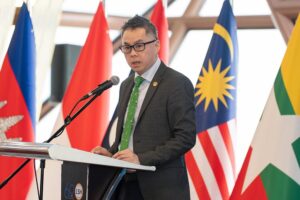
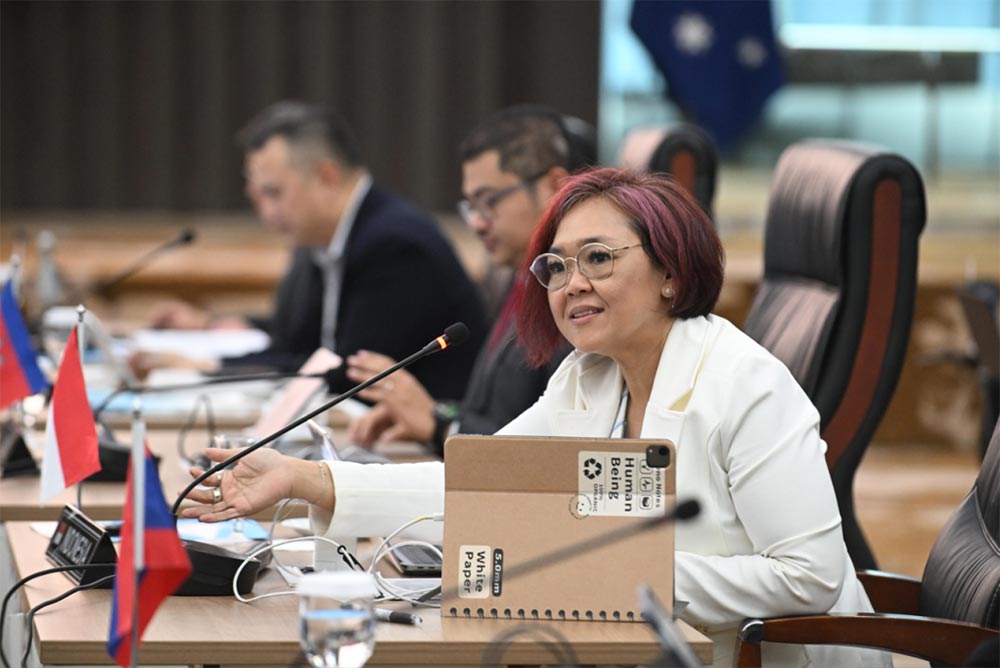
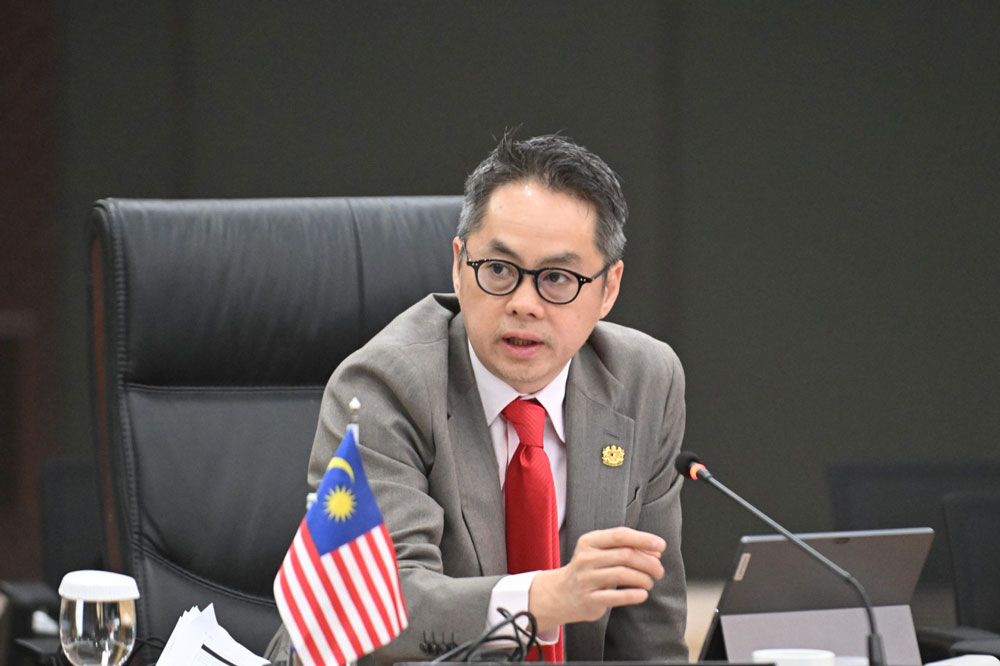
* H.E. Anita Ashvini Wahid is the Representative of Indonesia to AICHR, and H.E. Edmund Bon Tai Soon is the Representative of Malaysia to AICHR.