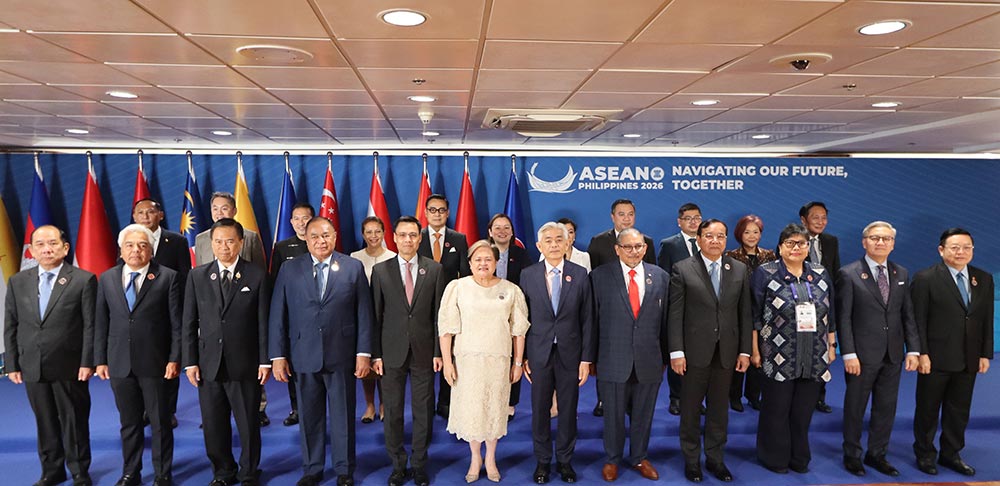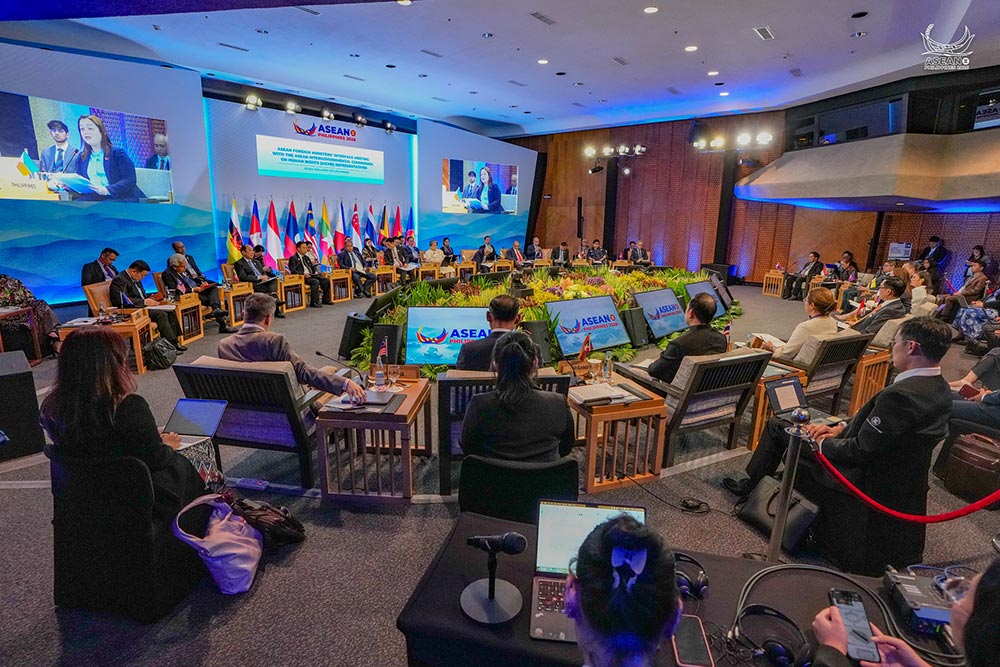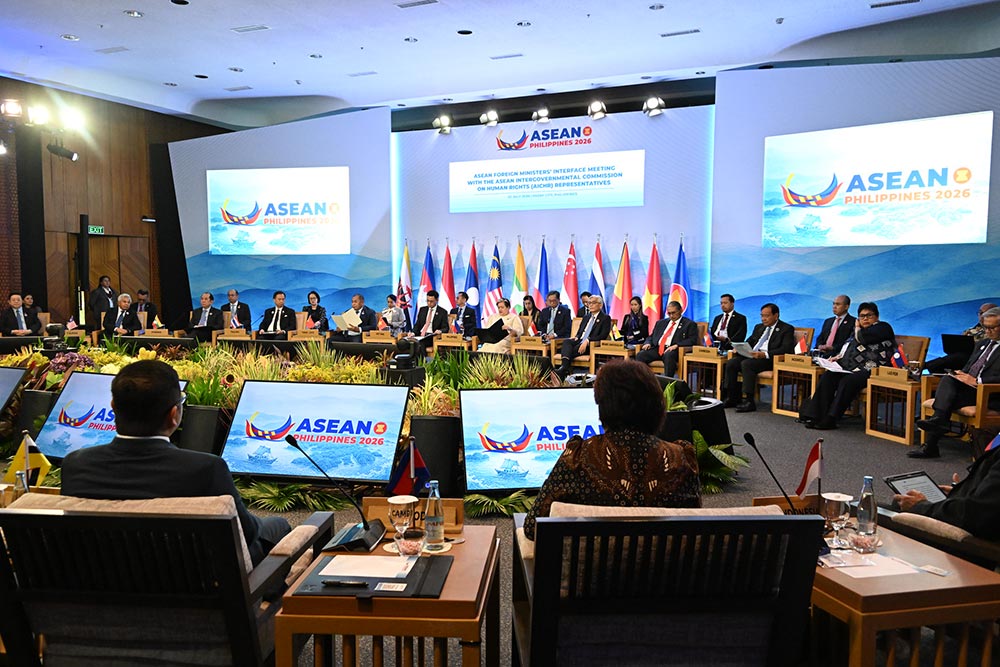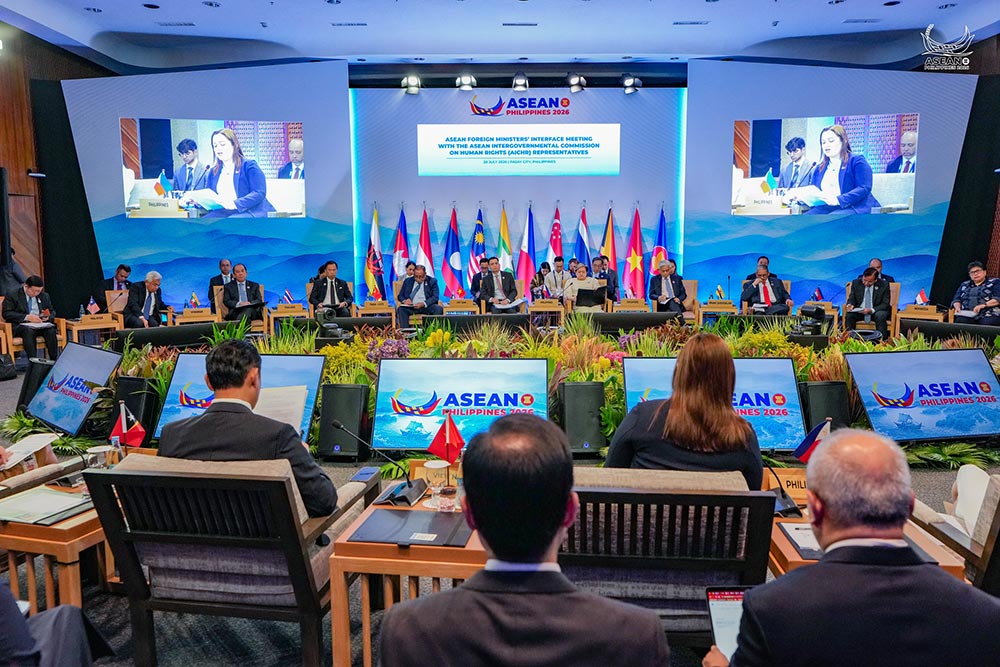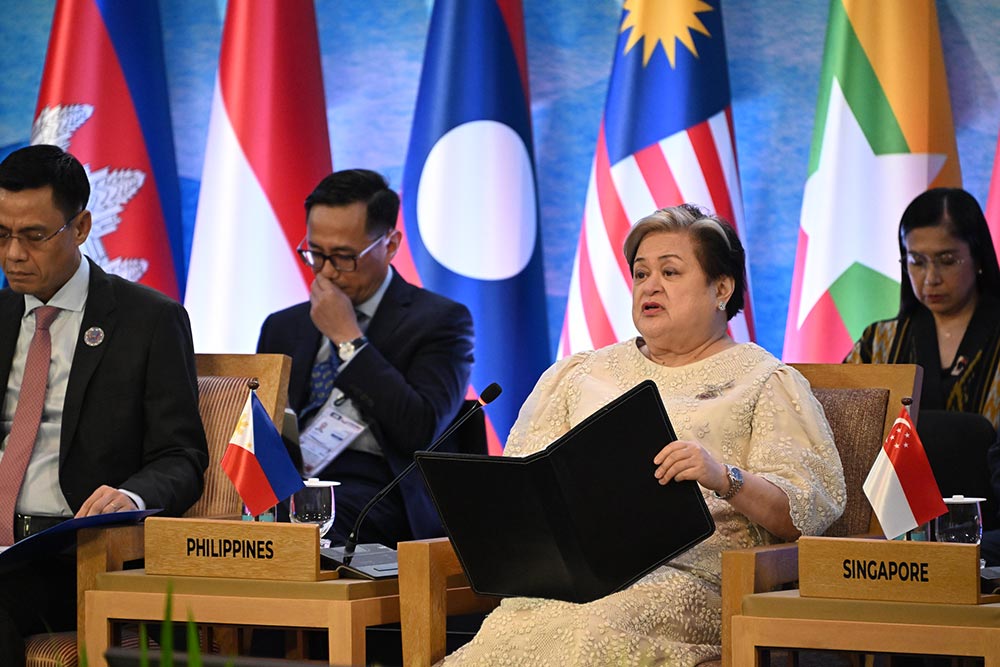

Her Excellency Ma. Theresa P. Lazaro, Secretary of Foreign Affairs of the Republic of the Philippines and Chair of the 59th ASEAN Foreign Ministers’ Meeting (AMM),
Excellencies, Foreign Ministers, and Senior Officials’ Meeting (SOM) Leaders of ASEAN Member States,
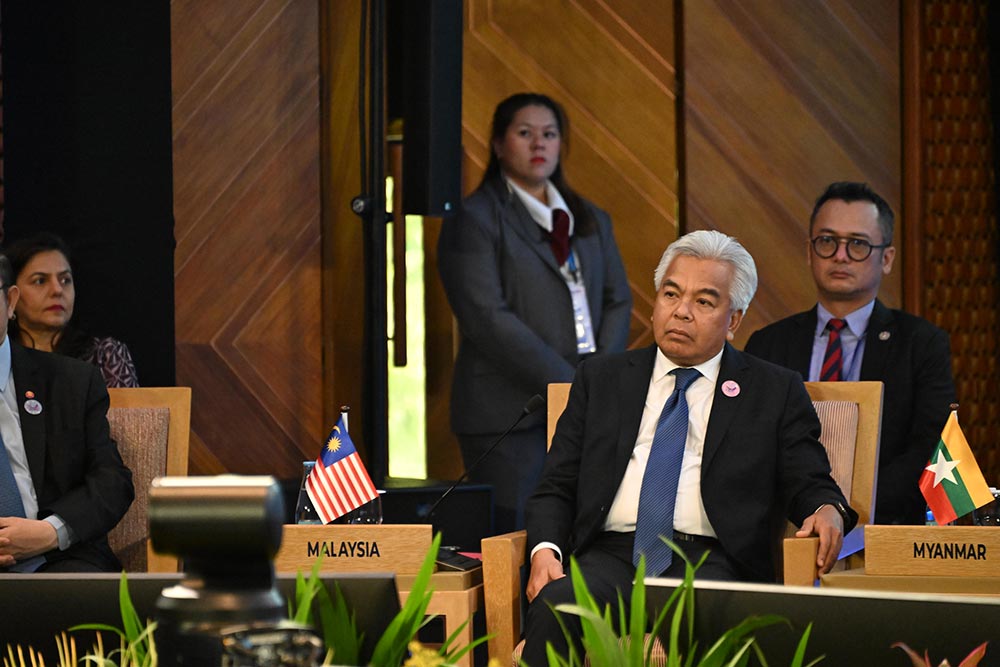
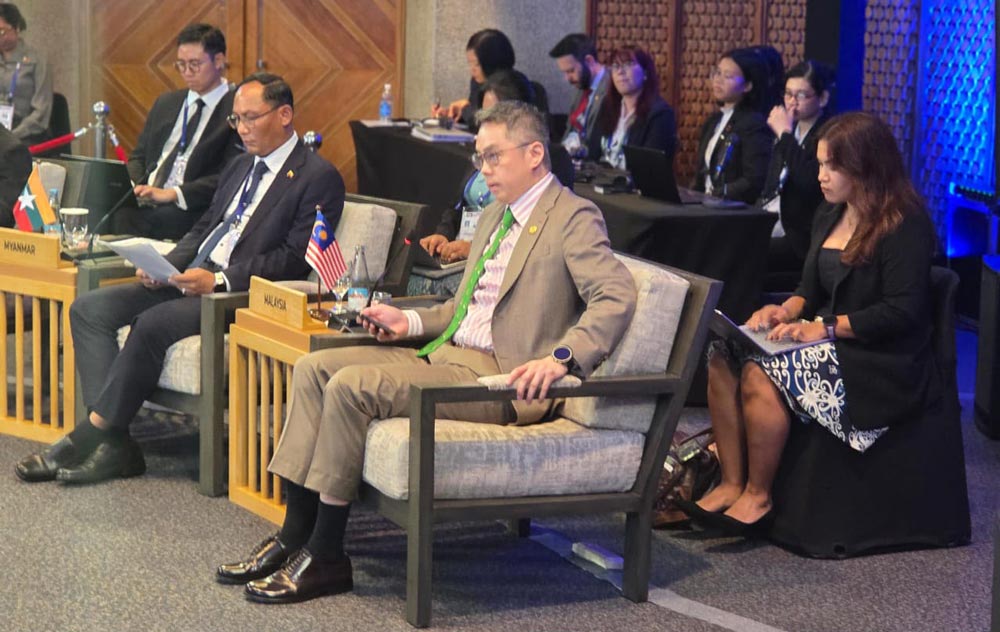
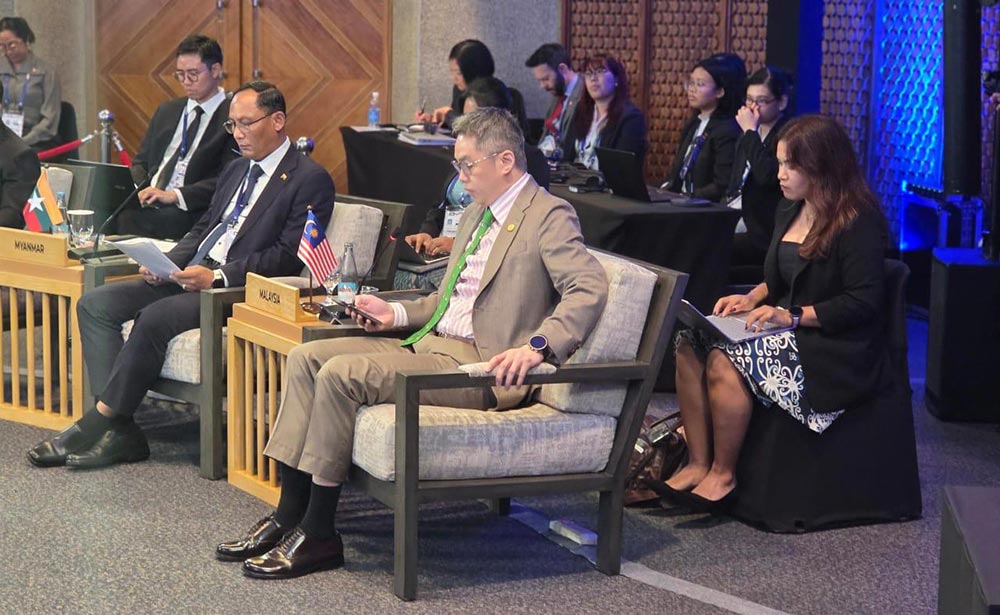
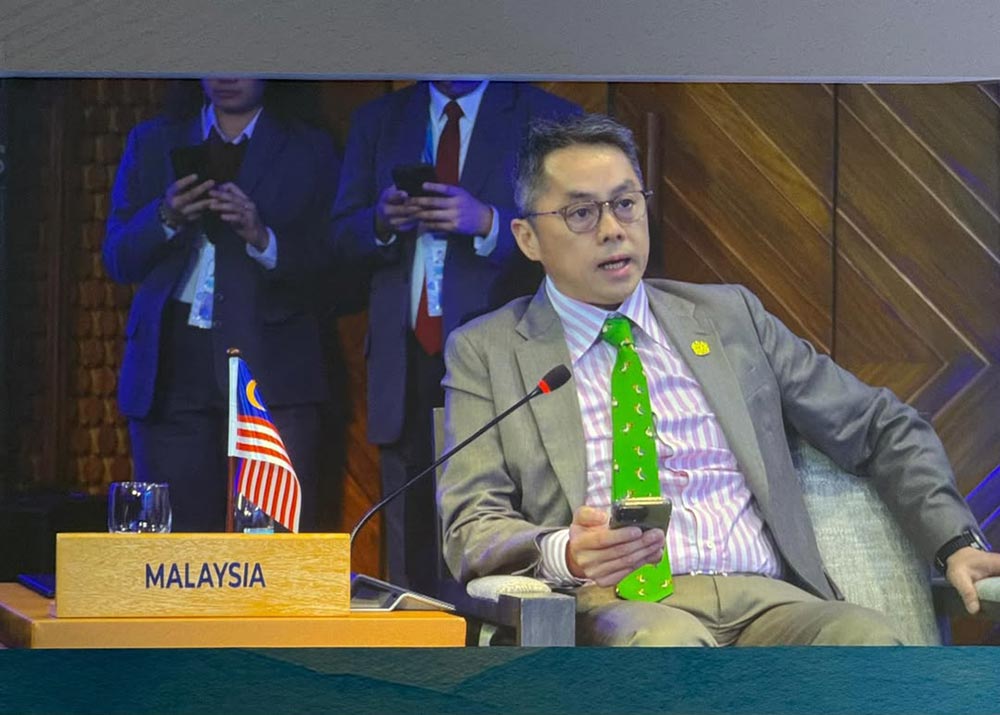
Thank you for the floor. It is a privilege to be here today. As Malaysia’s Representative to AICHR participating for the sixth time in this important interface, I offer my thoughts as we look ahead.
AICHR has achieved much progress. We have arrived at common approaches and positions on human rights matters of interest, including on the environment, peace, and development. Now, AICHR is on a different, higher trajectory than years before, but challenges remain. To further strengthen AICHR to be more decisive, responsive, relevant, and future-ready in accordance with ASEAN 2045: Our Shared Future, it is time for our mandates to be broadened.
AICHR has received more than 100 communications since 2022. Through the communications mechanism, formally adopted only last year, AICHR Representatives have been responding as best as we possibly can. This mechanism matters to ASEAN because these cases that come to us serve as a form of early warning, helping ASEAN stay accountable to contemporary and emerging human rights concerns. The cases cover a wide range of very difficult issues, such as torture, the death penalty, refugee rights, transnational repression, transboundary human rights challenges, border conflict, and migrant workers.
After more than 16 years, the Commission’s Terms of Reference (TOR) need to be updated and refreshed — to remain credible, to remain effective, and to keep pace with an ever-evolving global landscape. I reiterate the position of my SOM Leader in calling for the TOR review to be expedited. AICHR has enhanced its capacity, reinforced its modalities, and strengthened its institutional framework. But without an expanded mandate, the Commission remains hamstrung in its work.
Allow me to be candid within this short time, Excellencies.
ASEAN has so many positives to share. As part of the Global South, we should be more assertive about our human rights priorities and experiences and not be shy about them. At times, ASEAN is perceived as allergic to deliberating on critical issues and taking a joint ASEAN approach to human rights at the global level and in our foreign policies. AICHR can play an enhanced role to assist ASEAN’s bolder projection of human rights on the international stage.
Unfortunately too, the tremendous burden shouldered by my country due to forced migration is taking its toll. Malaysia hosts over 215,000 refugees and asylum-seekers registered with the United Nations High Commissioner for Refugees (UNHCR), of whom 90 per cent originate from Myanmar. Although we are not a party to the 1951 Refugee Convention, we uphold the non-refoulement principle. The protracted conflict, persecution, and inequalities in Myanmar remain key drivers of displacement. Forced migration and the rights to development and peace are inextricably linked, functioning as both cause and consequence of each in a mutually reinforcing cycle. When people are forcibly displaced, it infringes on their right to development and the right to peace.
Therefore, ASEAN needs to deal with the root causes. We cannot support any move towards normalisation or reintegration into ASEAN until we see full, meaningful, and effective compliance with the Five-Point Consensus (5PC). This means an independent, credible mechanism to assess and verify its implementation — including through ASEAN mechanisms such as AICHR — involving all relevant stakeholders, including ethnic governance actors on the ground, to verify what is, and is not, being implemented. Humanitarian access must be complete, not partial or politicised. It should be for all communities in need, across the entirety of Myanmar’s territory — regardless of which authority controls the ground, and regardless of political affiliation. The bombing of civilians and civilian infrastructure must stop immediately and permanently. This is a baseline obligation under international law and it is not negotiable. All political prisoners must be released, without further delay or condition.
The Myanmar crisis is a crisis of rights violated. Human rights sit at the core of the challenge, and ASEAN cannot accept symbolic and token gestures. Only when human rights are restored, and international law is fully observed, can the 5PC be meaningfully fulfilled.
I respectfully invite AMM to consider empowering AICHR to further examine relevant human rights matters of interest towards enhancing the Commission’s role as the overarching human rights body of ASEAN.
Thank you, Excellencies.
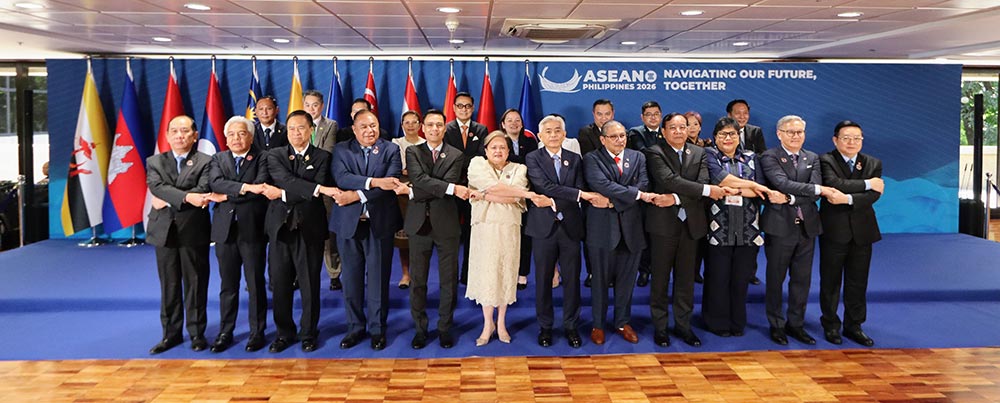
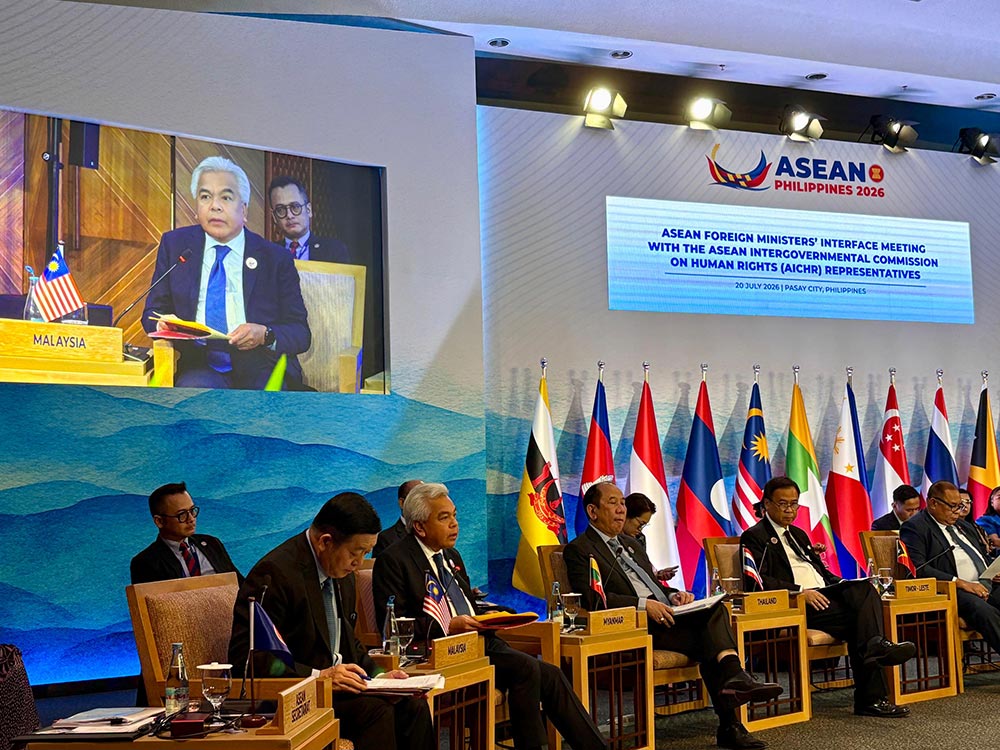
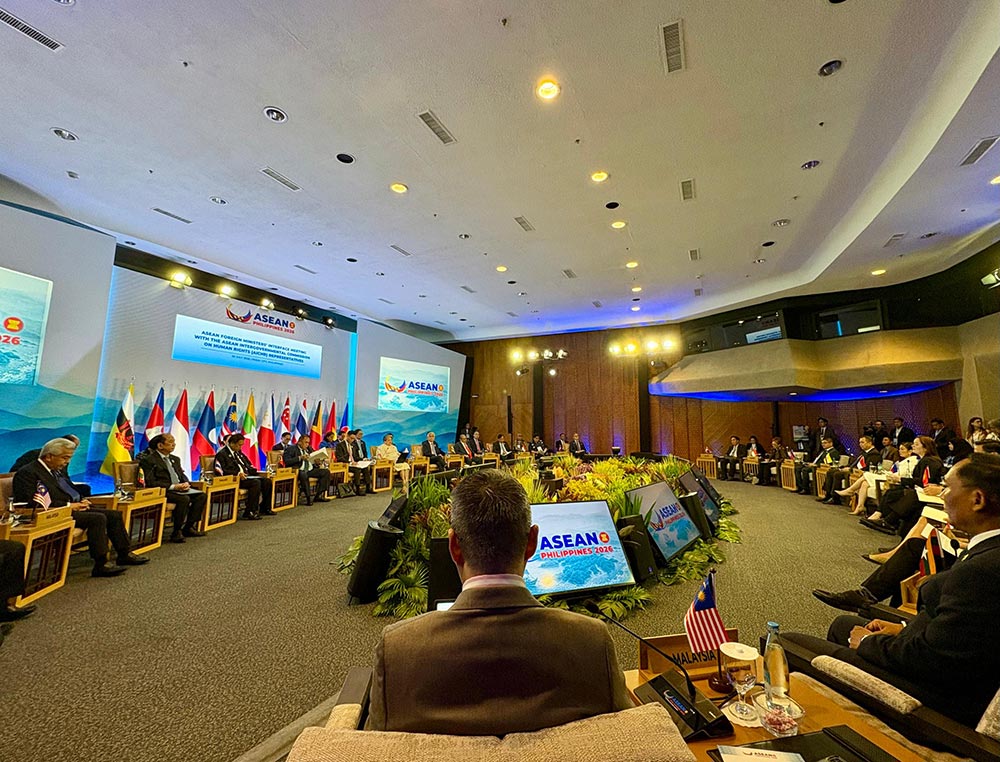
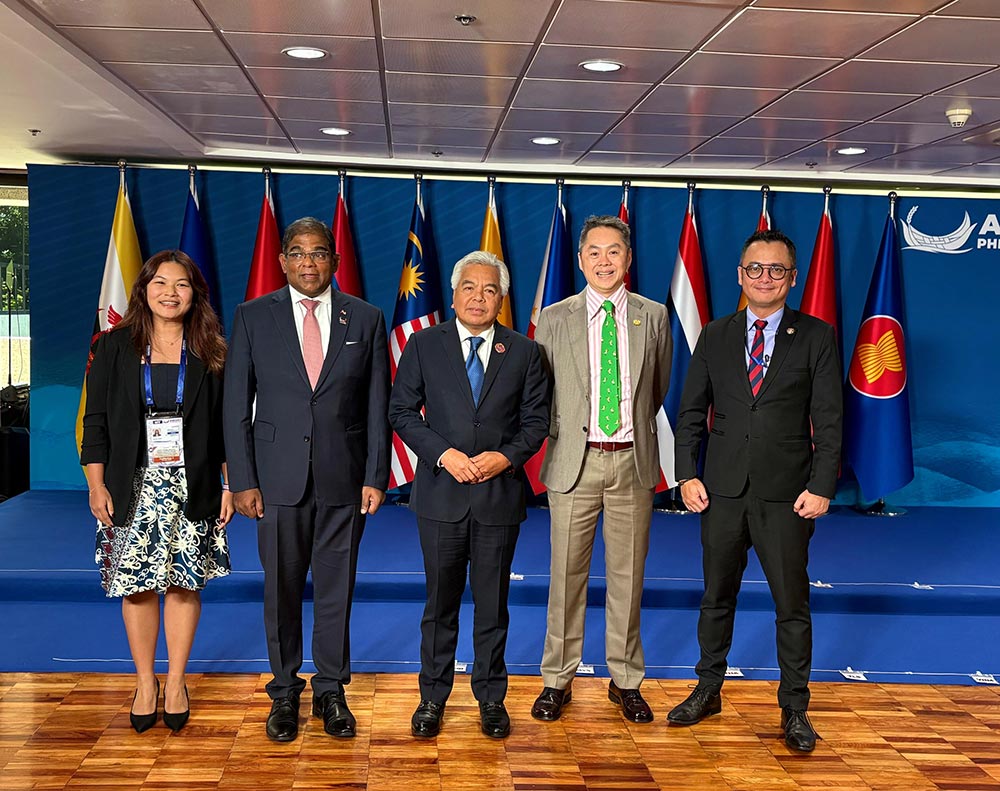
This statement was delivered at the 16th AMM-AICHR Interface Meeting on 20 July 2026 during the 59th ASEAN Foreign Ministers’ Meeting (AMM) and Related Meetings in Manila, Philippines. The intervention delivered by the Secretary General of the Ministry of Foreign Affairs of Malaysia, Tan Sri Amran Mohamed Zin, is available here. More information about the 16th AMM-AICHR Interface Meeting is available here.