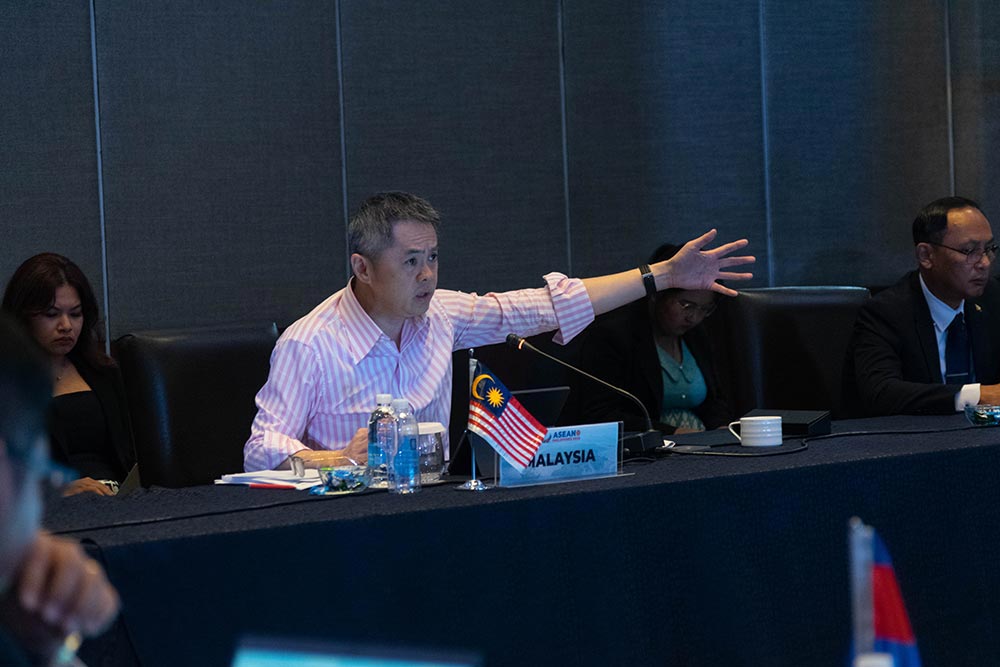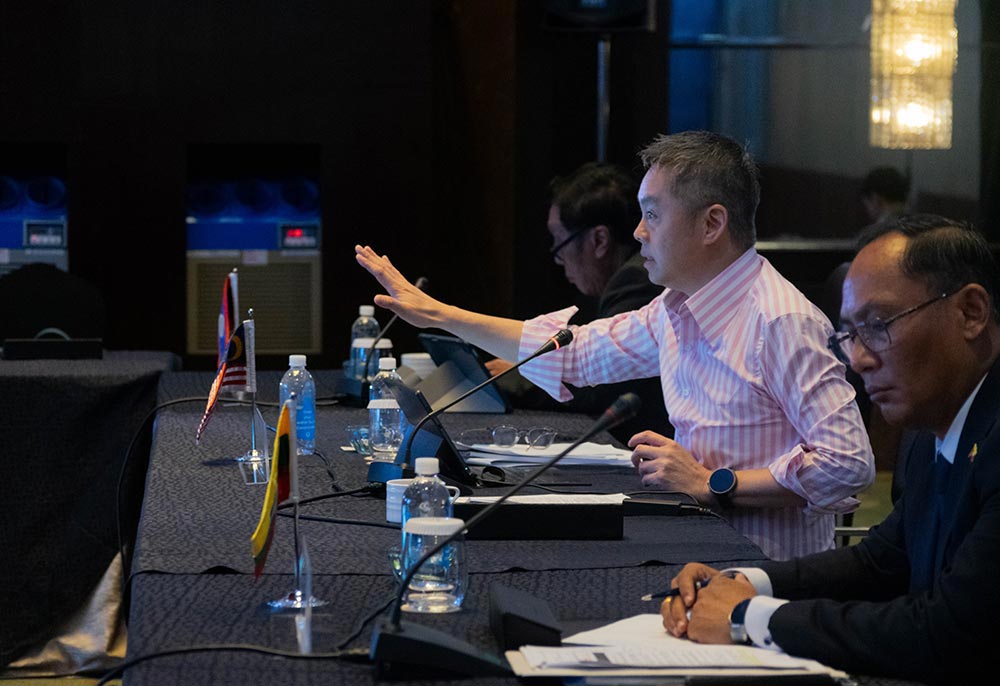

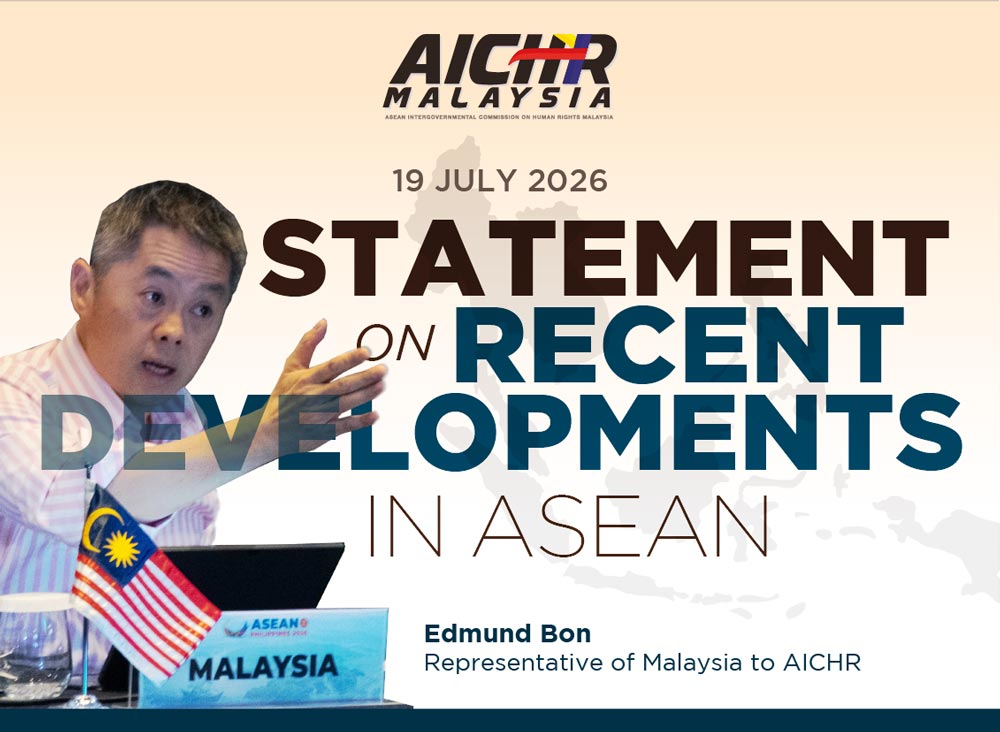
Excellencies,
Malaysia’s intervention on this agenda item is as follows.
First: children’s rights
On 8 and 9 June 2026, the Office of the Children’s Commissioner, Human Rights Commission of Malaysia (SUHAKAM) convened a symposium on children’s rights legislative reform, bringing together policymakers, parliamentarians and civil society to assess Malaysia’s implementation of the United Nations Convention on the Rights of the Child (CRC) and to identify gaps requiring reform. The symposium surfaced implementation barriers that are to be taken seriously, including weak inter-agency coordination, a shortage of trained frontline child protection personnel, uneven data collection and monitoring, and challenges in translating policy into timely intervention for children at risk.
The programme provided an opportunity to reaffirm the need for a whole-of-society approach in strengthening Malaysia’s child protection ecosystem, to give real effect to the safeguards already contained in the country’s Child Act 2001. In this regard, AICHR’s work led by the Philippines on children’s rights through the regional CRC dialogues is important for our domestic stakeholders.
Second: Federal Court decision on Indigenous Peoples’ rights
On 16 June 2026, the Federal Court of Malaysia, the highest court in the country, delivered an important decision on the rights of Indigenous Peoples. In Rosli a/l Jendut & 6 others v Agrobest (M) Sdn Bhd & 2 others, the Court restored the High Court decision in favour of the Orang Asli after their ancestral burial grounds were bulldozed to make way for a commercial aquaculture project. The Federal Court held that the community’s standing to sue in trespass rests on their collective and communal interest in customary land and is conditional on them showing a relationship or nexus, such as descent, to the specific deceased persons whose grave was affected, but rejected the Court of Appeal’s stricter requirement that Orang Asli prove themselves the deceased’s formal personal legal representative under succession law. The Court also confirmed that oral tradition and oral history are admissible evidence of such customary and familial connection, subject to the relevant provisions of the Evidence Act 1950. Native customary title, once established, survives relocation. Any private party taking title through the state takes it subject to these unextinguished rights unless the state has given adequate compensation to the Orang Asli.
The decision is significant for two reasons.
First, the Federal Court held that the Aboriginal Peoples Act 1954 is “fundamentally a human rights statute” that should be interpreted broadly and affirmed earlier authorities describing the law as carrying “quasi-constitutional status” giving it pre-eminence over ordinary legislation. It further held that the right to life under Article 5(1) of the Federal Constitution extends to the cultural and spiritual dignity of Indigenous Peoples, including their connection to ancestral burial sites.
Second, the Court drew directly from the United Nations Declaration on the Rights of Indigenous Peoples (UNDRIP), including its provisions on cultural and spiritual property, access to sacred sites and repatriation of human remains, treating UNDRIP as an interpretive guide for domestic law even as soft law, and as a legitimate basis on which to test the common law and constitutional guarantees owed to Malaysia’s Indigenous Peoples against a private developer as much as against the state. This domestic reaffirmation of Indigenous Peoples’ rights demonstrates how courts can give substantive effect to UNDRIP without waiting for it to be transposed into binding domestic legislation.
Third: progress towards abolition of the death penalty in the region
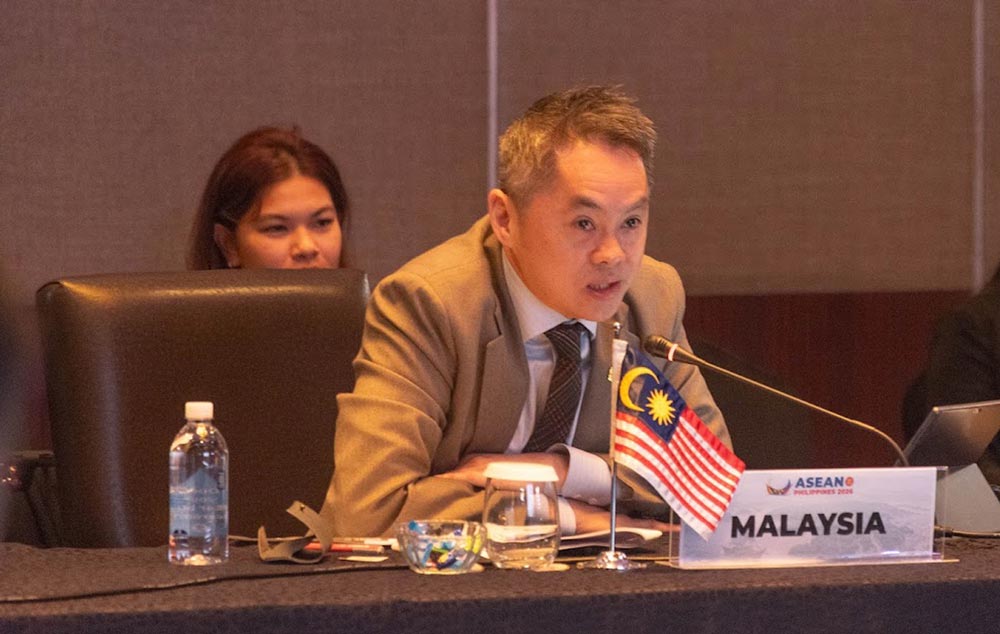
I had the opportunity to attend the 9th World Congress Against the Death Penalty in Paris, France, between 30 June and 2 July 2026. I spoke as the Malaysian representative to AICHR at a session on developments in Asia. I noted that much progress has already been made in ASEAN.
First, I wish to congratulate Indonesia which is set to be a de facto abolitionist country on 29 July 2026. The date marks ten years since its last executions were carried out. The new criminal code has also allowed for greater scope for commutations of death sentences after ten years, potentially opening the possibility for a significant reduction in the number of people on death row.
Cambodia, the Philippines and Timor-Leste have been long-standing abolitionist countries, having repealed the death penalty fully in 1989, 2006 and 1999, respectively.
While all other ASEAN Member States (AMS) retain the death penalty in legislation, there is a significant variety to be remarked on in their implementation. Brunei Darussalam and Lao PDR have long been considered abolitionist in practice, where death sentences are sparingly imposed and an established practice of not carrying out executions is being seen.
In Malaysia and Thailand, progress in recent years has been noticeable. Malaysia is poised to reach the ten-year mark without executions on 24 May 2027. Recent reforms have not only led to a reduction in the scope of the death penalty and the full repeal of the mandatory death penalty but have also seen a drastic drop in the number of people under sentence of death, from over 1,200 in 2023 to approximately 100 at the end of last year. Importantly, no death sentences for drug trafficking have been upheld by the Federal Court to date. Thailand is also progressing towards achieving the abolitionist de facto status in 2028 and commutations of death sentences have repeatedly been granted.
In Viet Nam, reported legislative amendments have reduced the number of capital offences while further reforms are underway.
At this juncture, I repeat two remarks I made in Paris.
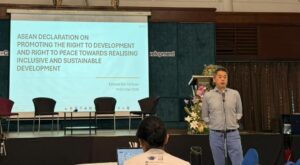
First, we should not think of the abolition of the death penalty in isolation but link it to the broader human rights framework, and especially to the right to development, which has been a priority for AICHR and which is critical for the achievement of reforms in our approaches to crime and criminal justice policy. Central to the ASEAN Declaration on Promoting the Right to Development and the Right to Peace Towards Realising Inclusive and Sustainable Development is the promotion of equitable access to opportunities for human development, social welfare and justice, inclusive growth and greater economic opportunities that support poverty eradication, equitable access to quality education, digital literacy and skills, a future-ready workforce, and enhanced cooperation to narrow development gaps.
Second, I recall the importance of balanced approaches to debates on the abolition of the death penalty that do justice to the demands of survivors and victims of crime. As much as the rights of those facing the death penalty must be protected, we also need to focus on those who have lost their loved ones to crime, and to devise criminal justice policies that provide effective support to these families, who are often aggrieved by the loss of a breadwinner or parental figure. The right to sustainable development provides a pathway to address this issue as well.
A concrete recommendation that I make at this Commission today is to support the forthcoming resolution on a moratorium on the use of the death penalty, due to be considered by the United Nations General Assembly (UNGA) in the last quarter of this year. This is seen as a critical step for countries in our region, especially those like Malaysia that have been undergoing significant changes to their death penalty framework and are steadily moving towards abolition, to ensure that abolition of the death penalty is defined as a position taken by each country through its own process and not left to the initiative of a few.
The adoption of the first UNGA moratorium resolution 62/149 on 18 December 2007 constituted a landmark achievement, as for the first time the UNGA called on states to end executions. Since 2007, nine other resolutions on this issue have been adopted, on a biennial basis. While UNGA resolutions are not binding, they carry considerable moral and political influence, and the adoption of these resolutions has been an important milestone for the work against the death penalty.
There are several reasons for this. Conceptually, the continued cross-regional support for moratorium resolutions has been a clear indication of the changed perception among United Nations Member States of the death penalty, from a matter relating only to the administration of criminal justice to a critical human rights issue. Numerically, the votes in favour of the moratorium resolutions have continued to rise, from 104 in 2007 to 130 in 2024 — two-thirds of all those Member States — offering evidence of developing state practice and consensus towards abolition. Moratorium resolutions have helped highlight that ending executions is not a policy or an expression of the values of only some states or regions. At the international level, although the death penalty remains lawful under international law in certain circumstances, the continued increase in votes in favour, culminating in two-thirds of the United Nations membership voting in favour in 2024, will eventually contribute to evidence of the growing recognition of the prohibition of the death penalty as a norm under customary international law. Finally, the regular adoption of UNGA moratorium resolutions every two years has offered the opportunity for engagement with stakeholders at the national level. In my country, Malaysia, our changed position on the resolution in 2018 went together with the establishment of an official moratorium on executions and the beginning of the study, and eventual reforms, of the mandatory death penalty in 2023.
The central call of the ten UNGA moratorium resolutions adopted so far is for all states to establish a moratorium on executions with a view to abolishing the death penalty. Through other operative paragraphs, the resolutions call on states that still have the death penalty to take further steps towards ending executions. These include calls to reduce the number of offences for which the death penalty may be imposed; to make publicly available information on the use of the death penalty; not to impose the death penalty on persons with mental or intellectual disabilities; to ensure that those facing the death penalty can exercise their right to apply for pardon or commutation through fair and transparent clemency procedures; and to ensure that the death penalty is not applied as a result of discriminatory laws or discriminatory application of the law. It is important to note, however, that these instruments do not call for the immediate abolition of the death penalty, but set this as the goal to be eventually achieved.
The penholders of the proposed resolution for 2026 are Mexico and Switzerland, who I understand are in the process of beginning informal consultations on the text of the draft resolution. I strongly urge AMS to seriously consider taking a more prominent, championing role in international discussions on the death penalty, given the recent progress recorded in our region.
For context, the following points are noteworthy.
- Cambodia has voted in favour of all UNGA moratorium resolutions and co-sponsored them in 2007, 2010, 2012 and 2014.
- Malaysia voted against the resolutions until 2018, when we changed our position to vote in favour.
- Myanmar voted against the resolution in 2007, 2008, 2010 and 2012; it switched to abstention in 2014, 2016, 2018 and 2020; and voted in favour in 2022 and 2024.
- The Philippines voted in favour of all resolutions except in 2016 and 2018, when it abstained. It co-sponsored the resolutions and actively advocated for their support in 2007, 2008, 2010, 2012 and 2014.
- Timor-Leste voted in favour of, and co-sponsored, all resolutions, except in 2024, when it voted in favour but did not co-sponsor.
- Indonesia voted against the resolutions until 2012, when it switched its position to abstain. As it is set to become “abolitionist de facto”, I encourage Indonesia to change its position from abstention to a vote in favour of the proposed 2026 resolution.
- Lao PDR has abstained on the vote on all ten UNGA moratorium resolutions adopted. Considering its decades-long record of not carrying out executions, I encourage Lao PDR to change its position from abstention to a vote in favour.
- Thailand has abstained on the vote on all ten UNGA moratorium resolutions, except in 2007 and 2008, when it voted against. I encourage Thailand to reconsider its position to vote in favour.
- Viet Nam has abstained on the vote on all UNGA moratorium resolutions. Considering its recent progress, I encourage Viet Nam to reconsider its position.
In sum, I use this opportunity to encourage us all to reflect on these recommendations and pass on the message to our respective ministries and agencies for consideration.
Fourth: attack on Indonesian human rights defender Andrie Yunus
The fourth matter concerns the attack on the Indonesian human rights defender Andrie Yunus, which took place on 12 March 2026. I have received reports regarding the same. The attack purportedly followed his human rights work, including advocacy concerning the revision of Indonesia’s military law and his broader efforts to promote accountability, democratic governance, and civilian oversight of the military. Four military personnel responsible for the attack were convicted; however, the sentences imposed raise concerns regarding proportionality, given the gravity of the assault and the apparent intentions behind it. Throughout the proceedings, concerns were also raised regarding the treatment of Andrie, including pressure placed on him to appear and testify before the military court under threat of legal consequences.
Equally troubling are the findings that the attack was motivated by resentment towards Andrie’s legitimate human rights activities. The perpetrators reportedly sought to “teach him a lesson” because they believed he had damaged the reputation of the Indonesian military through his public advocacy, legal challenges before the Constitutional Court, and criticism of alleged military misconduct. Violence or intimidation against individuals for peacefully exercising their freedoms of expression, association, and participation in public affairs has no place in a democratic society.
Positively, I note that on 2 June 2026, the South Jakarta District Court partially granted Andrie Yunus’s pre-trial application and ordered the Indonesian National Police to continue its criminal investigation into the broader circumstances surrounding the attack. This presents an important opportunity to ensure that all those responsible, including any persons who may have ordered, facilitated, or otherwise contributed to the crime, are identified and held accountable through an impartial, independent, and effective investigation.
Human rights defenders must be given effective protection to peacefully exercise their fundamental freedoms, so that they can work for human rights without fear of violence, intimidation, or reprisals. An attack on a human rights defender anywhere is an attack on us all, an attack on human rights, and an attack on the human rights of all. I recommend that we at AICHR periodically review this case.
Fifth: the situation in Myanmar and the rejection of the ASEAN Five-Point Consensus (5PC) by the military-led Parliament
The fifth matter is one that Malaysia does not raise merely as a routine item on this agenda, and on which it wishes to be candid about where the burden of the conflict in Myanmar has fallen.
As of this year, Malaysia hosts over 215,000 refugees and asylum-seekers registered with the United Nations High Commissioner for Refugees (UNHCR), of whom close to 194,000, including more than 126,000 Rohingya, originate from Myanmar. Despite not being a party to the 1951 Refugee Convention and its 1967 Protocol, Malaysia has extended protection and shelter to Myanmar’s displaced as a matter of humanity and regional solidarity, at a time when the very authorities responsible for this displacement continue to evade the political and humanitarian commitments ASEAN has asked of them. This is not merely a local matter but a regional concern of forced migration, and Malaysia is entitled to take this position. Attempts at normalisation will fail if the root causes of this displacement are not addressed.
I view the reported Myanmar military authorities’ formal parliamentary rejection of the 5PC on 9 July 2026 with the utmost seriousness. Coming more than five years after it was adopted, this development is deeply troubling and concerning. This is not merely a failure to implement a commitment, but rather an explicit rejection of ASEAN’s agreed political framework by the very party whose engagement this Commission and other ASEAN mechanisms have continued to extend. Malaysia cannot support, and does not accept, any move toward normalising or reintegrating the military into ASEAN’s high-level engagement or summit processes while this rejection stands unaddressed.
I therefore call on this Commission and ASEAN to be equally direct in return, on the following points.
One, compliance with the 5PC needs to be benchmarked, and cannot continue to be assessed on the military’s own account of its actions. A key recommendation is to establish an independent, credible assessment mechanism, such as through AICHR, involving voices beyond Naypyidaw, including democratic stakeholders and ethnic governance actors on the ground, to verify what is and is not being implemented.
Two, humanitarian access must be complete, not partial or politicised. Malaysia calls for 100 per cent unimpeded humanitarian access to all communities in need, across the entirety of Myanmar’s territory, regardless of which authority exercises control on the ground and regardless of political affiliation.
Three, the bombing of civilians and civilian infrastructure must stop, immediately and permanently. This is a baseline obligation under international humanitarian law that we have a duty to insist upon, not a negotiable point of diplomatic engagement.
Four, all political prisoners must be released without further delay or condition.
Myanmar’s political landscape has changed profoundly since 2021, and authority and control is increasingly contested and dispersed beyond the military authorities in Naypyidaw. ASEAN should not disengage from this reality. But engagement must reflect facts on the ground, and it cannot come at the cost of the benchmarks ASEAN has already set for itself.
The protracted conflict, persecution, and inequalities in Myanmar remain key drivers of displacement. Forced migration and the rights to development and peace are inextricably linked, functioning as both cause and consequence of each in a mutually reinforcing cycle. When people are forcibly displaced, it infringes on their right to development and the right to peace. Malaysia continues to assert that human rights must remain at the centre of our discussions and be connected to the realities of daily life faced by those affected, as is clear from the ASEAN Declaration on Promoting the Right to Development and the Right to Peace Towards Realising Inclusive and Sustainable Development. We remain committed to pursuing these reforms through dialogue, consultation, and cooperation, and to working with fellow AICHR Representatives and AMS to ensure that ASEAN commitments are met with real action.
The Myanmar crisis is a crisis of rights violated. Human rights sit at the core of the challenge, and ASEAN cannot accept symbolic and token gestures. Only when human rights are restored, and international law is fully observed, can the 5PC be meaningfully fulfilled.
Thank you.
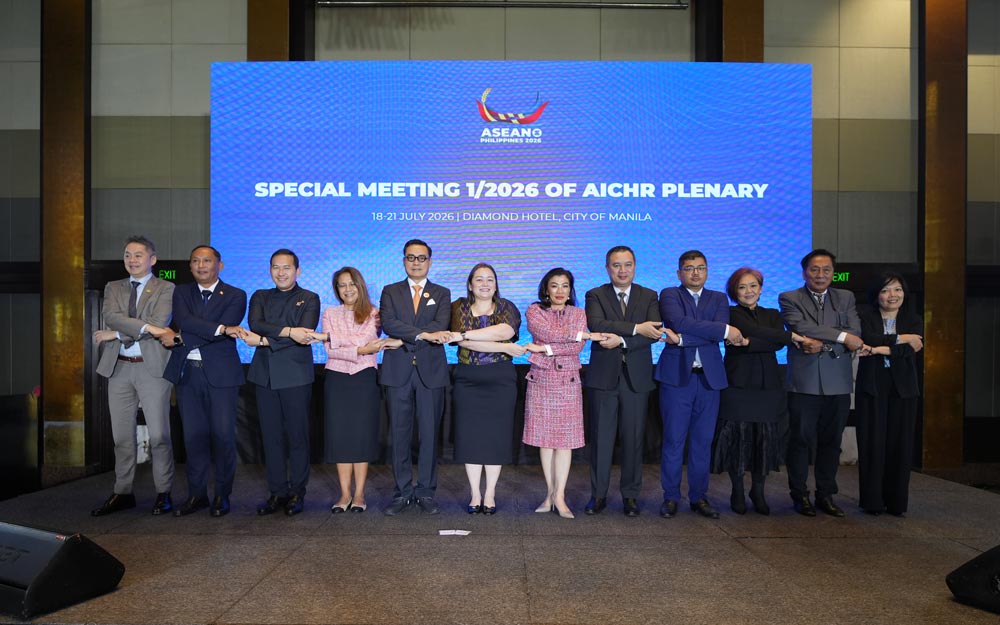
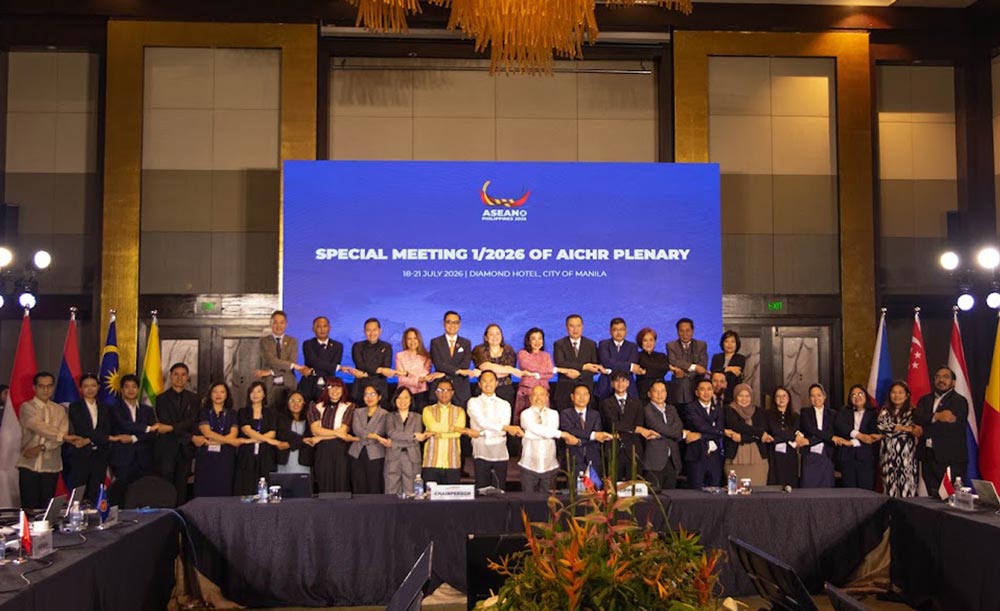
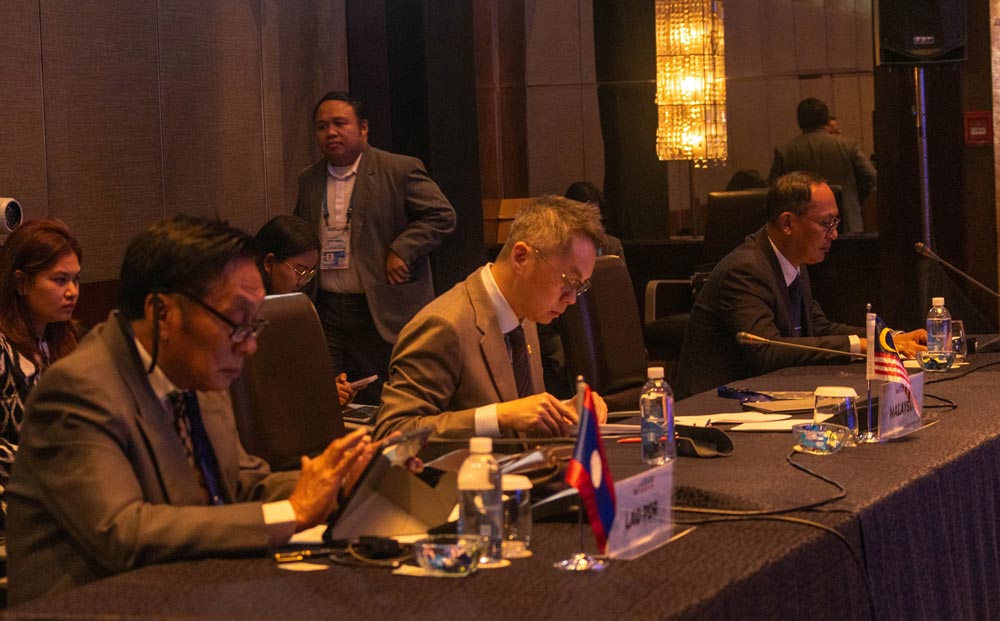
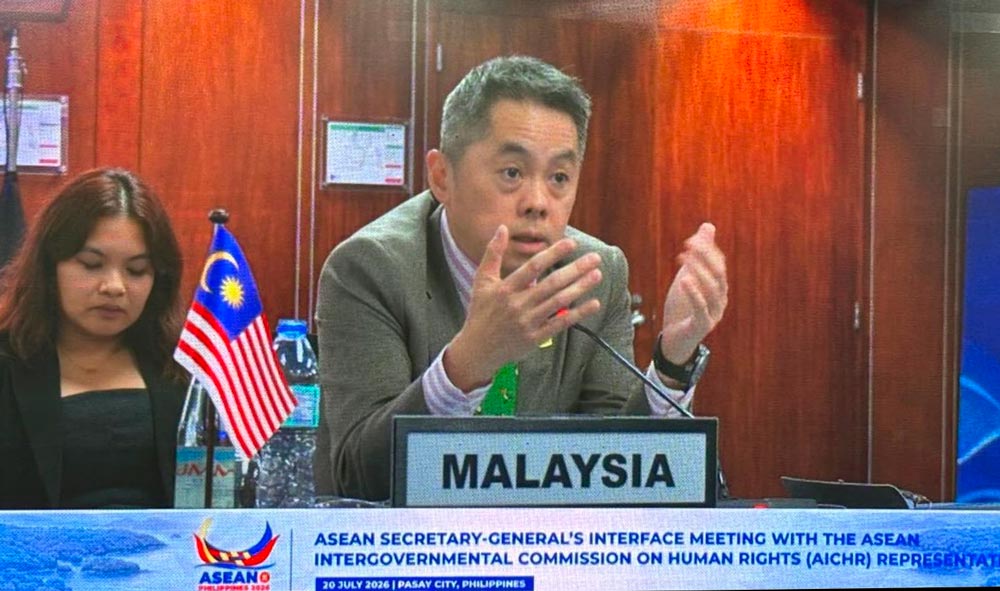
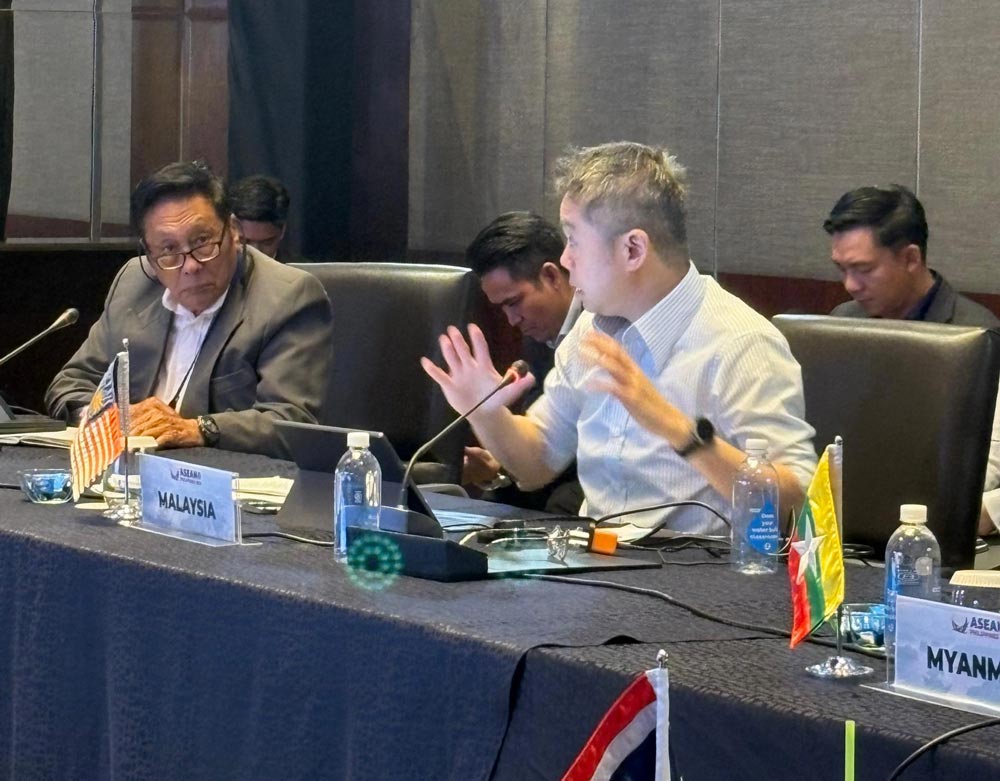
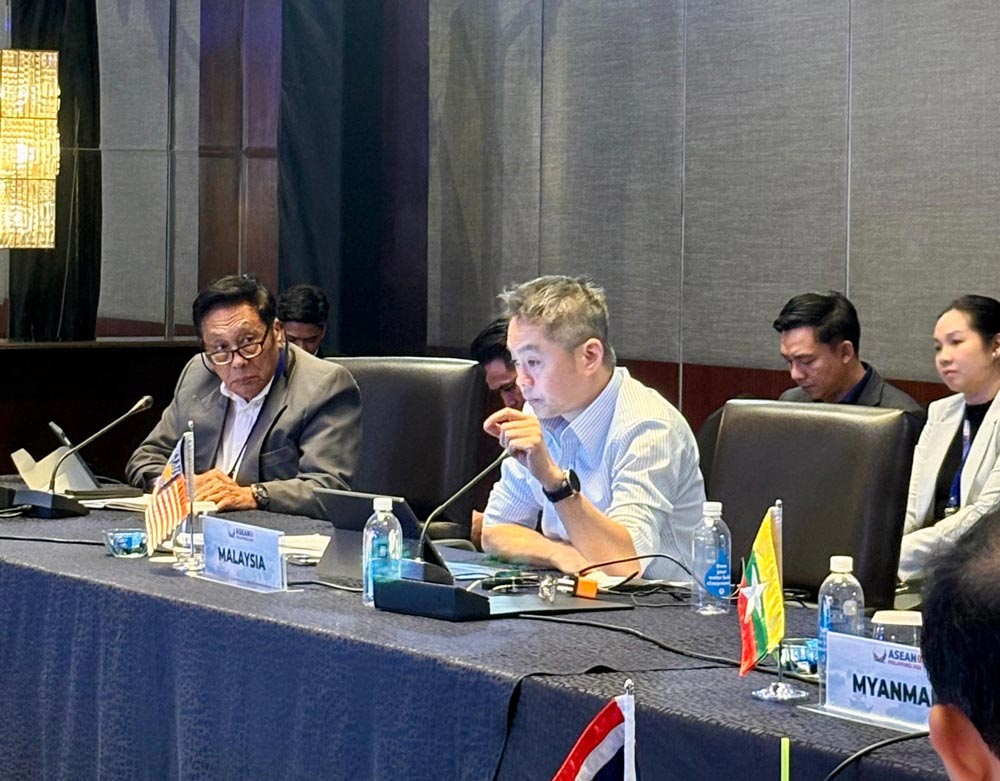
This statement was delivered to the ASEAN Intergovernmental Commission on Human Rights (AICHR) on Agenda Item No. 12.1 on Recent Developments in ASEAN on 19 July 2026, at the Special Meeting 1/2026 of AICHR held in Manila from 17 to 21 July 2026. The press release on the Special Meeting 1/2026 can be accessed here.