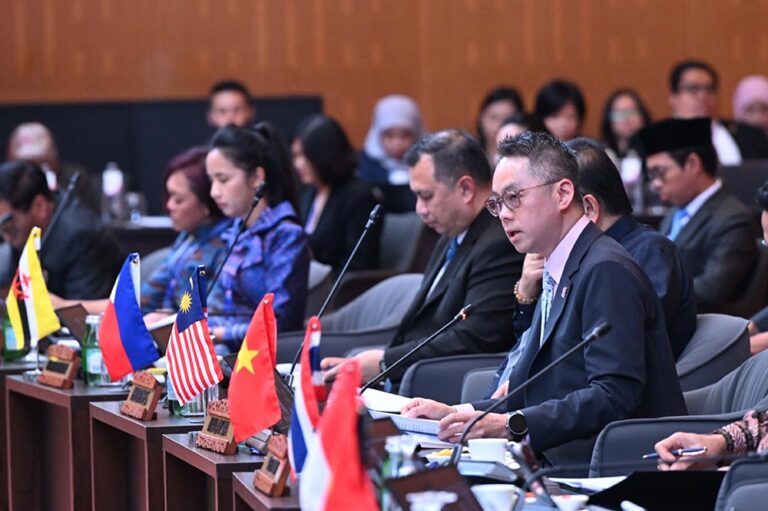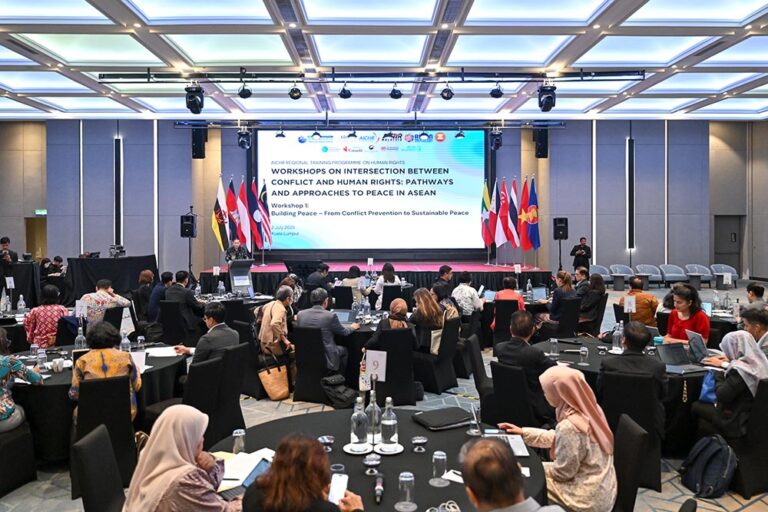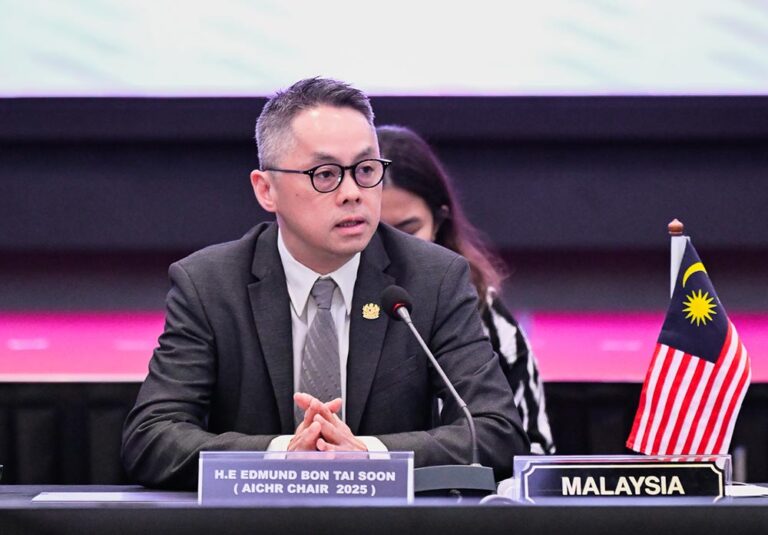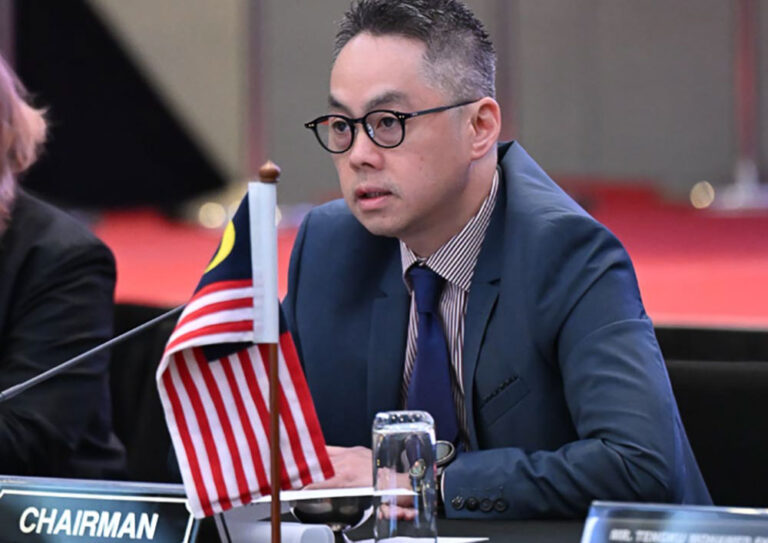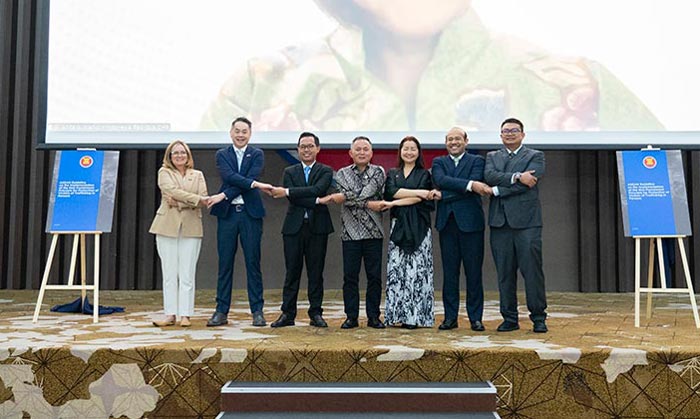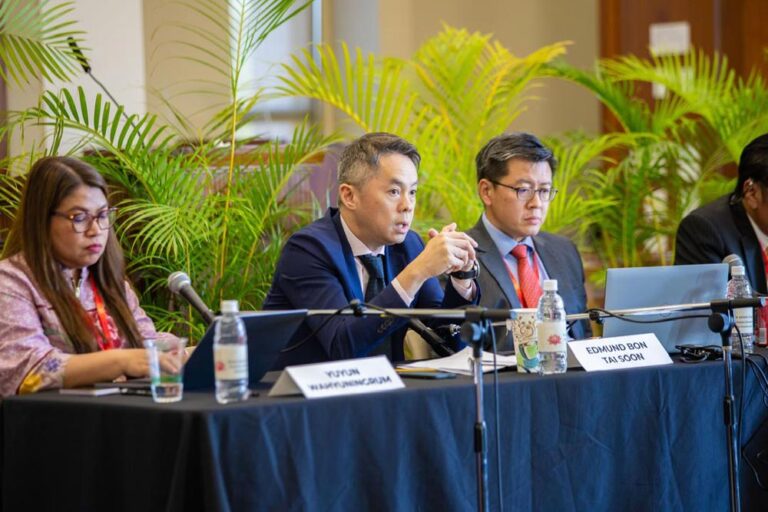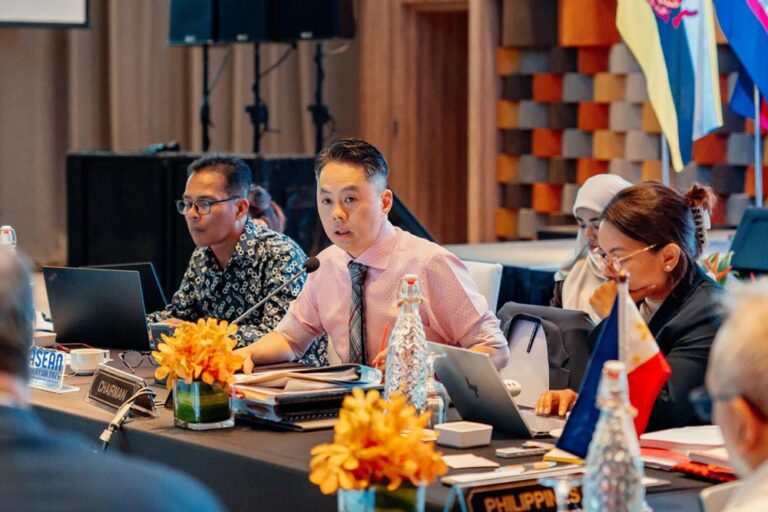
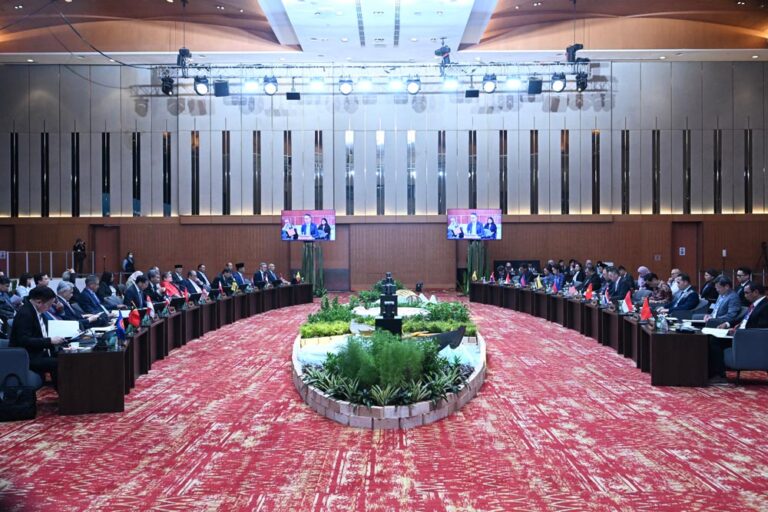
Opening remarks by AICHR Chair Edmund Bon at the AICHR-ASOEN Interface Consultation on the proposed ASEAN Declaration on the Right to a Safe, Clean, Healthy, and Sustainable Environment

AICHR Chair Edmund Bon said the proposed ASEAN Declaration on the Right to a Safe, Clean, Healthy, and Sustainable Environment should not only be a document of principles, but a platform for action — a step forward in ASEAN’s journey to protect its environment and uphold the rights of its peoples for generations to come.

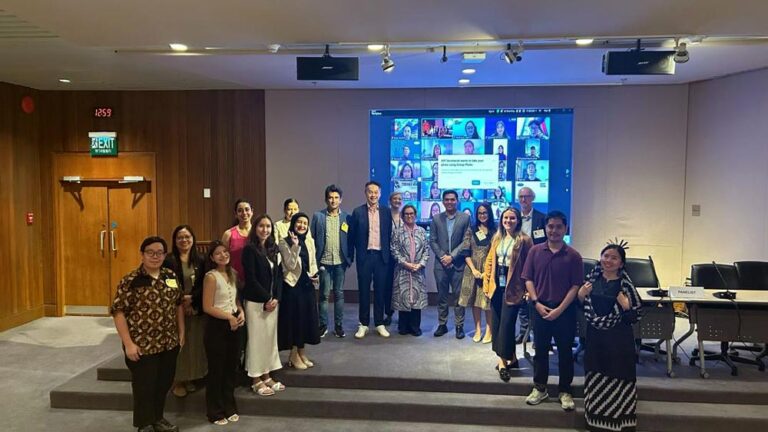
Keynote address by AICHR Chair Edmund Bon at the 12th Asia-Pacific Forum on Sustainable Development Goals (APFSD) side event: “Accelerating environmental rights protection for women in the Asia-Pacific region”

AICHR Chair Edmund Bon highlighted that Malaysia is advocating for the adoption of two ASEAN declarations this year — on the right to a safe, clean, healthy, and sustainable environment; and on promoting peace, inclusive growth, sustainable development and the right to development.

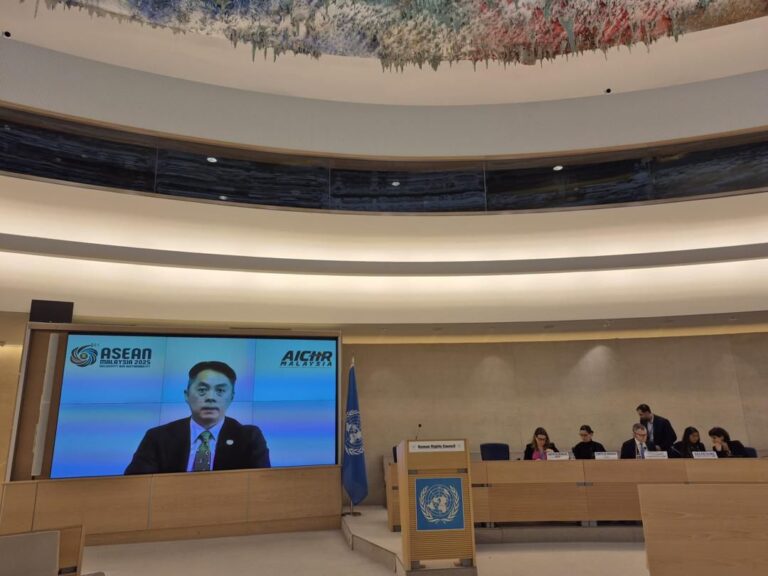
Remarks delivered by AICHR Chair and Representative of Malaysia to AICHR, Edmund Bon, at the high-level segment of the fifty-eighth session of the UN Human Rights Council

These remarks by Edmund Bon were delivered during the first occasion that an AICHR Chair has addressed the high-level segment of a UN Human Rights Council session. He commended the Council for its efforts to further its relationship with the AICHR, and called on the Council to fight for human rights together with the AICHR.

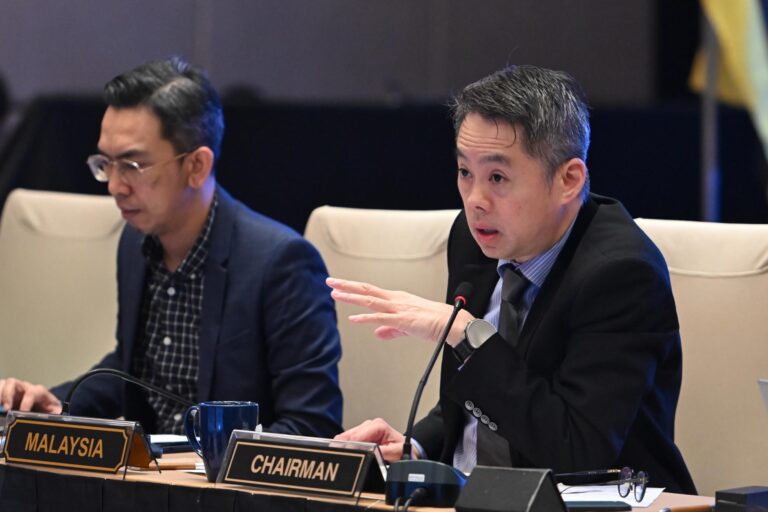
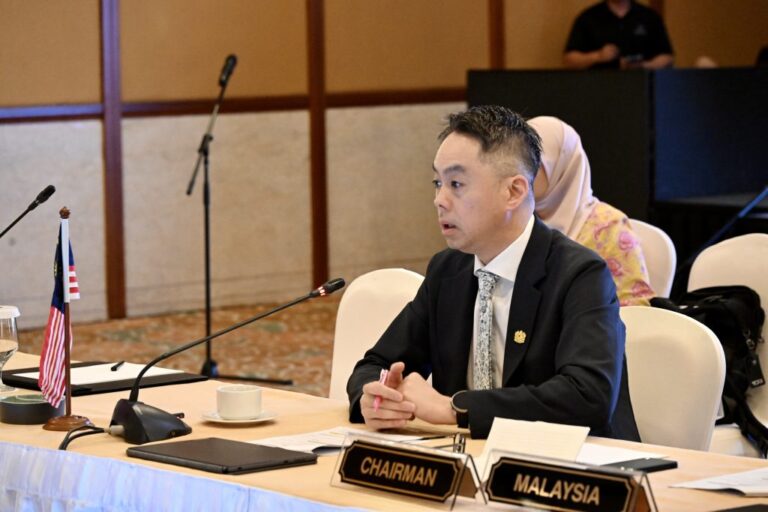
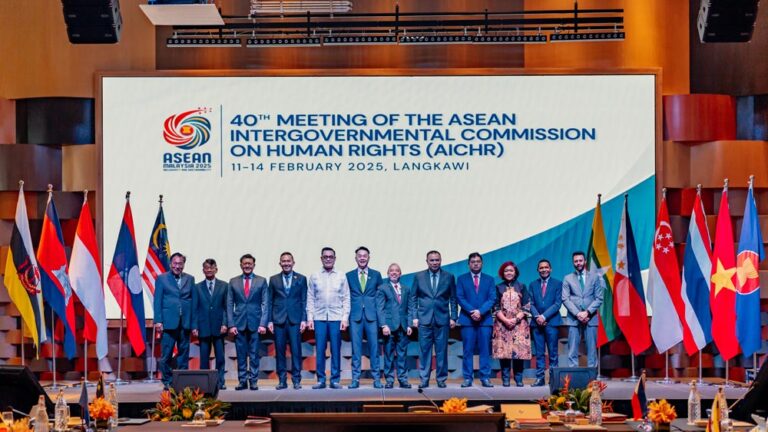
Statement by Edmund Bon, AICHR Chair and Representative of Malaysia to AICHR, at the 40th meeting and retreat of AICHR

Edmund Bon, Chair of AICHR, emphasised that development is about improving the lives and well-being of people, allowing them to thrive in society. Economic growth must ensure that the benefits of growth are shared equitably and sustainably across the population. Finally, the right to peace is essential to drive inclusive growth and sustainable development.

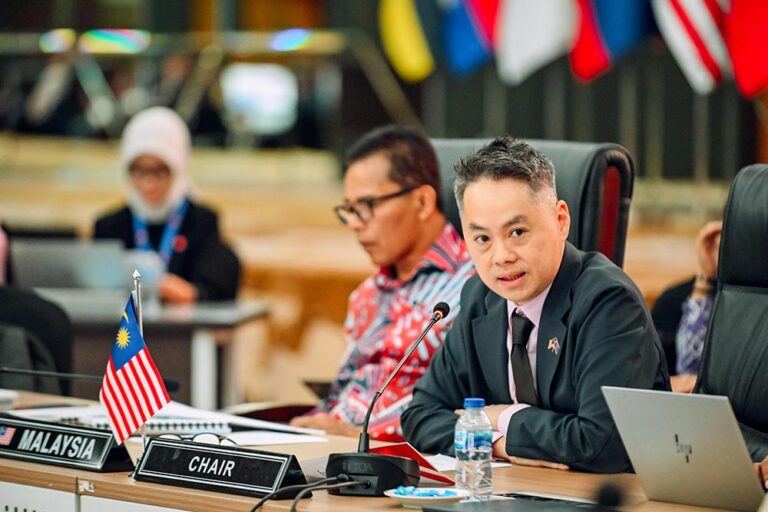
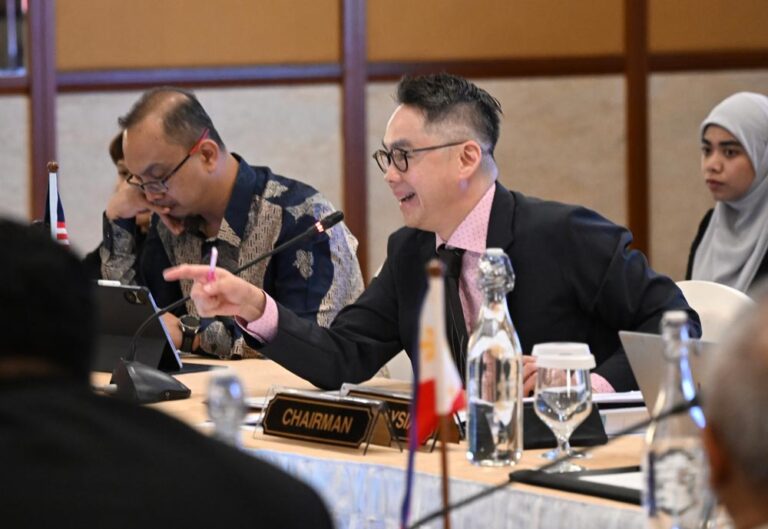
Welcome remarks by Edmund Bon, AICHR Chair and Representative of Malaysia to AICHR, at the opening of the 40th meeting and retreat of AICHR

AICHR Chair Edmund Bon pledged that AICHR will continue to advance the promotion and protection of human rights through its numerous programmes, in alignment with ASEAN’s vision to foster a people-oriented and people-centred community. Malaysia’s ASEAN chairmanship theme of “Inclusivity and Sustainability” is not merely a vision; it is a call to action.

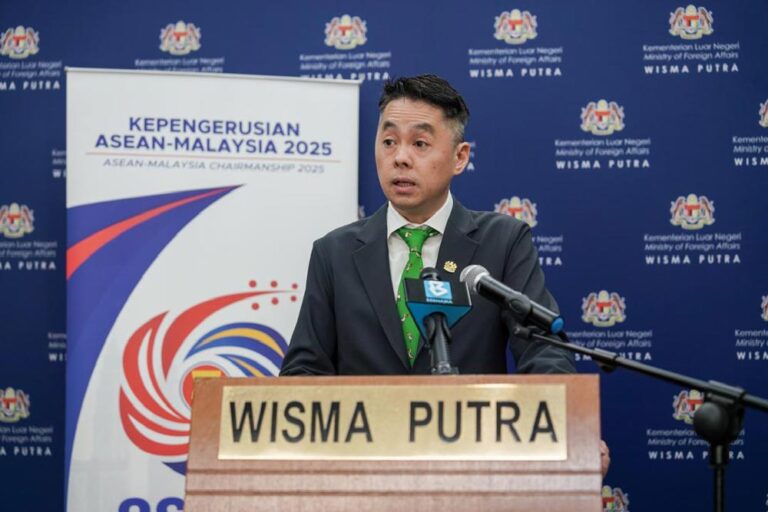
Briefing by Edmund Bon, Chair of AICHR and Representative of Malaysia to AICHR, at the 1st Malaysian Human Rights and Environmental Rights Dialogue: Malaysia’s human rights priorities for ASEAN 2025 as Chair

Edmund Bon, Representative of Malaysia to AICHR, outlines the human rights priorities for ASEAN 2025 during his term as AICHR Chair. He welcomes the unparalleled opportunity to address pressing human rights challenges facing ASEAN, and emphasises that Malaysia cannot countenance the dilution of international human rights law and standards, nor be wilfully blind to impunity.

Rosmah’s acquittal: Examining the legal basis of the charges

Amer Hamzah Arshad, one of the lawyers defending Datin Seri Rosmah Mansor, explores the legal arguments behind the recent acquittal on 17 charges of money laundering. This article outlines key legal issues, including the flawed nature of the charges and the lack of identifiable unlawful proceeds.

Self-defeating amendments to section 233 of CMA

Section 233 of the CMA is a provision often used by successive governments to stifle dissent and criticism. Since the law is already bad, what do the government amendments attempt to do, and do they make it any better? New Sin Yew lays out the confusing circular logic in section 233 and urges the government to exclude the amendments to section 233 CMA from the current bill.

The ASEAN Human Rights Dialogue: Three things to watch out for

The ASEAN Human Rights Dialogue offers opportunities for Member States to be more transparent and frank in their discussions of human rights – as the key avenue for making stronger progress through normalizing talk of human rights and addressing issues.

Business and human rights: Reimagining a new human rights-friendly Malaysia

While ESG is important, most of its measures are not couched in rights. Rights give rise to justiciable claims and empower victims and survivors to go to the courts. We need to take legal, policy, and administrative measures to incorporate human rights into our governance and laws. Human rights and environmental due diligence must be mandatory to protect vulnerable communities.

173 action items recommended for Malaysia’s National Action Plan on Business and Human Rights on governance, labour and the environment

Edmund extended his appreciation to the team of experts and everyone who contributed to the drafting of the National Baseline Assessment on Business and Human Rights in Malaysia. The report presented important recommendations: to mainstream human rights, to make human rights and environmental due diligence mandatory, and to better protect marginalised communities.

Megatrends: Geopolitics, geoeconomics, ASEAN Centrality, and human rights

Speaking on geopolitical and geoeconomic megatrends in ASEAN, Edmund Bon cautioned that, while the economic “decoupling” between the West and China may offer opportunities to ASEAN, human rights including labour rights, environmental rights, right to information, and right to self-determination need to be at the forefront of economic development in the region. Only then can we say we have achieved an ASEAN Centrality that can adequately safeguard our peoples.

Opening remarks by AICHR Chair Edmund Bon at the AICHR-ASOEN Interface Consultation on the proposed ASEAN Declaration on the Right to a Safe, Clean, Healthy, and Sustainable Environment

AICHR Chair Edmund Bon said the proposed ASEAN Declaration on the Right to a Safe, Clean, Healthy, and Sustainable Environment should not only be a document of principles, but a platform for action — a step forward in ASEAN’s journey to protect its environment and uphold the rights of its peoples for generations to come.

Keynote address by AICHR Chair Edmund Bon at the 12th Asia-Pacific Forum on Sustainable Development Goals (APFSD) side event: “Accelerating environmental rights protection for women in the Asia-Pacific region”

AICHR Chair Edmund Bon highlighted that Malaysia is advocating for the adoption of two ASEAN declarations this year — on the right to a safe, clean, healthy, and sustainable environment; and on promoting peace, inclusive growth, sustainable development and the right to development.

Remarks delivered by AICHR Chair and Representative of Malaysia to AICHR, Edmund Bon, at the high-level segment of the fifty-eighth session of the UN Human Rights Council

These remarks by Edmund Bon were delivered during the first occasion that an AICHR Chair has addressed the high-level segment of a UN Human Rights Council session. He commended the Council for its efforts to further its relationship with the AICHR, and called on the Council to fight for human rights together with the AICHR.

Welcome remarks by Edmund Bon, AICHR Chair and Representative of Malaysia to AICHR, at the opening of the 40th meeting and retreat of AICHR

AICHR Chair Edmund Bon pledged that AICHR will continue to advance the promotion and protection of human rights through its numerous programmes, in alignment with ASEAN’s vision to foster a people-oriented and people-centred community. Malaysia’s ASEAN chairmanship theme of “Inclusivity and Sustainability” is not merely a vision; it is a call to action.

Briefing by Edmund Bon, Chair of AICHR and Representative of Malaysia to AICHR, at the 1st Malaysian Human Rights and Environmental Rights Dialogue: Malaysia’s human rights priorities for ASEAN 2025 as Chair

Edmund Bon, Representative of Malaysia to AICHR, outlines the human rights priorities for ASEAN 2025 during his term as AICHR Chair. He welcomes the unparalleled opportunity to address pressing human rights challenges facing ASEAN, and emphasises that Malaysia cannot countenance the dilution of international human rights law and standards, nor be wilfully blind to impunity.

Rosmah’s acquittal: Examining the legal basis of the charges

Amer Hamzah Arshad, one of the lawyers defending Datin Seri Rosmah Mansor, explores the legal arguments behind the recent acquittal on 17 charges of money laundering. This article outlines key legal issues, including the flawed nature of the charges and the lack of identifiable unlawful proceeds.

Self-defeating amendments to section 233 of CMA

Section 233 of the CMA is a provision often used by successive governments to stifle dissent and criticism. Since the law is already bad, what do the government amendments attempt to do, and do they make it any better? New Sin Yew lays out the confusing circular logic in section 233 and urges the government to exclude the amendments to section 233 CMA from the current bill.

The ASEAN Human Rights Dialogue: Three things to watch out for

The ASEAN Human Rights Dialogue offers opportunities for Member States to be more transparent and frank in their discussions of human rights – as the key avenue for making stronger progress through normalizing talk of human rights and addressing issues.

Business and human rights: Reimagining a new human rights-friendly Malaysia

While ESG is important, most of its measures are not couched in rights. Rights give rise to justiciable claims and empower victims and survivors to go to the courts. We need to take legal, policy, and administrative measures to incorporate human rights into our governance and laws. Human rights and environmental due diligence must be mandatory to protect vulnerable communities.

173 action items recommended for Malaysia’s National Action Plan on Business and Human Rights on governance, labour and the environment

Edmund extended his appreciation to the team of experts and everyone who contributed to the drafting of the National Baseline Assessment on Business and Human Rights in Malaysia. The report presented important recommendations: to mainstream human rights, to make human rights and environmental due diligence mandatory, and to better protect marginalised communities.

Megatrends: Geopolitics, geoeconomics, ASEAN Centrality, and human rights

Speaking on geopolitical and geoeconomic megatrends in ASEAN, Edmund Bon cautioned that, while the economic “decoupling” between the West and China may offer opportunities to ASEAN, human rights including labour rights, environmental rights, right to information, and right to self-determination need to be at the forefront of economic development in the region. Only then can we say we have achieved an ASEAN Centrality that can adequately safeguard our peoples.