
Excellencies.
As we marked our 15th interface with the ASEAN Foreign Ministers’ Meeting (AMM) on 8 July, I take this opportunity to share some reflections, while also setting our sights on the future of human rights cooperation in ASEAN.
ASEAN 2045: Our Shared Future is a forward-looking blueprint that calls for a stronger, more cohesive ASEAN that puts people at the centre of its efforts. ASEAN envisions a community anchored on ASEAN Centrality with enhanced and refreshed institutional capacity and effectiveness with ASEAN organs, bodies, and mechanisms that are more decisive, responsive, and timely as well as future-ready in addressing global and regional challenges.
After 15 years of laying the foundation for human rights promotion and protection in the region, we should pivot to a more action-oriented, resilient, and strategic institution capable of addressing complex and growing human rights issues in our region.
First, AICHR can transition towards a more responsive and rights-driven mandate, deepening its role in providing technical assistance, policy guidance, and cross-sectoral cooperation.
Second, with 155 activities delivered across 40 human rights thematic areas since 2010, AICHR can deepen its monitoring and evaluation frameworks that include a standardised, results-based monitoring system. AICHR can further embrace constructive external feedback, particularly from survivors and victims of human rights violations.
Third, AICHR can enhance its grievance communication management system through developing a more structured complaints mechanism with modalities for systematic follow-up, data protection, and public reporting. Malaysia continues to advocate for this and has made a new proposal for AICHR’s consideration.
Fourth, we can lead in addressing emerging human rights challenges. AICHR can formulate regional guidance to address existing and emerging issues and challenges.
Fifth, AICHR can consider establishing a rapid-response protocol, enabling timely action during regional crises. Such mechanisms would enable AICHR to better support ASEAN Member States during human rights-related emergencies.
Sixth, it is timely to review and update AICHR’s Terms of Reference (TOR), in line with the ASEAN Community Vision 2045. AICHR’s self-assessments of its work have been useful, providing meaningful recommendations to AMM. The review has stalled for some time now. Perhaps it is time to move the review forward through relevant information on steps ahead provided by the ASEAN Secretariat in the form of a non-paper.
Conflicts, whether human induced or natural disasters, in Southeast Asia are not new. Whether they are arising, continuing or have arisen, such as and including but not limited to Aceh, Timor-Leste, Papua, Southern Thailand, Southern Philippines, Cyclone Nargis in Myanmar, ASEAN has played a role, and it has a role to play.
On Myanmar, Malaysia continues to reiterate the call — as my Foreign Minister did two days ago — for relevant parties to cease hostilities and extend and expand the ceasefires in order to properly start the long road to recovery. The people of Myanmar have suffered enough, and we cannot afford to be indifferent. ASEAN can support a long-term peace process in the region that goes beyond crisis response. This includes addressing not only immediate needs but also the deeper structural and psychological roots of the conflict.
First, the root causes of the crisis need to be addressed through political dialogue, and support for justice and accountability mechanisms. Meaningful participation by ethnic nationalities, women, youth, and civil society is required to shape Myanmar’s future.
Second, ASEAN can help unlock greater access to vulnerable populations by supporting locally led humanitarian efforts, particularly in hard-to-reach and conflict-affected areas. This includes enabling cross-border aid, strengthening regional logistical coordination, and ensuring that assistance reaches displaced and marginalised communities regardless of political or territorial control.
Third, there is a need to adopt a trauma-informed approach to peace and recovery. Armed conflict inflicts profound psychosocial harm, especially on ethnic minorities, young people, and survivors of violence. ASEAN can champion a trauma-informed approach to peacebuilding that includes community-led mental health and psychosocial support, as well as justice and truth-telling processes that acknowledge suffering and promote healing. This ensures that initiatives “do no harm” and avoid retraumatising affected populations.
I firmly believe that this is an opportune moment not only to reflect on the important work AICHR is already doing, but also to reimagine how we can do more and better as we move towards a shared future.
Thank you.
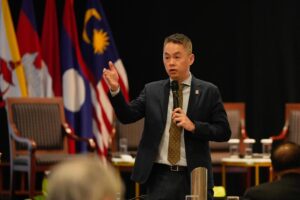
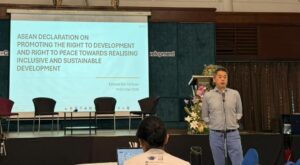
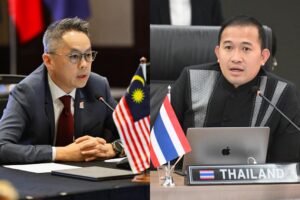
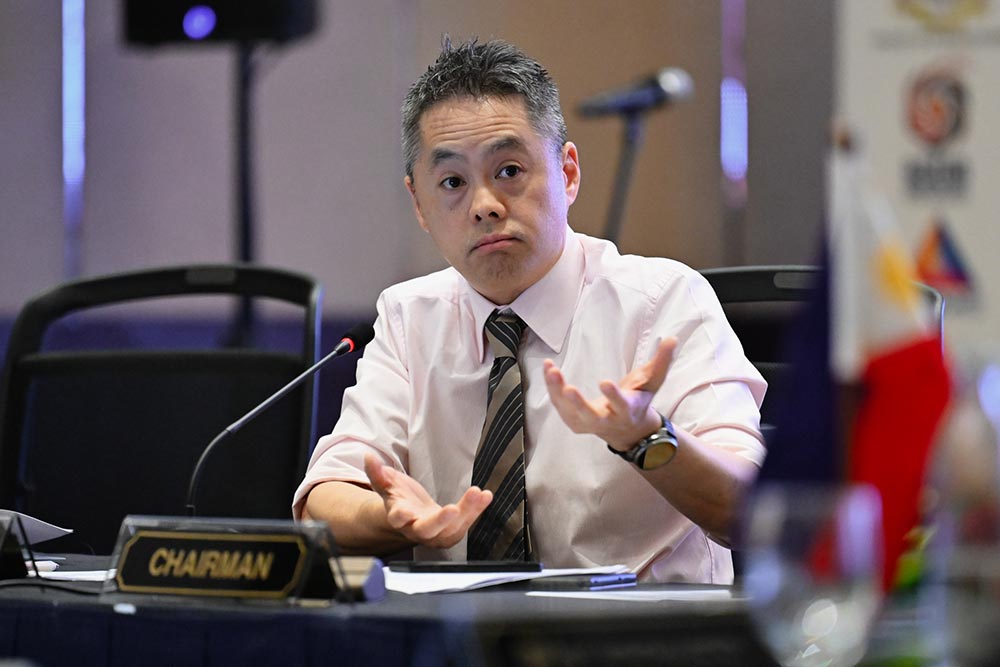
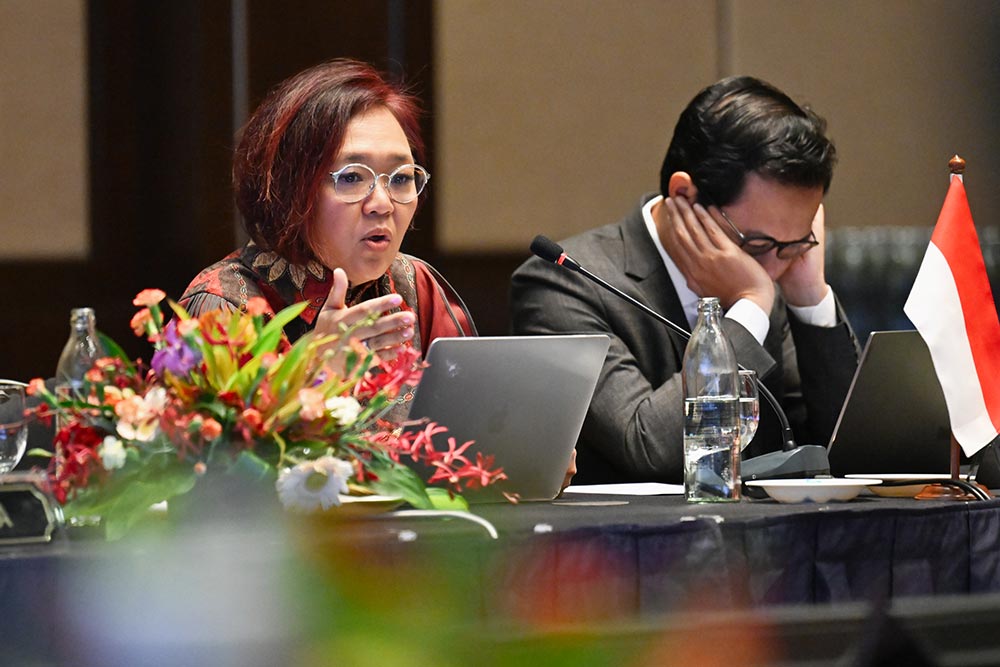
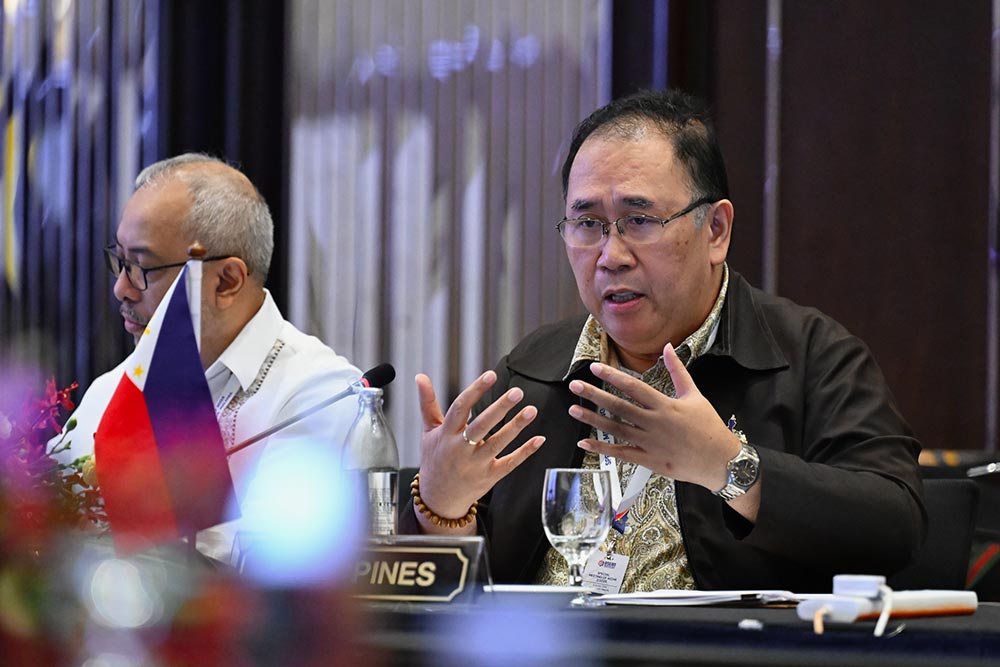
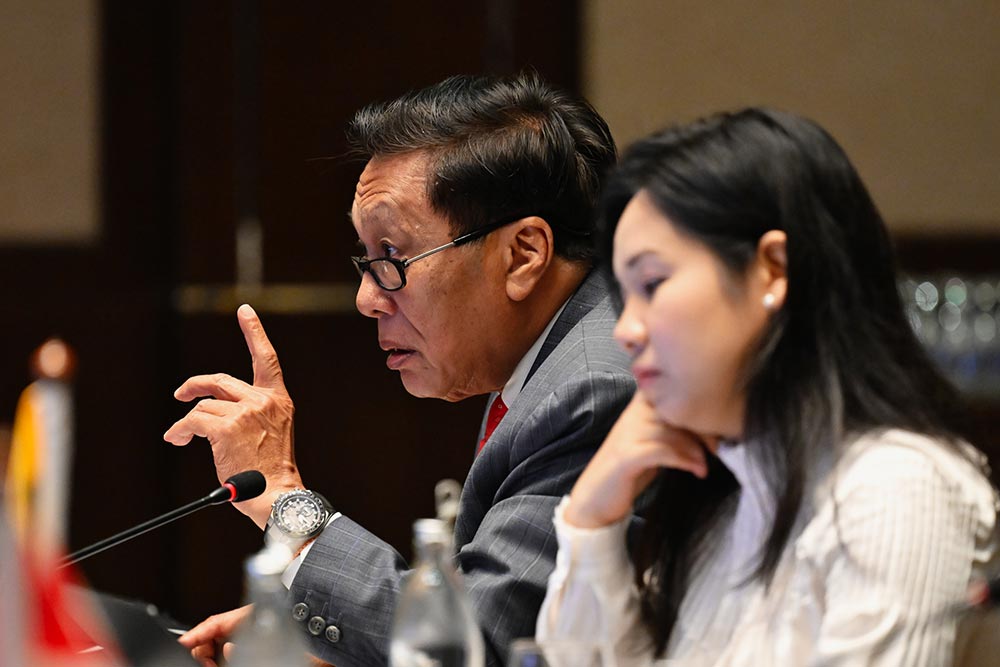
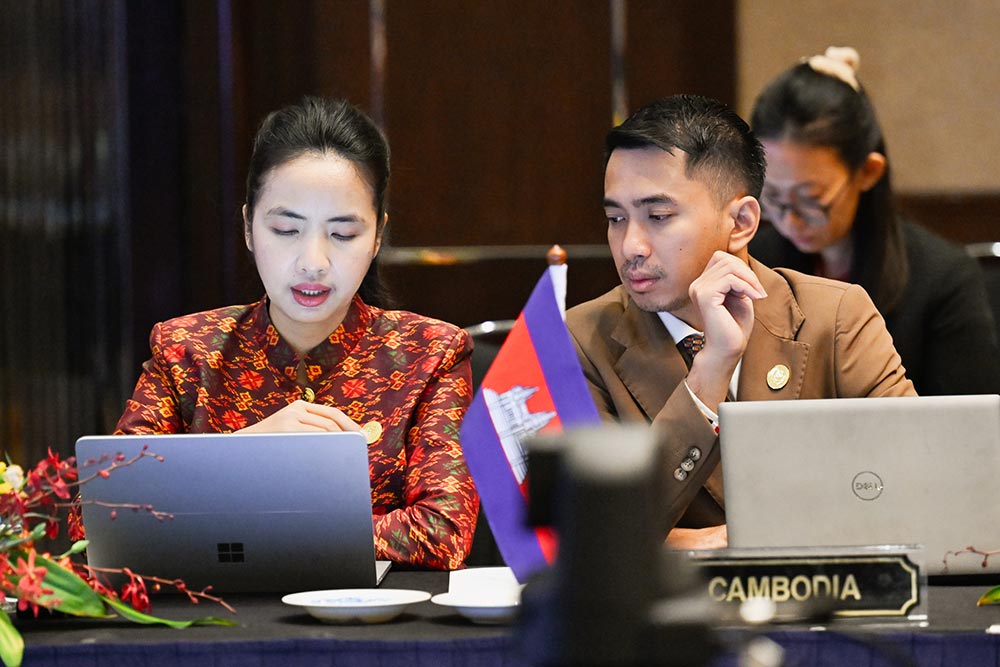
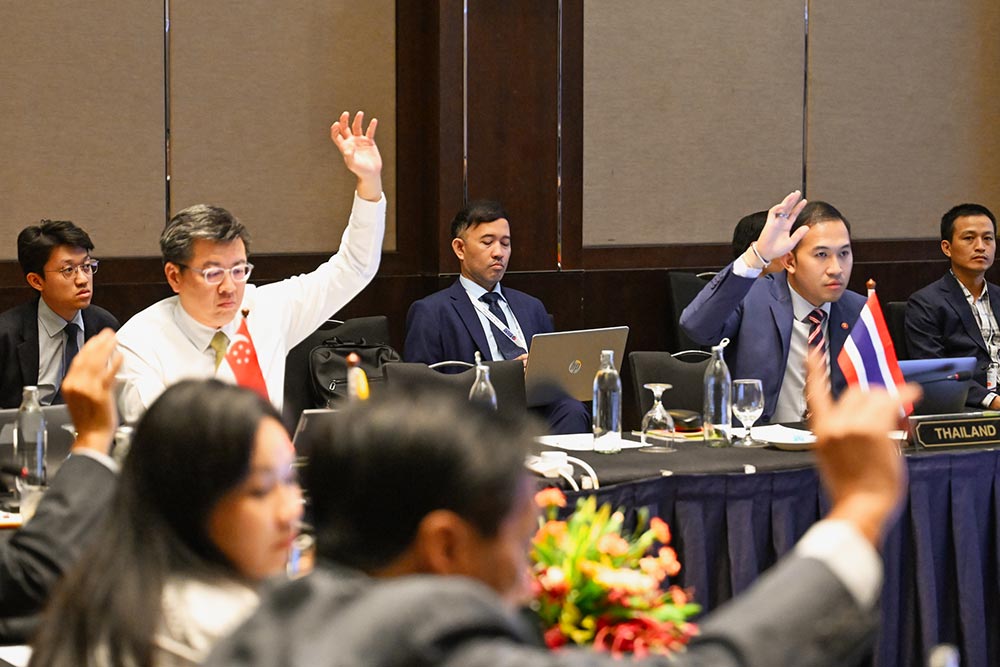
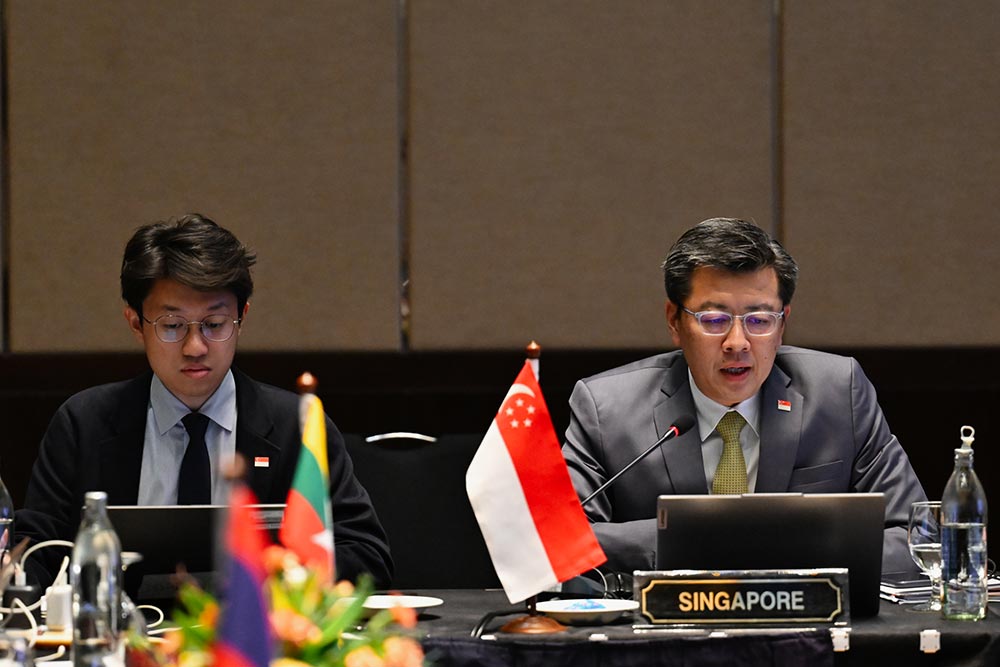
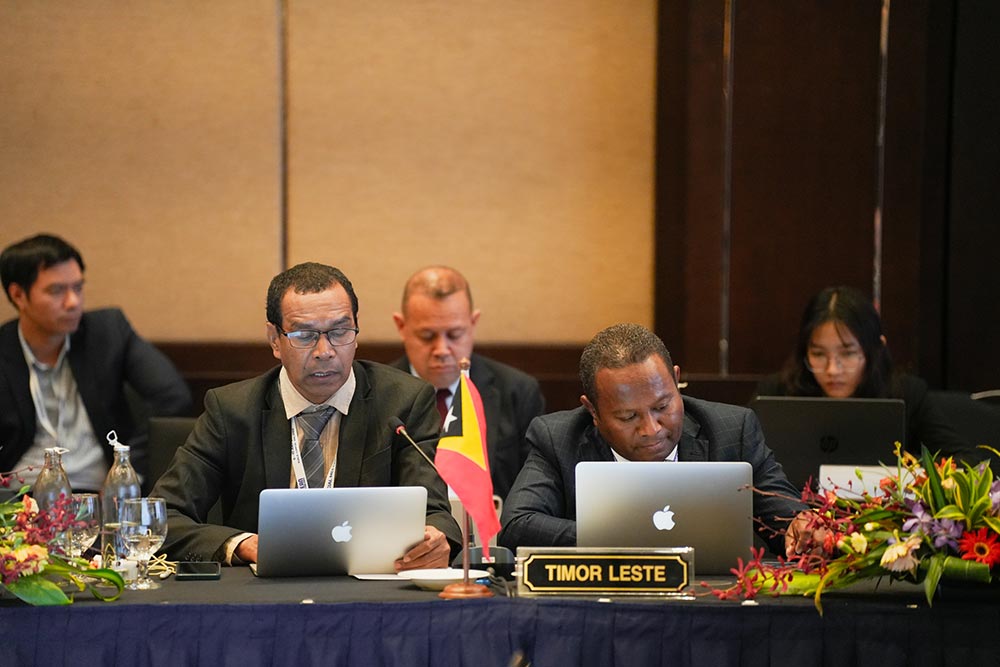
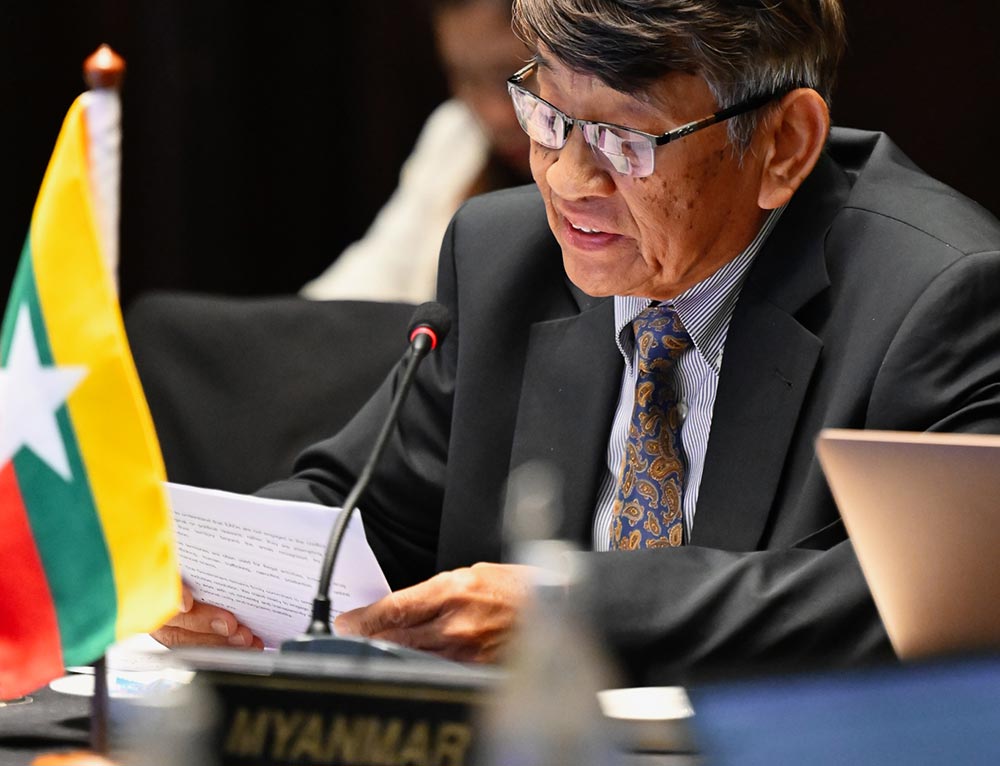
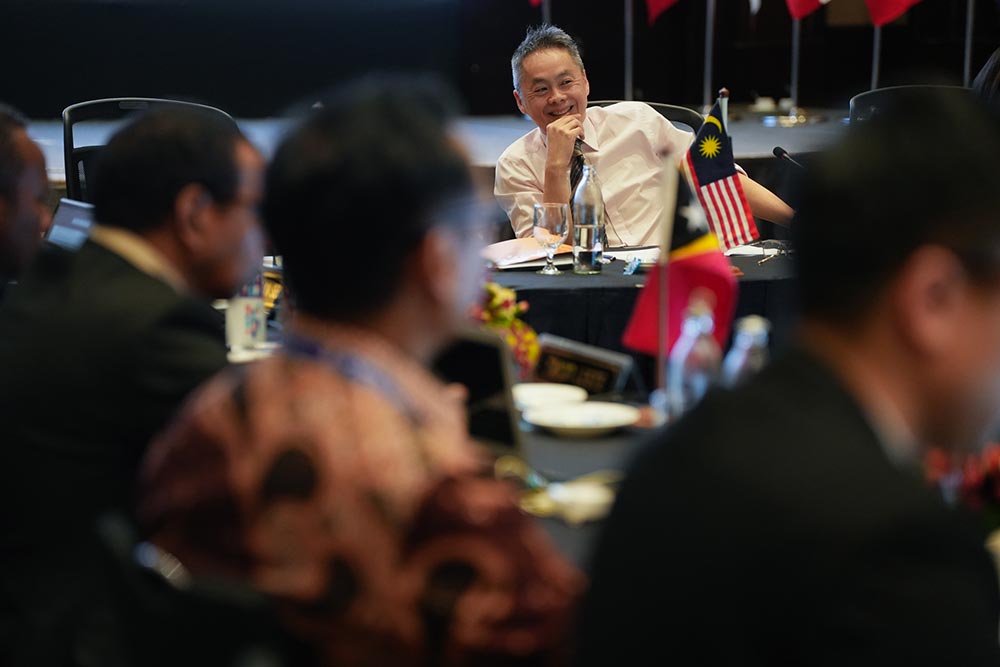
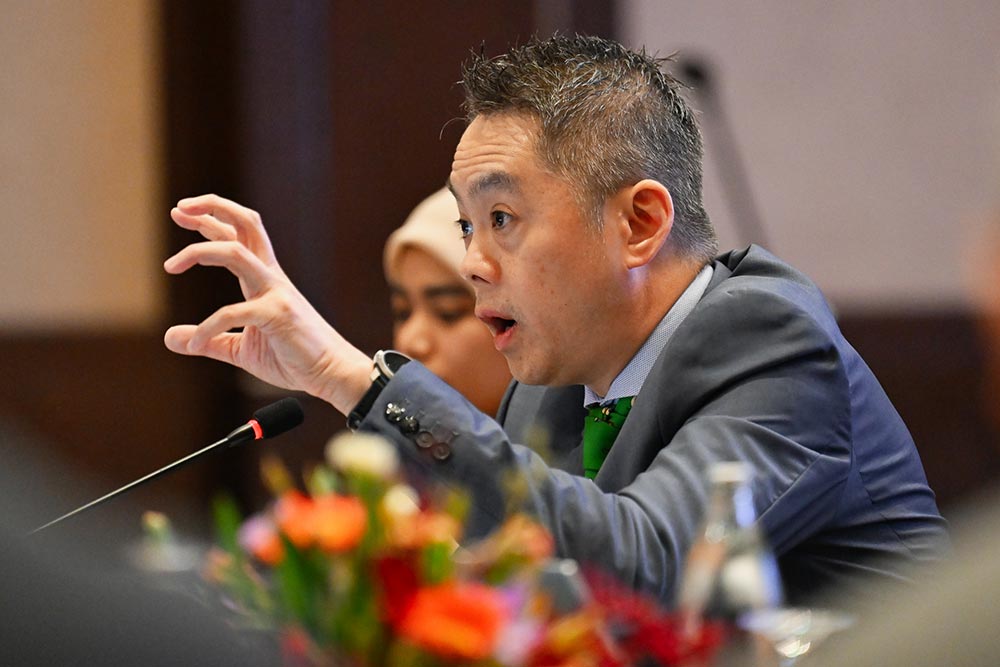
This statement was delivered to the ASEAN Intergovernmental Commission on Human Rights (AICHR) on Agenda Item No. 17.1 on Recent Developments in ASEAN on 10 July 2025, at the Special Meeting 2/2025 of AICHR held in Kuala Lumpur, Malaysia from 6 to 10 July 2025. The press release on the Special Meeting 2/2025 can be accessed here.