
Excellency Tan Sri Othman Hashim, Special Envoy of the ASEAN Chair on Myanmar,
Raja Intan Nor Zareen binti Raja Khairul Anuar, Ministry of Foreign Affairs of Malaysia,
Excellency Ambassador I Gusti Agung Wesaka Puja, Executive Director, ASEAN Institute for Peace and Reconciliation (ASEAN-IPR),
Ambassador Tiffany McDonald, Head of Mission, Australian Mission to ASEAN (who is joining us online),
Ms Cristina Fernández Escorza, Programme Coordination Specialist, ASEAN-Women Peace and Security, United Nations Women (UN Women),
Ms Joanna Mansfield, Team Leader, International Engagement, Australian Human Rights Commission (AHRC),
Distinguished guests, ladies and gentlemen.
Salam sejahtera and good morning.
Why is the ASEAN Intergovernmental Commission on Human Rights (AICHR) running these six workshops?
ASEAN has long played a pivotal role in the region’s conflict prevention, conflict management, and peacebuilding efforts. Guided by its founding principles of non-interference, consensus-based decision-making, and respect for sovereignty, ASEAN has historically emphasised informal dialogue, consensus-building, and quiet diplomacy while refraining from direct intervention in member states’ internal affairs. These approaches have been evident in cross-border conflict management within the region.
The ASEAN Political-Security Community (APSC), as one of the three pillars of the ASEAN Community, aims to enhance regional peace, stability, and security through dialogue and cooperation. In practice, we have seen the ASEAN Coordinating Centre for Humanitarian Assistance on disaster management (AHA Centre) play a crucial role in responding to humanitarian crises and natural disasters, further reinforcing ASEAN’s commitment to regional resilience and cooperation.
However, ASEAN is now navigating a rapidly evolving geopolitical landscape, which presents new and complex challenges. Criticisms of its non-interference policy, decision-making constraints due to consensus requirements, and the need to balance sovereignty with humanitarian and human rights considerations demand a more responsive and adaptive approach to peacebuilding.
To address these challenges and enhance ASEAN’s peacebuilding capacity, AICHR is advancing a transformative initiative comprising a series of six iterative and interlinked workshops. These workshops will deliberate on possible ASEAN pathways to, and conceptual frameworks for, peace, conflict prevention, and management that are comprehensive and actionable. The workshops are designed to provide structured platforms for discussion, foster meaningful dialogue, and ensure thorough documentation for historical records and institutional memory.
Notably, the workshops will chart a course on peace and peacebuilding that is ASEAN-led and ASEAN-owned, using a whole-of-ASEAN approach. This is a core part of AICHR’s work to generate a common position on human rights matters of interest in ASEAN.
The AICHR Terms of Reference as the ASEAN human rights Charter body allow it to seek and obtain information from ASEAN Member States on human rights, and to develop strategies on human rights. We are acting pursuant to these functions and mandates.
This initiative is designed to complement the vital and valuable work of ASEAN organs, bodies and entities involved in these efforts, including Committee of Permanent Representatives (CPR), ASEAN Institute for Peace and Reconciliation (ASEAN-IPR), AHA Centre, ASEAN Committee on Disaster Management (ACDM), ASEAN Committee on Women (ACW), ASEAN Commission on the Promotion and Protection of the Rights of Women and Children (ACWC), ASEAN Women for Peace Registry (AWPR), ASEAN Disaster Resilience Platform (ADRP), ASEAN Disaster Resilience Forum (ADRF), ASEAN Defence Senior Officials’ Meeting (ADSOM), Working Group on Counter-Terrorism (WG-CT) of the Senior Officials Meeting on Transnational Crimes (SOMTC), and Southeast Asian Women Peace Mediators, among others.
These bodies and entities are relevant and key drivers and stakeholders in the ecosystem of peace, peacebuilding and resilience within ASEAN.
I am also glad to inform you that ASEAN-IPR has agreed to cooperate with AICHR on these workshops through their technical support and expertise. This represents a first and a new step in the right direction in AICHR’s engagements with ASEAN-IPR.
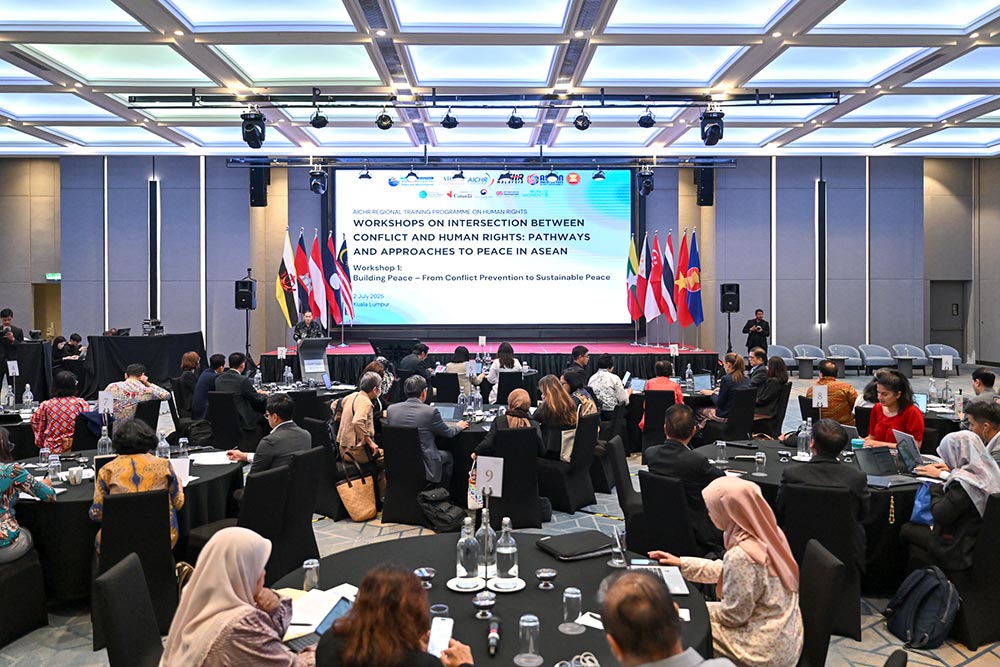
Today is the first of a six-part series, which focuses on building peace from conflict prevention to sustainable peace. It will serve as a foundation for AICHR’s broader initiative while also implementing the relevant action lines of the ASEAN Regional Plan of Action on Women, Peace and Security 2022.
Today, we hope to explore peace and peacebuilding theories and their application in past regional conflicts; examine a range of outcomes and lessons learned from various peace processes; identify factors on conflict prevention, resolution, and recovery sustaining lasting and sustainable peace; and map conflict dynamics, hotspots, and peace actors at local, national, and international levels.
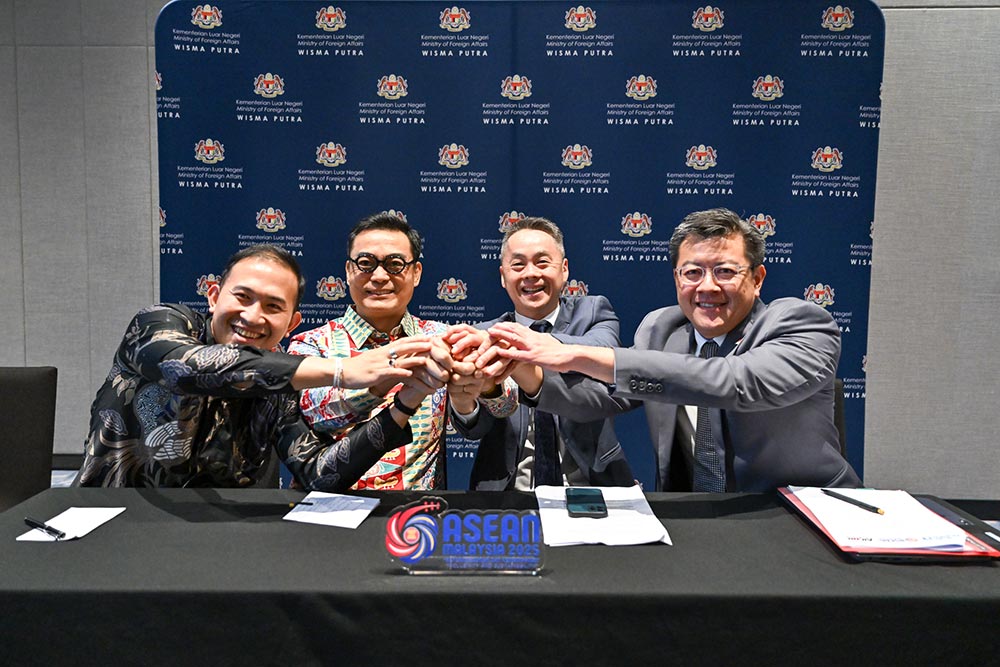
These workshops are led by Malaysia, with Thailand and Indonesia as co-proponents. I wish also to thank my colleagues at AICHR, particularly Representatives from Singapore, Lao PDR and Viet Nam, for their invaluable support.
Much appreciation to the team led by Malaysia’s AICHR Assistants — Toh Nyon Nyin, Nurul Aliaa Azman, Valen Khor, and Nurkamelia Ghazali — for putting together this programme, and the staff from the Ministry of Foreign Affairs of Malaysia for their invaluable support.
I look forward to the rich discussions, ideas and collaborative exchanges that will take place over the course of today’s programme, hoping that it will be the first step in laying the groundwork for an ASEAN peace framework rooted in human rights and built through regional ownership, partnership, and mutual trust.
Terima kasih.
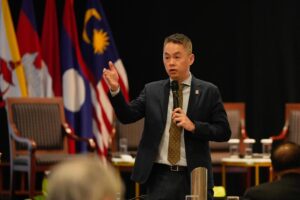
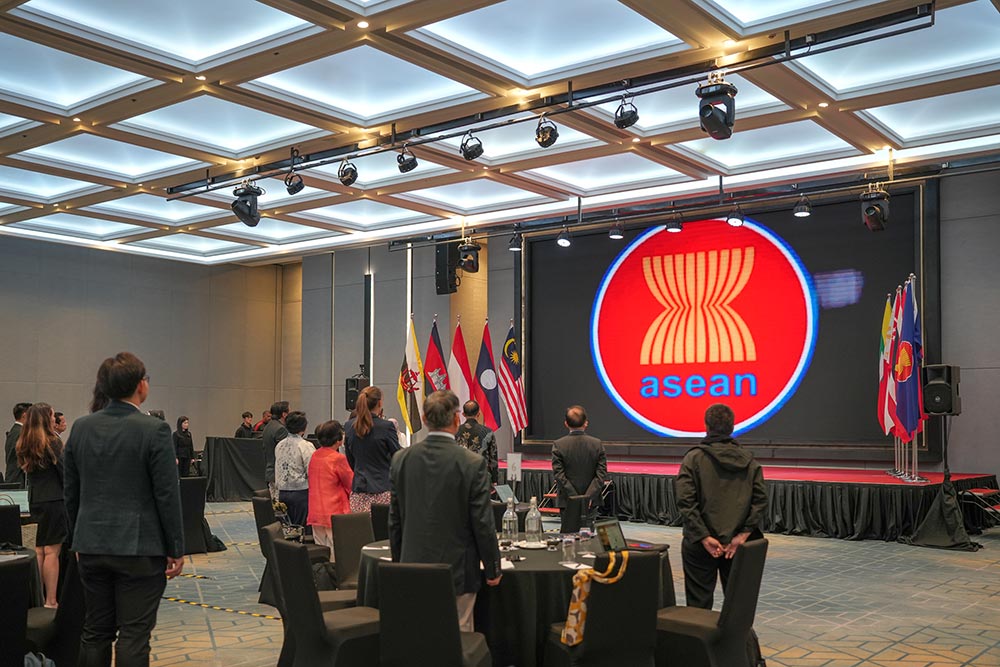
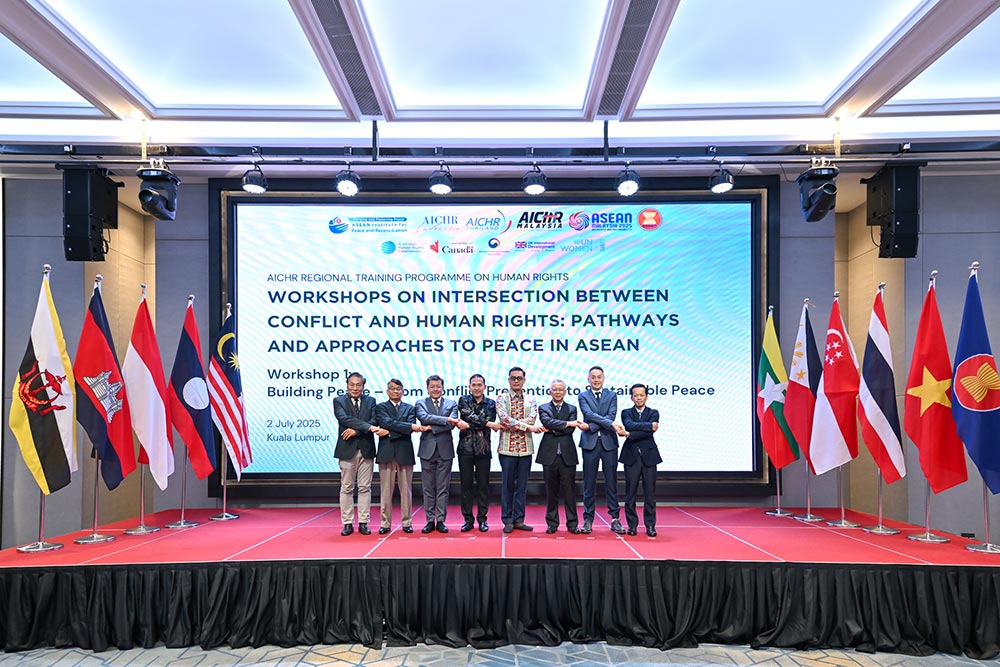
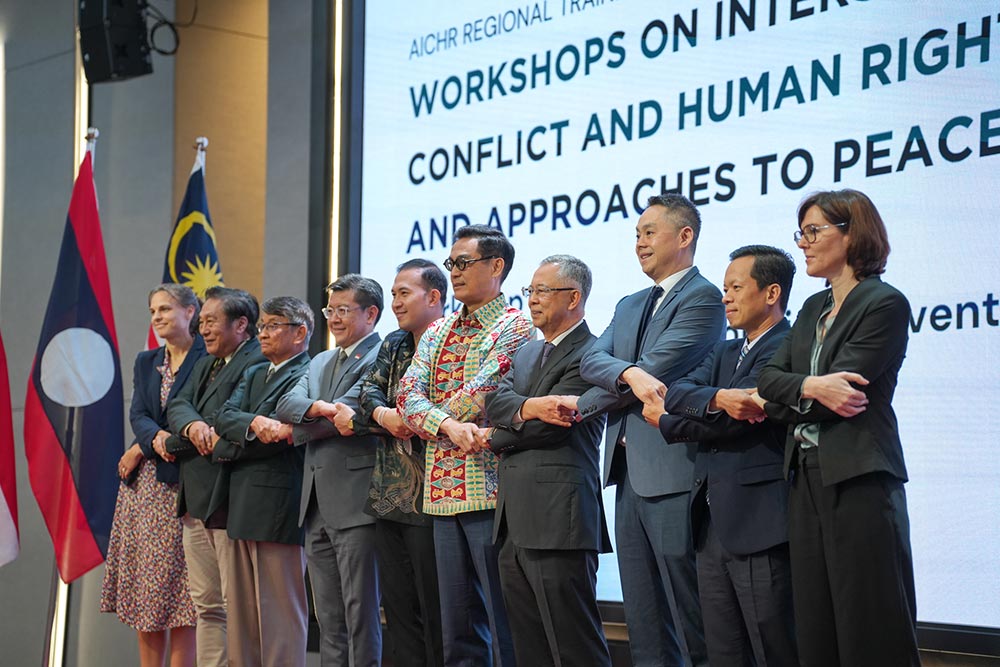
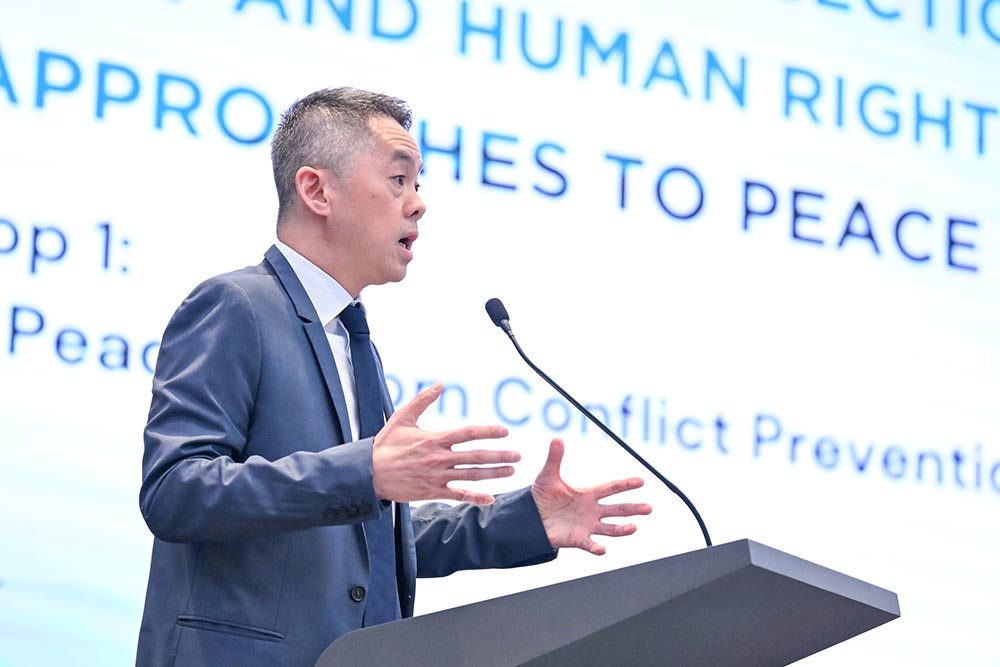
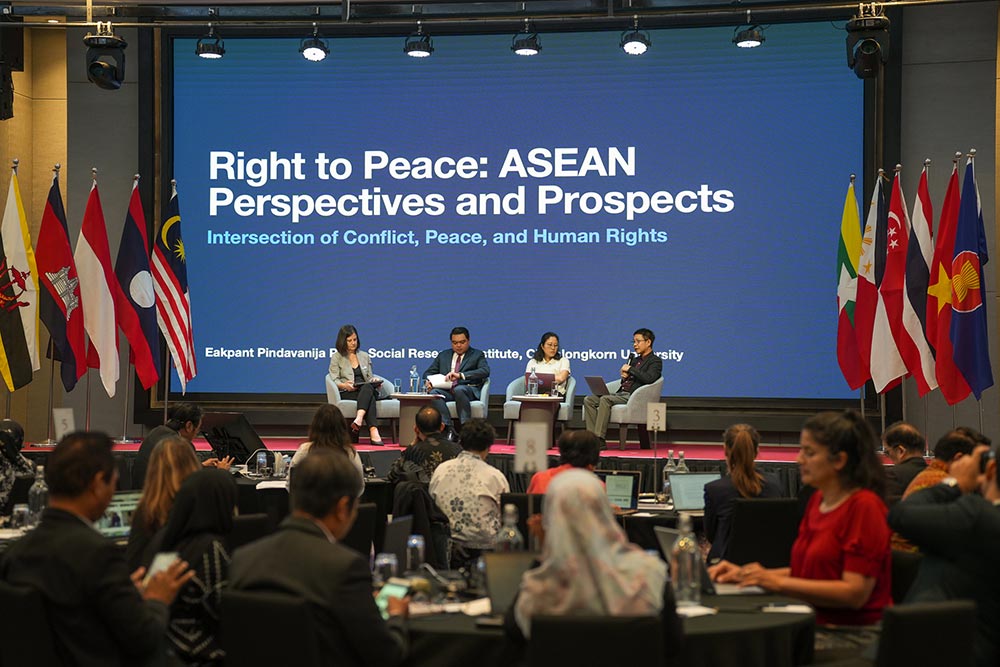
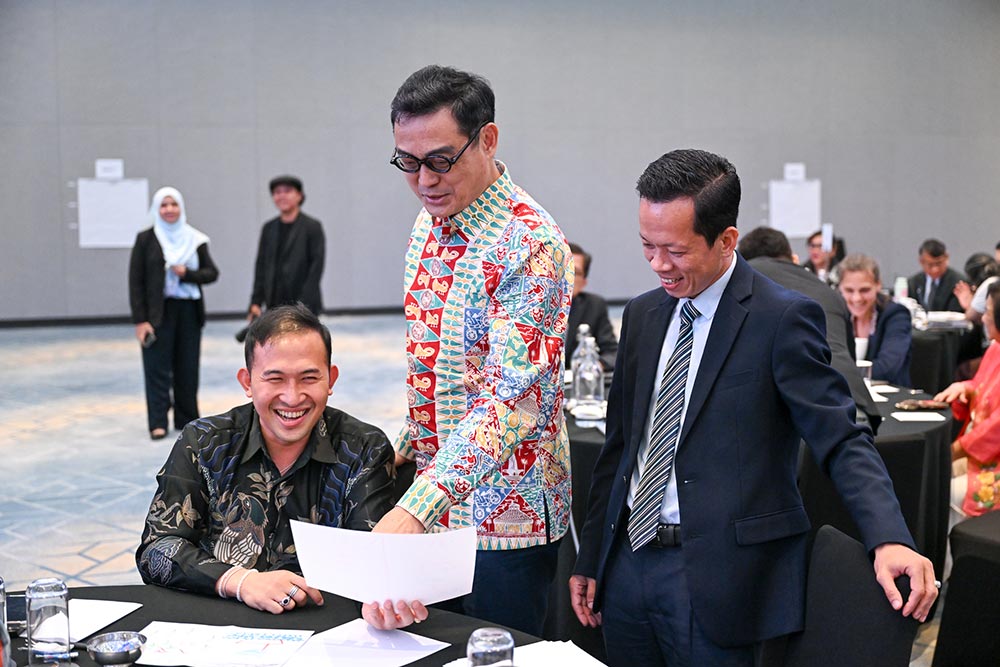
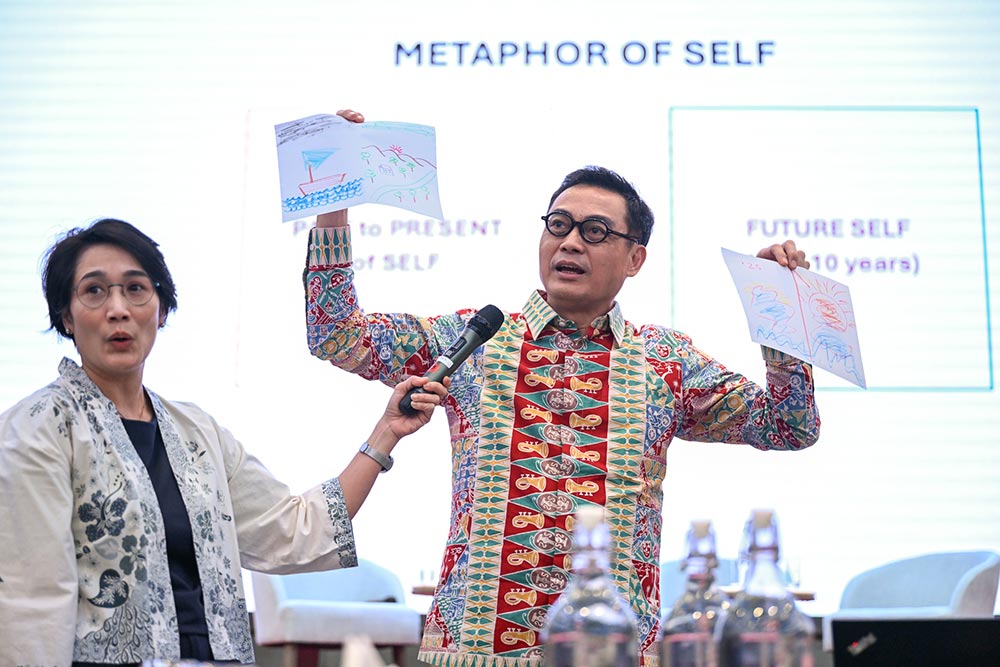
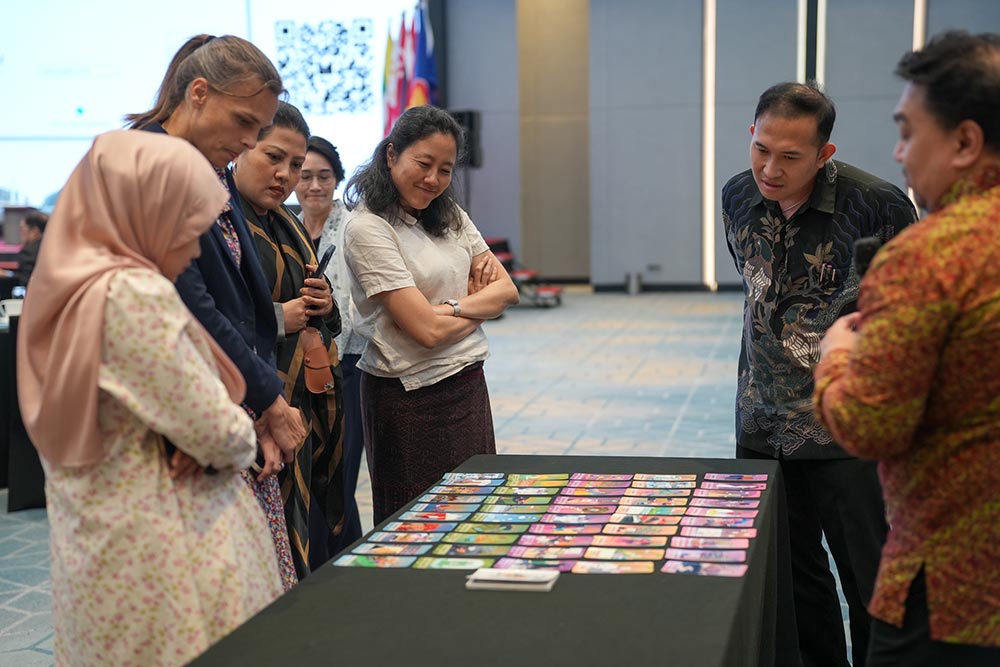
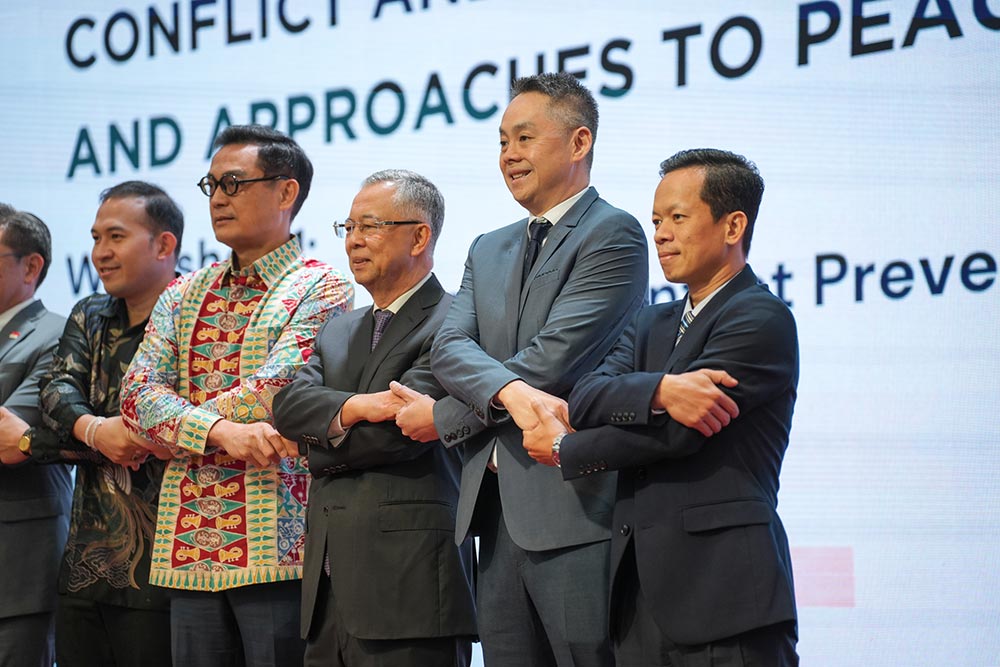
The speaking notes above were prepared for the opening remarks by Edmund Bon delivered at “Workshop 1: Building Peace — From Conflict Prevention to Sustainable Peace” held on 2 July 2025 in Kuala Lumpur, Malaysia. Read the summary report for the workshop here.