
The Southeast Asian region has long faced the interrelated challenges of irregular migration, human trafficking, and forced labour. Today, these issues are compounded by a deeply concerning rise in forced criminality. This evolving threat is particularly urgent for ASEAN Member States (AMS), where climate vulnerability, regional conflict, porous borders, and uneven governance have rendered migration pathways increasingly dangerous.
Digital platforms are now being exploited to deceive and entrap vulnerable individuals, turning them into victims of transnational cybercrime networks. This is no longer solely a labour rights concern — it has become a critical regional and global security issue. Perpetrators operate fluidly across jurisdictions, taking advantage of legal fragmentation, limited resources, and insufficient cross-border coordination, often with impunity.
In response, AMS, including Malaysia, have undertaken numerous rescue and repatriation operations, frequently in cooperation with international organisations and law enforcement counterparts. Malaysia continues to play an active role in ASEAN’s collective efforts to dismantle transnational trafficking networks, with particular emphasis on combatting the phenomenon of forced scamming. Key pillars of regional collaboration include intelligence sharing and joint operations; harmonisation of legal frameworks; timely rescue and repatriation initiatives; targeted prosecutions and deterrence measures; progressive policy development; enhanced cross-border law enforcement cooperation; and public-private partnerships to disrupt criminal networks.
Malaysia also contributes to regional victim assistance programmes, which are vital to restoring dignity and agency to survivors. These include victim identification and protection protocols; regional repatriation and reintegration support; and legal and psychosocial rehabilitation services.
A coordinated ASEAN approach to forced labour and forced criminality is essential. This includes strengthening mechanisms for the accurate identification of victims; establishing robust monitoring and feedback processes focused on evaluating national efforts in victim protection; and upholding the non-punishment principle by ensuring individuals coerced into criminal acts are recognised as victims rather than prosecuted as offenders.
On the situation in Myanmar, Malaysia welcomes recent statements from conflicting parties in Myanmar regarding the extension of their temporary ceasefires. These declarations offer a valuable opportunity for dialogue toward genuine and durable peace, consistent with the Five-Point Consensus (5PC). However, reports of ongoing armed violence, resulting in civilian casualties, remain deeply troubling. Malaysia reiterates its call for an immediate cessation of hostilities and urges all parties to pursue concrete pathways to de-escalation and reconciliation.
Key priorities include the following:
1. Immediate suspension of airstrikes, as civilian populations already burdened by natural disasters must not be subjected to further trauma from aerial attacks. Continued military aggression during post-disaster recovery prolongs suffering and obstructs rebuilding.
2. Provision of comprehensive, coordinated relief, and not fragmented aid.
ASEAN and neighbouring states must move beyond piecemeal assistance and support an integrated, cross-border recovery strategy. Gaps in essential services — shelter, healthcare, education, livelihoods, and protection — are most pronounced in conflict-affected and remote areas. A successful response must be inclusive, needs-based, and locally led, with ASEAN playing a key role in fostering joint regional efforts. Investing in a coordinated recovery plan rooted in solidarity and sustainability is imperative.
3. Enhanced regional collaboration for infrastructure rebuilding.
The scale of destruction in Myanmar requires substantial resources and collective commitment. Clearing debris, restoring critical infrastructure, and rebuilding communities cannot be managed by any one country alone. ASEAN, alongside regional partners, must mobilise financial and logistical support to ensure equitable recovery and help prevent future instability.
In conclusion, ASEAN’s response to the interconnected challenges I mentioned must be principled, coordinated, and forward-looking. From protecting victims of forced migration and criminality to supporting sustainable peace in Myanmar, the region must act decisively and collectively — grounded in solidarity, human rights, human dignity, and the rule of law.
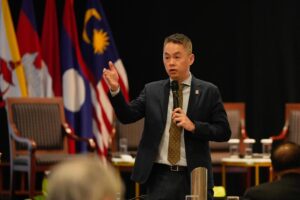
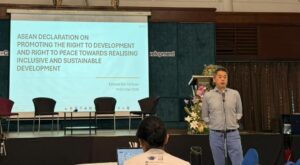
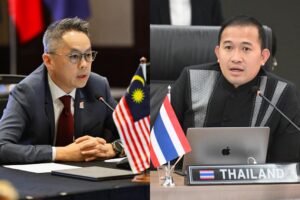
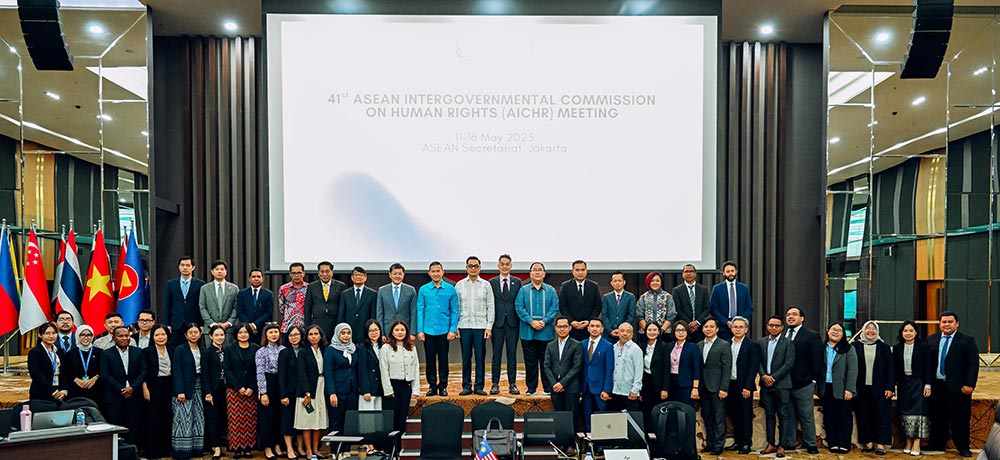
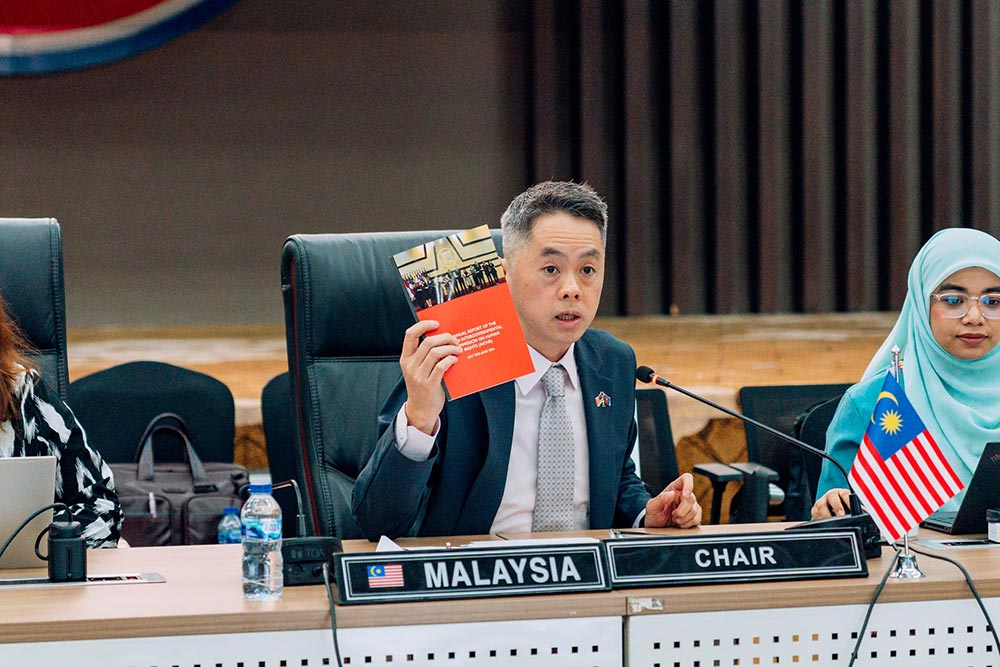
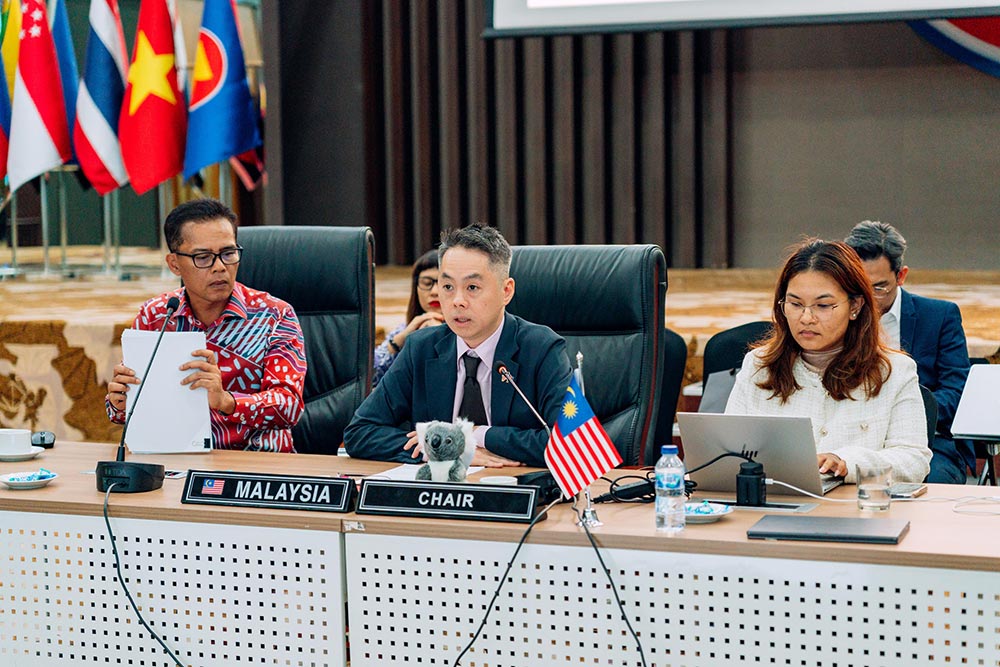
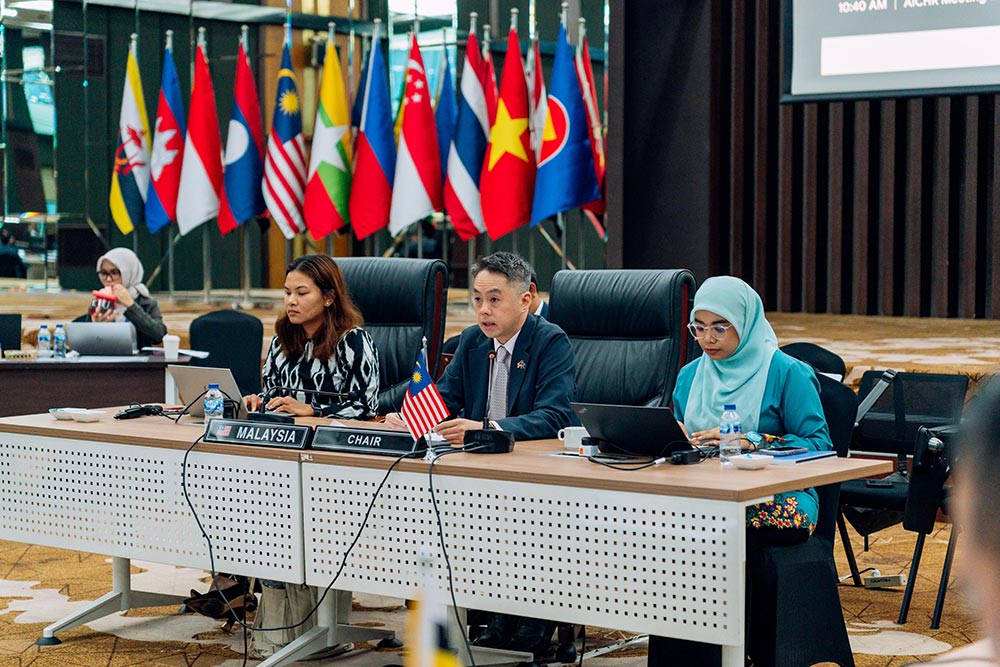
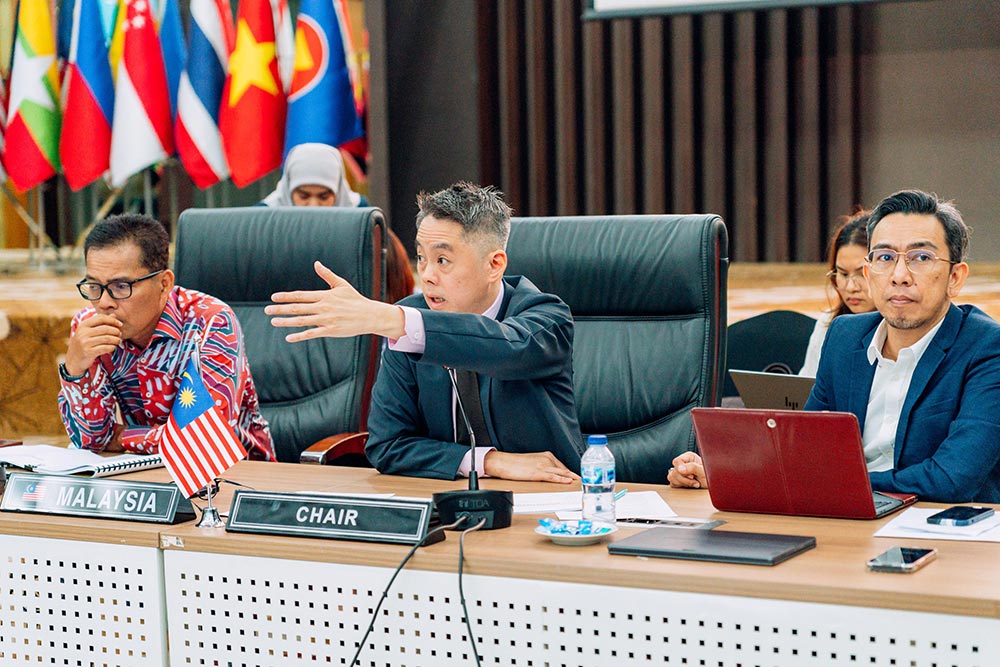
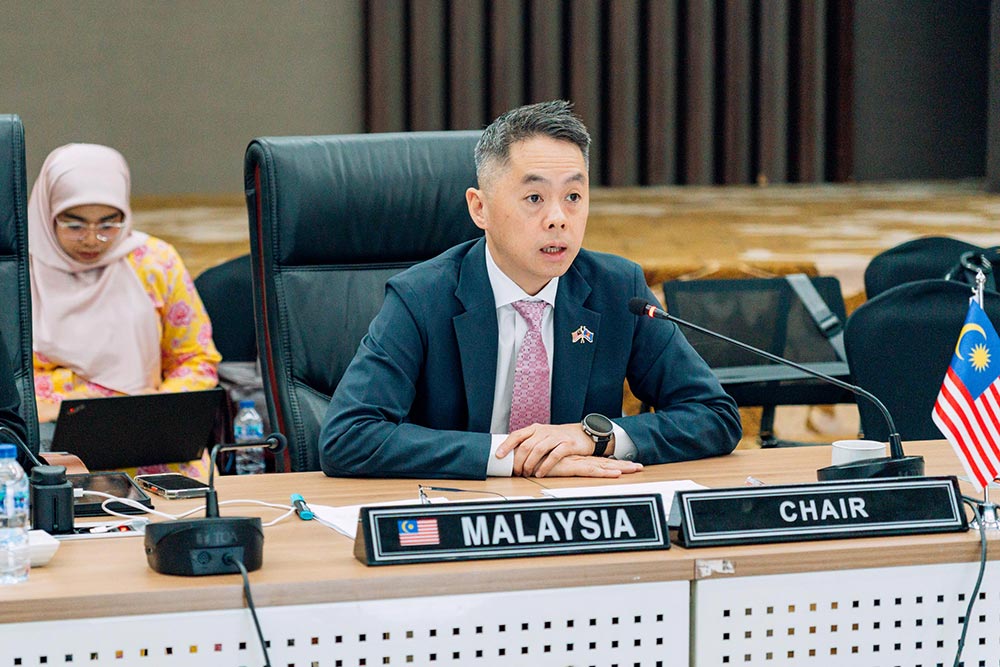
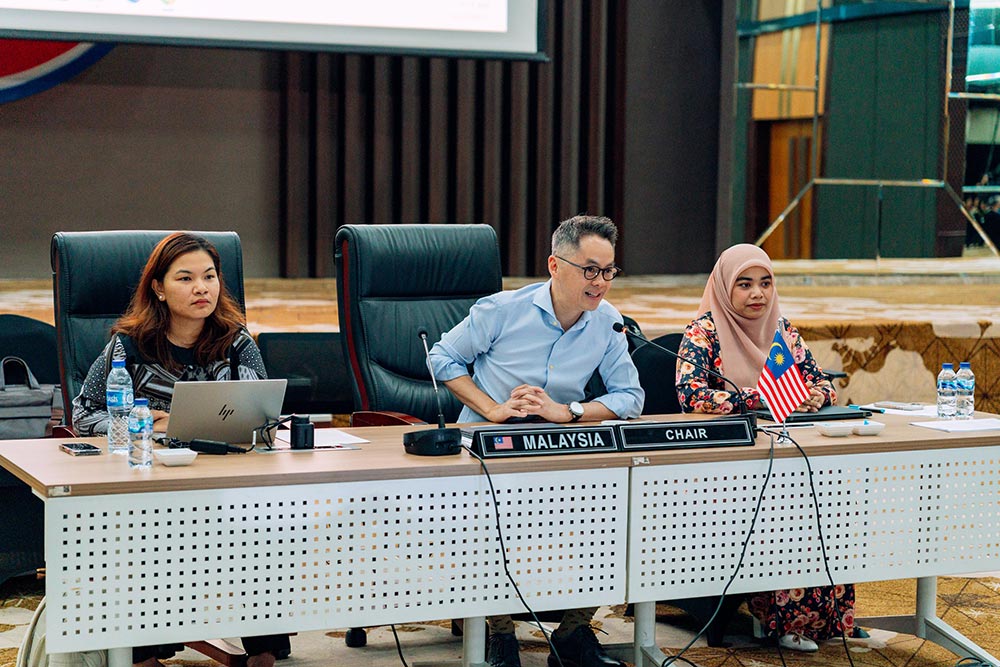
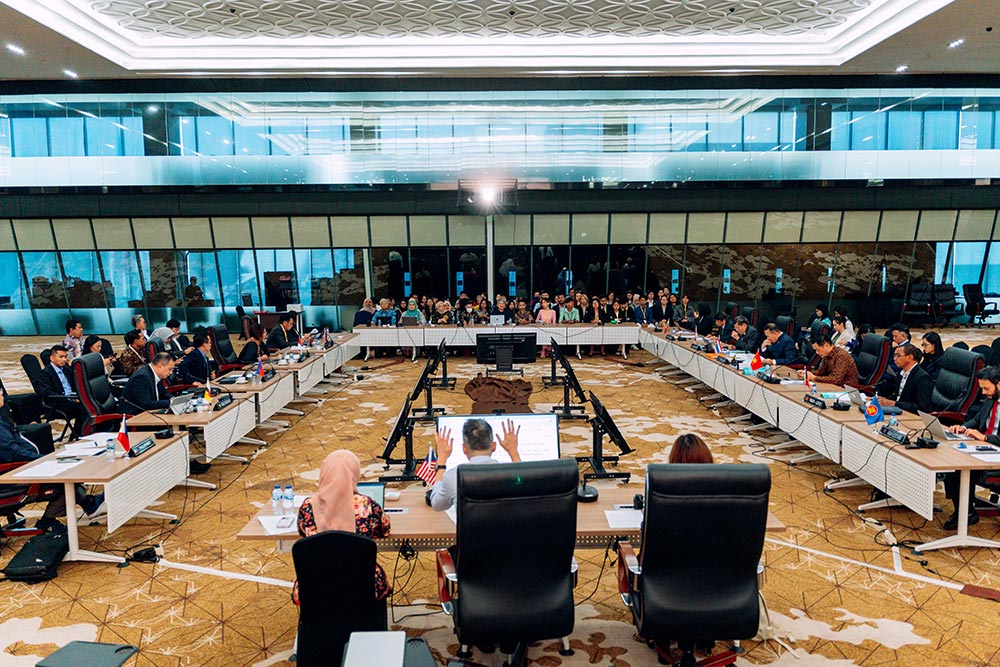
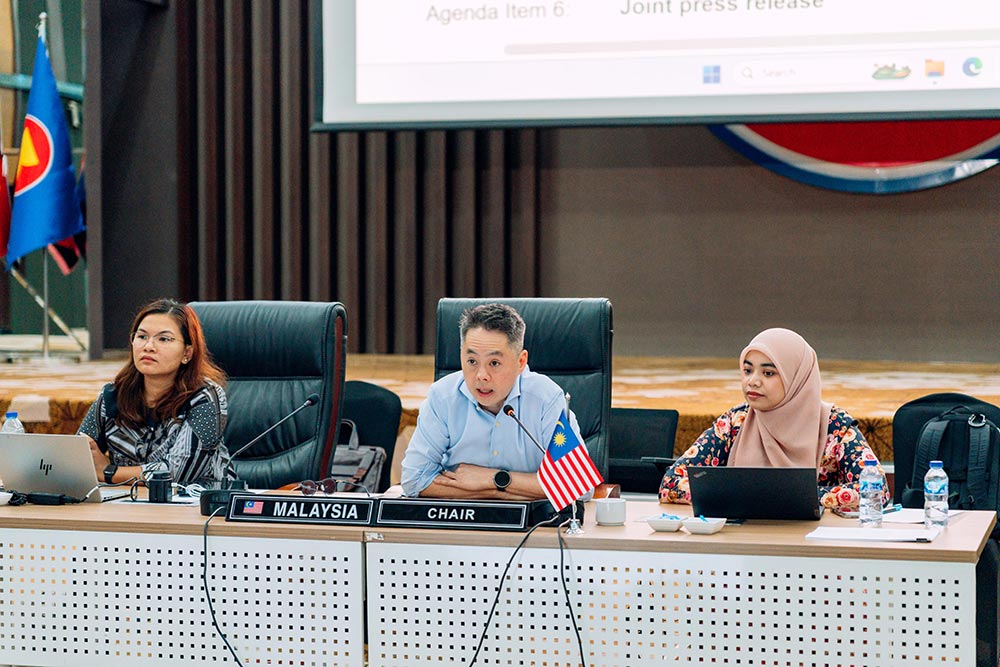
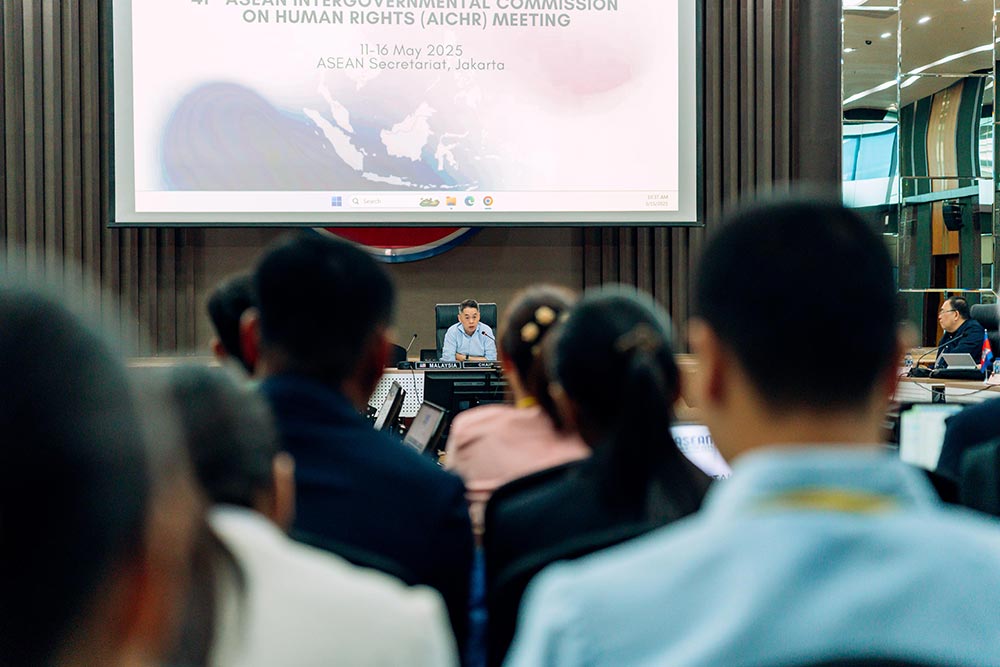
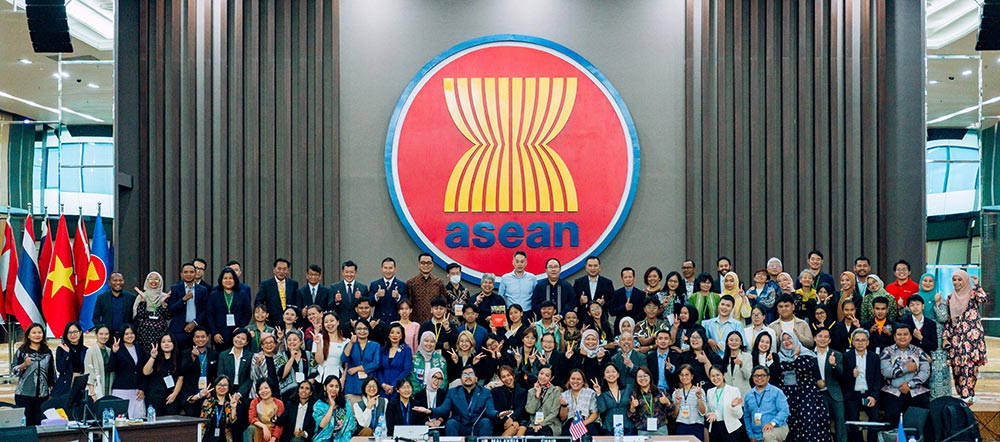
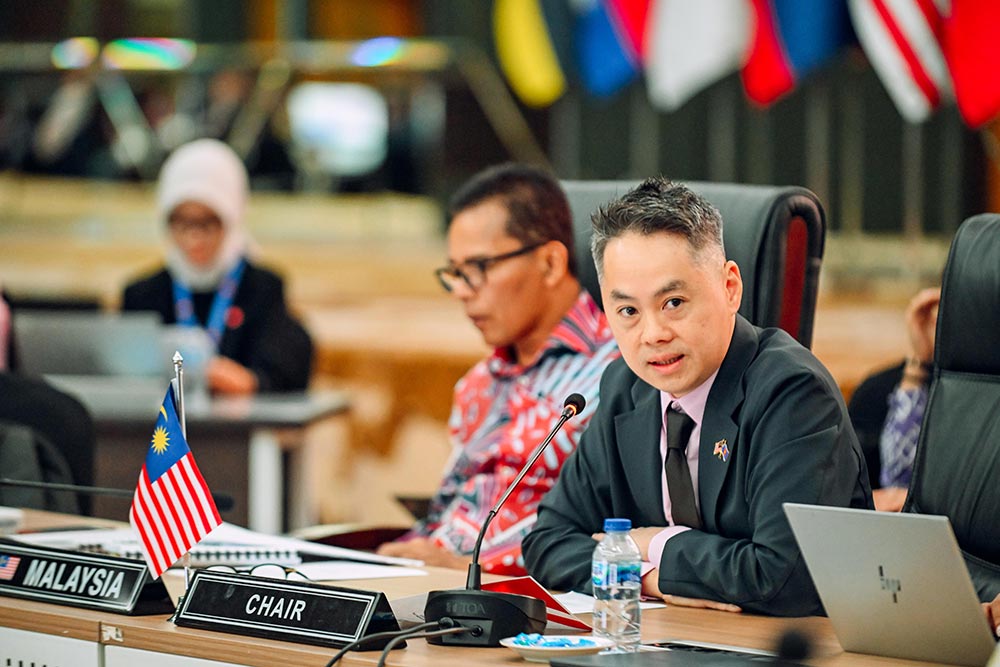
This statement was delivered to the ASEAN Intergovernmental Commission on Human Rights (AICHR) on Agenda Item No. 14.1 on Recent Developments in ASEAN on 15 May 2025, at the 41st Meeting of AICHR held in Jakarta, Indonesia from 12 to 16 May 2025. The press release on the 41st Meeting can be accessed here.