
YBhg Dato’ Suhaimi Jaafar, Undersecretary (Special Functions), High-Level Task Force on ASEAN Community’s Post-2025 Vision,
Professor Dr Surya Deva, United Nations Special Rapporteur on the Right to Development,
Ms Joanna Mansfield, Team Leader, International Engagement, Australian Human Rights Commission (AHRC),
Excellencies, distinguished participants, ladies and gentlemen.
Salam sejahtera. Good morning and a very warm welcome to all of you.
The ASEAN Human Rights Declaration 2012 (AHRD) has been criticised for falling below international standards in several aspects. Those criticisms can be left for another day. The more important point on this I make today is that throughout the drafting process of the AHRD, there was little dispute that the right to development had to be included in the AHRD. The principle of having the right to development was not contested in itself — ASEAN member states generally agreed it should be recognised. The more difficult question was about how expansive, detailed, and politically sensitive its framing should be. Articles 35, 36 and 37 now reflect the common position of Association of Southeast Asian Nations (ASEAN) on the right.
The early drafts of the AHRD contained the right to development and this was supported by representatives from the Philippines, Indonesia, and Thailand in line with the goal of creating a political document that added value to the universal standards of human rights. The position was reinforced by civil society organisations which also pushed for the inclusion of the right to development in the AHRD.
The right to development, the right to peace in Article 38 and the right to a safe, clean, and sustainable environment in Article 28f have been touted as the three “add-value” rights that distinguish the AHRD from the Universal Declaration of Human Rights 1948. These rights reflect the unique regional context and priorities of ASEAN nations, emphasising the interdependence of peace, development, and environmental sustainability in the promotion and protection of human rights.
Incidentally, some 13 years after the AHRD was adopted, the AICHR in 2025 is pursuing the adoption of two separate declarations related to these three “add-value” rights.
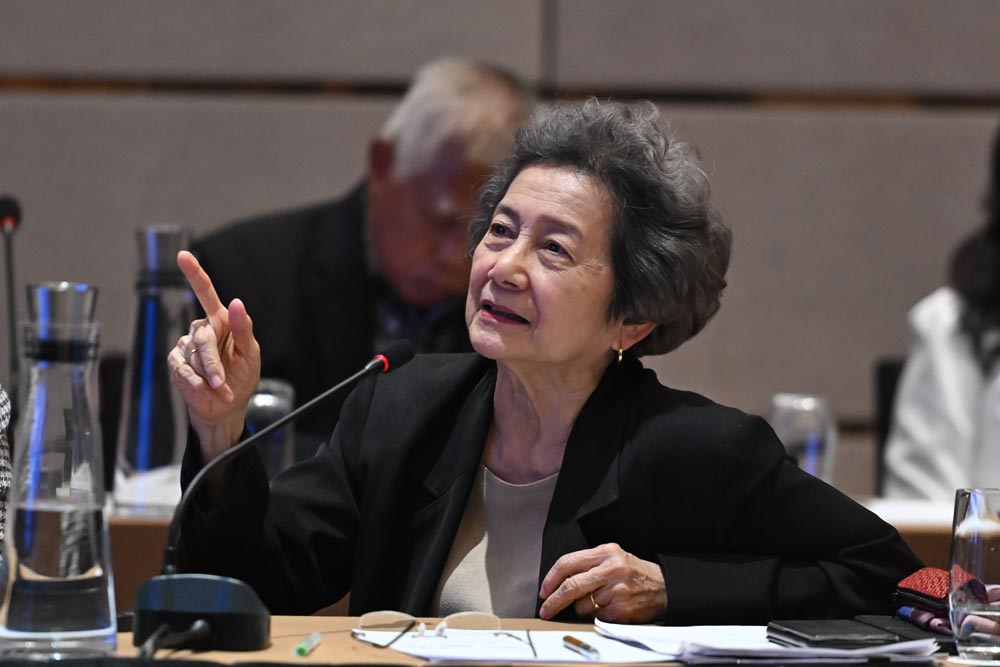
As many of you know, the environmental rights declaration has been an on-going project for two years now. It was led by the former AICHR Thailand representative, Professor Amara Pongsapich who is here today. The proposed declaration is tentatively titled “ASEAN Declaration on the Right to a Safe, Clean, Healthy and Sustainable Environment”.
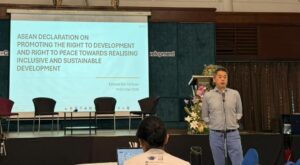
On the former, Malaysia as the AICHR Chair this year proposed a declaration now tentatively titled “ASEAN Declaration on Promoting the Right to Development and Peace Towards Realising Inclusive and Sustainable Development”. It links both the right to development and the right to peace with inclusive and sustainable growth and development. At the end of today’s consultation, we hope to hear from you on the proposed Declaration.
Both the declarations will give flesh to the bones of Articles 35 to 38 and 28f of the AHRD. The AICHR hopes that both proposed declarations can be finalised this year, and regional plans of action may be negotiated for implementation.
Returning to the AHRD deliberations on the right to development, two distinct schools of thought then emerged. On one side, some countries sought to closely tie development rights to state sovereignty and to resist external pressures, particularly regarding the use of aid conditionalities. On the other, a more balanced perspective was advanced, supporting development as a right while firmly anchoring it within universal human rights standards. They saw the right to development as empowerment.
Although there was clear sensitivity about human rights being used as a means of external interference — which initially led to the inclusion of strong anti-conditionality language — that language was ultimately removed from the final text. In fact, the final line of Article 35 states as follows: “While development facilitates and is necessary for the enjoyment of all human rights, the lack of development may not be invoked to justify the violations of internationally recognised human rights”.
In 2019, AICHR convened the first regional consultation on the right to development from 11 to 12 November in Jakarta, Indonesia. The meeting introduced the different aspects of the right, debated the origins of the right and took stock of ASEAN’s progress in realising the right. There were several different approaches to the right to development presented then: one, the human rights approach, two, the development approach, three, the people approach and four, the State approach.
Key recommendations from the consultation included monitoring and reporting on the implementation of the right to development, addressing emerging threats such as inequality and cross-border issues, gathering data across ASEAN to shape policies, providing a platform for grievances, and working with the private sector and the ASEAN Business Advisory Council (ABAC) to mainstream human rights in business.
The rich discussions at the first consultation patterned the debates AICHR faced during the AHRD negotiations. Malaysia has thus convened this second consultation aiming not only to deepen ASEAN’s understanding of how to operationalise the right to development as a priority, but also to provide a platform for forging a common ASEAN position on the right.
Development has always been a central theme in ASEAN. Its importance becomes even more profound when linked to the pursuit of peace. The peace we seek to achieve is not merely negative peace — the absence of conflict — but also positive peace, which means building the conditions for justice, equality, and lasting harmony. Positive peace requires addressing the root causes of conflict, ensuring inclusive and sustainable development, protecting human rights, and fostering societies where every individual can thrive with dignity and security.
Today, ASEAN stands proudly as the world’s fifth-largest market with the third-largest labour force. By 2030, ASEAN is projected to become the fourth-largest economy globally.
Yet, being an economic powerhouse is not an end by itself. The true measure of ASEAN’s success lies in how it uplifts lives — by securing basic human rights and necessities, creating equal opportunities, and ensuring that development is inclusive and sustainable in both process and outcome.
At the same time, ASEAN continues to navigate a complex and evolving security landscape — from geopolitical and geo-economic tensions, internal conflicts and territorial disputes to transnational organised crime, climate change, and most recently, the devastating earthquake that struck Myanmar and Thailand. These challenges pose persistent threats to human rights across the region.
While efforts to promote peacebuilding, preventive diplomacy, and community resilience are on-going, economic disparities and differing political systems within ASEAN continue to pose significant hurdles.
As a result, segments of our society remain vulnerable and marginalised. Their voices are often excluded from decision-making processes on issues that directly impact their lives. Consequently, they are unable to fully participate in, or benefit from, the development and peace processes in our region.
Development must be people-centred. To truly realise the right to development, we must embrace a comprehensive approach — one that continually advances well-being and ensures free, meaningful, and inclusive participation.
Hence, Malaysia’s ASEAN theme of “Inclusivity and Sustainability” this year.
To borrow the words of the Malaysian Prime Minister, YAB Dato’ Seri Anwar Ibrahim, at the Khazanah Megatrends Forum on 7 October 2024: “Our development pathway must be forward-looking, and our solutions must serve the wellbeing of the rakyat, addressing inequality, and cultivating a mindset of shared responsibility and innovation”.
To conclude, I encourage an open, robust and constructive dialogue always held in a spirit of mutual respect and friendship.
On behalf of AICHR Malaysia, I extend my gratitude to each of you for taking the time to join us today, whether in person or virtually. I am also deeply grateful to Australia for its generous support, which has been instrumental in making this initiative a reality.
Finally, I thank the organising team led by Dr. Andika Ab. Wahab, together with Puan Nurul Aliaa Azman, Puan Raja Intan Nor Zareen, Puan Nurkamelia Ghazali, and the support staff from the Ministry of Foreign Affairs of Malaysia.
I look forward to a productive and enriching consultation.
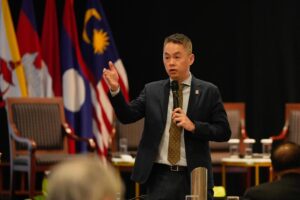
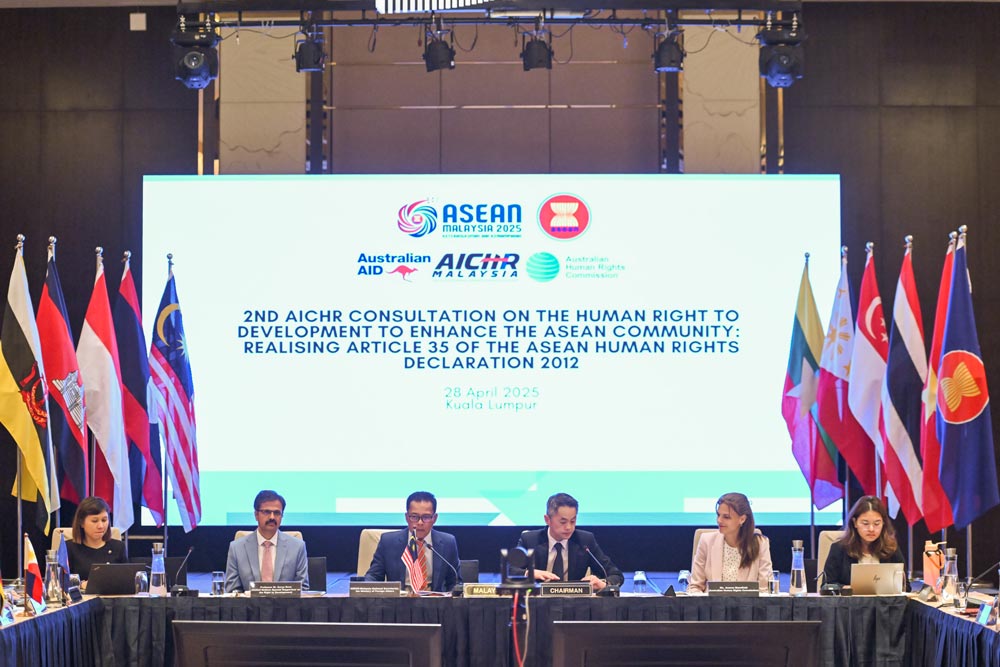
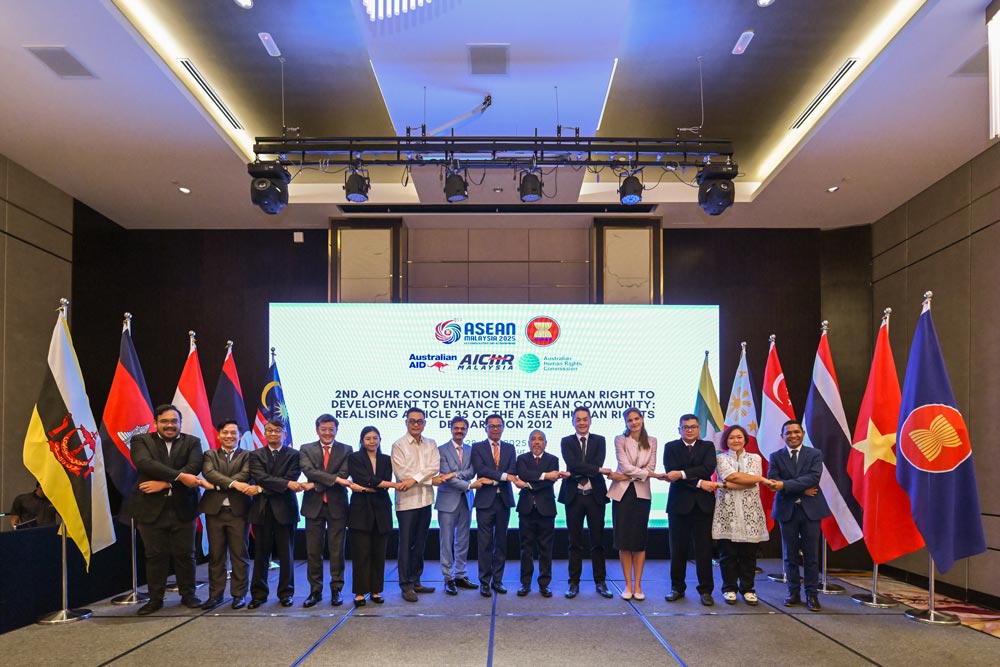
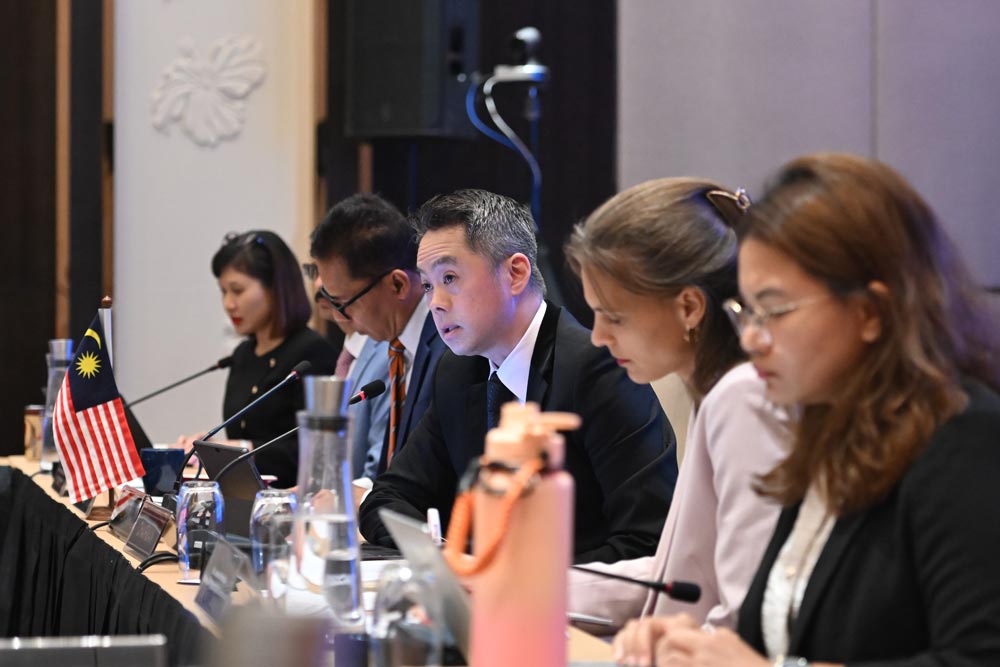
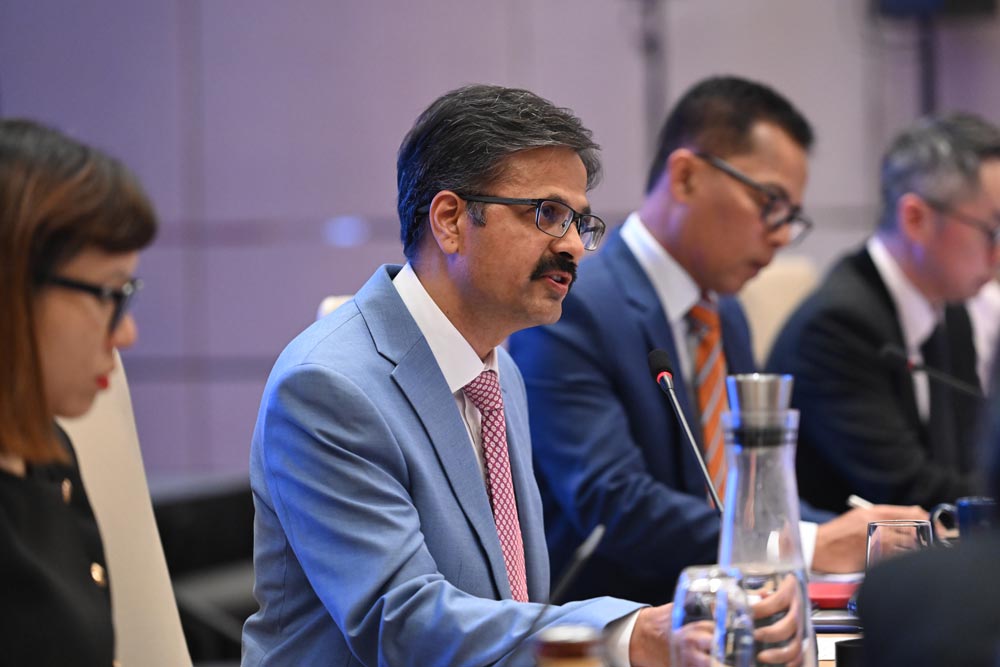
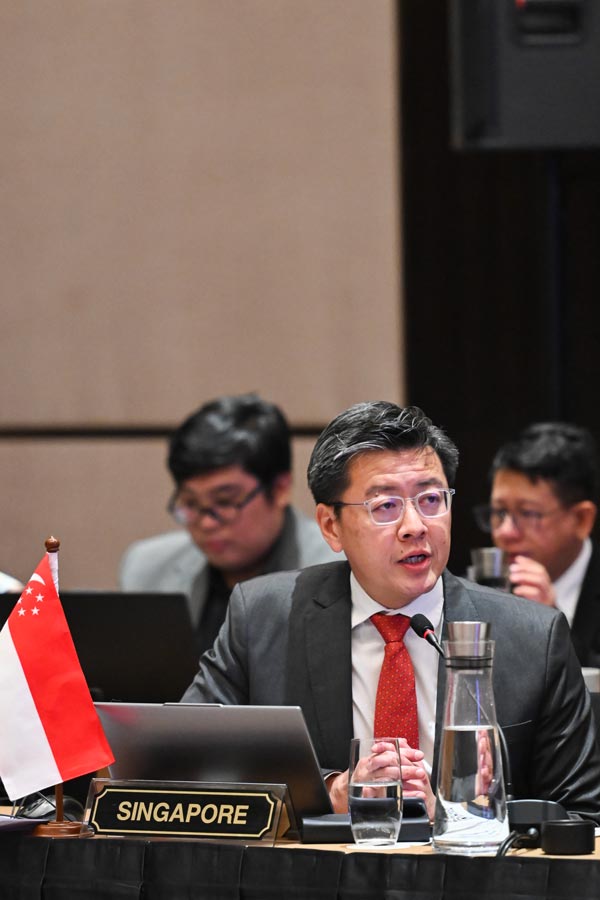
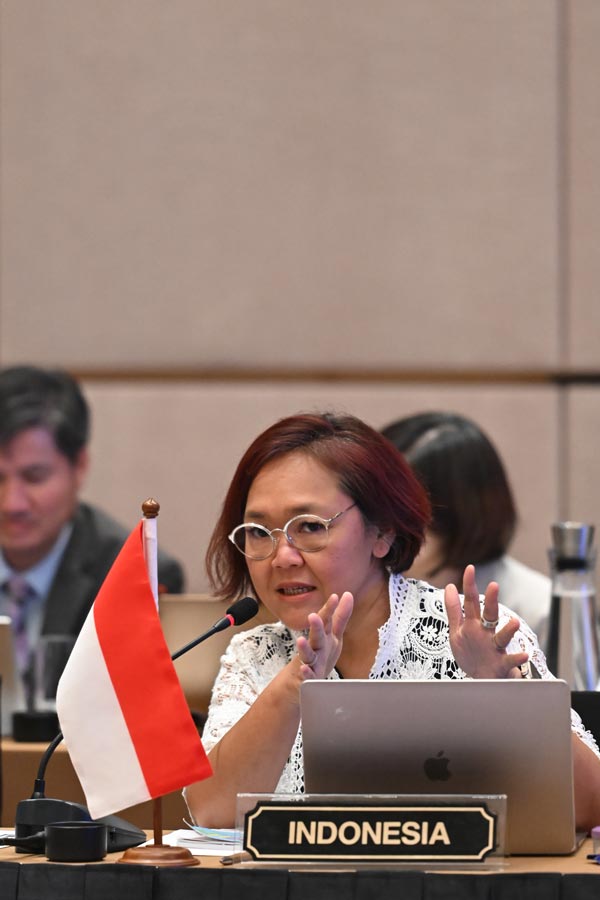
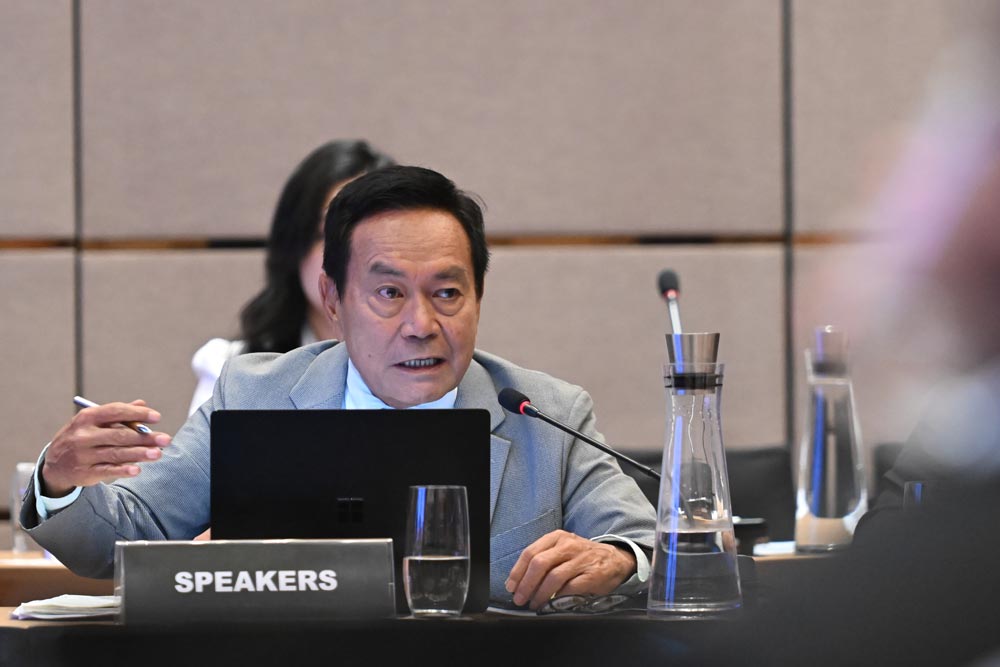
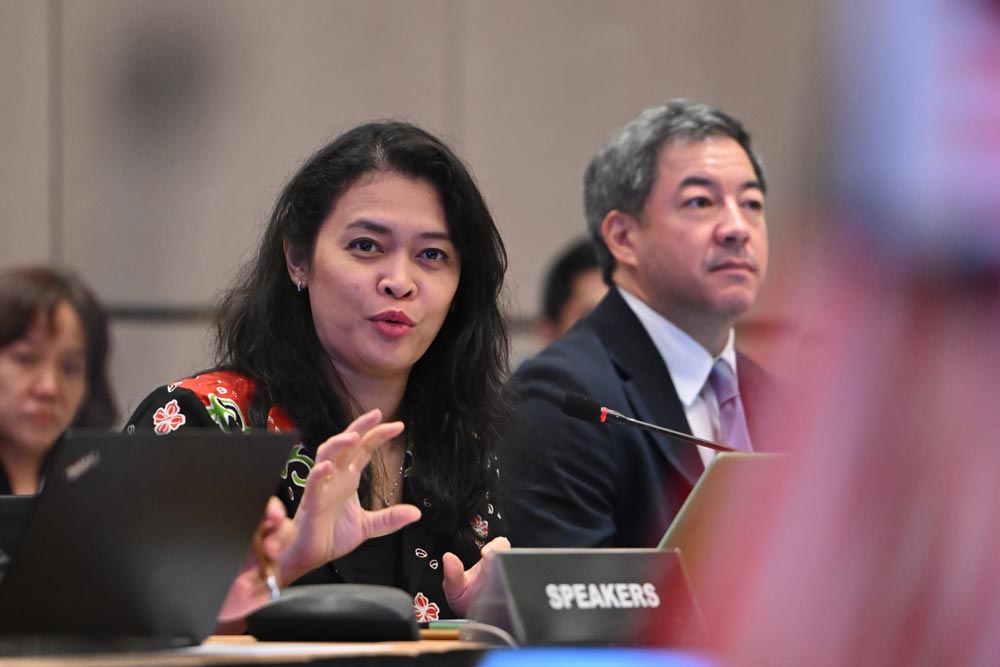
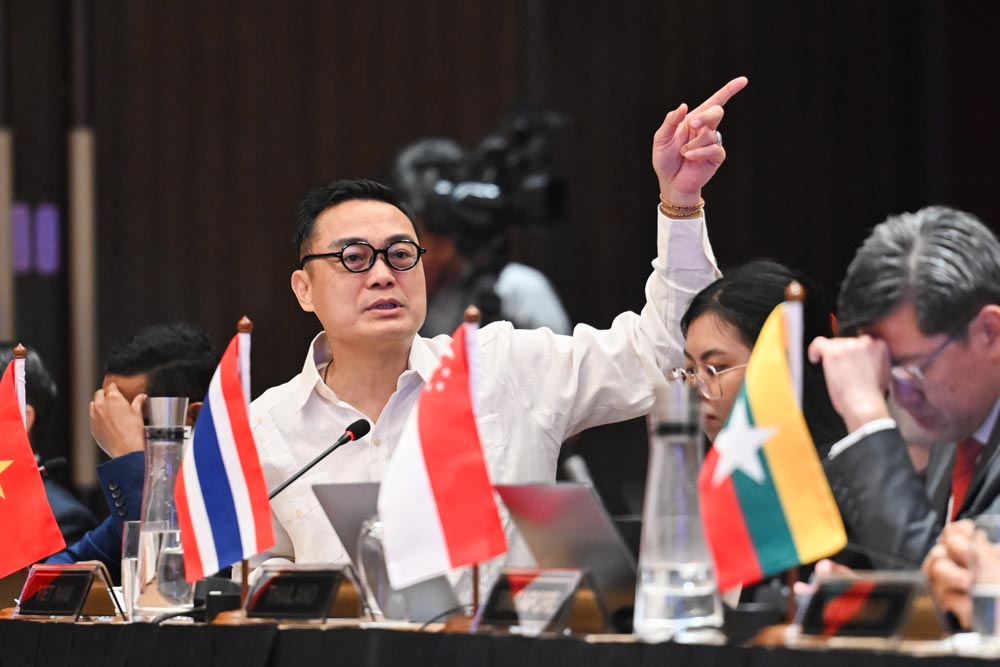
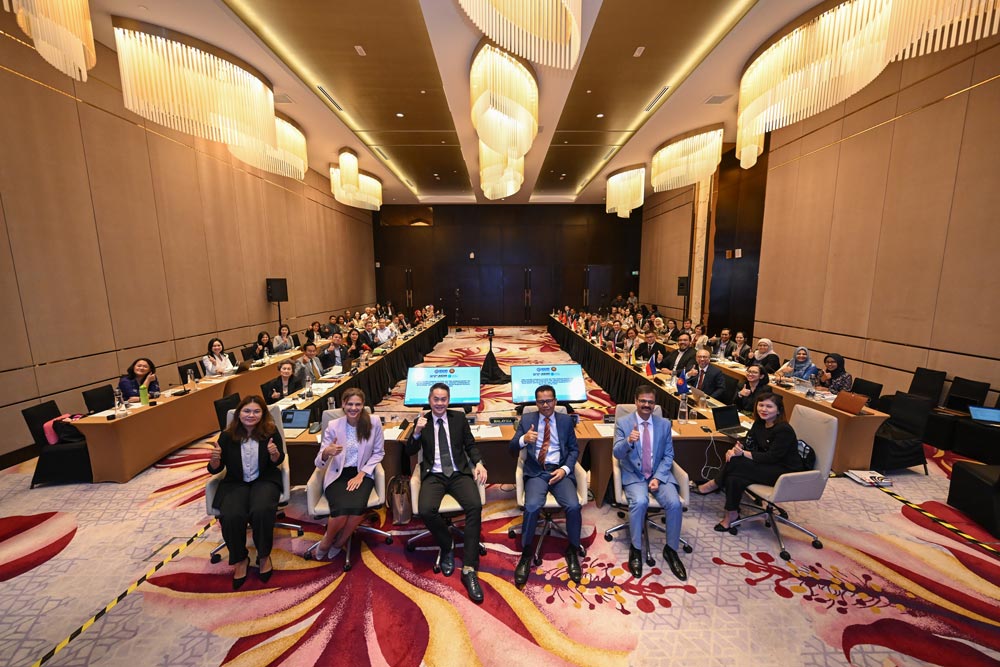
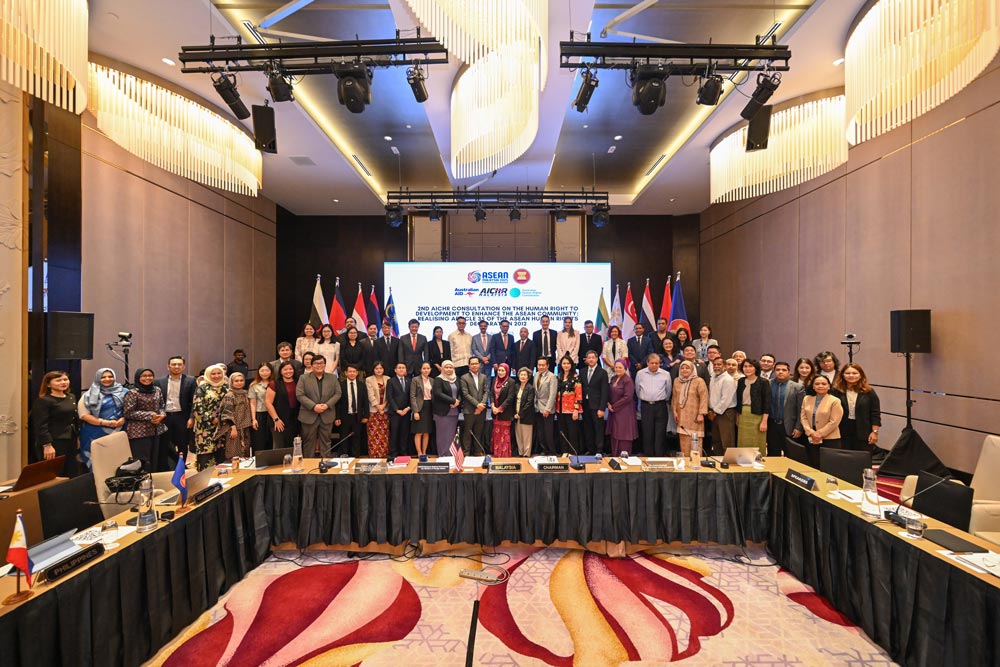
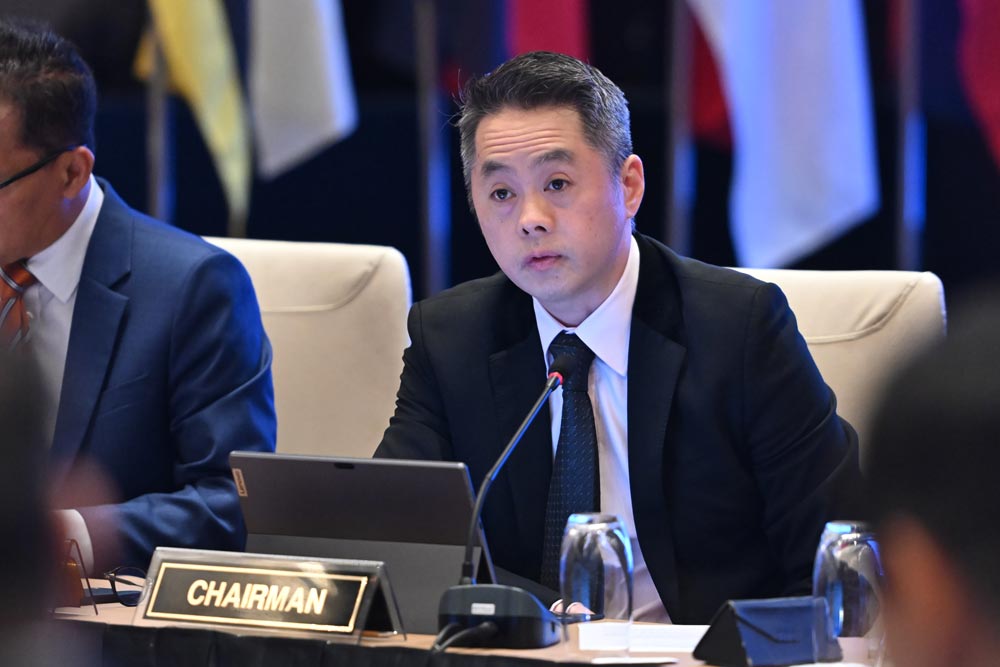
These opening remarks were delivered on 28 April 2025, at the 2nd AICHR Consultation on the Human Right to Development to Enhance the ASEAN Community: Realising Article 35 of the ASEAN Human Rights Declaration 2012 held in Kuala Lumpur, Malaysia. Read the summary report for the consultation here.