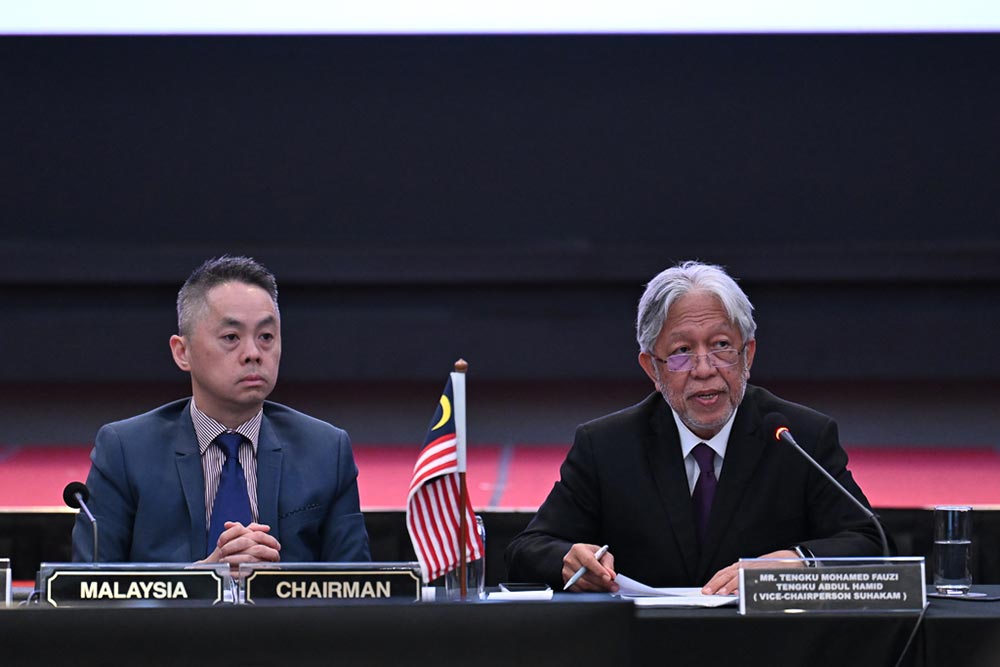

Yang Mulia Tengku Mohamed Fauzi Tengku Abdul Hamid, Vice-Chairperson of the Human Rights Commission of Malaysia (SUHAKAM),
Dr Pichamon Yeophantong, Chairperson of the United Nations Working Group on Business and Human Rights,
Kotaro Ohno, President of the International Civil and Commercial Law Centre (ICCLC) Japan,
Dr Punitha Silivarajoo, Deputy Director General for Policy and Development of the Legal Affairs Division, Prime Minister’s Department, Malaysia,
Dr Sugumari S. Shanmugam, Senior Director, ASEAN Economic Integration Division of the Ministry of Investment, Trade and Industry (MITI) Malaysia and on behalf of the Senior Economic Officials Meeting (SEOM),
Representative of the Ministry of Women, Family and Community Development (MWFCD),
Representative of the Ministry of Human Resources (MOHR) and on behalf of the Senior Labour Officials Meeting (SLOM),
Excellencies, distinguished guests, ladies and gentlemen.
Salam sejahtera and good morning.
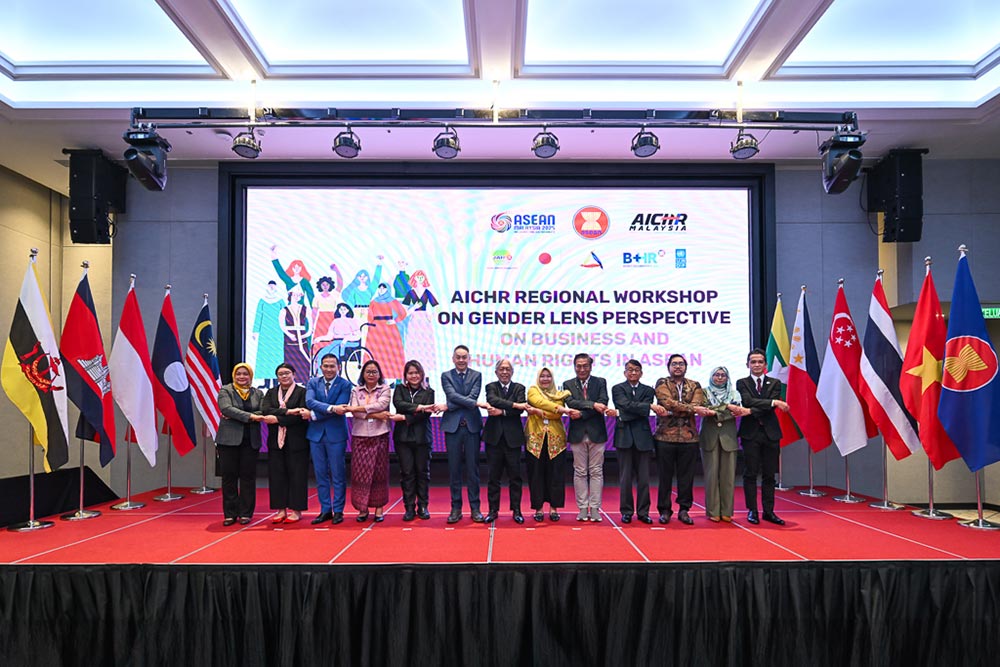
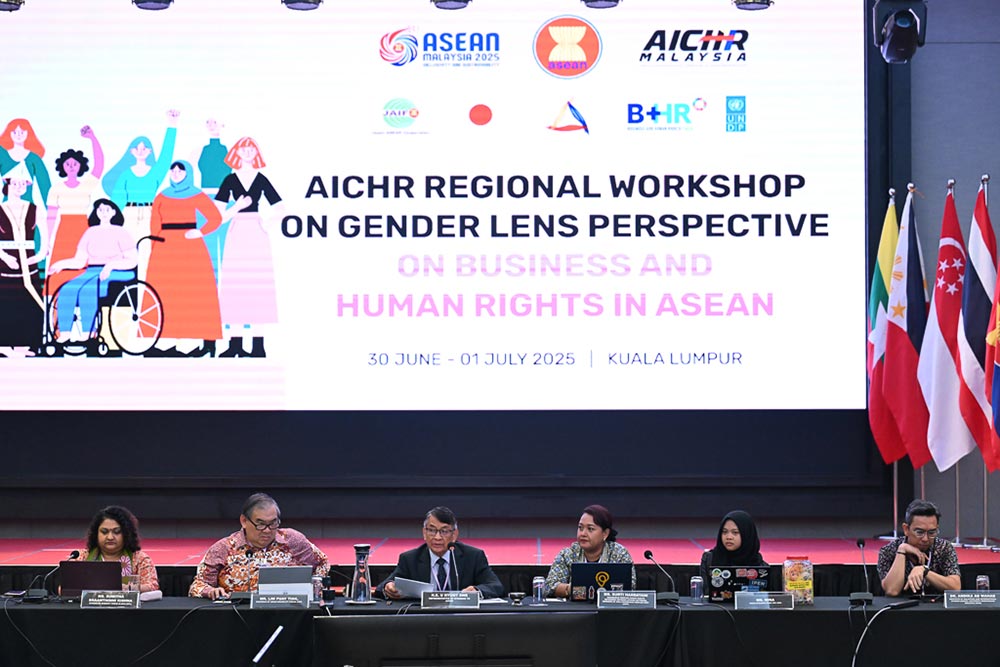
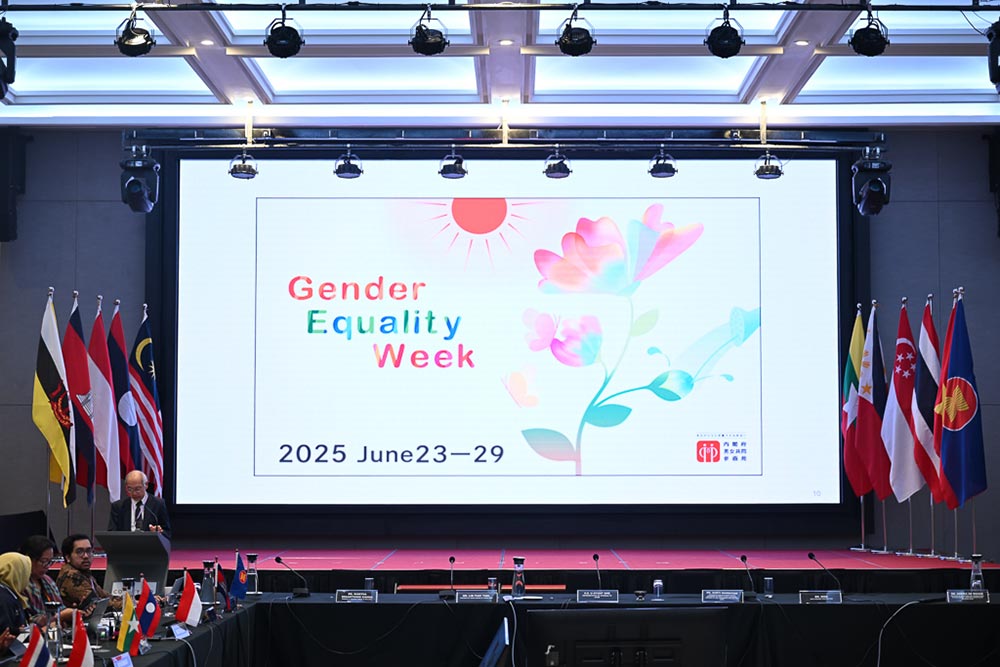
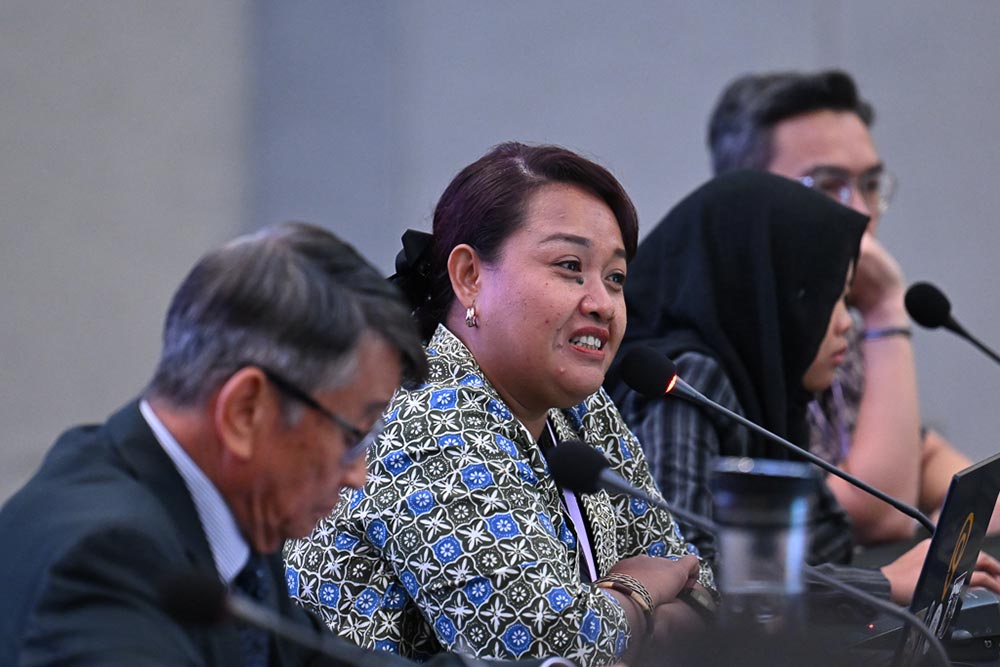
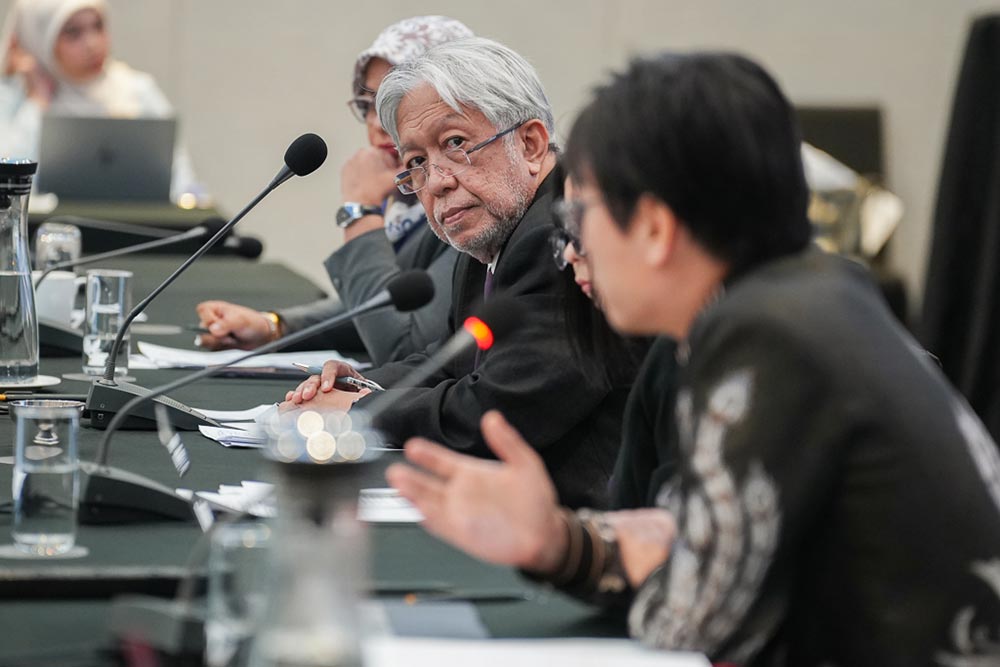
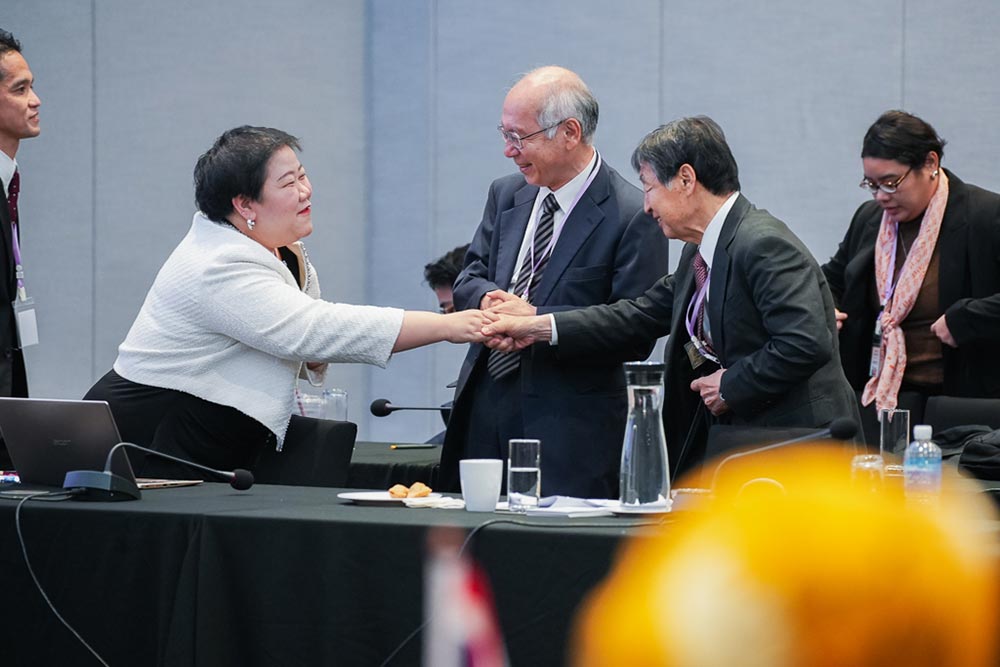
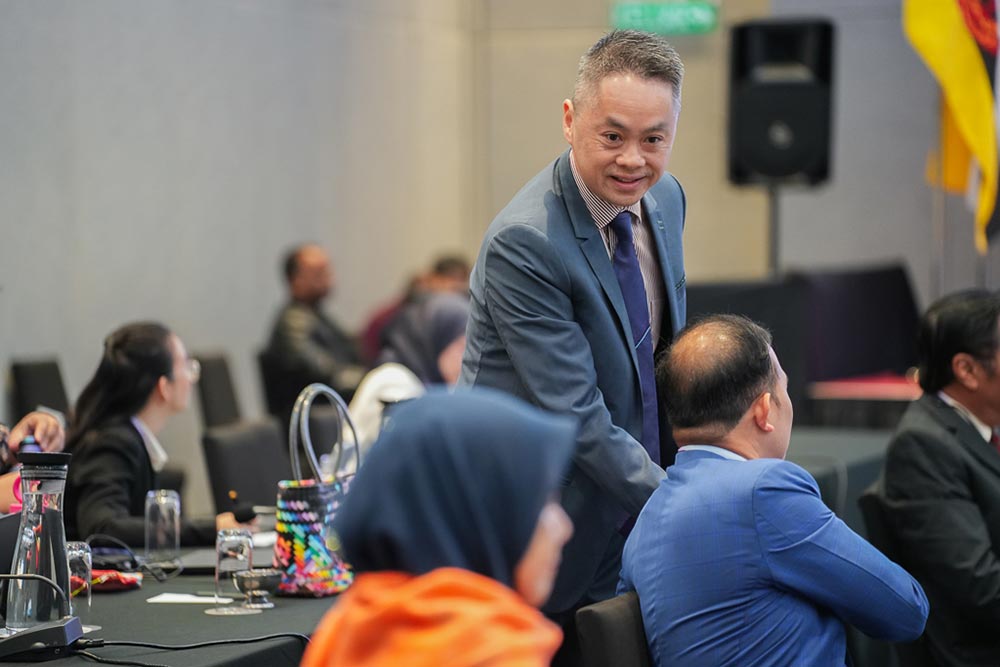
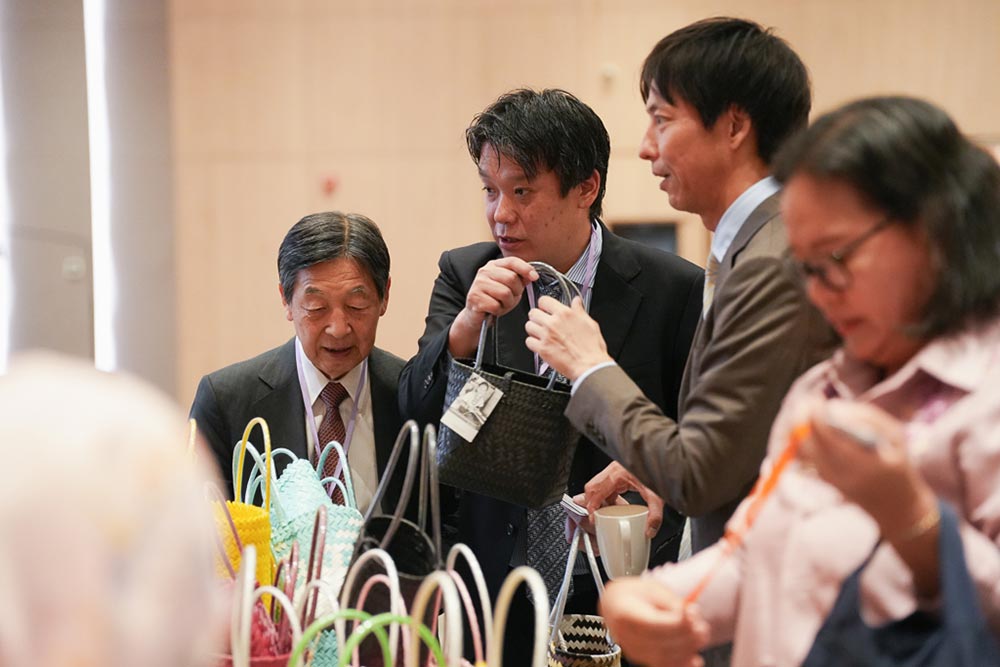
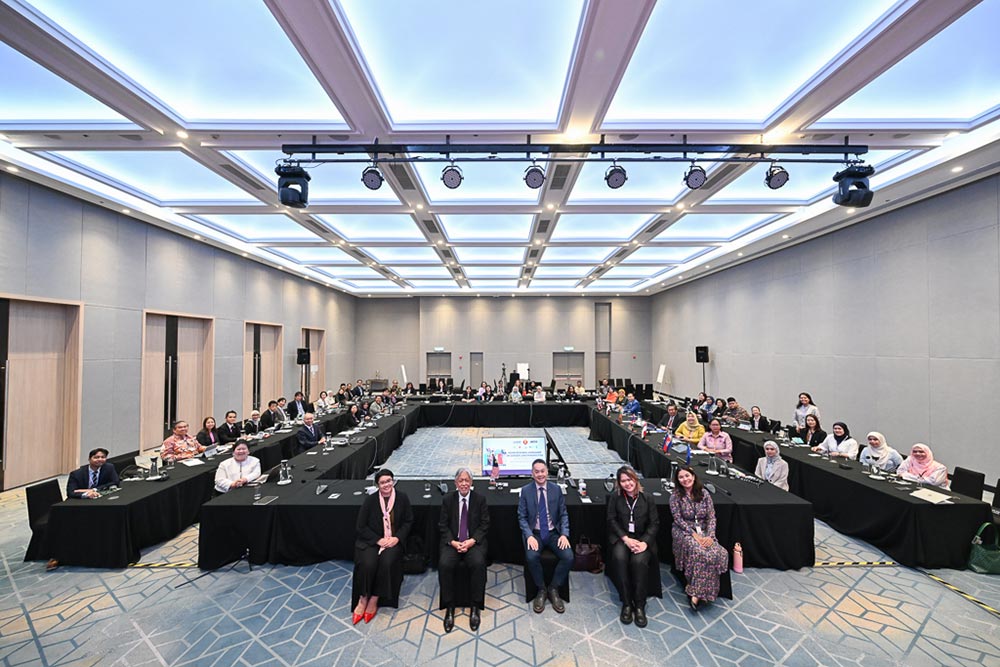
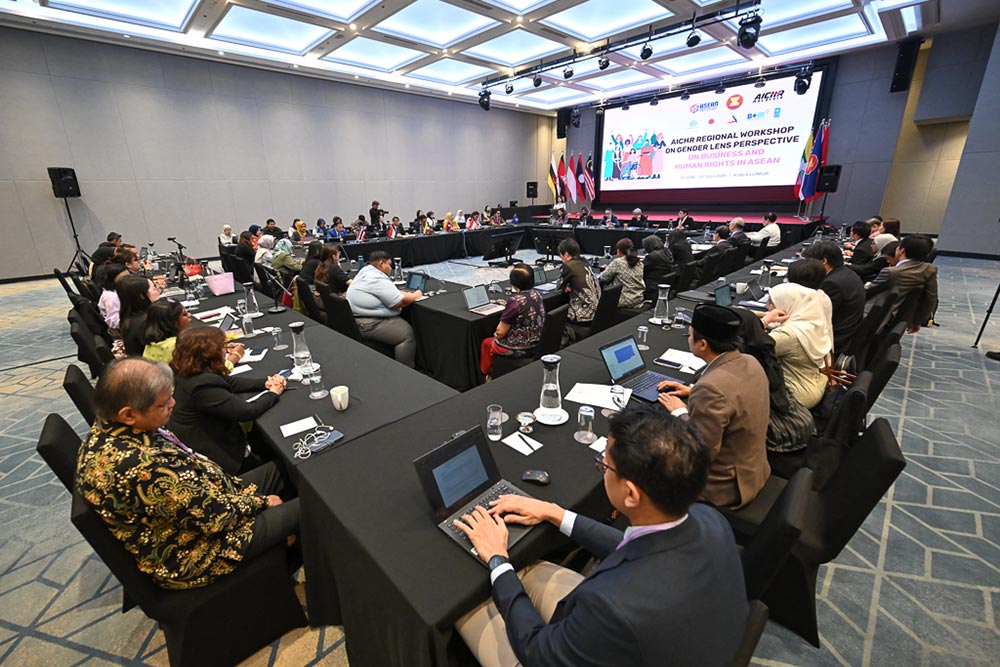
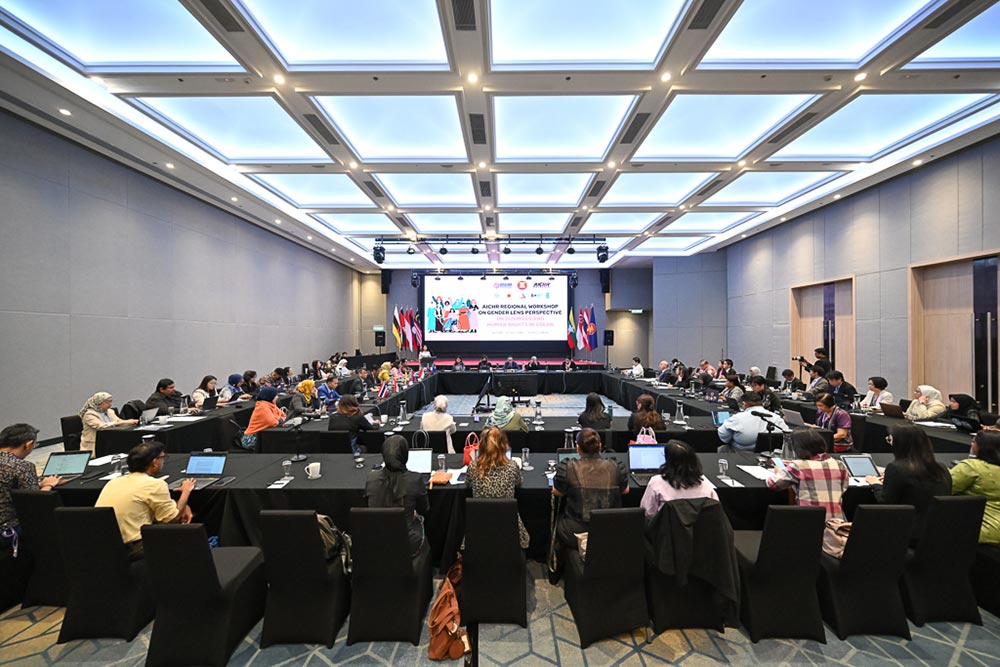
I warmly welcome you to Kuala Lumpur again for this two-day meeting: the AICHR Regional Workshop on Gender Lens Perspective on Business and Human Rights in ASEAN led by Malaysia on behalf of the ASEAN Intergovernmental Commission on Human Rights (AICHR).
The world faces unprecedented challenges today. We are falling behind on realising the Sustainable Development Goals (SDGs) on gender equality, decent work and economic growth, and reduced inequalities. We are witnessing terrible genocides and wars. Sexual and gender-based violence (SGBV), including physical, psychological, and economic harm, is on the rise. SGBV is rooted in power imbalances and gender inequality, and it can have devastating consequences for survivors, impacting their physical and mental health. Conflicts have also provided opportunities for the increased incidence in the use of rape as weapon of war. There is growing distrust and mistrust in international law stemming from the hypocrisy of powerful governments.
Unfortunately, these real-time events around us also influence the way we treat each other in society, in the workplace, and in our daily lives. Gender discrimination manifests itself in business operations, negatively impacting women and girls.
Today’s workshop addresses a critical challenge we are facing in the region, that is to ensure that gender equality and human rights are not matters that are left behind in all facets of ASEAN development. While ASEAN has made important progress, women and girls continue to face systemic barriers such as gender-based discrimination, limited access to justice, and exclusion from economic opportunities.
We need to be clear. Gender equality and equity is not a favour we extend but a right. Business and human rights are not solely about trade regulations or governance. They impact people, especially women and girls from groups in vulnerable and marginalised situations. Their voices have often been excluded from decision-making and they face real, disproportionate harms.
There is no doubt that ASEAN has made strides in advancing gender equality and realising the rights of women and girls. However, barriers still remain. They are deeply entrenched. Too often, business structures and practices appear gender-neutral but continue to reinforce inequality in effect.
On 26 May 2025, ASEAN leaders signed the Kuala Lumpur Declaration on ASEAN 2045: Our Shared Future and adopted the ASEAN Community Vision 2045 “Resilient, Innovative, Dynamic, and People-Centred ASEAN” along with its Strategic Plans. The term “women” is mentioned at least 38 times in the Vision and its Strategic Plans, calling for empowerment, participation, leadership and protection of women and girls across all spheres of life. It envisions a “Community where women are empowered to participate fully and effectively in ASEAN Community-building and realise their full potential in its decision-making processes”.
The ASEAN Socio-Cultural Community (ASCC) Strategic Plan 2025 reinforces the aspiration by calling for specific strategies to protect the rights of women and girls, eliminate structural barriers, ensure access to quality work and social protection, and integrate gender perspectives across all policymaking processes.
ASEAN’s Regional Plan of Action on Women, Peace and Security (WPS) adopted in 2022 with its landmark matrices on prevention, participation, protection, relief and recovery, implementation, coordination, reporting, monitoring, and evaluation calls on ASEAN bodies and relevant stakeholders to implement initiatives to ensure that women are meaningfully included in peace processes, protected from all forms of violence, and empowered to contribute to sustainable peace and security across the region.
Importantly, the new 2045 Vision calls for a Community anchored on ASEAN Centrality with enhanced institutional capacity and effectiveness, and with ASEAN organs, bodies and mechanisms that are more future-ready in addressing global and regional challenges. To achieve these goals, ASEAN endeavours to strengthen its institutions and refresh processes to be more resilient, innovative, agile, adaptive, responsive, and decisive in addressing increasing cross-cutting issues. Further, ASEAN aims to strengthen its institutional capacity and effectiveness by arriving at decisions on urgent and specific situations in a timely manner, promoting greater synergy and coordination in cross-pillar and cross-sectoral issues, optimising work processes, effective mobilisation of resources, and strengthening the ASEAN Secretariat. This is the current challenge for us in ASEAN institutions. How do we do this?
This workshop comes at an opportune time and can be one of the catalysts for real, regional-level change. As global standards such as the Guiding Principles on Business and Human Rights: Implementing the United Nations ‘Protect, Respect and Remedy’ Framework (UNGPs) continue to shape international expectations and up-and-coming regulations, ASEAN must also evolve to ensure that our frameworks reflect the lived realities of women and girls in our region and that they are not treated as an afterthought in economic growth.
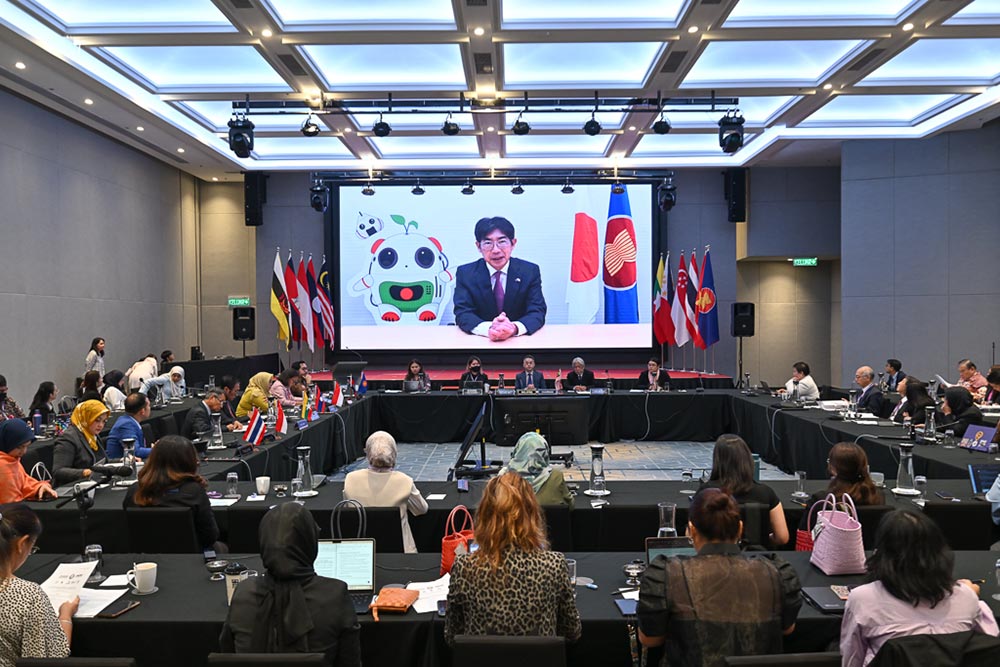
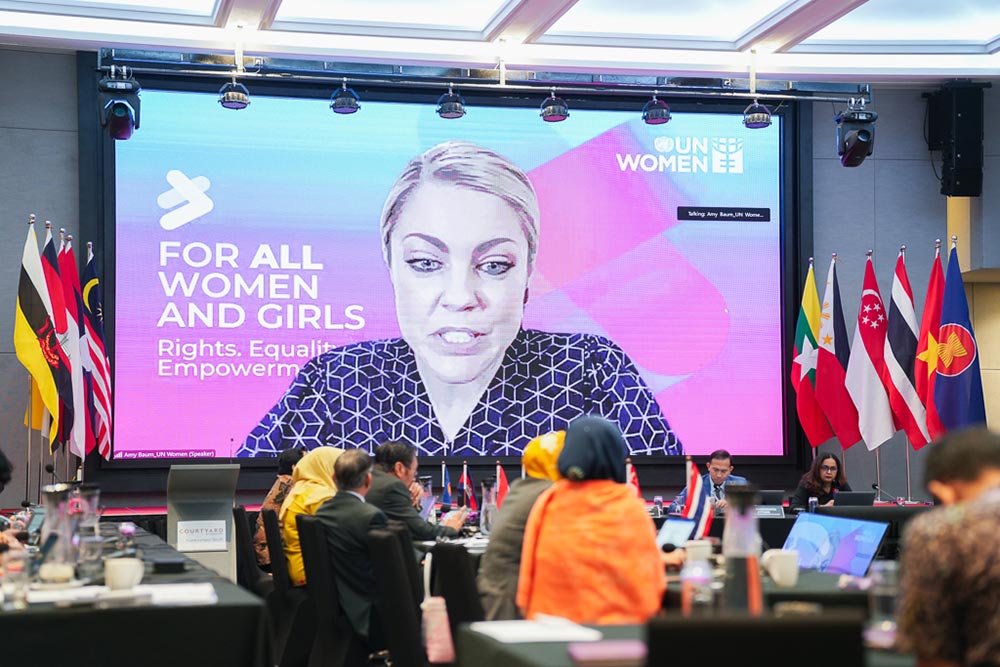
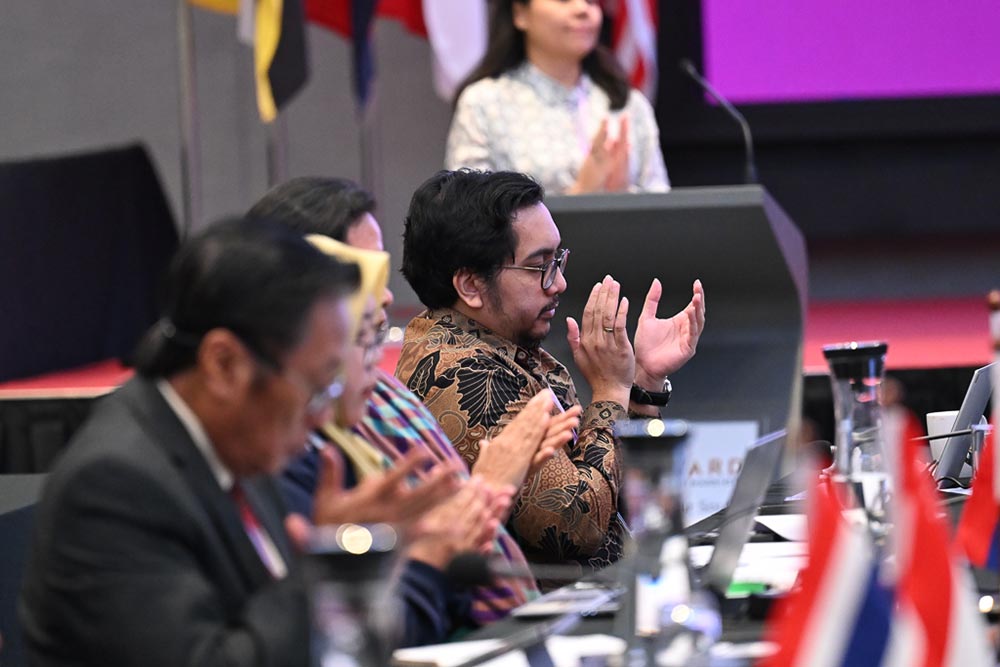
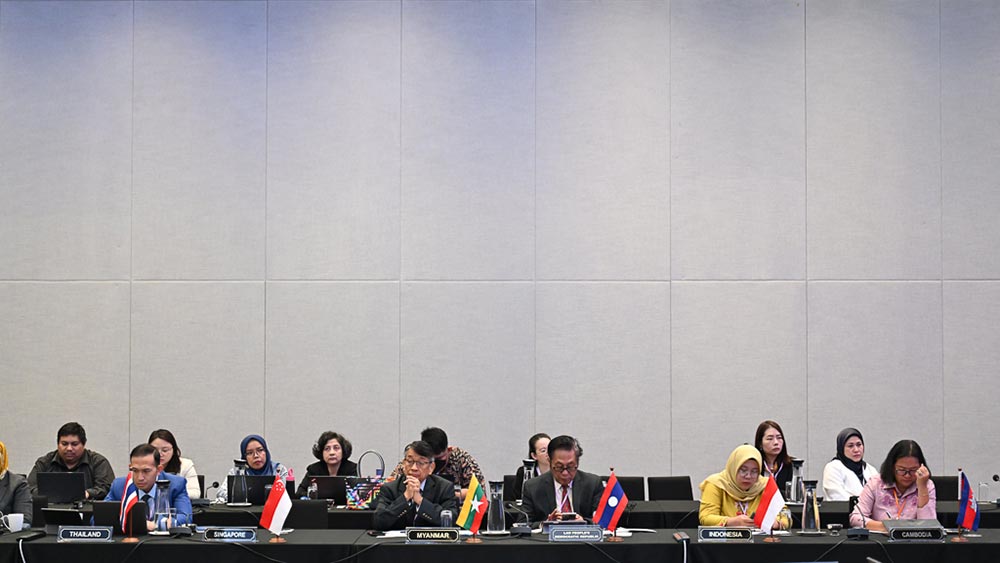
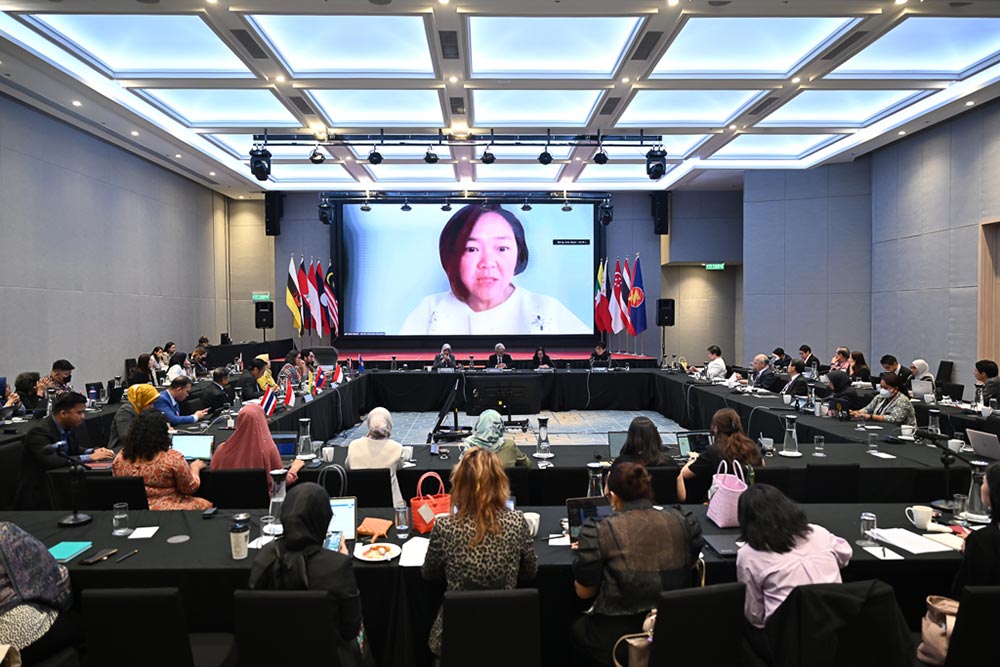
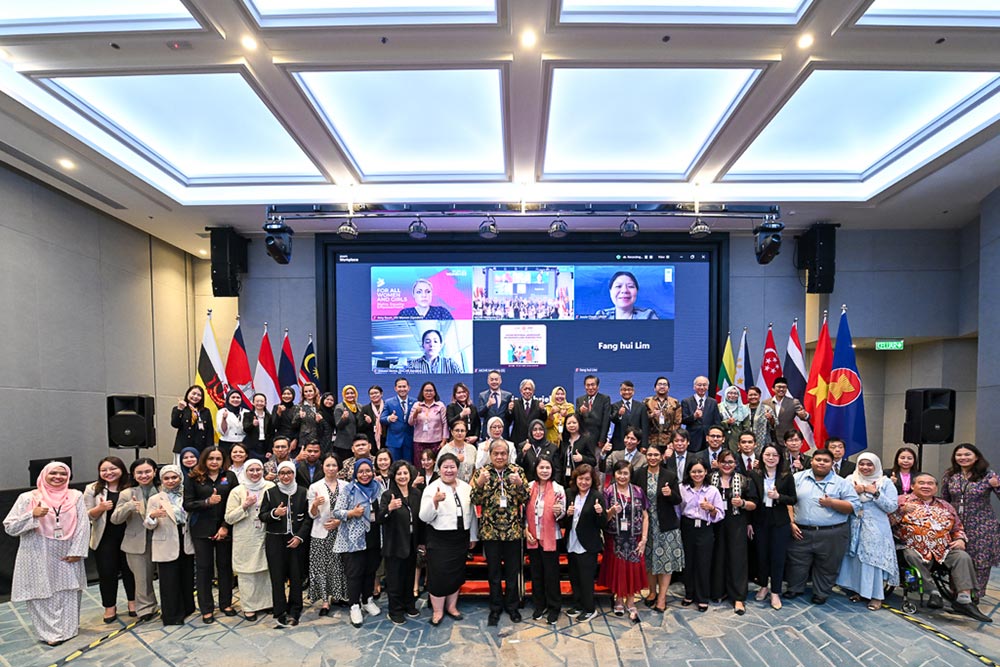
Today, we are joined by over 80 participants, including representatives from ASEAN bodies, national governments, national human rights institutions, and civil society organisations, both in person and online. This diverse participation reflects ASEAN’s strength and what AICHR does best: bringing stakeholders together to build consensus and seek common positions on shared, practical solutions.
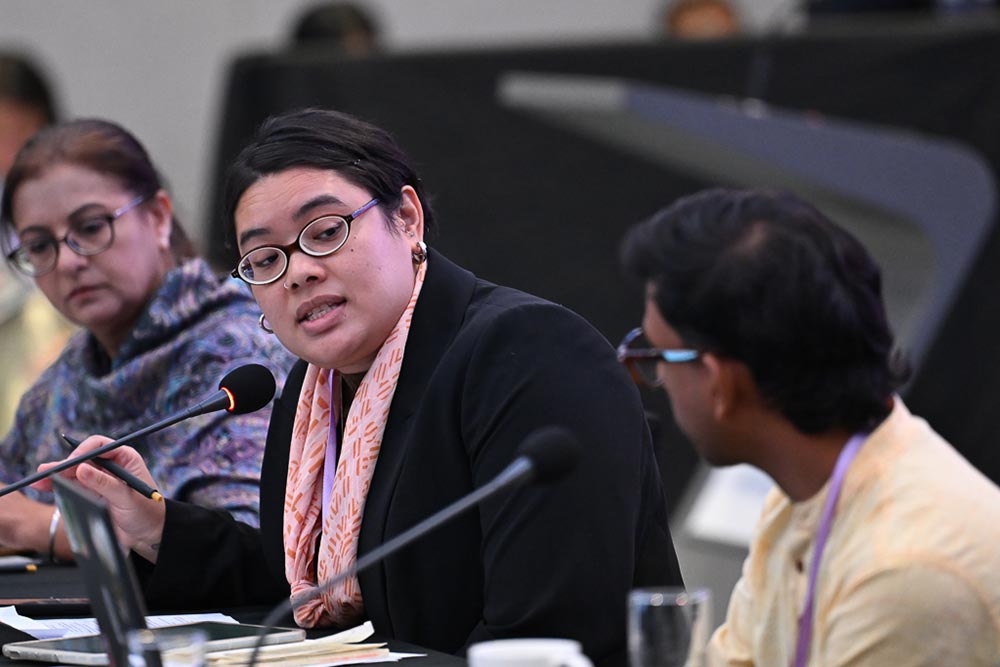
Over these two days, we will delve into the intersections of gender, labour rights, and access to effective remedies through the economic integration and trade perspectives. We will hear from experts, practitioners, and implementers on how gender-based discrimination in businesses is both a symptom and a cause of wider inequality and inequity, and how we can address and break this cycle.
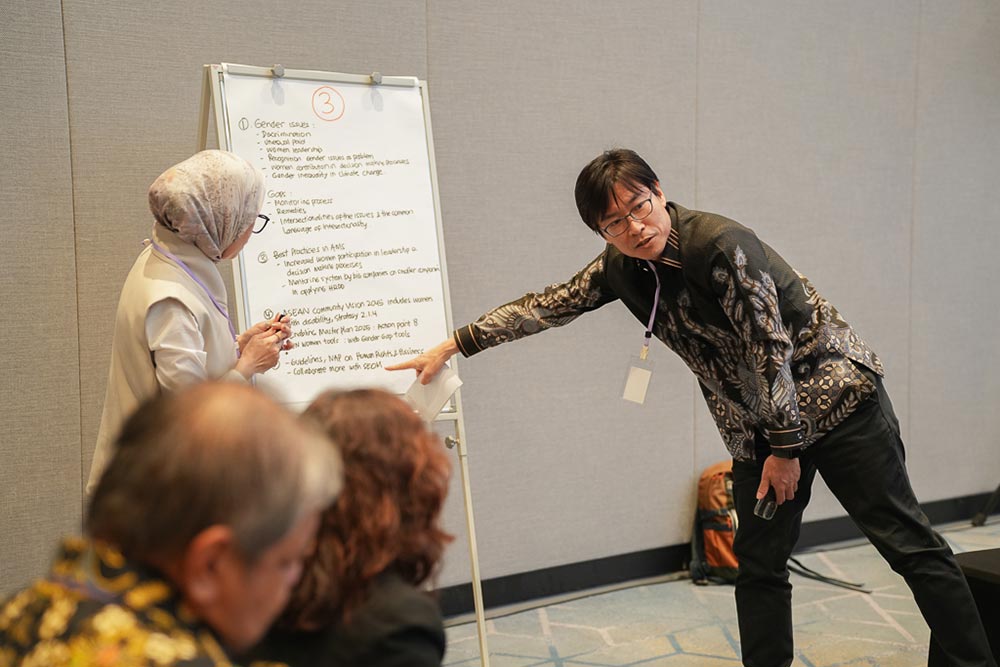
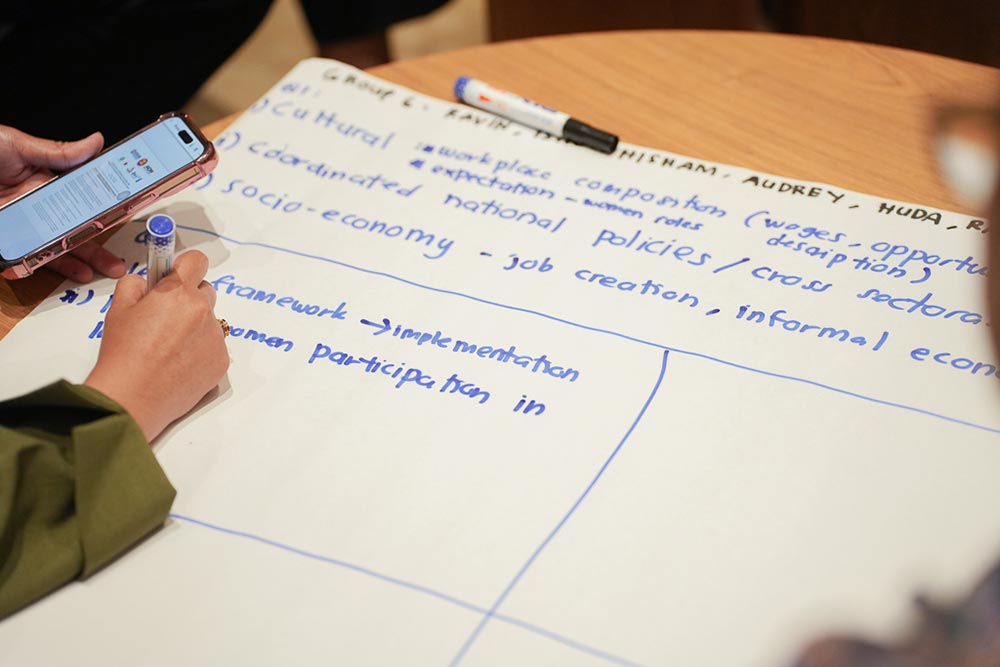
I hope that in this workshop, we will map practical entry points to integrate gender into business and human rights policies and in business operations and mechanisms. We will also explore a regional gender lens framework that can address gender-based barriers, tackle structural and cultural discrimination, and strengthen the protection of the human rights of women and girls given that structural and cultural discrimination are also forms of violence. Finally, we hope to have concrete and actionable recommendations that can be brought forward in future regional deliberations and commitments by AICHR.
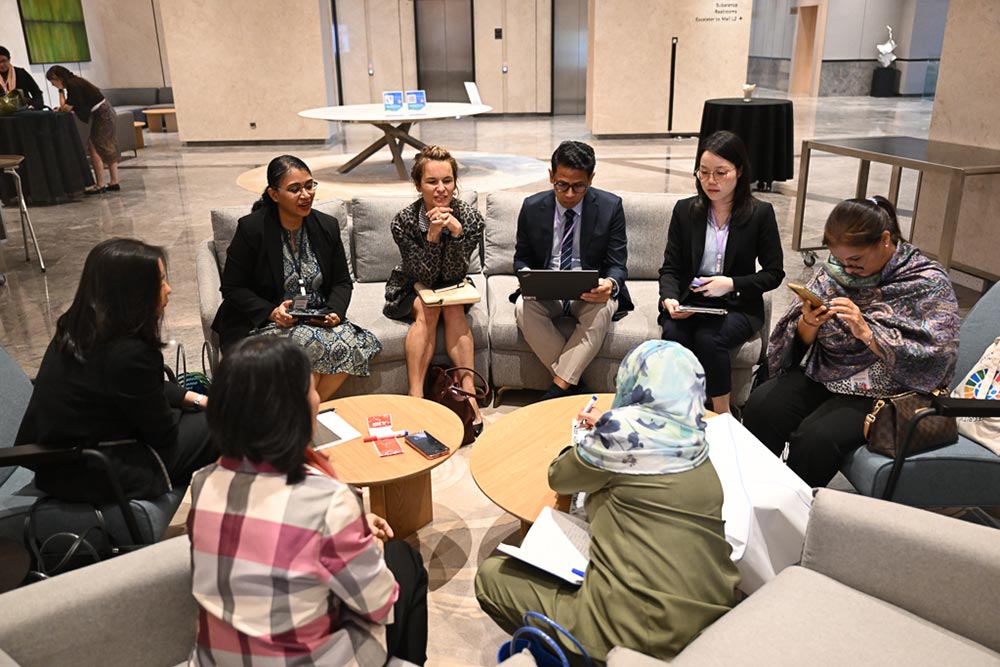
I thank all my AICHR colleagues, representatives from ASEAN sectoral bodies, government agencies, businesses, civil society organisations, and experts for being a part of this workshop today. I look forward to the breakout sessions and consultations to develop a common position for ASEAN on the gender lens perspective. I hope this meeting will lay the foundation for forward-looking steps that can strengthen protection, respect, and remedy for the rights of women and girls, particularly those in vulnerable and marginalised situations, and reaffirm our shared commitment towards a resilient, inclusive, people-centred, and future-ready ASEAN where no one is left behind.
This workshop is jointly supported by ASEAN Member States through the AICHR Fund, the Government of Japan through the Japan-ASEAN Integration Fund (JAIF) and the United Nations Development Programme (UNDP), and is conducted in collaboration with Malaysia’s ministries and agencies and SUHAKAM. It is one of Malaysia’s key initiatives as ASEAN Chair aligned with our commitment to human rights within the framework of “Inclusivity and Sustainability”.
I want to thank the team led by Malaysia’s AICHR Assistants — Nurul Aliaa Azman, Valen Khor, Umavathni Vathanaganthan, and Nurkamelia Ghazali — for putting together this programme, and the staff from the Ministry of Foreign Affairs of Malaysia for their invaluable support.
Thank you once again for being part of this meeting. I look forward to a rich exchange of ideas and, more importantly, meaningful collaborations that will emerge from this workshop.
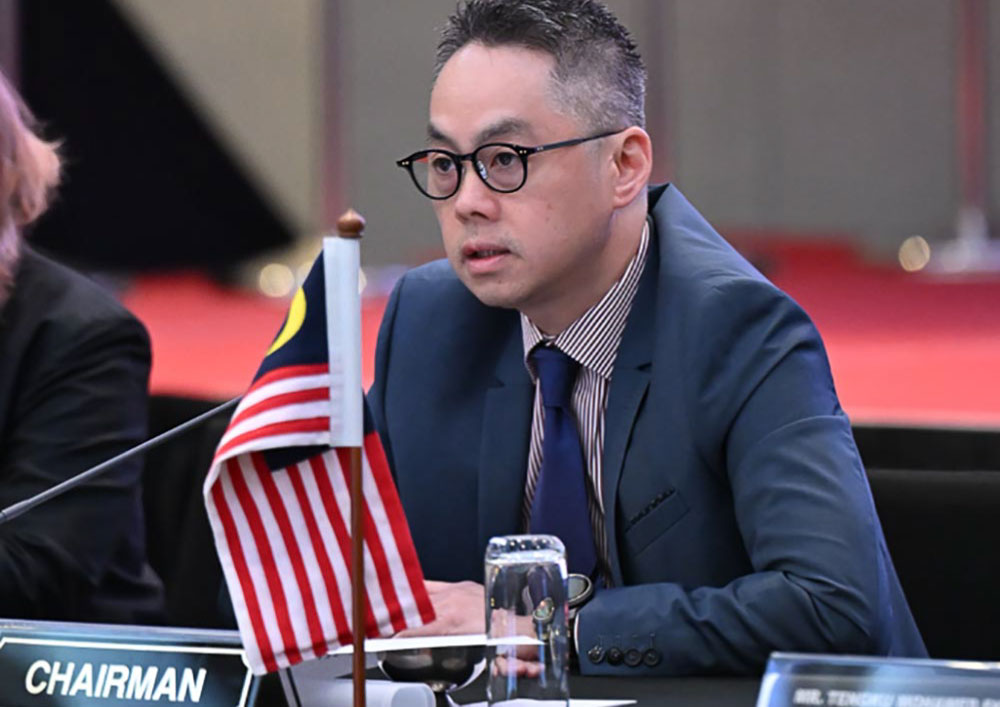
These opening remarks were delivered on 30 June 2025, at the AICHR Regional Workshop on Gender Lens Perspective on Business and Human Rights in ASEAN held from 30 June to 1 July 2025 in Kuala Lumpur, Malaysia. The press release on the event is available in English and Malay. Read the summary report for the workshop here.