
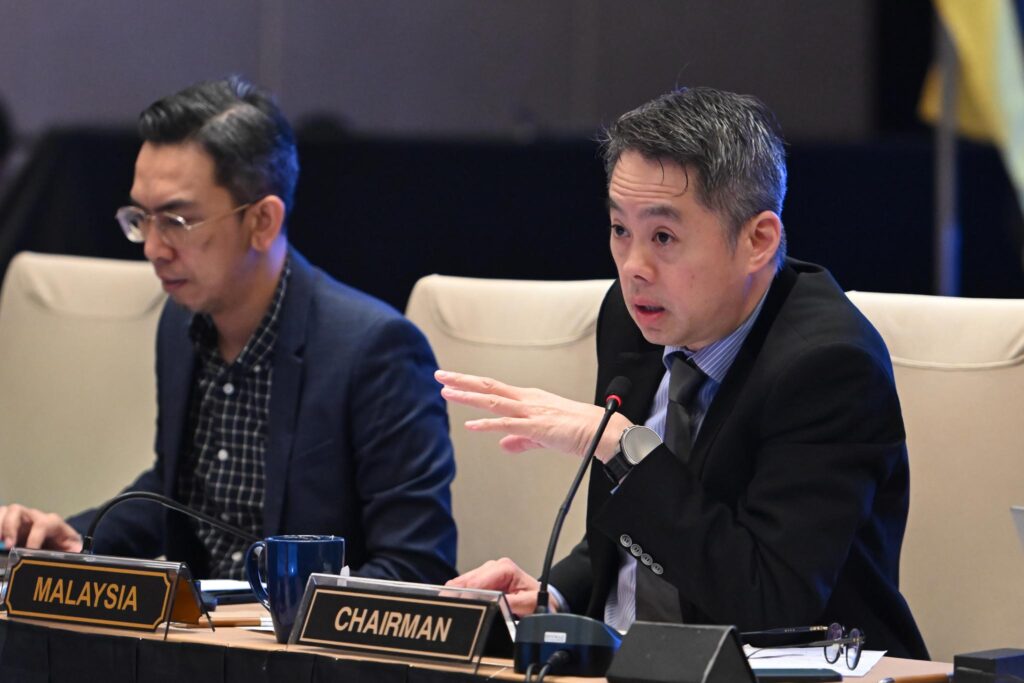
YBhg Dato’ Suhaimi Jaafar, Undersecretary (Special Functions), High-Level Task Force on ASEAN Community’s Post-2025 Vision,
Professor Dr Surya Deva, United Nations Special Rapporteur on the Right to Development,
Ms Joanna Mansfield, Team Leader, International Engagement, Australian Human Rights Commission (AHRC),
Excellencies, distinguished participants, ladies and gentlemen.
Salam sejahtera. Good morning and a very warm welcome to all of you.
Since its establishment on 23 October 2009, the AICHR has adopted three Five-Year Work Plans to implement its mandates. The work plans are the life of the Commission, and they detail our priority areas, indicative activities, and expected outputs. They also set AICHR’s strategic direction.
The AICHR has gone through at least two phases. First is the inception, norm-setting phase from 2009 to around 2012. Unlike the African human rights mechanism, ASEAN decided first to establish a commission and then agree on a charter of rights. It meant that AICHR representatives had to first reach a common baseline on substantive human rights for them to work on. Without enunciating the rights, it would have been difficult for AICHR to operate.
AICHR was tasked by the ASEAN Foreign Ministers’ Meeting (AMM) to draft the ASEAN Human Rights Declaration (AHRD). This inception period saw AICHR representatives negotiating human rights that ought to form the basis of their work. It was a difficult but important phase characterised by norm contestations among AICHR representatives and ASEAN member states to agree on a political, non-binding document. You will note that the AHRD was endorsed with an accompanying statement by the ASEAN leaders — the Phnom Penh Statement on the Adoption of the ASEAN Human Rights Declaration 2012. The Statement reaffirms ASEAN’s commitment to implement the AHRD in accordance with its commitment to the Universal Declaration of Human Rights 1948 (UDHR).
When the AHRD was being negotiated, certain rights language and text were left out for subsequent deliberations on a binding human rights convention. Some ASEAN member states were keen on a binding convention on women and children’s rights while particularly contested rights were postponed for such a convention. Several workshops were then held to discuss moving ahead on the convention but there has been no further uptake.
From 2013 onwards, the second phase of human rights socialisation saw more activities by the AICHR. In 2010, there were no programmes. In 2011 there were four, and this spiked to 18 in 2017. By the last count, AICHR conducted 16 and 17 activities in 2023 and 2024 respectively. In total, 155 activities have been organised, covering a range of 40 thematic issues. We have many reports containing proposed follow-up actions and recommendations. Some are available on our website, aichr.org.
Today, we have 30 civil society organisations with consultative status and there are other applications pending. This shows an increasing interest to engage with the Commission. We have also been addressing recent developments on human rights as a standing agenda item in the AICHR and our annual ASEAN Human Rights Dialogue. We have taken common positions through our press releases, the last being one on the deadly earthquakes in Myanmar and Thailand issued on 2 April 2025. The two declarations — on an environmental rights framework, and on peace and the right to development — are also relevant.
Of course, more can be done.
The upcoming Work Plan commences in 2026. After two phases of norm setting and socialisation — and 16 years since our establishment — we are looking at a new phase of AICHR’s programming to protect and promote human rights in the region. At the Transition Workshop held in Langkawi in February 2025, we heard from stakeholders on the need for AICHR’s work to be impactful through its adaptability, flexibility, and being balanced on the promotion and protection aspects of human rights.
Given the extensive nature of the next work plan, when Malaysia assumed leadership this year, we proposed assessing AICHR’s work after 15 years for consideration as to what is next, moving ahead. The AICHR is currently deliberating on this matter and will be reporting to the AMM in our annual interface.
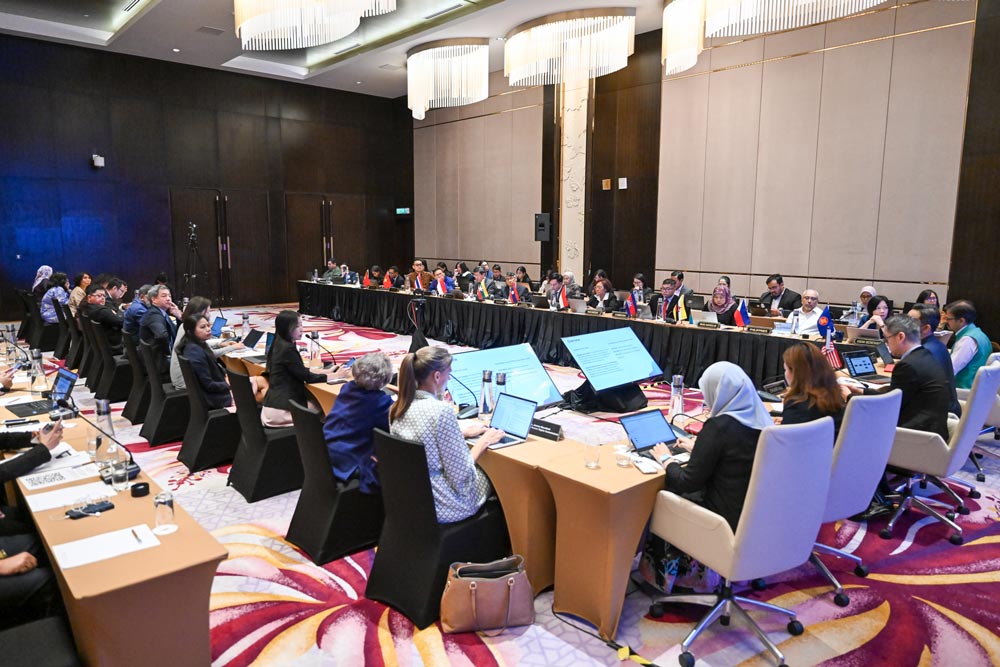
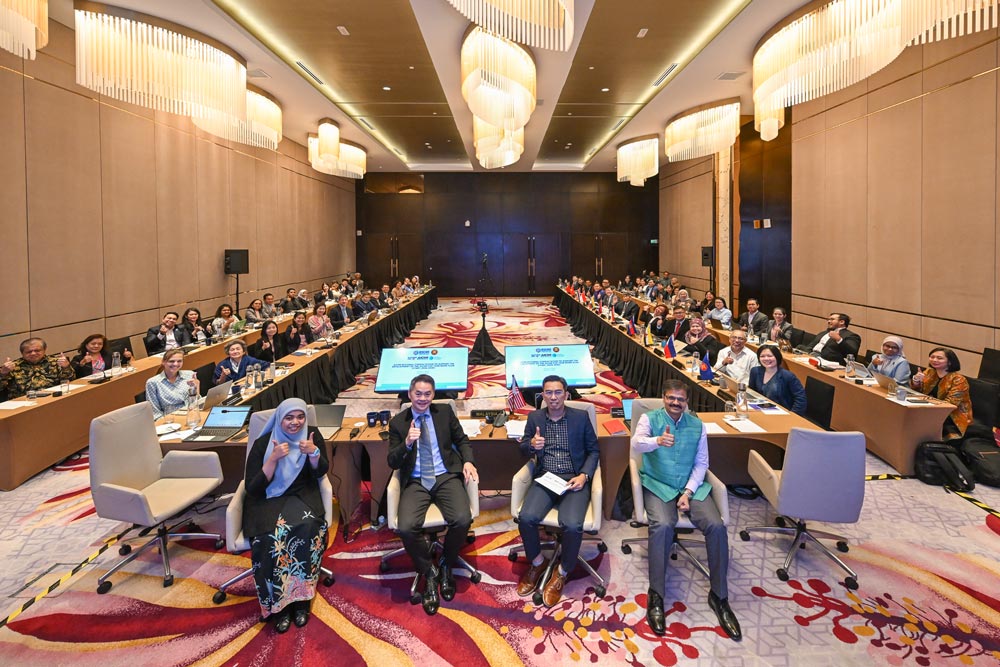
Today marks the first time AICHR is hosting a regional consultation to develop its proposed work plan. We believe it is crucial to create an open and safe space for dialogue on how AICHR can strengthen its human rights efforts and position itself among the leading commissions globally, while remaining relevant to current challenges. Our aim is to finalise the work plan by June, but as of now, nothing is set in stone. We are here to listen and learn from you. As always, we welcome all perspectives and look forward to receiving your recommendations on how we can improve the previous work plan.
Importantly, we cannot forget that our work must impact the people. How do we adopt a more programmatic approach? How do we deepen the understanding or reporting or monitoring of the 40 thematic areas to ensure coherence in the region? How do we respond to emerging threats and challenges to human rights?
This regional consultation is a joint programme led by Malaysia and supported by Thailand, Lao PDR, Indonesia and Singapore. On behalf of the proponents, I thank each of you for taking the time to join us today, whether in person or virtually. I am also grateful to Australia for its generous support, which has been critical in making this meeting happen.
Finally, I thank the members of the AICHR Working Group led by my assistants Umavathni Vathanaganthan and Dr. Andika Ab. Wahab who are drafting the next Five-Year Work Plan. I appreciate the AICHR Malaysia organising team led by Dr. Andika Ab. Wahab together with Puan Nurul Aliaa Azman, Puan Raja Intan Nor Zareen, Puan Nurkamelia Ghazali, and the support staff from the Ministry of Foreign Affairs of Malaysia.
I look forward to a rich and action-packed consultation!
Thank you.
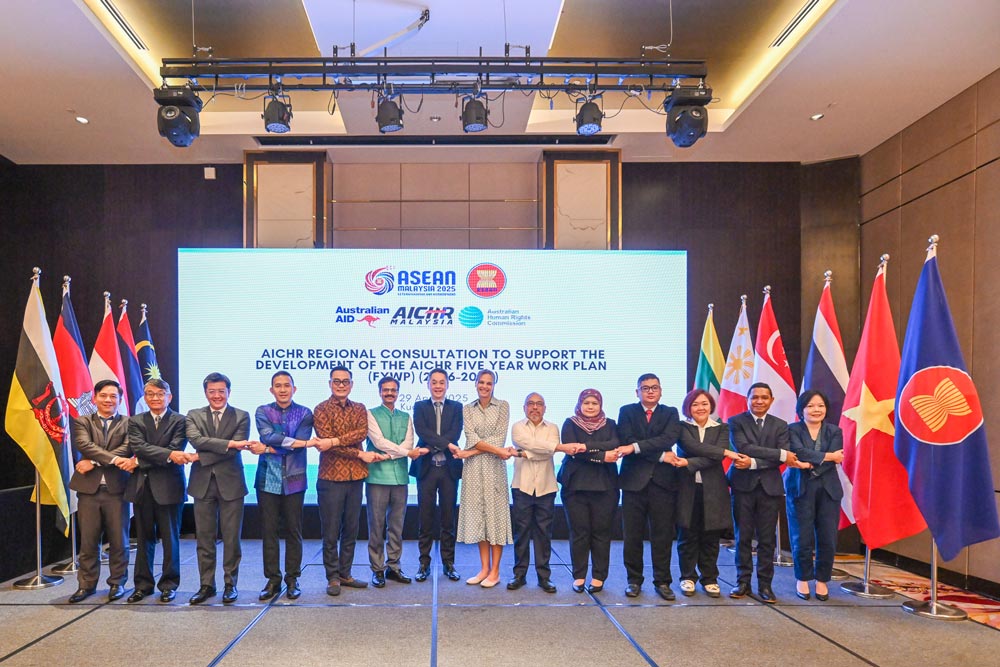
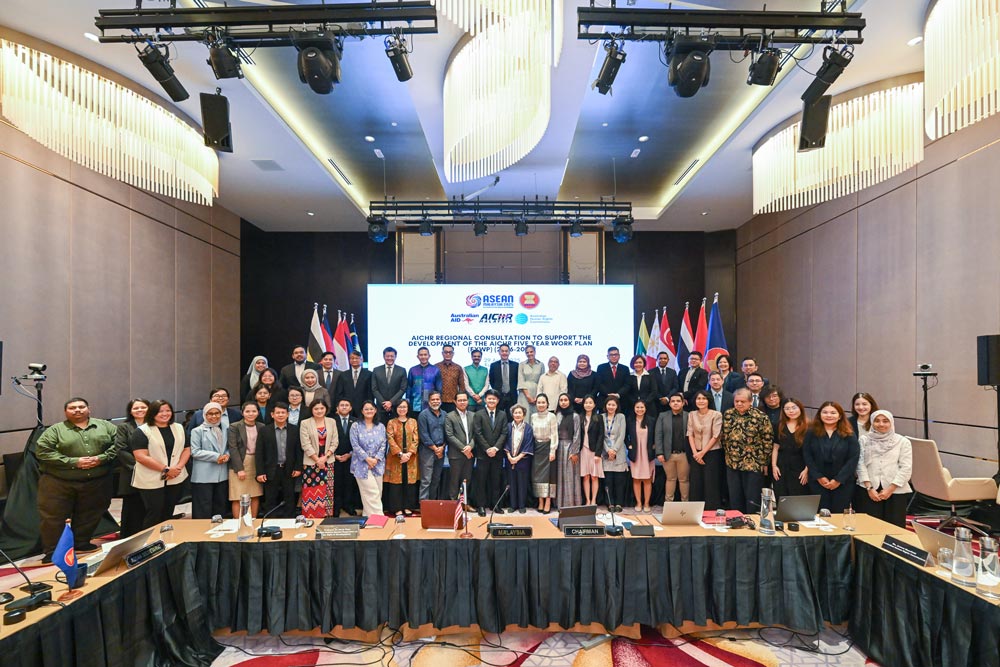
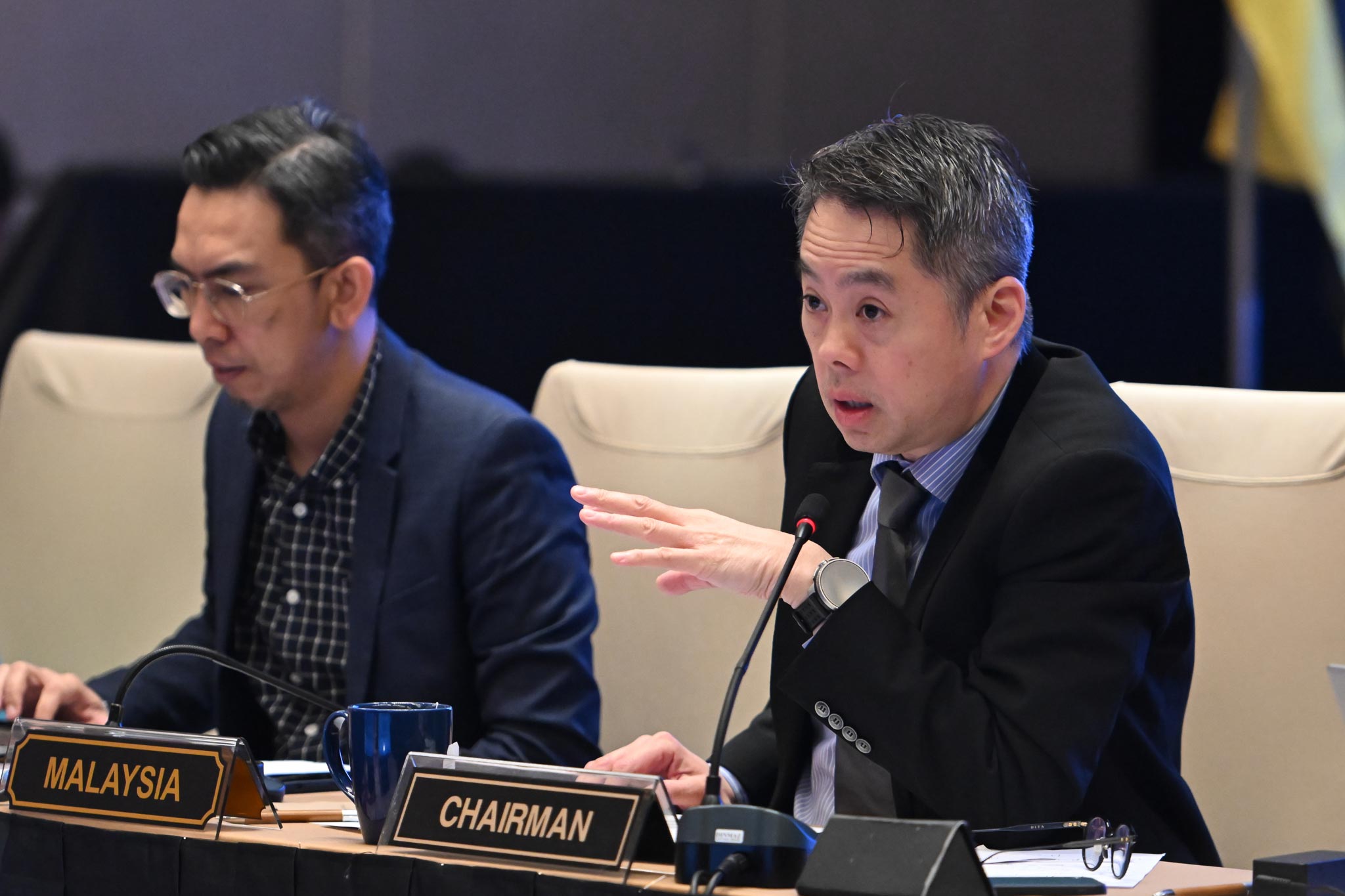
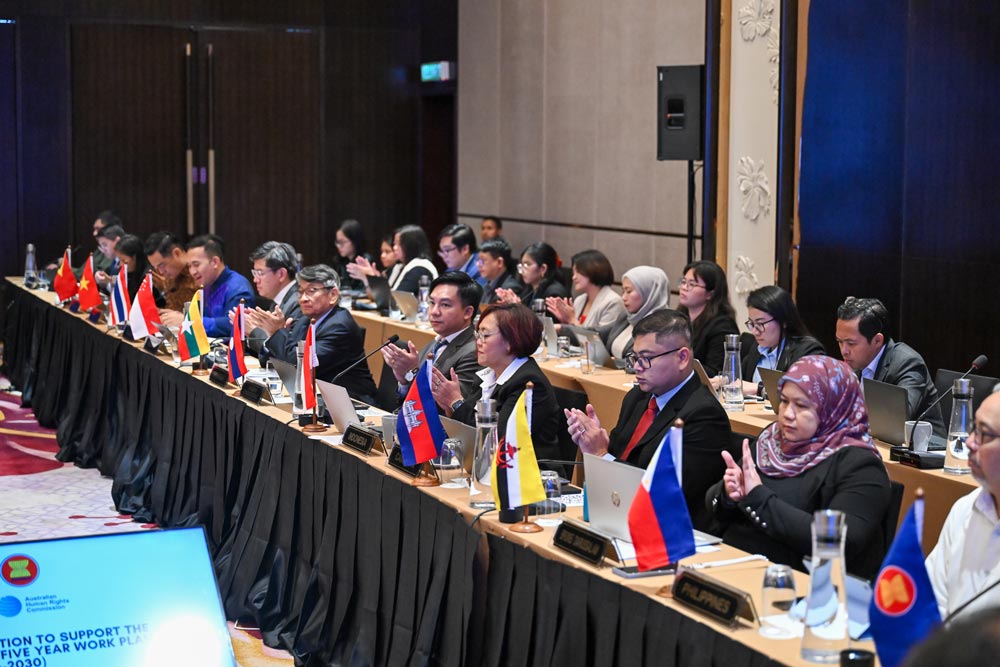
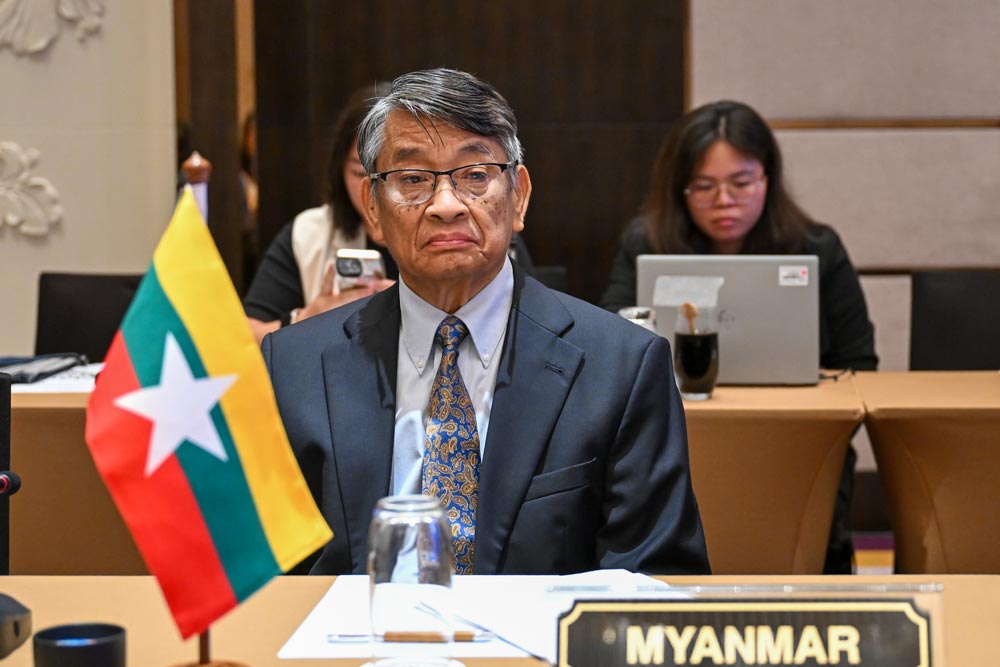
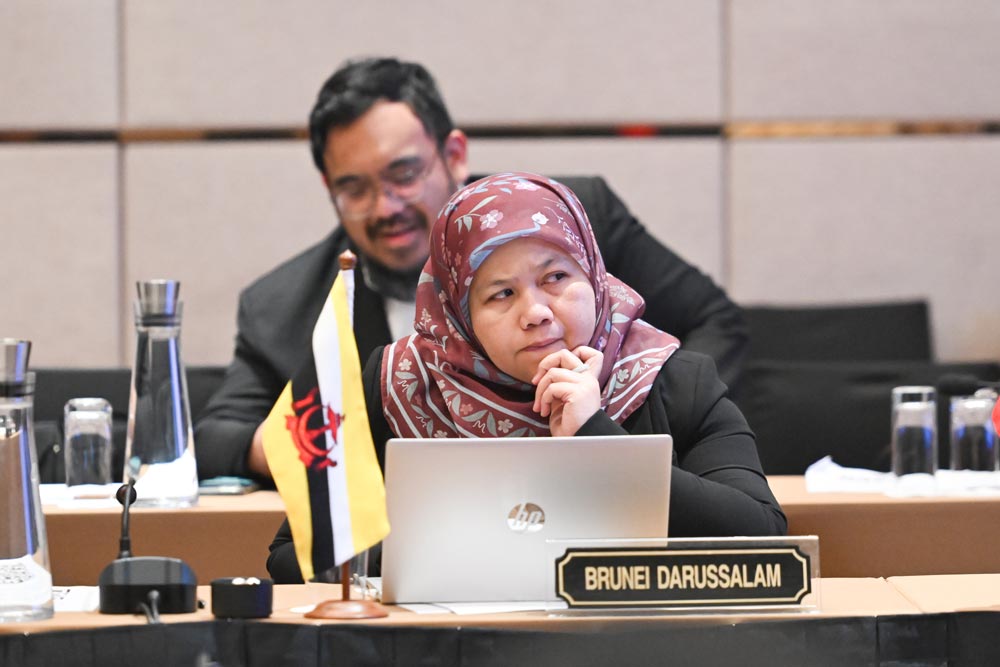
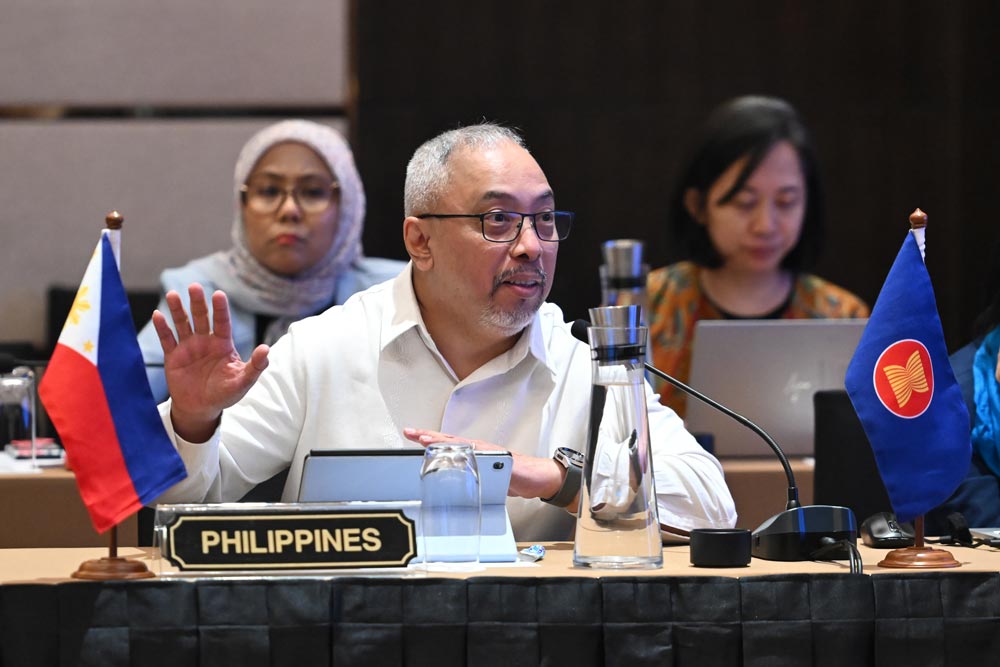
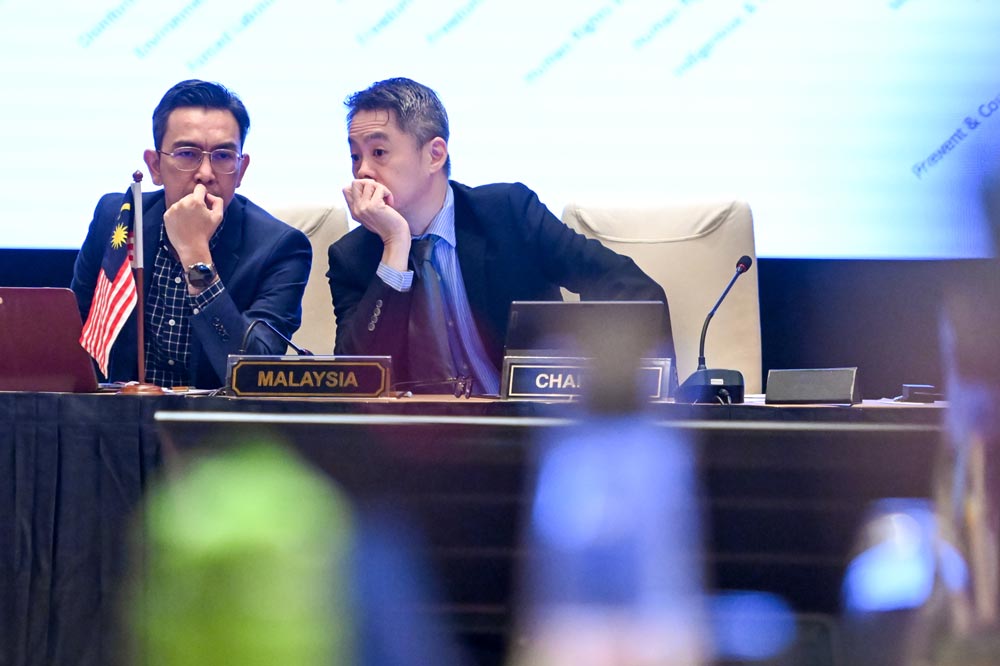
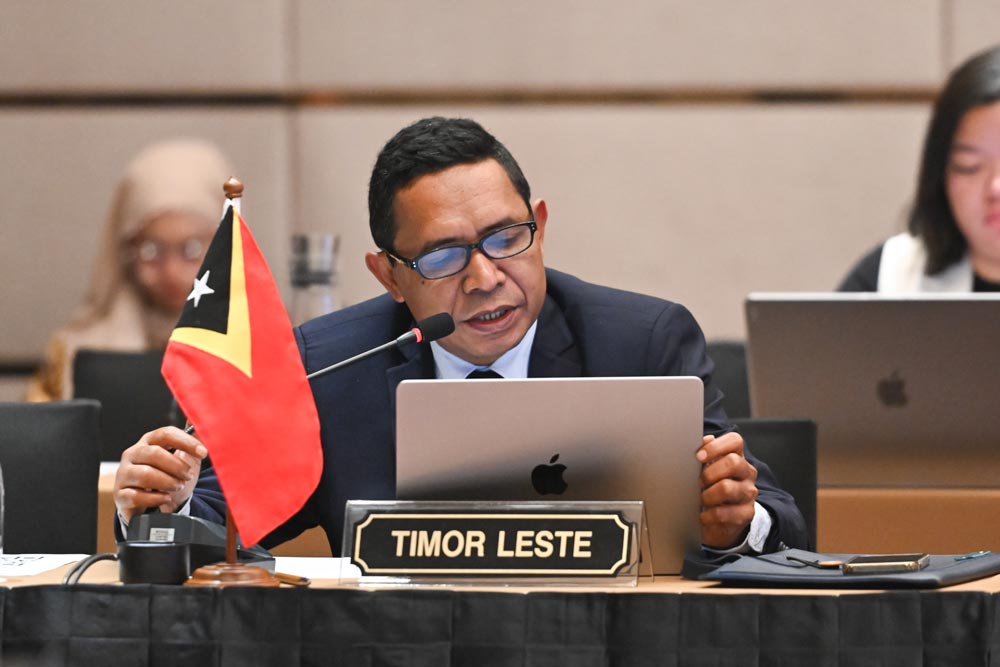
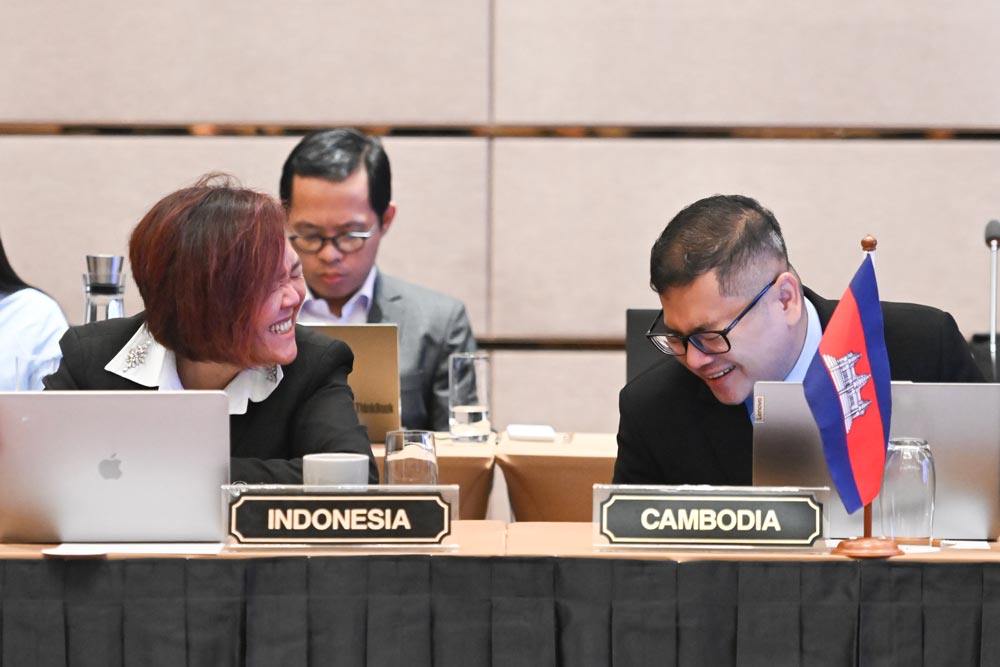
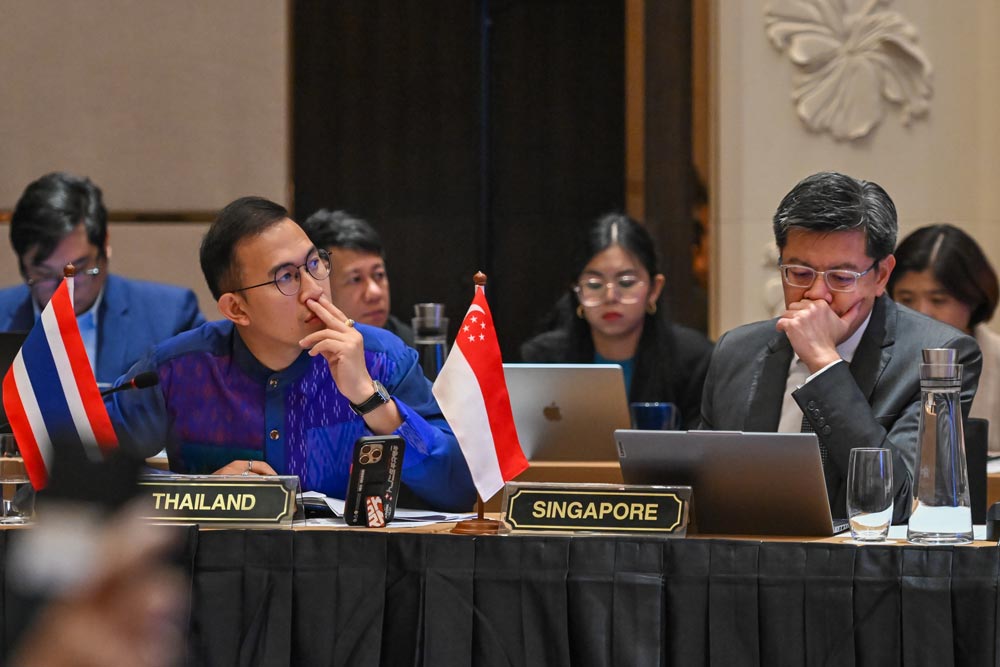
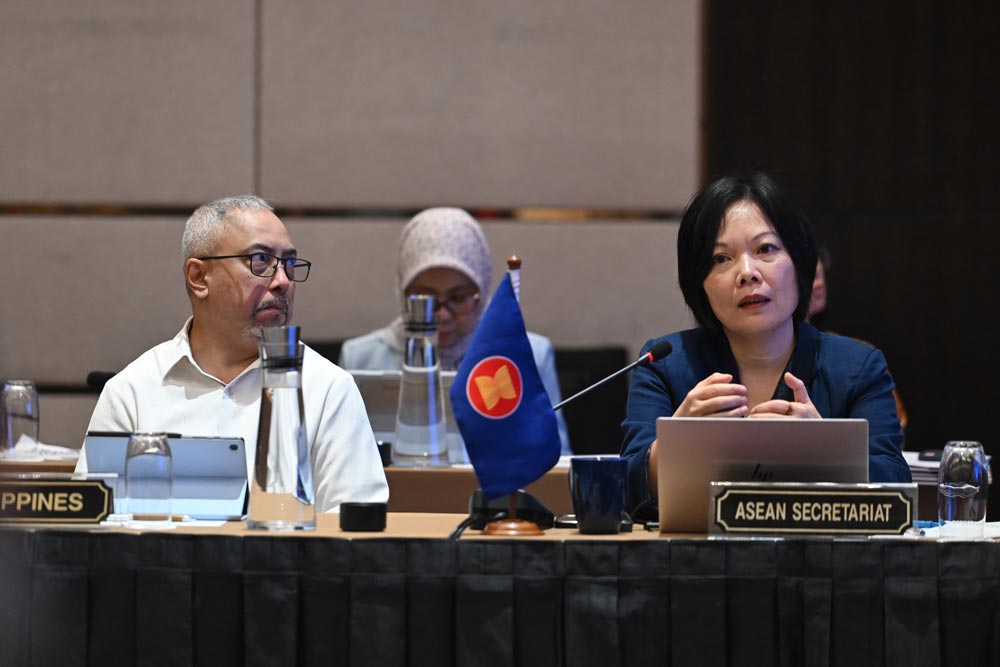
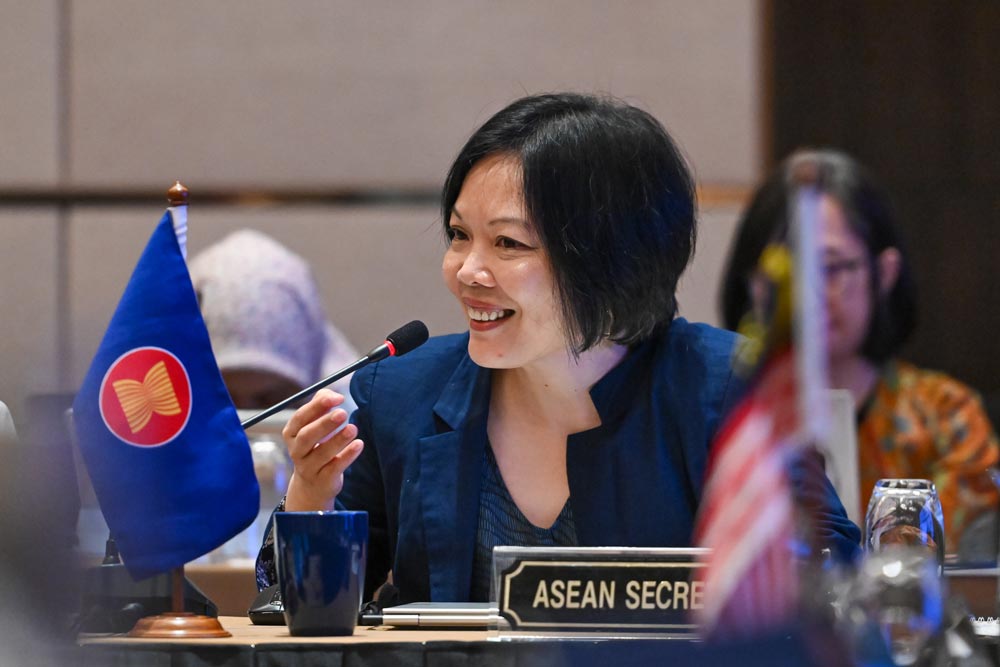
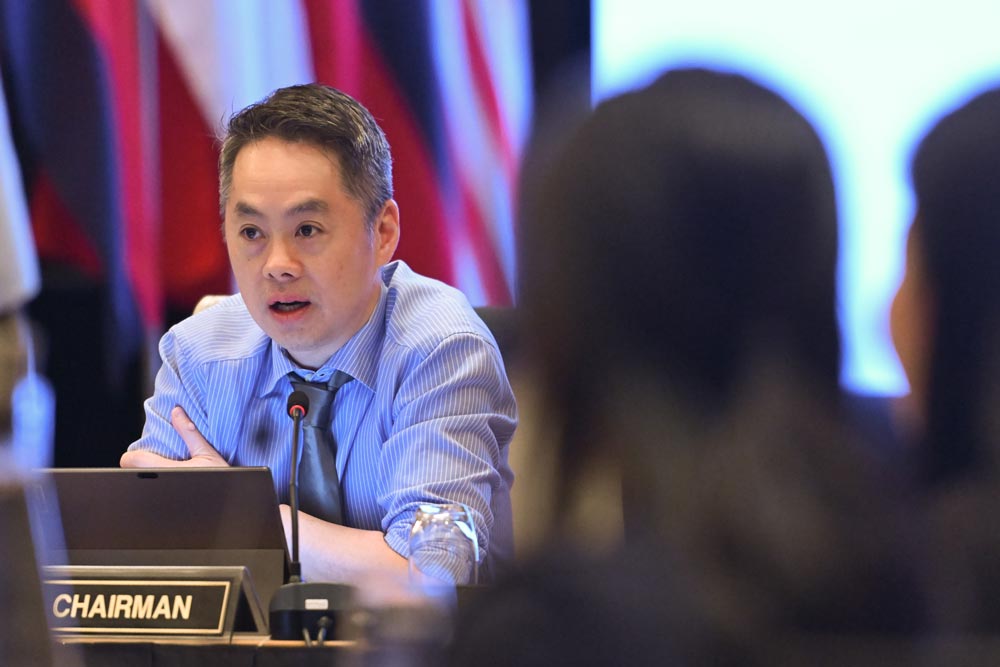
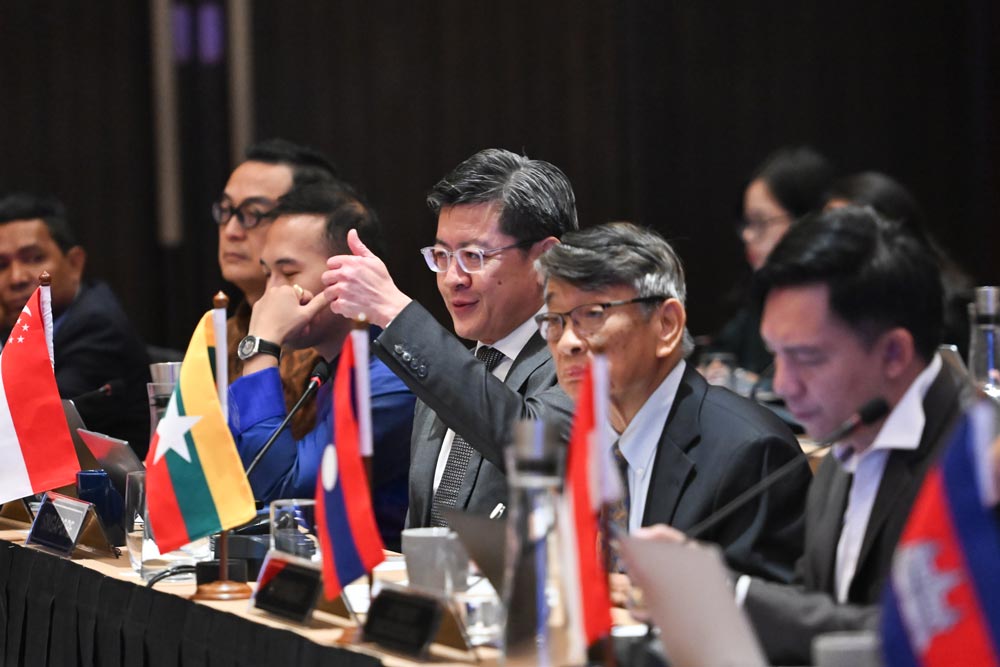
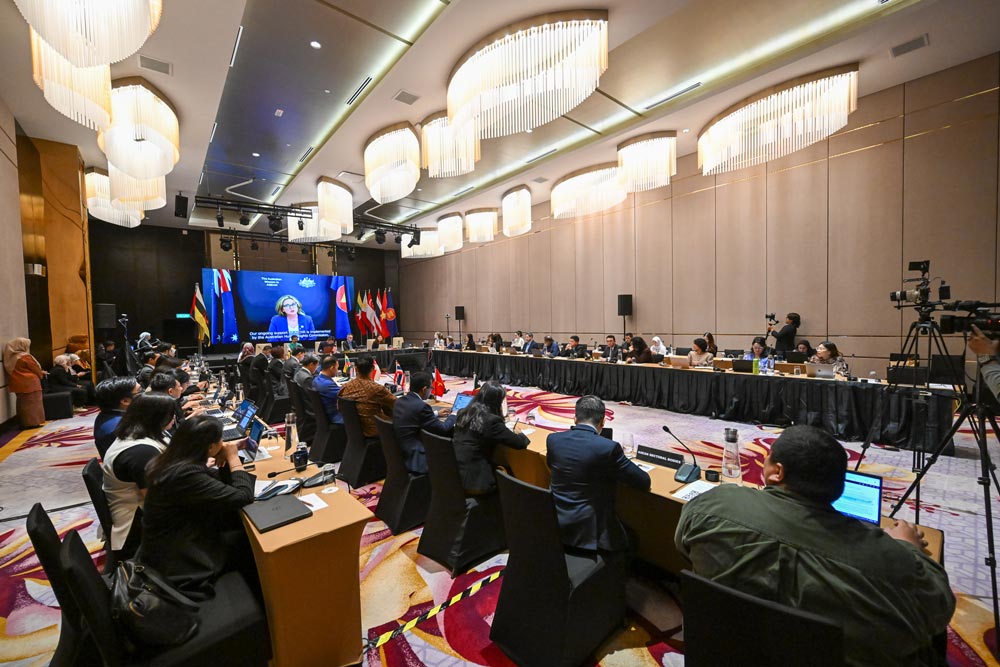
These opening remarks were delivered on 29 April 2025 at the AICHR Regional Consultation to Support the Development of the AICHR Five-Year Work Plan (2026-2030) in line with the ASEAN Community Vision 2045 and Strategic Plans of Action held in Kuala Lumpur, Malaysia. Read the summary report for the regional consultation here.