
Excellencies, distinguished participants, ladies and gentlemen. Good morning.
I thank the International Center for Law & Religion Studies and the co-hosts for organising this important conference to deliberate on the nexus between human dignity, freedom of religion and belief and peace in Southeast Asia.
This topic is apt. Malaysia chairs the Association of Southeast Asian Nations (ASEAN) and the ASEAN Intergovernmental Commission on Human Rights (AICHR) this year. Our guiding ASEAN theme 2025 is “Inclusivity and Sustainability”, which is also at the heart of Malaysia’s MADANI concept.
Malaysia last chaired ASEAN in 2015 when the “ASEAN Community Vision 2025: Forging Ahead Together” was adopted. Again, under Malaysia’s chairmanship, ASEAN will adopt a new vision for the next 20 years.
Inclusivity is not merely a goal; it is a call to action. It demands that we listen to those made vulnerable and marginalised. They include women, children, persons with disabilities, indigenous peoples, Orang Asli, Orang Asal, migrant workers, refugees, asylum-seekers, stateless persons, ethnic, religious, linguistic, and gender minorities, and human rights and environmental rights defenders. When we design processes that work well for those at the most disadvantaged, we know that these will work to advance human rights for all.
Defining inclusivity in the context of religious pluralism requires recognising more than just the co-existence of different faiths — it calls for active respect, equal participation, and protection of rights across all belief systems, including non-belief.
It refers to the intentional and equitable engagement of all individuals and communities, regardless of their religious beliefs or non-beliefs, in political, social, economic, and cultural life.
It ensures that everyone is free to practise, express, change, or reject religion without fear of discrimination, marginalisation, or violence.
True inclusivity goes beyond tolerance; it accepts different beliefs, values diversity, fosters dialogue, and safeguards the rights of all to contribute to society on an equal footing.
Chairing the AICHR as Malaysia’s representative to the body, human rights is at the core of our work. When I speak about inclusivity in the same sentence as human rights, I speak about ensuring that every person’s right to profess, practise, and manifest their thought, conscience, belief, and religion is protected.
Through Article 10 of the ASEAN Human Rights Declaration 2012, ASEAN member states have affirmed all the civil and political rights in the Universal Declaration of Human Rights (UDHR). Specifically, Article 22 guarantees that every person has the right to freedom of thought, conscience and religion, and all forms of intolerance, discrimination and incitement of hatred based on religion and beliefs shall be eliminated.
However, the debate that occurred when Article 22 was being negotiated is evidence of the contestations among ASEAN countries over the limitations that can be placed on the right to freedom of thought, conscience and religion.
For example, whether regional and national particularities should influence the interpretation of universal rights, with concerns that these could be used to justify restricting religious freedom. Second, whether the requirements of national security, public order, public health, public safety, public morality, and the general welfare of the peoples in a democratic society can be used as a pretext to justify discrimination against minority groups. Third, whether the broader concern of inter-religious harmony can be better protected by prohibiting the incitement to hatred based on religion and beliefs.
These tensions are far from settled.
Over the decades, Southeast Asia has not been immune to widespread violations of human rights on the grounds of religion and belief. My office still receives complaints on many of these cases. Executive and judicial action that may amount to religious persecution and discrimination based on religion under international human rights law have been reported.
Despite our challenges, it is essential to recognise ASEAN’s progress through regional initiatives to nurture acceptance and tolerance, promote pluralism, and prevent violence in our region.
In 2017, ASEAN responded to the rising tide of radicalisation and violent extremism with the Manila Declaration to Counter the Rise of Radicalisation and Violent Extremism, reaffirming our shared commitment to peace and moderation. Central to this effort is meaningful community engagement — particularly with youth, women, religious leaders, and groups in vulnerable situations — ensuring that our peacebuilding efforts are inclusive, responsive, and grounded in the realities of our diverse societies.
That same year, ASEAN adopted the ASEAN Declaration on Culture of Prevention for a Peaceful, Inclusive, Resilient, Healthy and Harmonious Society, a framework built on six pillars to foster mutual understanding to prevent racial and religious distrust and disharmony, counter intolerance, and promote literacy and respect across our diverse societies.
The AICHR has made strides in advancing the right to freedom of religion and belief across the region. Regional forums have been convened for member states to exchange best practices, confront the rise of hate speech, and explore the critical intersections between the right, gender equality, and the Sustainable Development Goals (SDGs). These forums are more than platforms for dialogue — they strengthen regional policy frameworks and foster deeper solidarity across faiths and borders.
These discussions have generated concrete recommendations, including the development of counter-narratives to hate speech and violent extremism, prosecution of those responsible for vigilante attacks and intimidation based on religion or belief, the establishment of preventive measures and an early warning mechanism, and the issuance of human rights guidance and advice on the right to freedom of religion and belief by the Commission.
AICHR’s work has also focused on post-pandemic realities, examining how freedom of religion and belief intertwines with digital expression and inclusive development. By addressing challenges such as online hate speech and safeguarding digital religious freedoms, AICHR has demonstrated its evolving and responsive approach to human rights in Southeast Asia.
The ASEAN Institute for Peace and Reconciliation (ASEAN-IPR) has become a cornerstone of ASEAN’s peacebuilding architecture. Through research, training, and capacity building, it has supported conflict resolution and promoted inclusive and sustainable peace.
A particular highlight of ASEAN-IPR’s work is its leadership in advancing the women, peace and security agenda. It spearheaded the creation of the ASEAN Women for Peace Registry (AWPR) in 2018, identifying and empowering women experts across the region to play active roles in peace processes. This initiative supports ASEAN’s commitment to integrating gender perspectives into all conflict prevention and resolution strategies, reaffirming our belief that peace is strongest when it is inclusive.
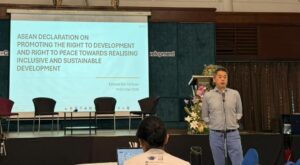
This year, Malaysia has proposed through AICHR to adopt an ASEAN Declaration on Promoting the Right to Development and Peace Towards Realising Inclusive and Sustainable Development. We hope it will accelerate ASEAN’s progress in advancing a human rights agenda that is both people-oriented and people-centred through an ASEAN-led approach — one that unites our region in the pursuit of peace, equitable growth and a future where no one is left behind.
I close with this conviction: peace is not merely the absence of conflict — it is the presence of justice, the assurance of dignity, and the promise of equality. It means creating the space for every person, regardless of faith, background, or belief, to be seen, heard, and valued. The journey towards peace may be long and, at times, uneven. But it is a journey worth taking — because it leads us to a future where all can live safely, with purpose and pride.
The late Kofi Annan once said:
We must also broaden our view of what is meant by peace and security. Peace means much more than the absence of war. Human security can no longer be understood in purely military terms. Rather, it must encompass economic development, social justice, environmental protection, democratization, disarmament, and respect for human rights and the rule of law.
This means we need conditions that allow every individual to flourish, realise their full potential, and live with dignity. Let us be the builders of those conditions.
Thank you.
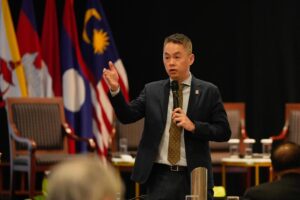
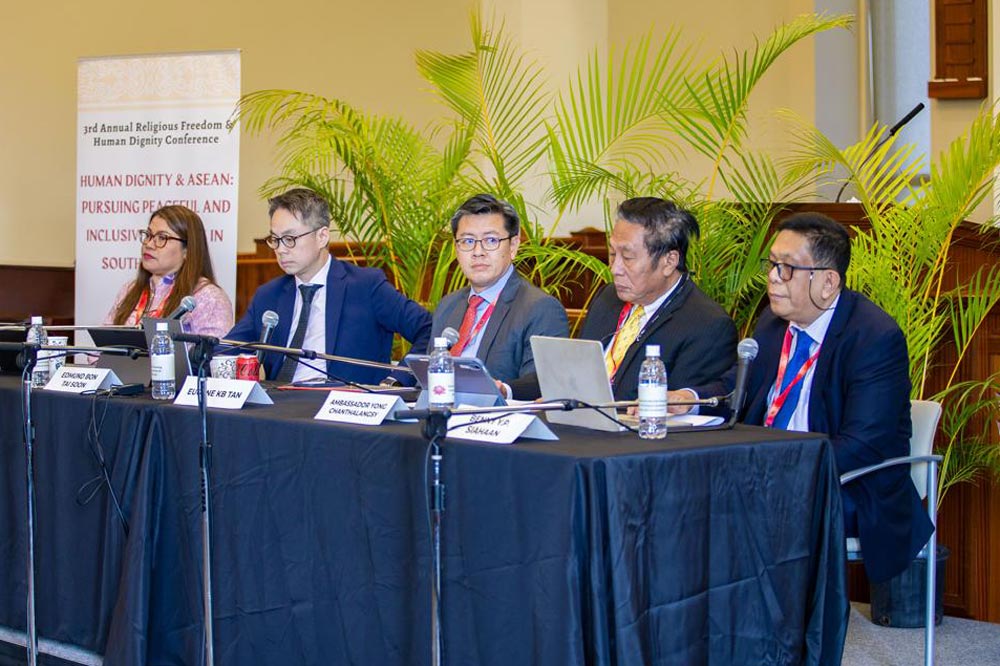
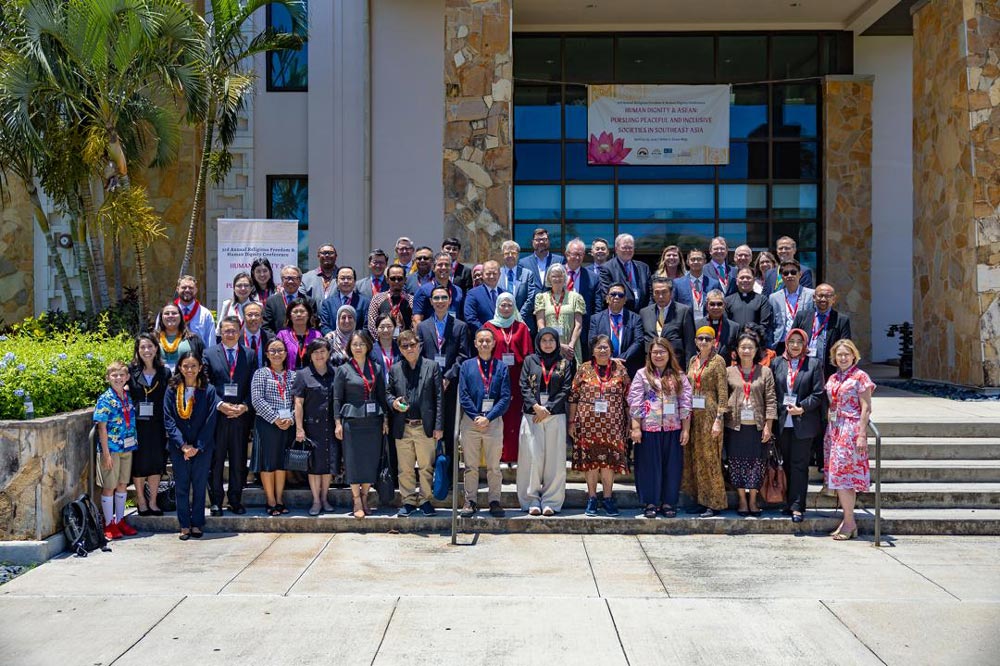
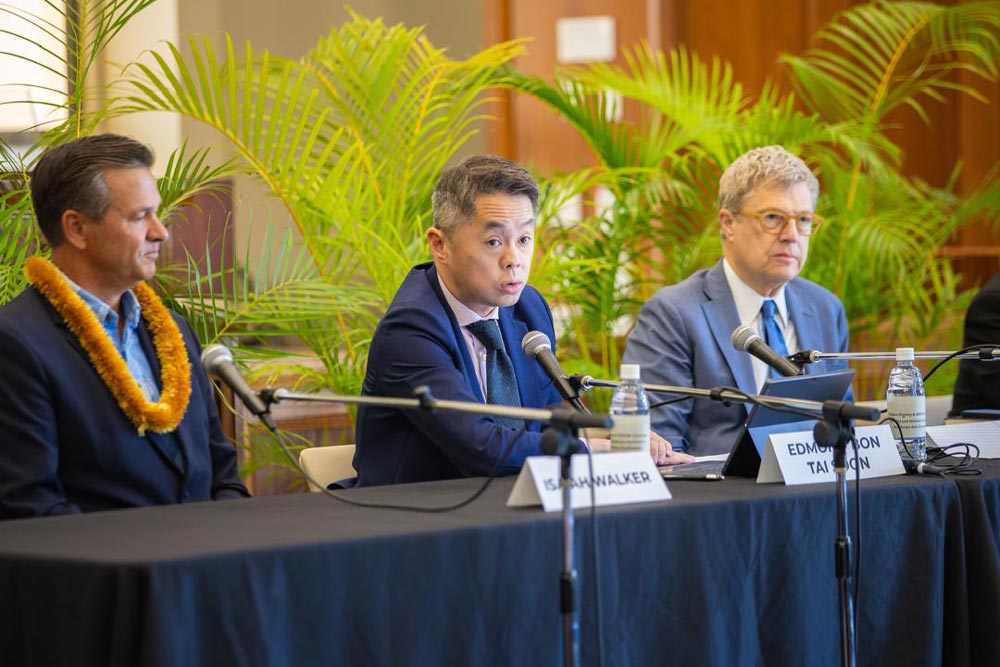
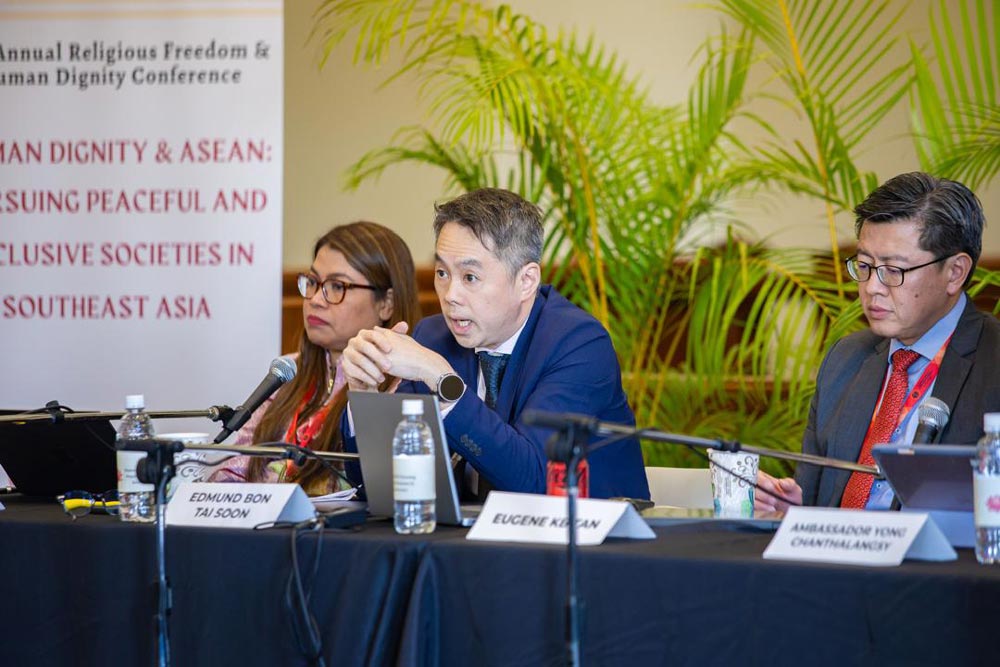
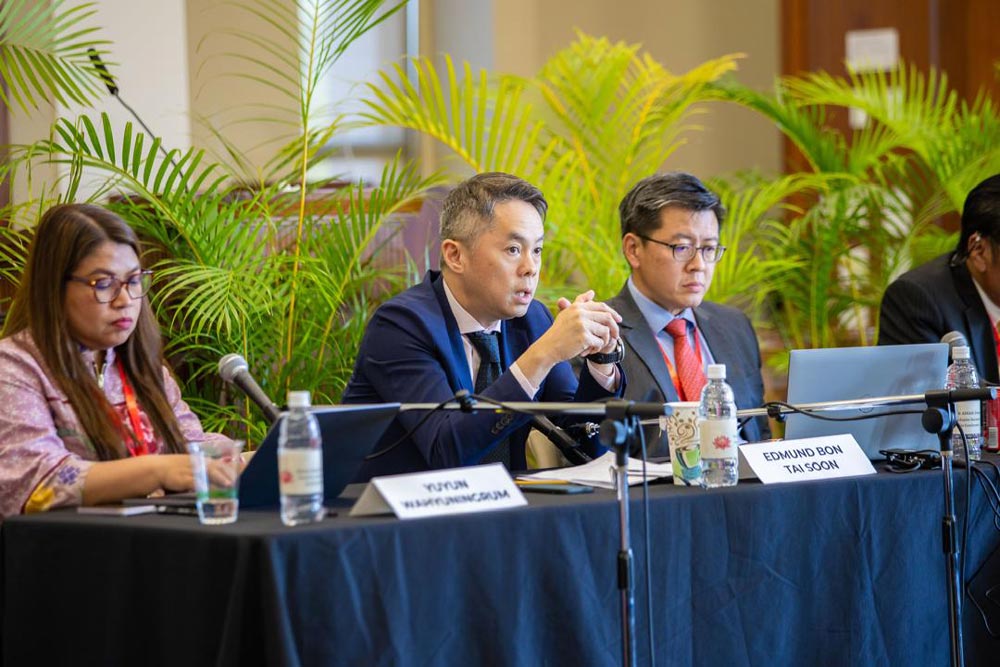
These remarks were delivered on 23 April 2025 at the “Human Dignity and ASEAN: Pursuing Peaceful and Inclusive Societies in Southeast Asia” conference held from 22 to 25 April 2025 at the Brigham Young University–Hawaii, in Lāʻie, Hawaii. The conference was organised by the Religious Freedom and Human Dignity Initiative at Brigham Young University–Hawaii in partnership with The International Center for Law & Religion Studies at Brigham Young University (United States), the Institute of Islamic Understanding Malaysia (IKIM) (Malaysia), the Leimena Institute (Indonesia), and the Religious Freedom Institute Southeast Asia Action Team (United States).