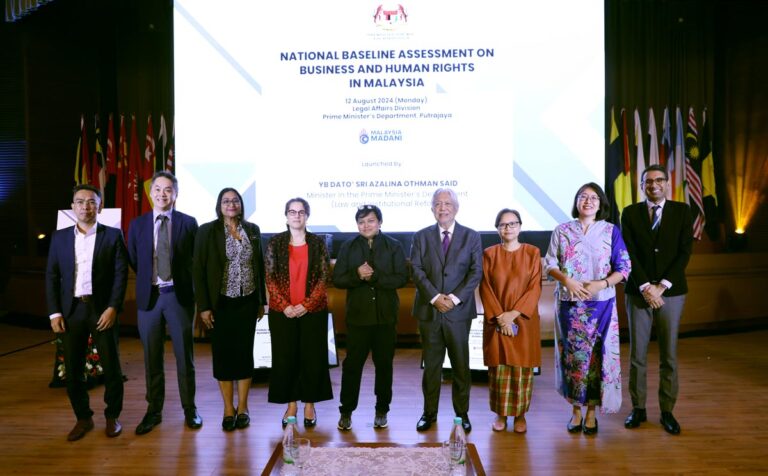

173 action items recommended for Malaysia’s National Action Plan on Business and Human Rights on governance, labour and the environment

Edmund extended his appreciation to the team of experts and everyone who contributed to the drafting of the National Baseline Assessment on Business and Human Rights in Malaysia. The report presented important recommendations: to mainstream human rights, to make human rights and environmental due diligence mandatory, and to better protect marginalised communities.

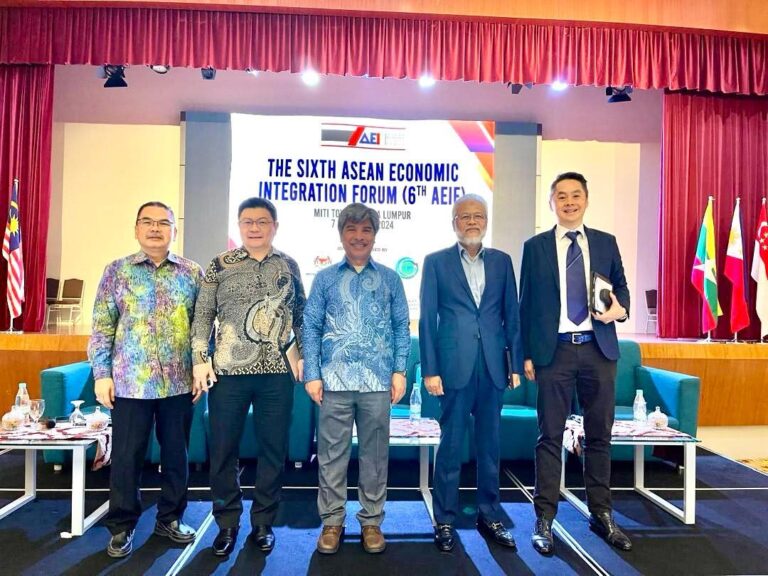
Megatrends: Geopolitics, geoeconomics, ASEAN Centrality, and human rights

Speaking on geopolitical and geoeconomic megatrends in ASEAN, Edmund Bon cautioned that, while the economic “decoupling” between the West and China may offer opportunities to ASEAN, human rights including labour rights, environmental rights, right to information, and right to self-determination need to be at the forefront of economic development in the region. Only then can we say we have achieved an ASEAN Centrality that can adequately safeguard our peoples.

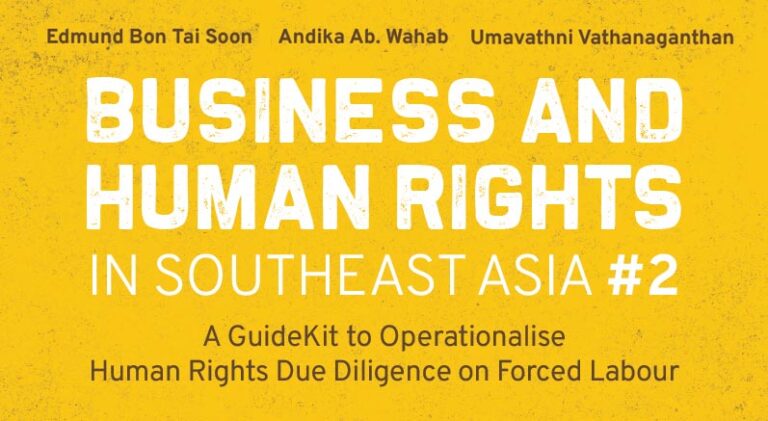
Invitation to book launch, 12 June 2024, Bangkok — Business and Human Rights in Southeast Asia #2: A GuideKit to Operationalise Human Rights Due Diligence on Forced Labour

A noticeable shift is occurring in the assessment of corporate responsibility towards human rights, from voluntary initiatives and market-driven standards towards stricter regulatory requirements, including the growing utilisation of trade sanctions. With the abundance of available approaches, where should businesses even begin? Join us on 12 June 2024 (Wednesday), 4.30pm in Bangkok to find out more.

Benchmark Litigation 2024: Strong commercial understanding, excels in legal research

Benchmark Litigation ranked AmerBON as “Highly Recommended” under the category of White Collar Crime, and “Notable” under Commercial and Transactions. One client’s feedback on AmerBON’s work: “Effective client management, strong commercial understanding of business partnerships, and a brilliant comprehension of how, why, and what to seek in a commercial arrangement to advise on litigation pressure points.”

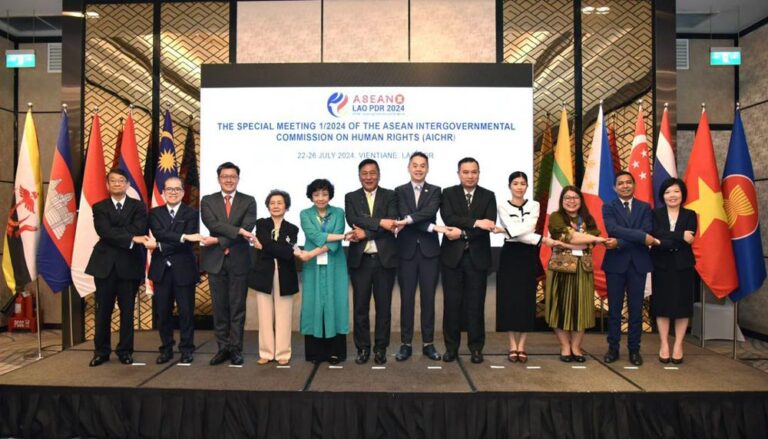
A decade of the ASEAN Human Rights Declaration

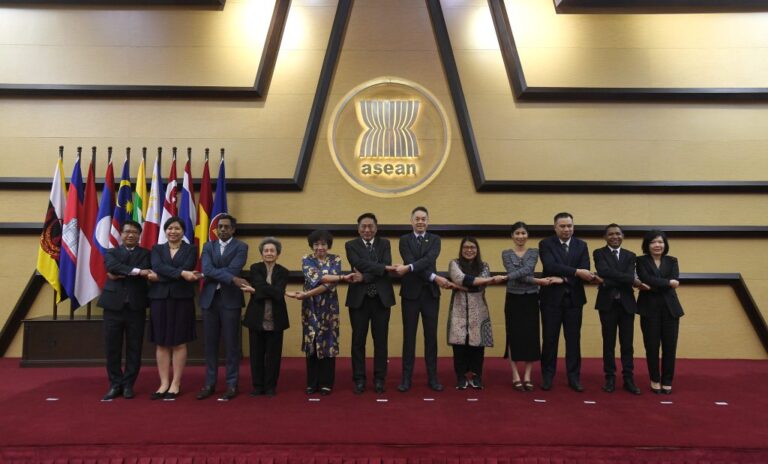
While the AHRD has provided a platform for dialogue on human rights and has facilitated certain engagement initiatives, its limitations underscore ASEAN’s ongoing challenges in prioritising human rights. These shortcomings raise significant questions about the AHRD’s relevance and its overall impact within the ASEAN region.

Focusing on BHR-ESG includes advancing corporate accountability

Progress towards the Sustainable Development Goals (SDGs) has been slow. Growing income inequality, conflicts, and climate change pose significant challenges. One report says the SDGs can only be achieved in 2092. In this context, corporate accountability becomes crucial. The third pillar of the UNCPs — access to remedy — must be at the front and centre of our work on sustainability.

Grant refugees rights, enable them to lead a decent life

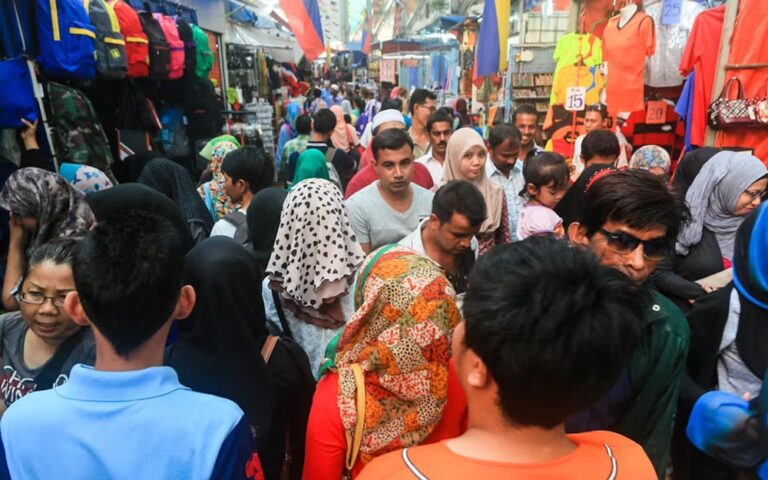
Findings from recent research confirmed that refugees in Malaysia have been harassed by the authorities and subjected to demands for bribes. The inhumane treatment of refugees is unacceptable. If we are to progress as a nation, we cannot continue to be a society that allows the most vulnerable among us to be bullied.

173 action items recommended for Malaysia’s National Action Plan on Business and Human Rights on governance, labour and the environment

Edmund extended his appreciation to the team of experts and everyone who contributed to the drafting of the National Baseline Assessment on Business and Human Rights in Malaysia. The report presented important recommendations: to mainstream human rights, to make human rights and environmental due diligence mandatory, and to better protect marginalised communities.

Megatrends: Geopolitics, geoeconomics, ASEAN Centrality, and human rights

Speaking on geopolitical and geoeconomic megatrends in ASEAN, Edmund Bon cautioned that, while the economic “decoupling” between the West and China may offer opportunities to ASEAN, human rights including labour rights, environmental rights, right to information, and right to self-determination need to be at the forefront of economic development in the region. Only then can we say we have achieved an ASEAN Centrality that can adequately safeguard our peoples.

Invitation to book launch, 12 June 2024, Bangkok — Business and Human Rights in Southeast Asia #2: A GuideKit to Operationalise Human Rights Due Diligence on Forced Labour

A noticeable shift is occurring in the assessment of corporate responsibility towards human rights, from voluntary initiatives and market-driven standards towards stricter regulatory requirements, including the growing utilisation of trade sanctions. With the abundance of available approaches, where should businesses even begin? Join us on 12 June 2024 (Wednesday), 4.30pm in Bangkok to find out more.

Benchmark Litigation 2024: Strong commercial understanding, excels in legal research

Benchmark Litigation ranked AmerBON as “Highly Recommended” under the category of White Collar Crime, and “Notable” under Commercial and Transactions. One client’s feedback on AmerBON’s work: “Effective client management, strong commercial understanding of business partnerships, and a brilliant comprehension of how, why, and what to seek in a commercial arrangement to advise on litigation pressure points.”

A decade of the ASEAN Human Rights Declaration

While the AHRD has provided a platform for dialogue on human rights and has facilitated certain engagement initiatives, its limitations underscore ASEAN’s ongoing challenges in prioritising human rights. These shortcomings raise significant questions about the AHRD’s relevance and its overall impact within the ASEAN region.

Focusing on BHR-ESG includes advancing corporate accountability

Progress towards the Sustainable Development Goals (SDGs) has been slow. Growing income inequality, conflicts, and climate change pose significant challenges. One report says the SDGs can only be achieved in 2092. In this context, corporate accountability becomes crucial. The third pillar of the UNCPs — access to remedy — must be at the front and centre of our work on sustainability.

Grant refugees rights, enable them to lead a decent life

Findings from recent research confirmed that refugees in Malaysia have been harassed by the authorities and subjected to demands for bribes. The inhumane treatment of refugees is unacceptable. If we are to progress as a nation, we cannot continue to be a society that allows the most vulnerable among us to be bullied.