
Your Excellencies, colleagues and friends.
Allow me to deliver my brief intervention for this Agenda Item 12.1 on Recent Developments in ASEAN.
ASEAN has experienced remarkable economic growth over the past few decades. Through regional cooperation, trade liberalisation, economic partnerships, and strong diversification, the region has seen a significant rise in foreign direct investment. This economic progress has helped ASEAN nations improve the standard of living for our populations by providing basic needs, infrastructure, and human capital development. However, the region still faces numerous challenges on the path to a sustainable future, including conflicts and human rights violations. To overcome these obstacles, ASEAN must remain resilient, robust, and adaptable.
While economic growth is undoubtedly important, it should not be measured solely by traditional GDP (Gross Domestic Product) metrics. ASEAN’s commitment to the United Nations 2030 Agenda for Sustainable Development (SDGs) reflects a broader understanding of progress. Development should also be assessed by factors such as peace, strong institutions, decent work opportunities, reduced inequalities, and access to clean water and sanitation. Ultimately, development is about improving the lives and well-being of people, allowing them to thrive in society.
Thus, economic growth must be closely linked to the multidimensional aspects of human development, ensuring that the benefits of growth are shared equitably and sustainably across all sectors of the population. ASEAN peoples must also have a say and a voice at the table on things that impact their lives. Achieving this goal requires efforts to ensure that all individuals can participate in and benefit from opportunities for better health, education, cultural, environmental, political, and social inclusion, which are fundamental components of the right to development.
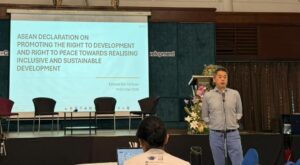
Equally important is the need for peace and security. The absence of conflict, violence, and civil unrest is crucial to foster a sense of safety, enabling individuals to engage in economic activities, access education and healthcare, and fully participate in society. The right to peace is essential to drive inclusive growth and sustainable development. The ASEAN Human Rights Declaration and the Phnom Penh Statement on the Adoption of the ASEAN Human Rights Declaration (AHRD) 2012 address the right to development in Articles 35, 36, and 37 and the right to peace in Article 38.
This year, Malaysia hosts ASEAN with the guiding themes of “Inclusivity” and “Sustainability”. Central to these themes is Malaysia’s concept of MADANI, which aims to foster a more inclusive, sustainable, and prosperous society. Importantly, peace — both positive and negative peace — in the region must be emphasised. These are our priorities.
Our Prime Minister, Dato’ Seri Anwar Ibrahim, in his opening remarks at the Khazanah Megatrends Forum on 7 October 2024 said this, and I quote:
… our development pathway must be forward-looking, and our solutions must serve the wellbeing of the people, addressing inequality and cultivating a mindset of shared responsibility and innovation … Prof Stiglitz calls it “progressive capitalism” and I call it “humane economy for social justice”.
Throughout its history, ASEAN has consistently been at the forefront of addressing inequality and advocating for social justice, equity, and inclusivity. These principles now shape national policies and programmes across a variety of sectors in ASEAN countries, including poverty eradication, capacity building, gender empowerment, education, healthcare, social protection, and business and investment.
At AICHR, I would urge us to collectively co-create and codify our countries’ achievements into all our work and mainstream human rights in the sectors and pillars of the ASEAN Community, particularly as ASEAN will soon adopt the Community Vision 2045 and its strategic plans.
We must continue to advance the SDGs to propel ASEAN’s commitments on them, reinforcing goals that require more support, such as the goals on peace, justice and strong institutions. We must mainstream inclusive growth to embed sustainable development into ASEAN’s human rights operationalisation framework.
We should strengthen cross-pillar collaboration to provide a solid foundation for ASEAN sectoral bodies across all three pillars to coordinate efforts and embed human rights, development and peace into ASEAN’s broader agenda. We should position ASEAN as a global leader to elevate ASEAN and AICHR as champions of inclusive growth and sustainable development, thus setting regional and global precedents. More importantly, we should drive an ASEAN-led and ASEAN-owned whole-of-ASEAN approach to share our model for development and peace, and ensure sustainable growth is achieved on ASEAN’s terms, not dictated by external forces.
Thank you.
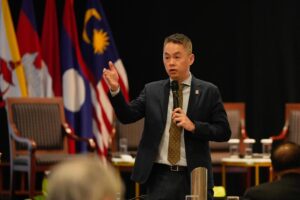
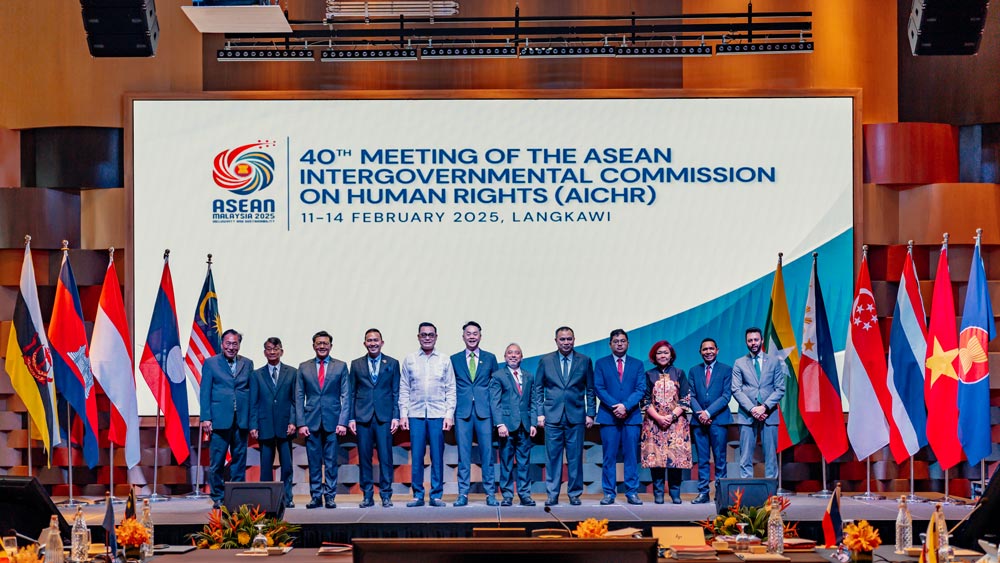
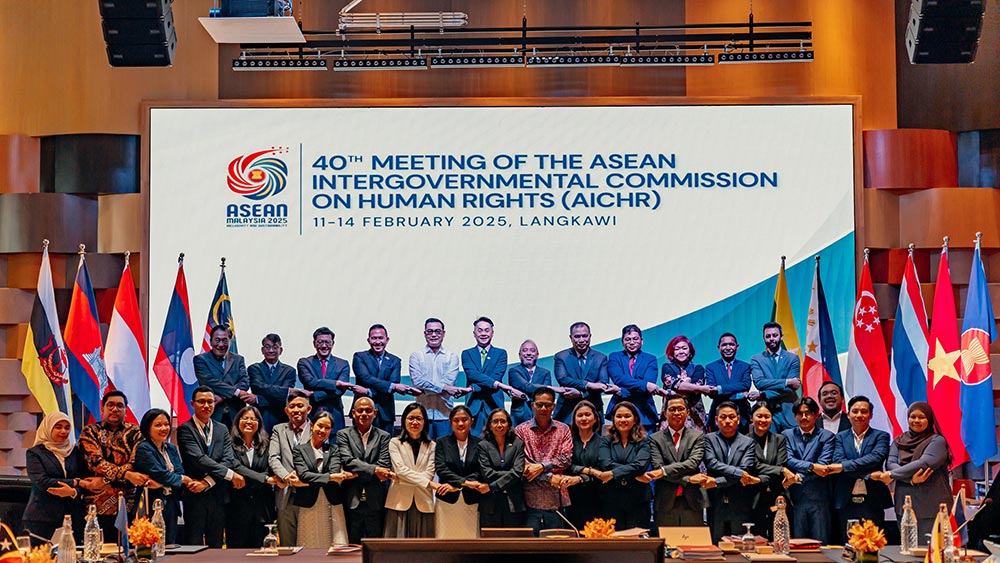
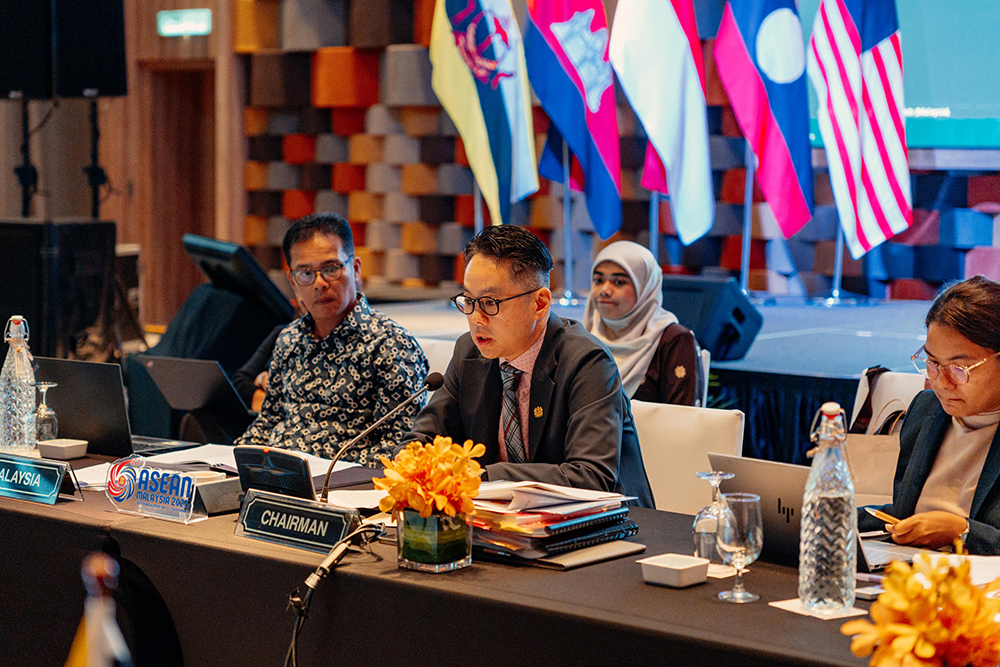
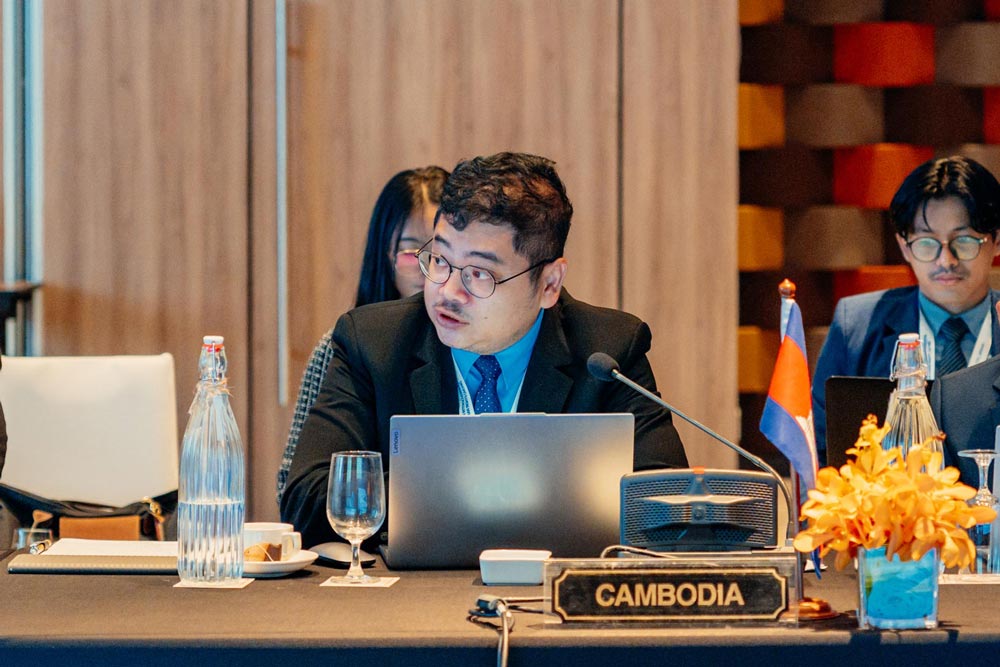
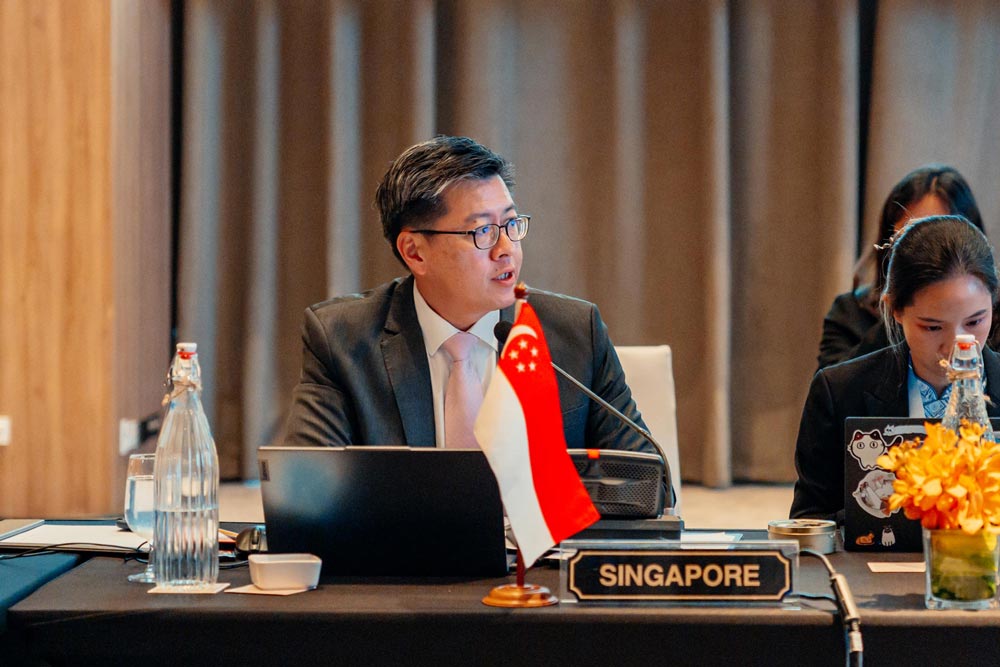
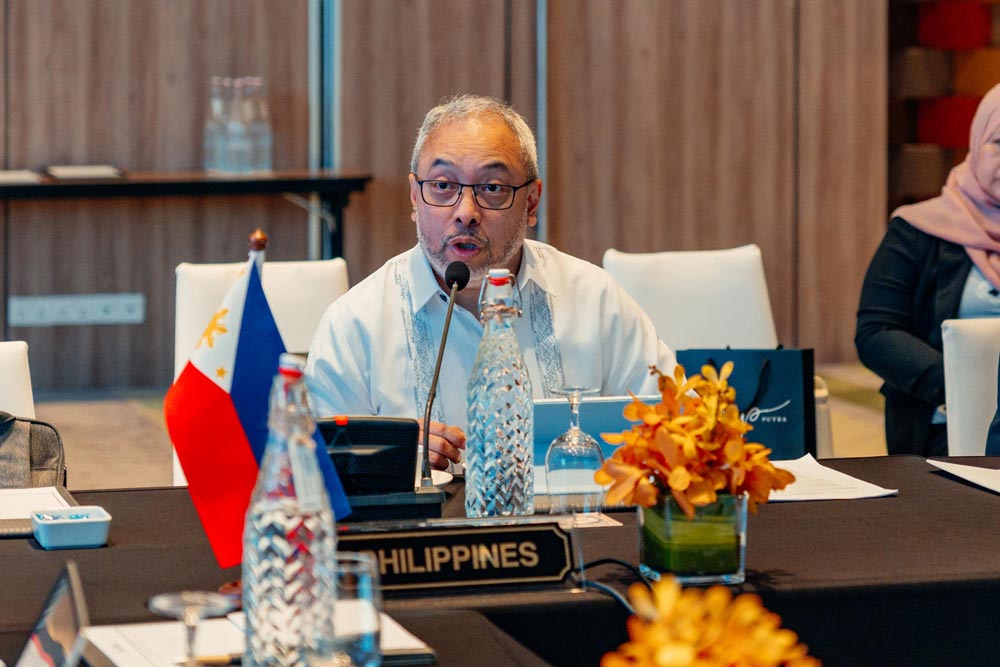
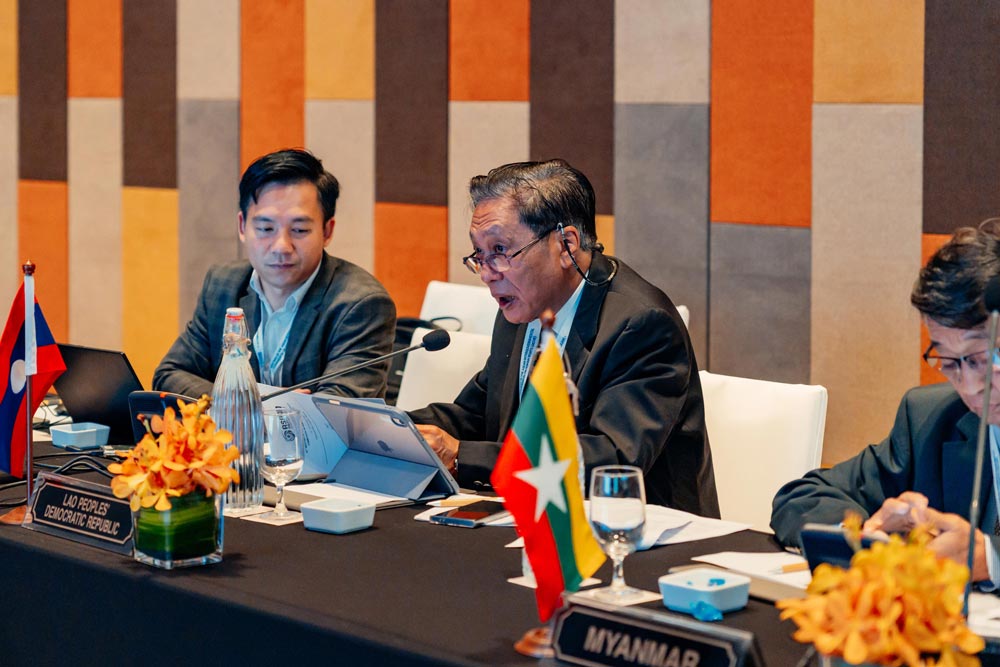
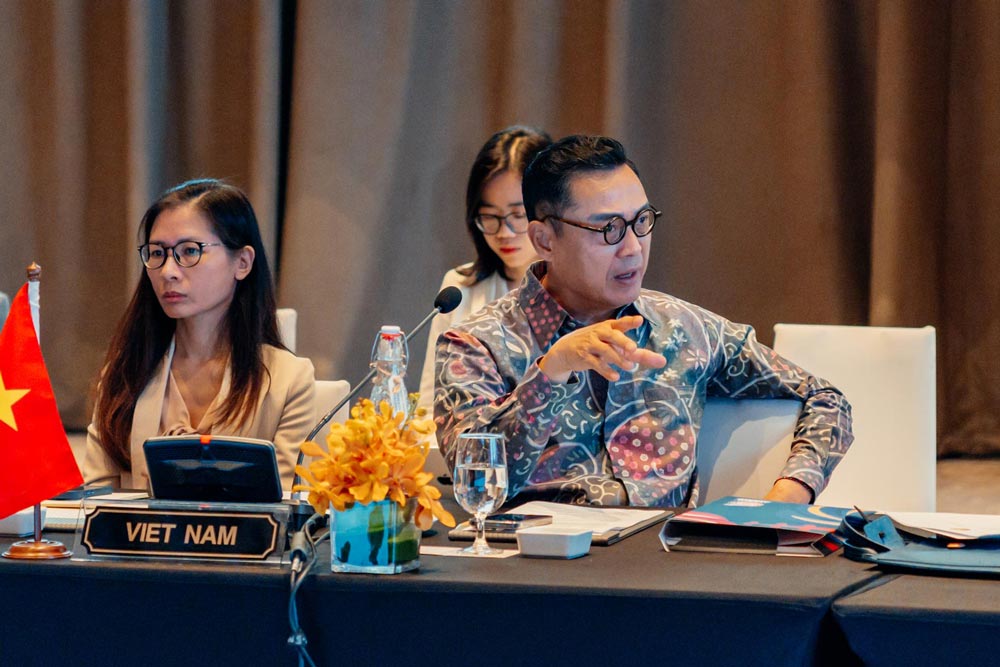
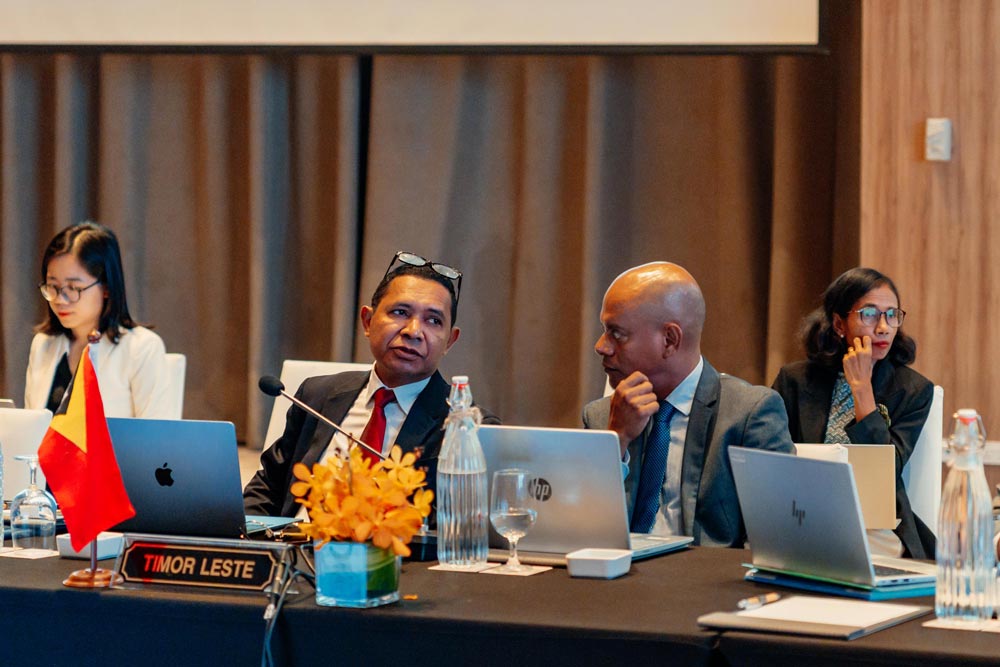
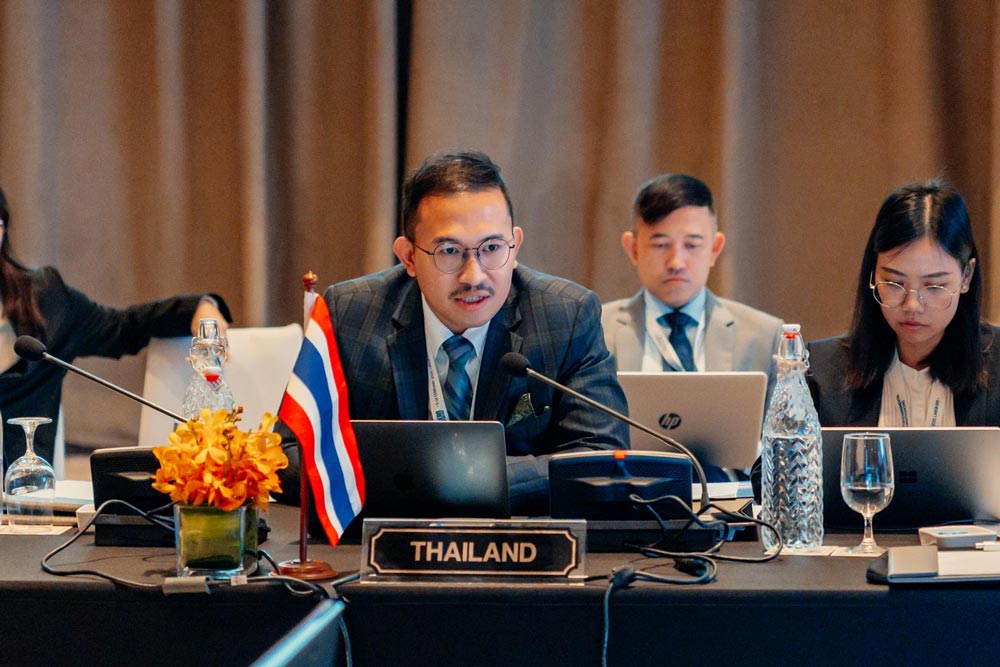
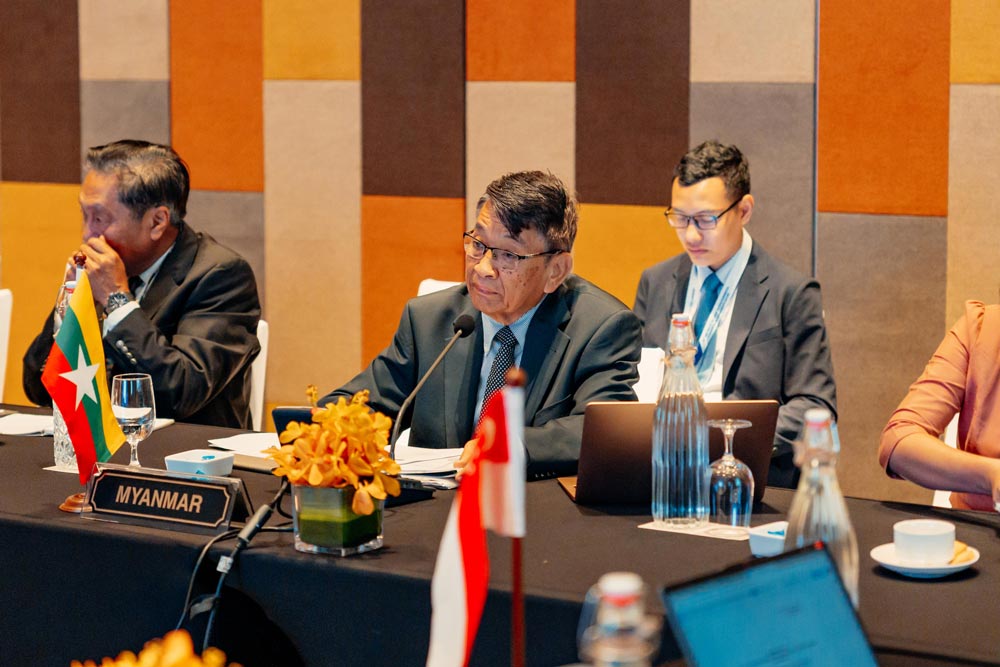
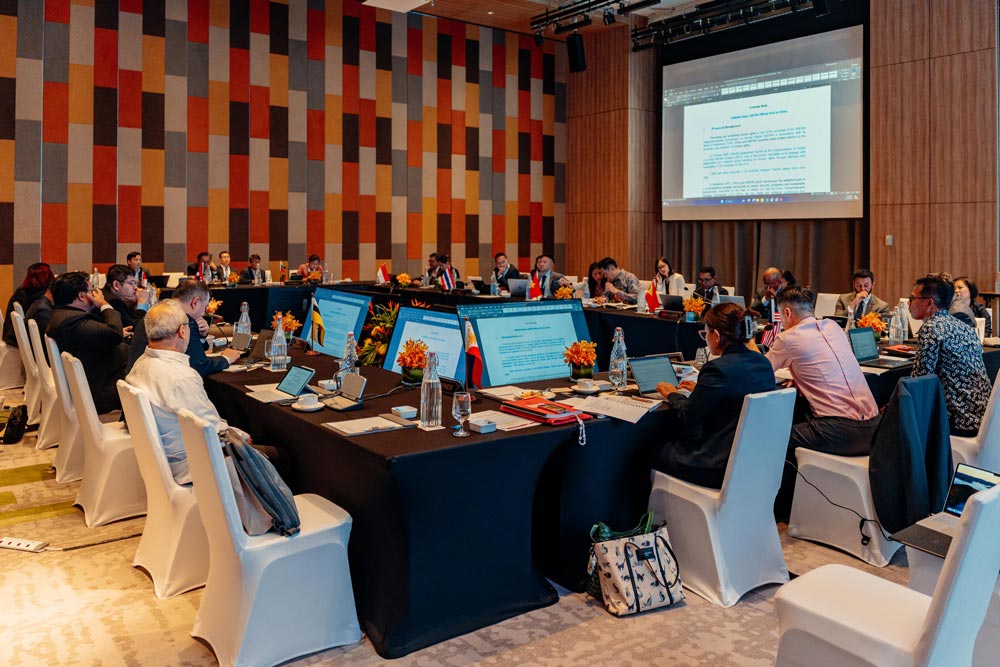
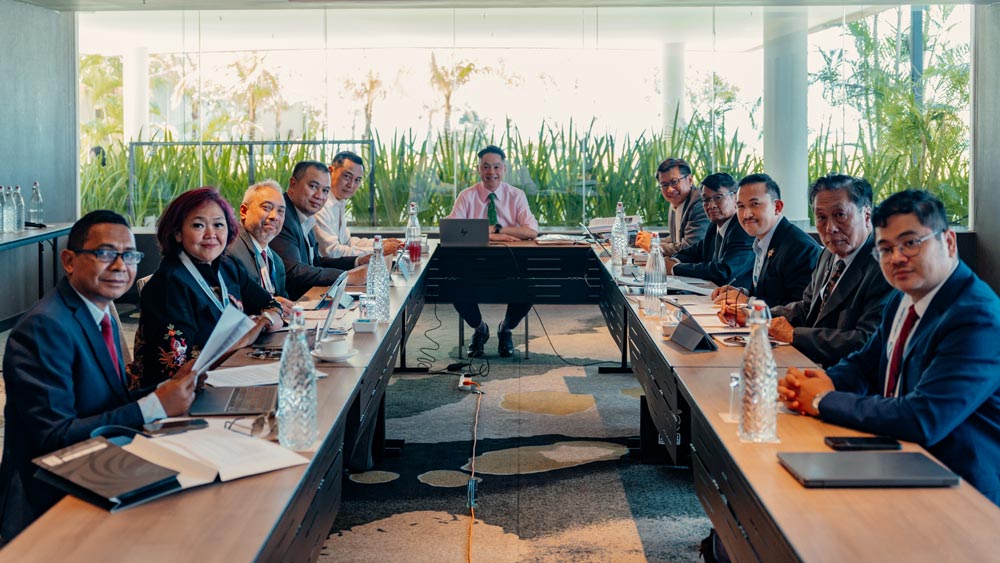
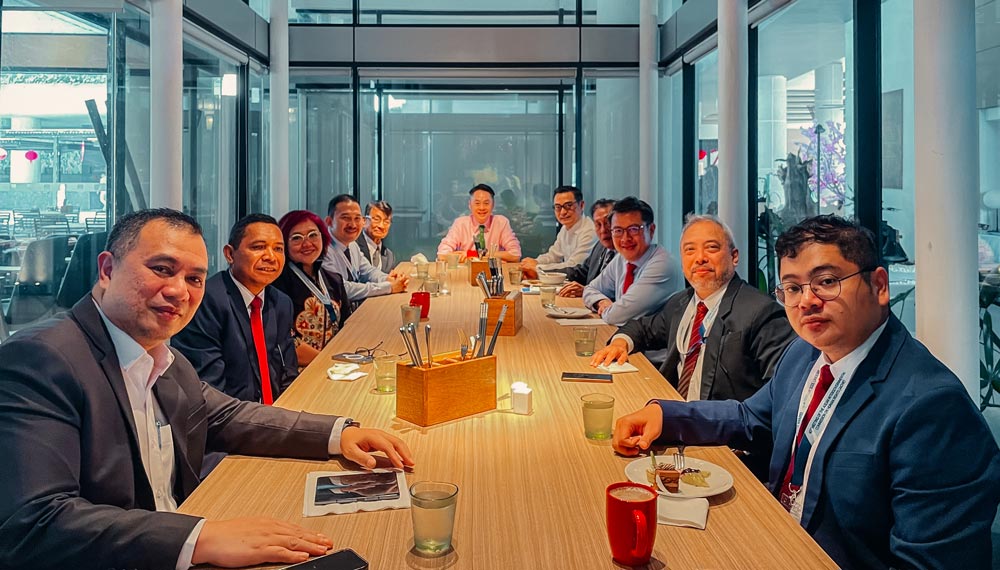
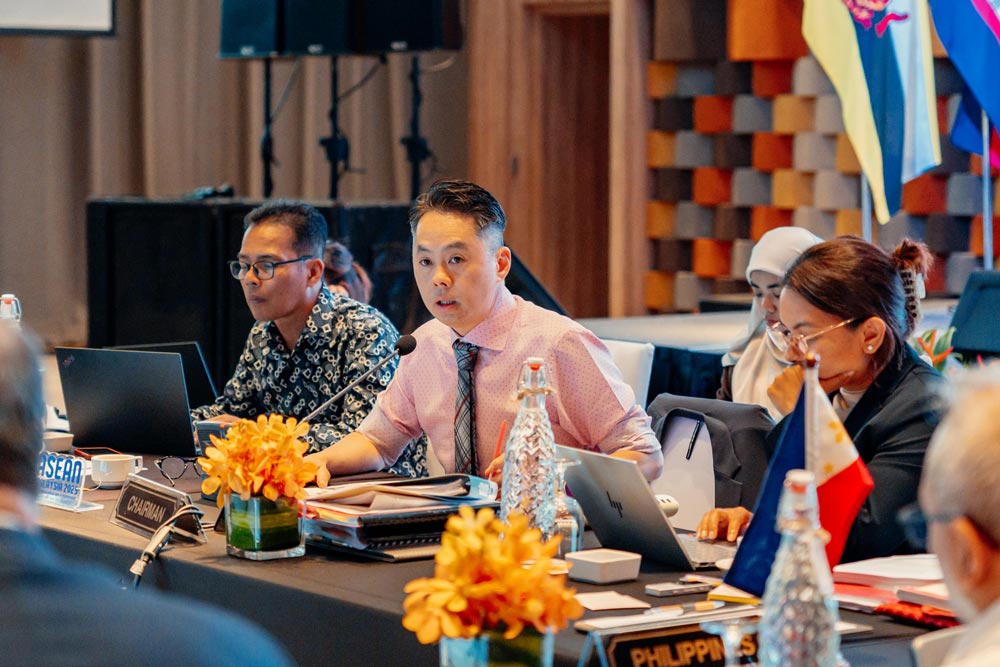
This statement was delivered to the ASEAN Intergovernmental Commission on Human Rights (AICHR) on Agenda Item No. 12.1 on Recent Developments in ASEAN on 12 February 2025, at the 40th Meeting and Retreat of AICHR held in Langkawi, Malaysia from 11 to 14 February 2025. The press release on the 40th Meeting and Retreat can be accessed here.