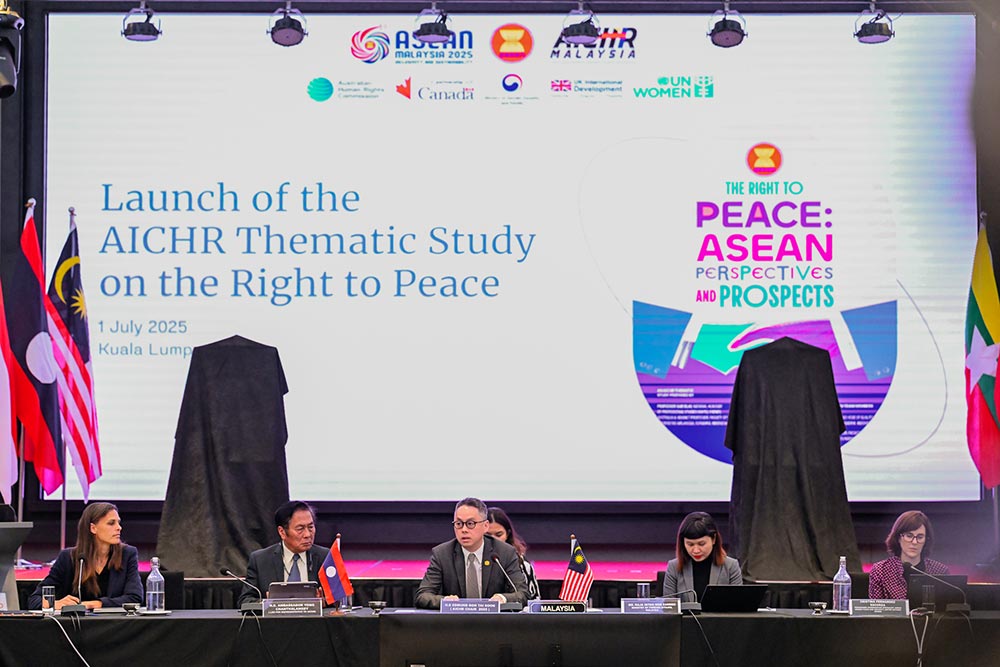

Representatives of the ASEAN Intergovernmental Commission on Human Rights (AICHR),
Raja Intan Nor Zareen binti Raja Khairul Anuar, Ministry of Foreign Affairs of Malaysia,
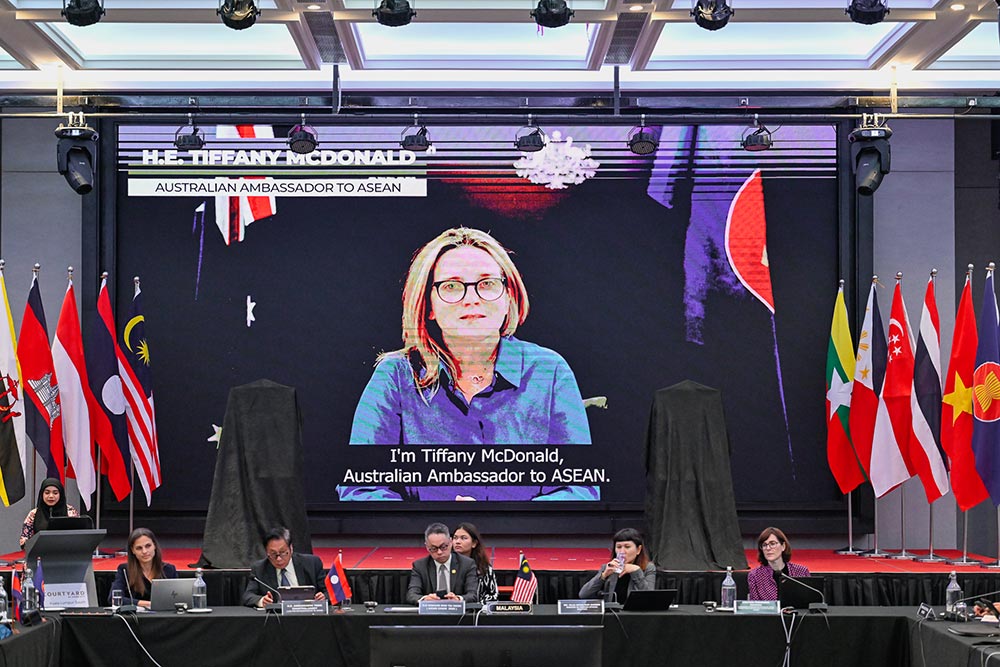
Ambassador Tiffany McDonald, Head of Mission, Australian Mission to ASEAN (who is joining us online),
Ms Cristina Fernández Escorza, Programme Coordination Specialist, ASEAN-Women Peace and Security, United Nations Women (UN Women),
Ms Joanna Mansfield, Team Leader, International Engagement, Australian Human Rights Commission (AHRC),
Excellencies, distinguished guests, ladies and gentlemen.
Salam sejahtera and good afternoon.
On 26 May 2025, ASEAN Leaders made history by signing the Kuala Lumpur Declaration on ASEAN 2045: Our Shared Future and correspondingly adopted the ASEAN Community Vision 2045 “Resilient, Innovative, Dynamic, and People-Centred ASEAN” along with its Strategic Plans. It is stated that our future ASEAN will be an ASEAN Community that is an inclusive and cohesive Community that respects political, social, religious, cultural, and ethnic diversities, which upholds the principles of democracy, rule of law, and good governance, respects fundamental freedoms, and promotes and protects human rights and social justice. The Community will be anchored on ASEAN Centrality with enhanced institutional capacity and effectiveness, with ASEAN organs, bodies, and mechanisms that are more decisive, responsive, and timely as well as future-ready in addressing global and regional challenges.
Regional peace is a challenge. It is a sub-national, national, and regional challenge. At times, it is an international challenge.
The reality is that there are continuing conflicts and threats to peace in ASEAN due to a host of reasons. We cannot hide or run away from this fact. And to discuss peace and human rights, we need to discuss conflict. Spillover conflict issues that become region-centric issues cannot always be considered internal affairs of ASEAN Member States.
This is reflected in the ASEAN Community Vision 2045 and ASEAN’s initiatives on conflict prevention, and civilian and human rights protection. Further, to ensure that the text of the 2007 ASEAN Charter will mean something to us in our lived experiences and realities, we need to create and enlarge a safe civil space to discuss and confront complex issues, including conflict and peace, deeply. Given AICHR’s overarching mandate as ASEAN’s Charter body, it is well-placed and sufficiently flexible to platform and address peace and peacebuilding efforts.
The right to development, the right to peace and the right to a safe, clean, and sustainable environment are the three “add-value” rights distinguishing the ASEAN Human Rights Declaration 2012 (AHRD) from the Universal Declaration of Human Rights 1948. These rights reflect the unique regional context and priorities of ASEAN nations, emphasising the interdependence of peace, development, and environmental protection in the promotion and protection of human rights.
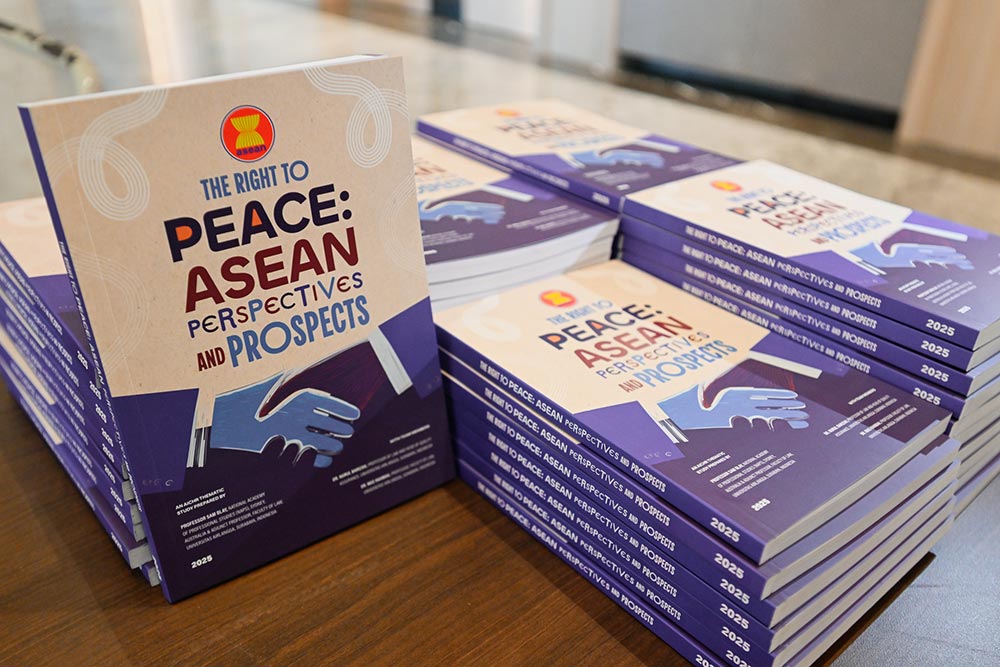
After almost 13 years after the right to peace in Article 38 of the AHRD was declared, this thematic study on the right to peace in ASEAN is an indispensable springboard for action.
Peace cannot last without both negative and positive peace. Positive peace requires addressing the root causes of conflict, ensuring inclusive and sustainable development, protecting human rights, and fostering societies where individuals can thrive with dignity and security.
To achieve a culture of peace, positive peace must also be promoted, and it must be concrete, achievable, and integral to ASEAN’s policies on security, development, and human rights.
While efforts to promote peacebuilding, preventive diplomacy, and community resilience are ongoing, economic disparities, and differing cultures and political systems within ASEAN continue to pose significant hurdles. Without mechanisms able to provide early warning signs and rapid responses, and at the same time, enhanced remedy and grievance channels through which affected people and communities can invoke the right to peace directly — the right risks becoming “illusory”.
I trust that AICHR can enhance ASEAN’s capacity to operationalise the diplomatic and interlocutor tracks by undertaking strategic initiatives to advance the right to peace. Through its strength, AICHR can also provide safe spaces for dialogue while enacting collaborative measures with ASEAN actors and stakeholders. These possible forms of human rights practices are aligned with the ASEAN Community Vision 2045 to refresh processes to be more resilient, innovative, agile, adaptive, responsive, and decisive in addressing increasing cross-cutting issues.
We at ASEAN are challenged to proactively turn ASEAN’s aspiration to be a people-centred, caring, and sharing community into a structured reality so that every person can live free from fear and want, and secure in the knowledge that the promise of peace underpins — and never undermines — their equal, fundamental, and inalienable human rights.
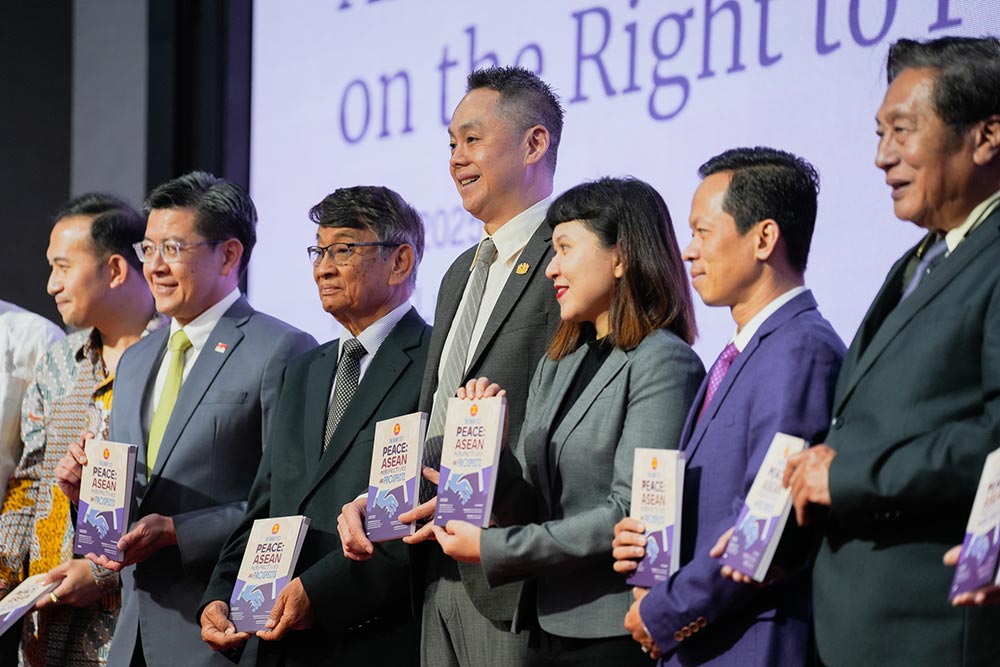
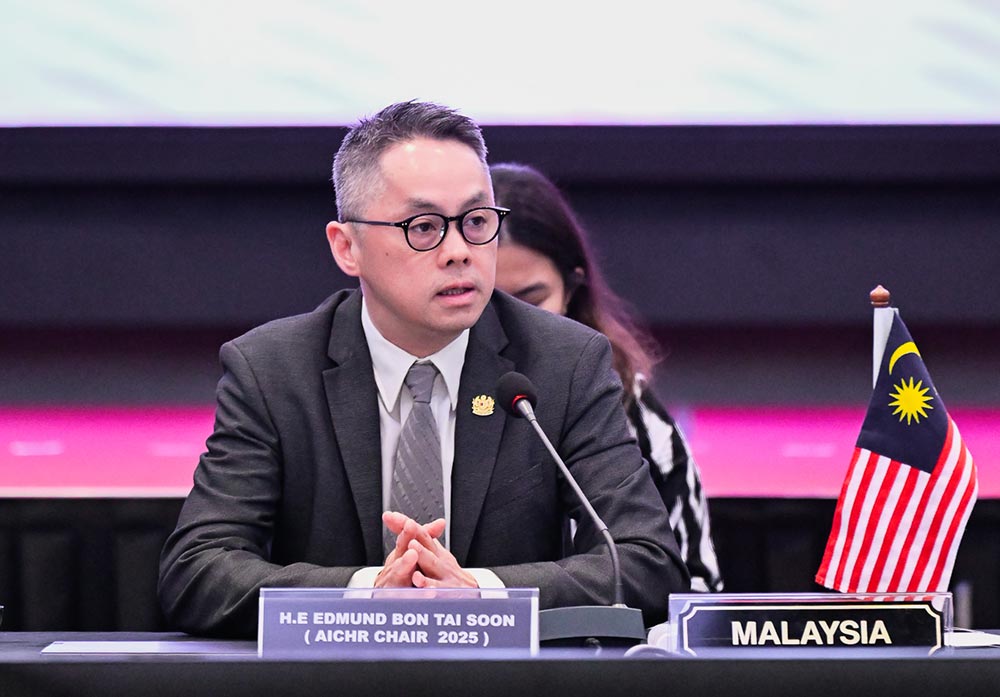
On behalf of AICHR as its Chair this year, I commend this report to rightsholders, stakeholders and all those interested in this subject, aiming to provide substance to ASEAN’s broad promise of peace and respect for human rights. The data support existing frameworks for ASEAN Member States to translate promise into practice.
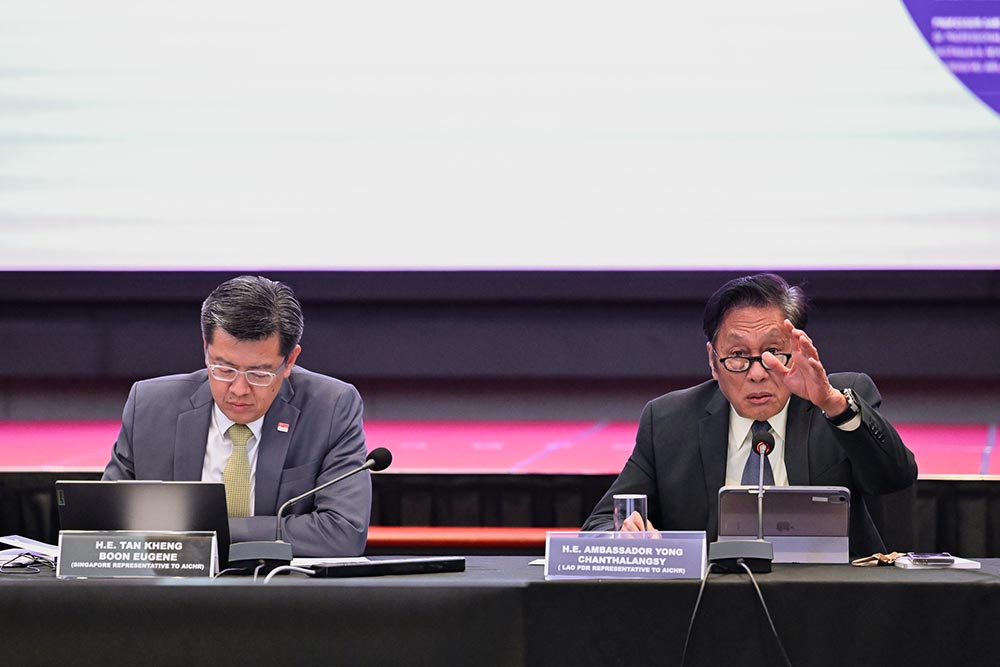
I applaud the persistence of the Representatives of Lao PDR in leading this study, and particularly Excellency Ambassador Yong Chanthalangsy for completing it during his time, and in supporting this launch event. The report was adopted at the AICHR 40th Meeting and Retreat held from 11 to 14 February 2025 in Langkawi and aligns with Malaysia’s ASEAN 2025 theme of “Inclusivity and Sustainability” that includes the agenda to protect and promote human rights to peace and development.
I thank the research team, writers and all the AICHR Representatives who have throughout the years supported the study.
Finally, I acknowledge UN Women for providing resources for this launch programme, and the Australian Human Rights Commission on behalf of the Australian Government for making the publication and printing of the report possible.
As we move forward in the face of regional conflicts and challenges, ASEAN and AICHR must robustly continue their quest to find common ground to smoothen and deepen our pathways to peace. It will not be easy. But if we know that what we are doing is right, we need to be strong, brave, and courageous to do it.
I want to thank the team led by Malaysia’s AICHR Assistants — Toh Nyon Nyin, Nurul Aliaa Azman, Valen Khor, Umavathni Vathanaganthan, and Nurkamelia Ghazali — for putting together this programme, and the staff from the Ministry of Foreign Affairs of Malaysia for their invaluable support.
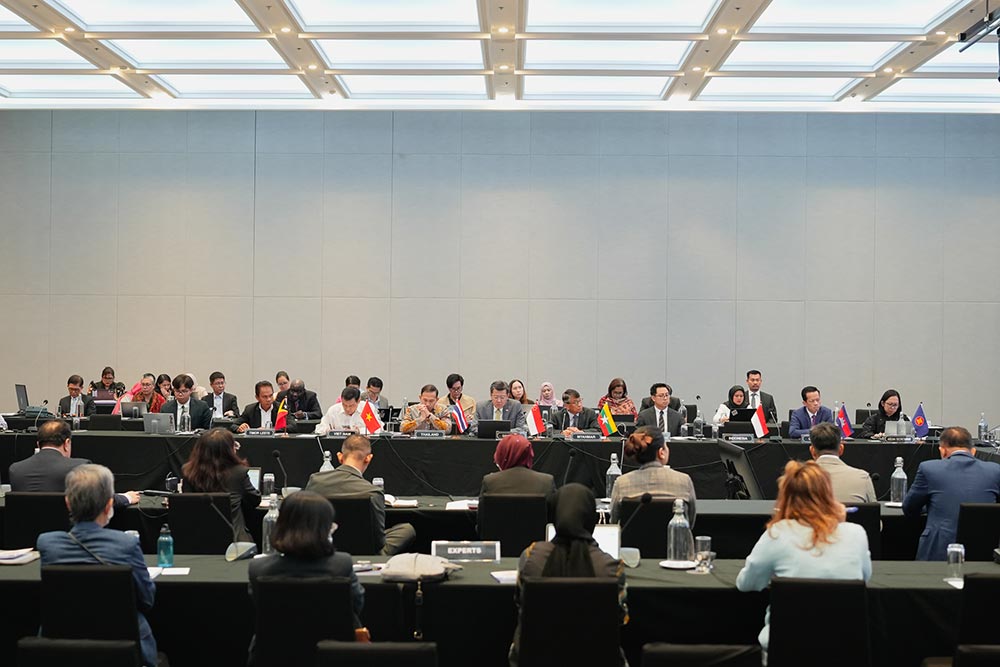
Once again, I welcome you to this launch event and trust you will actively participate in the panel discussions.
Terima kasih.
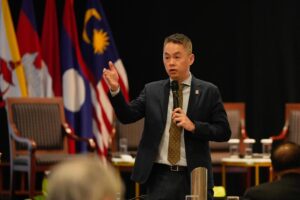
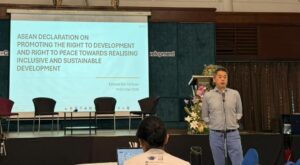
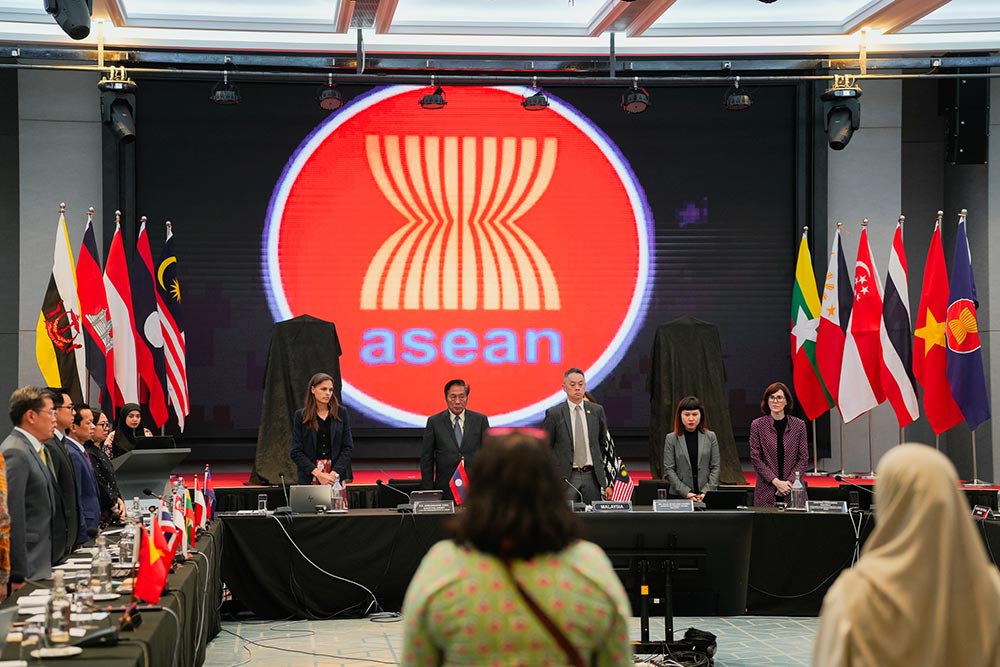
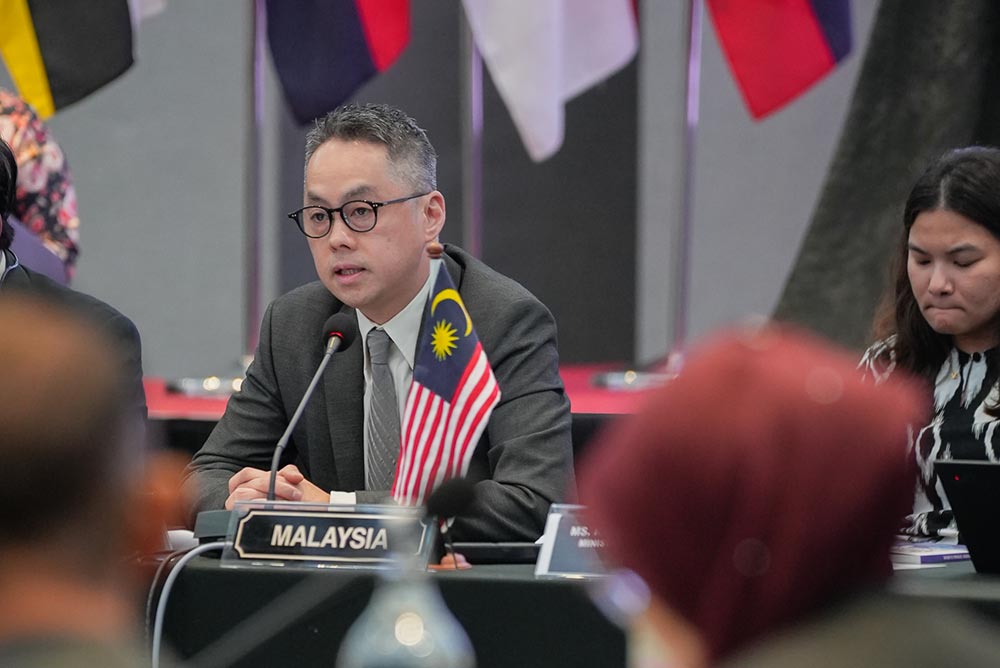
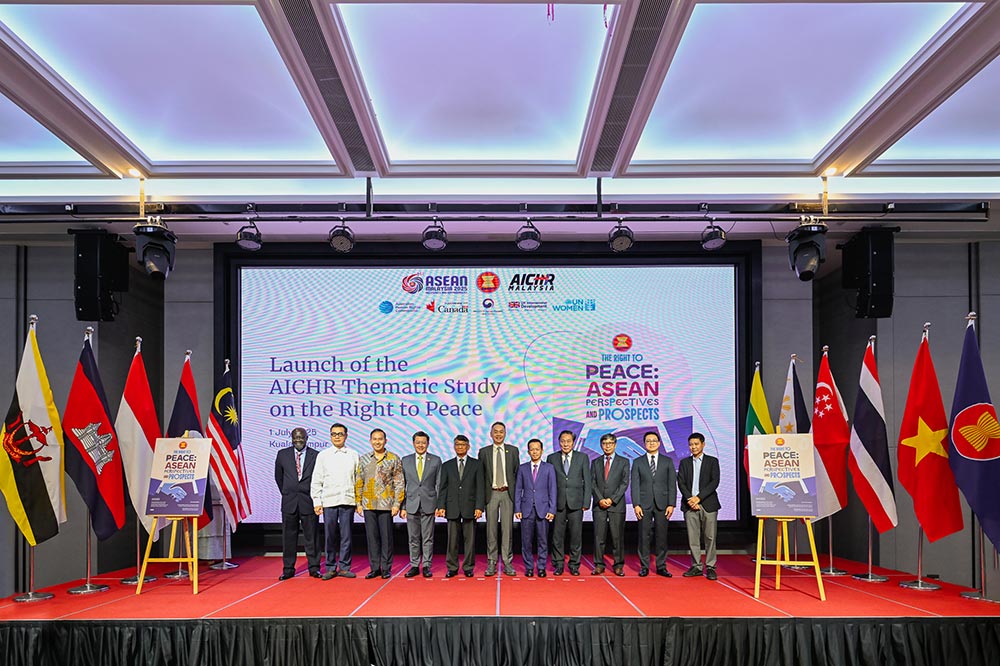
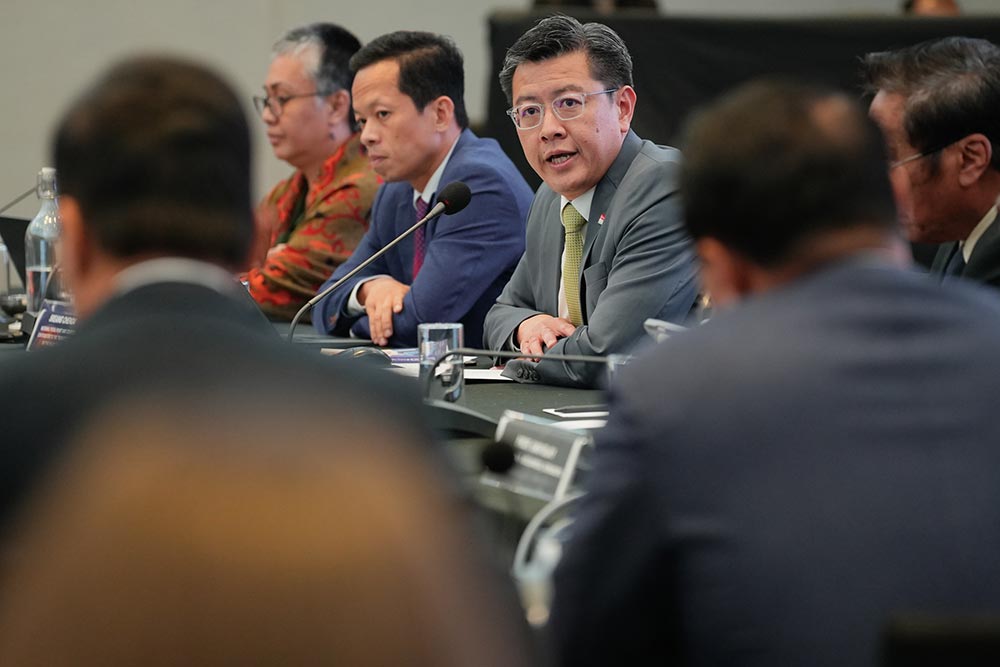
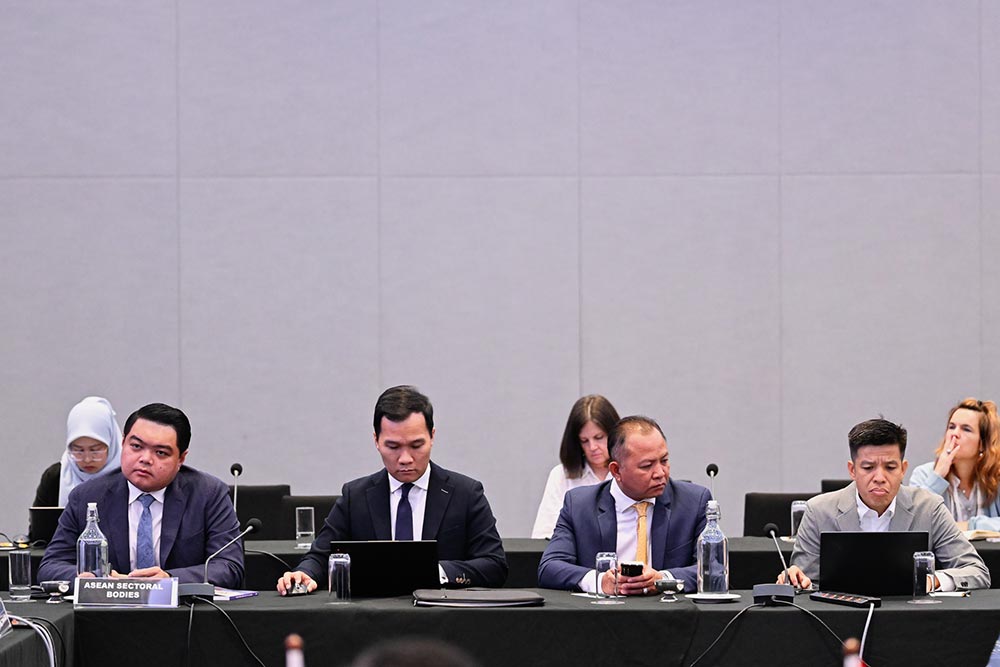
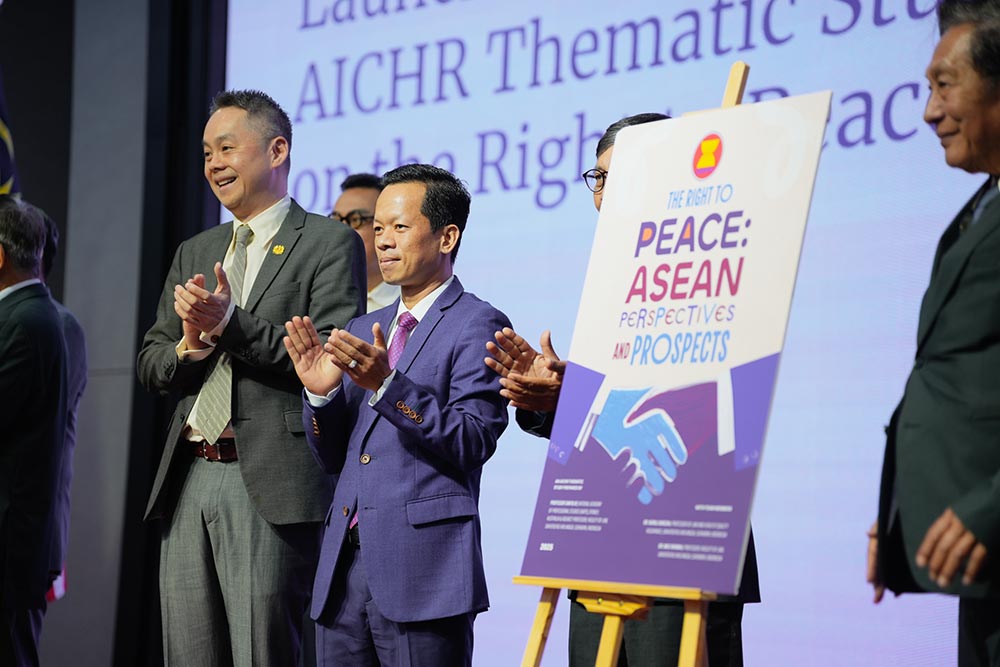
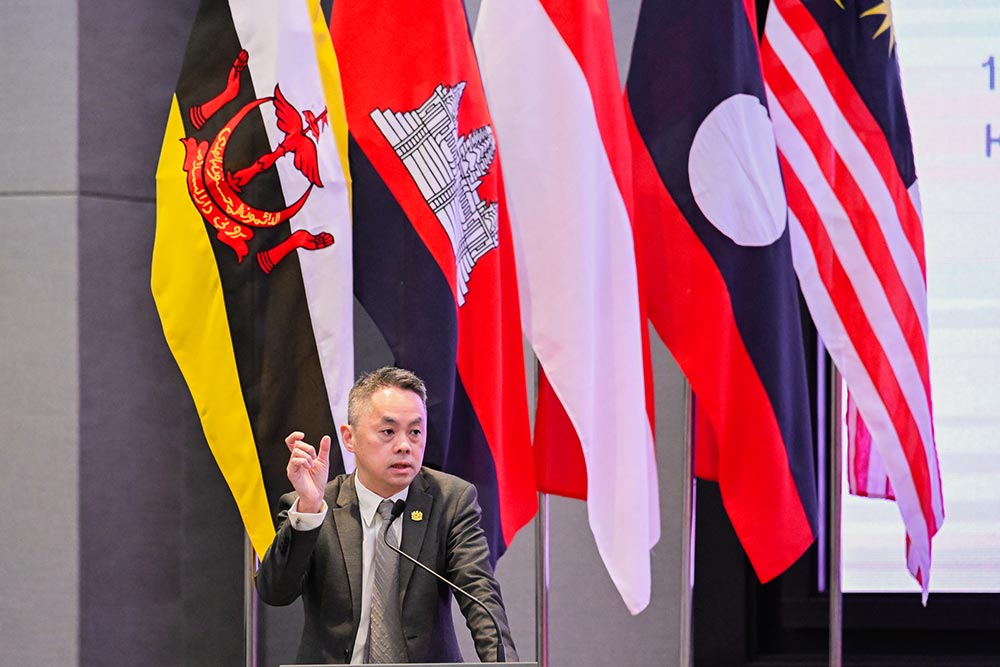
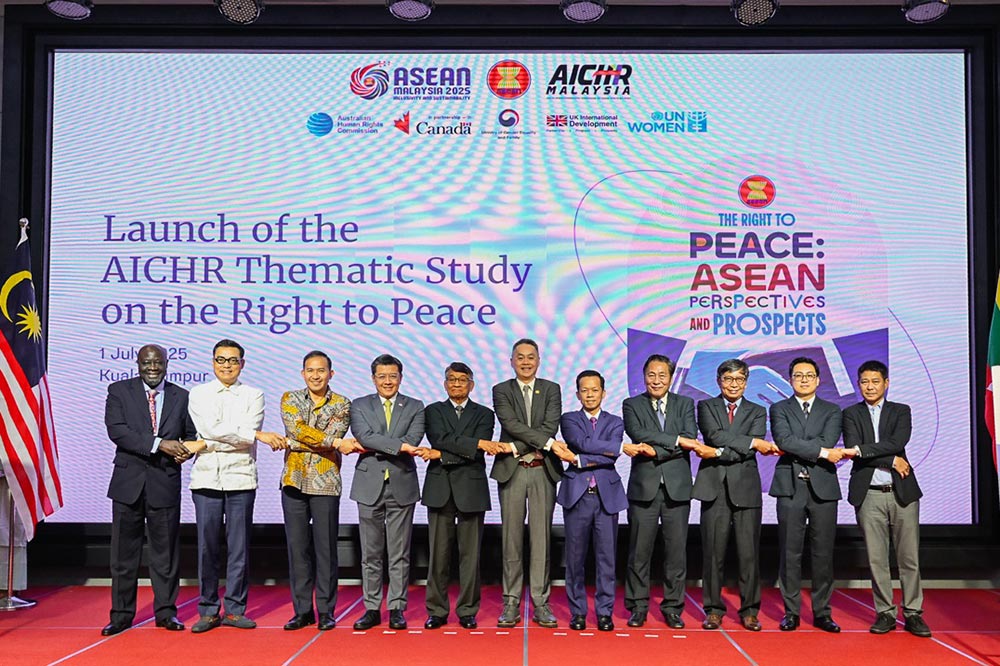
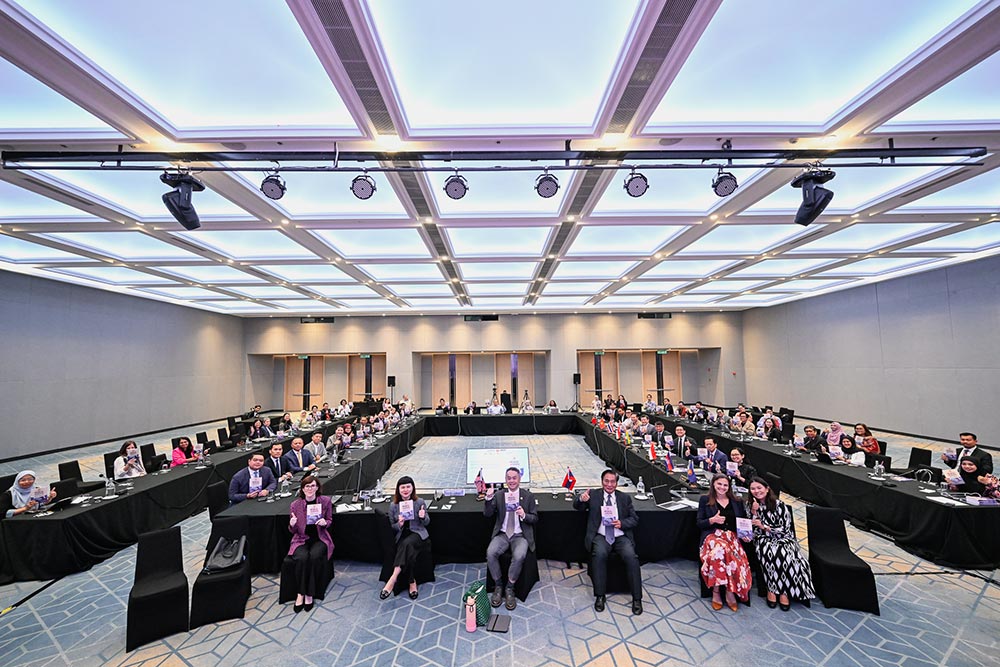
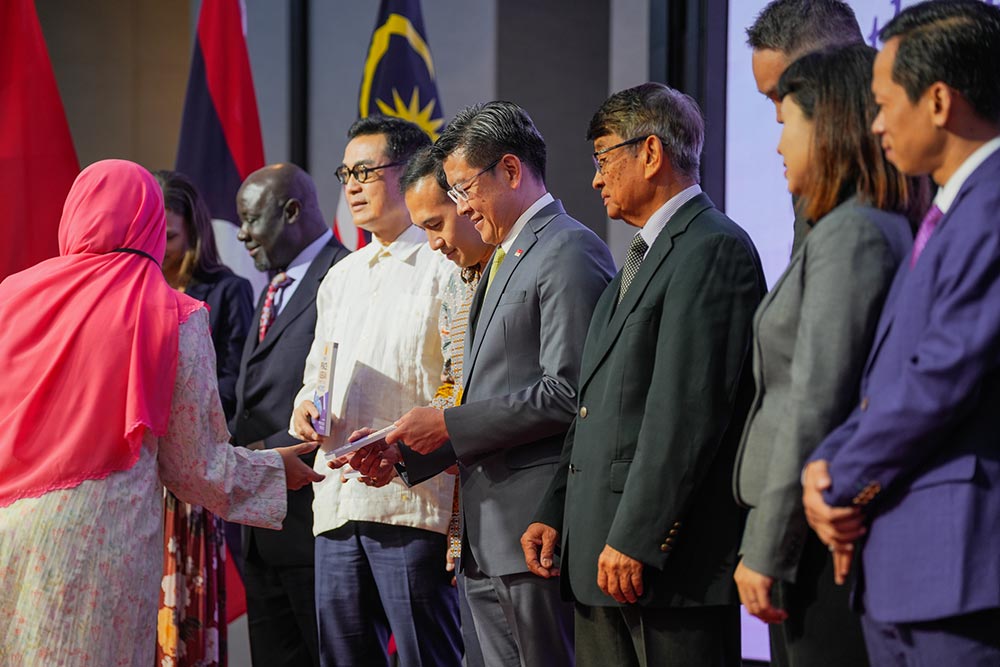
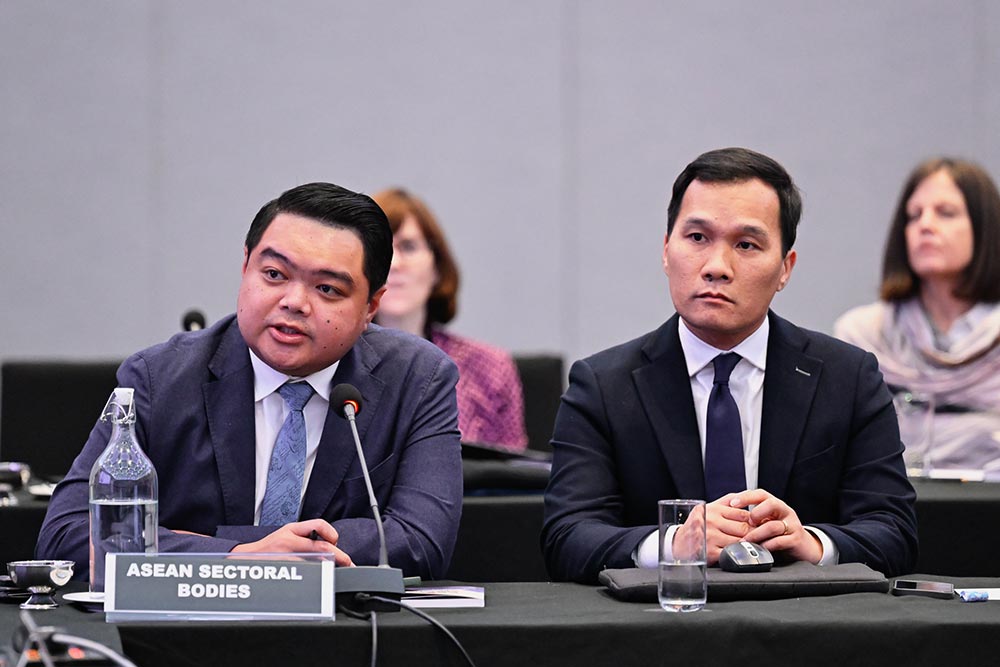
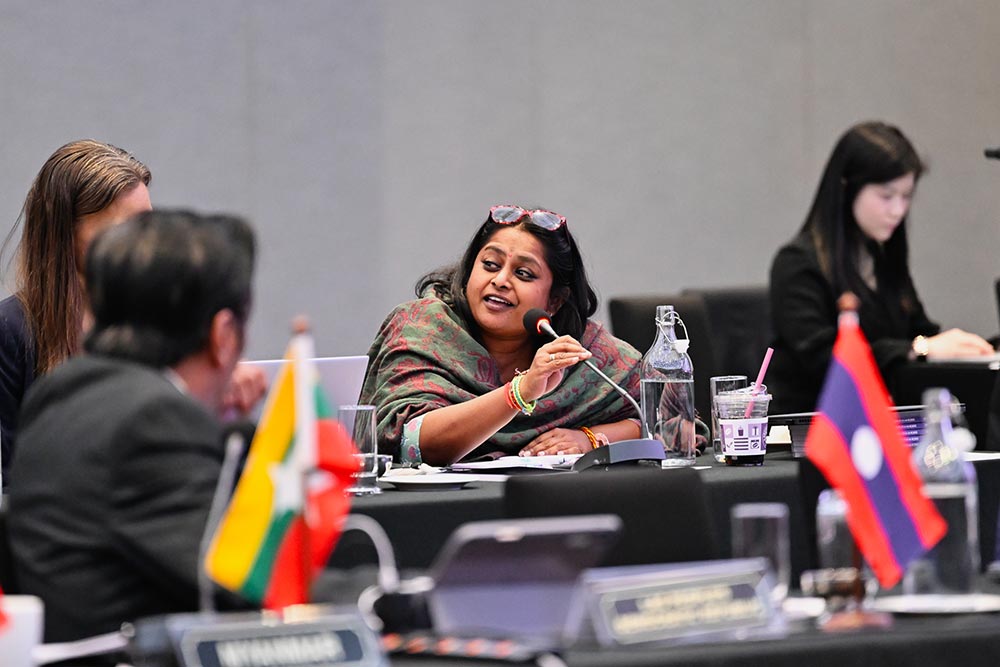
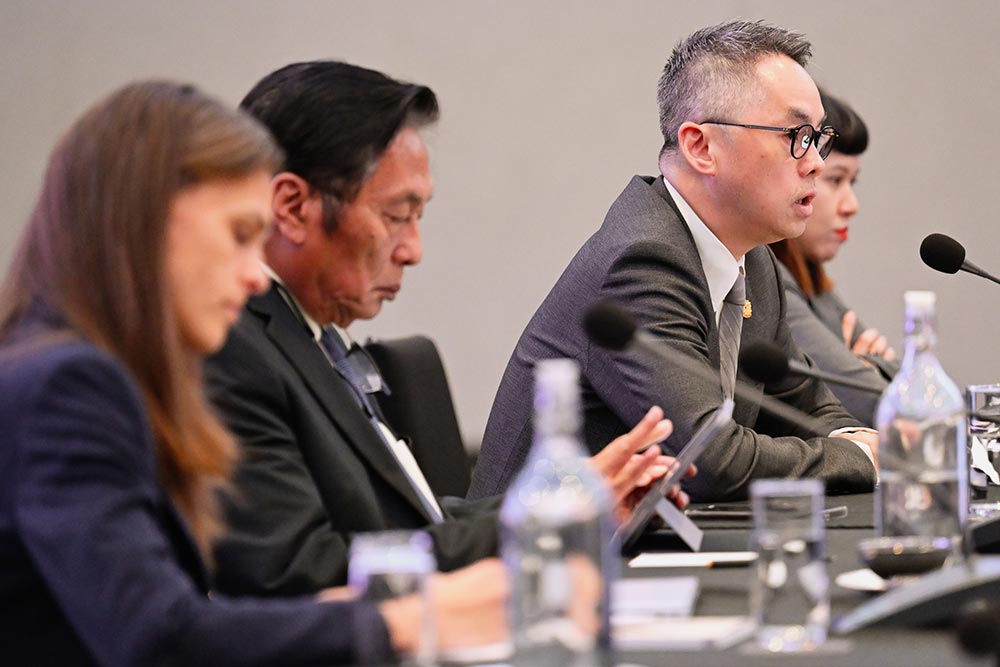
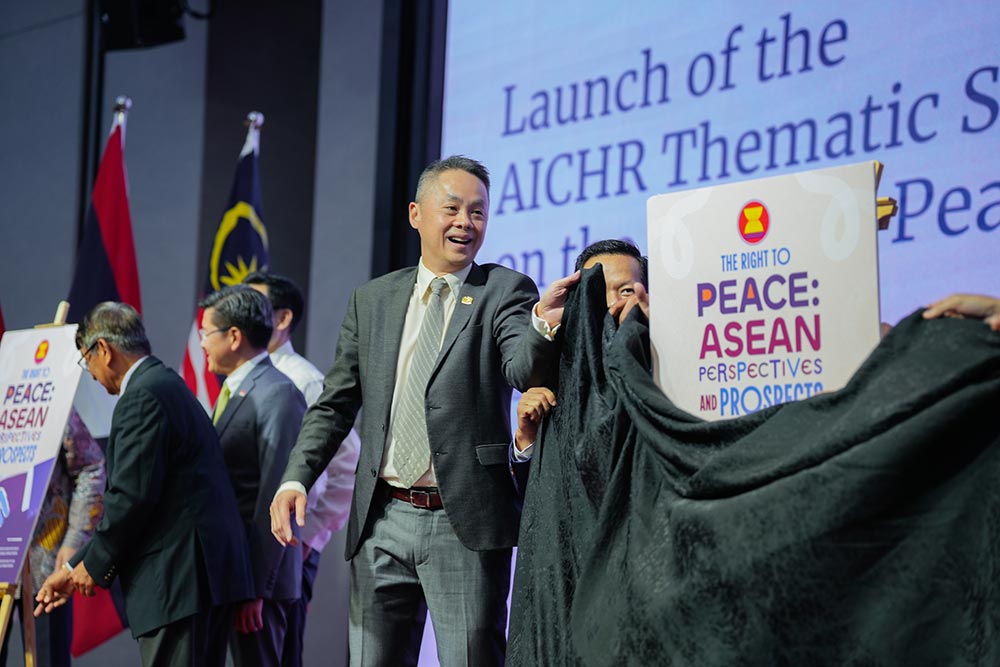
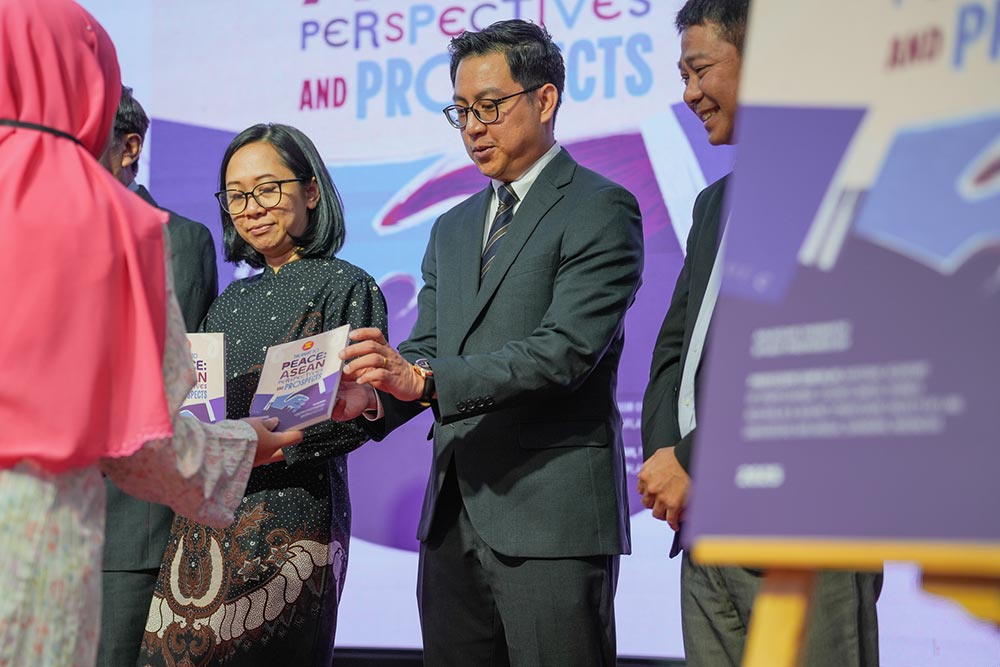
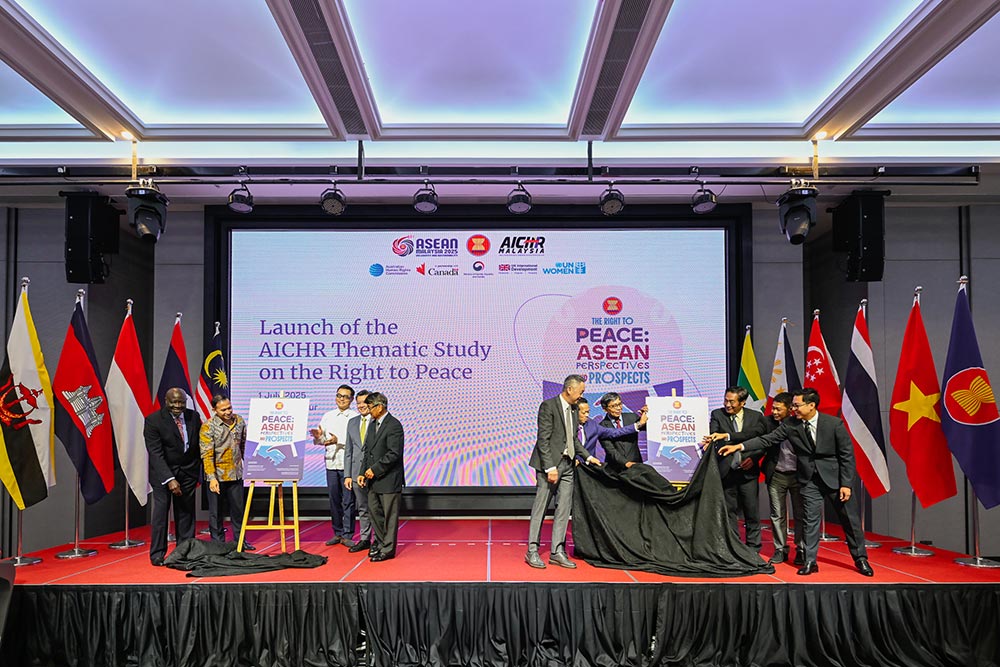
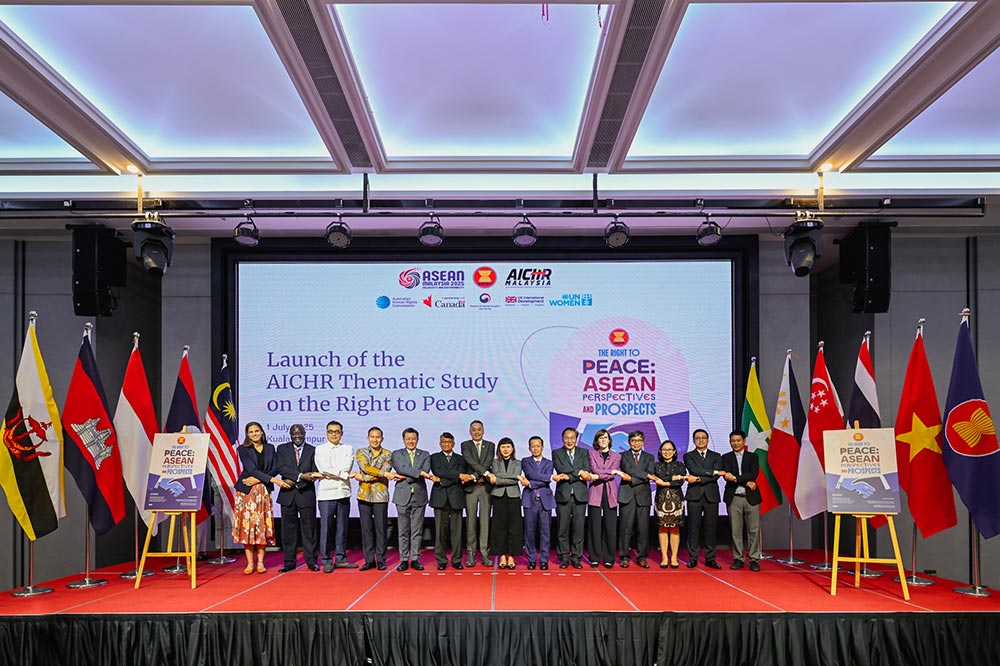
These welcome remarks were delivered at the launch of the AICHR Thematic Study on the Right to Peace on 1 July 2025 in Kuala Lumpur, Malaysia. The press release on the launch is available in English and Malay, and the summary report is available here.