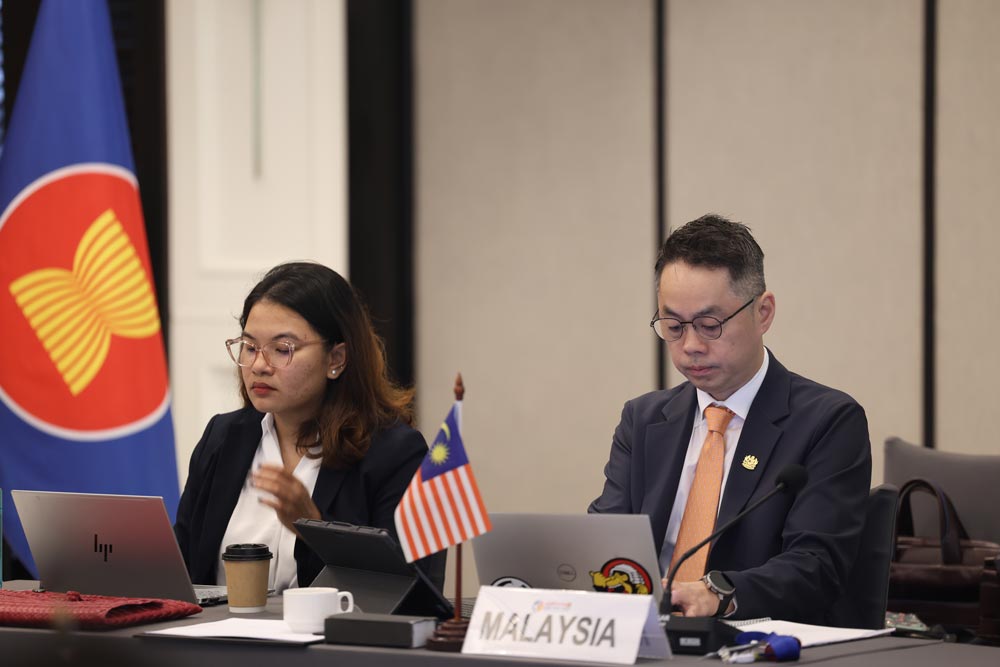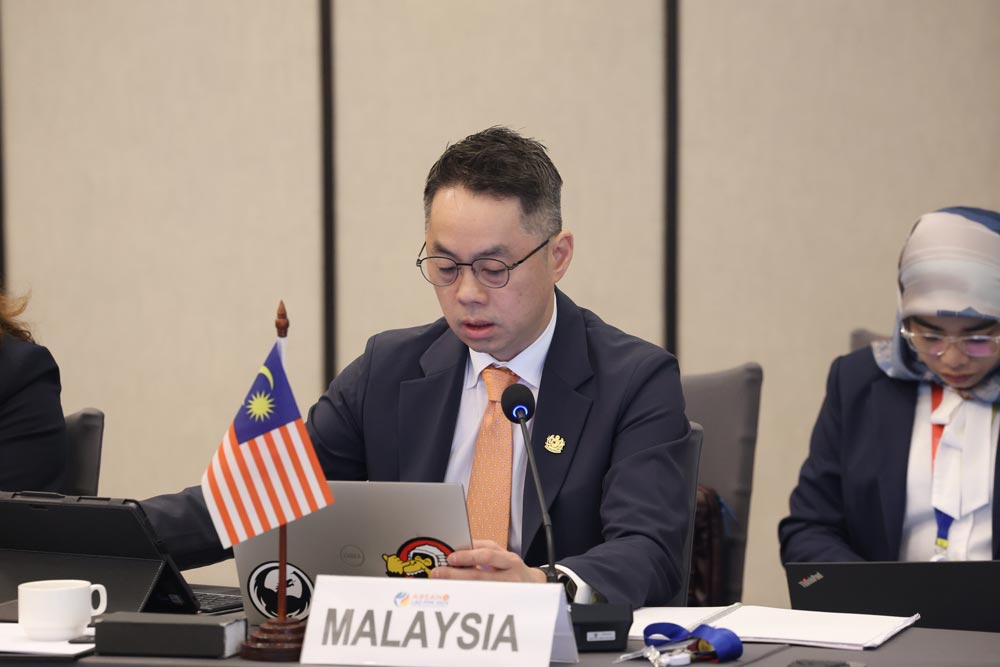

Thank you, Ambassador Chair, for welcoming us here and for your hospitality.
On this agenda item, I would like to make two brief points.
The first point concerns Myanmar. I note that the ASEAN Leaders, on 9 October 2024 in Vientiane, reviewed the implementation of the Five-Point Consensus (5PC) and took note of the recommendations of the 35th ASEAN Coordinating Council (ACC) and the ASEAN Foreign Ministers’ Meeting on 8 October 2024. They had discussed the developments in Myanmar and expressed deep concerns over the escalation of conflicts and the humanitarian situation. They also took note of the Chair’s report on the 5PC implementation and the discussions from the Informal Consultation of the current, previous and incoming Chairs of ASEAN on the implementation of the 5PC. Acknowledging the report, the Leaders had called for more progress in all areas of the 5PC due to their concern on substantially inadequate progress in the implementation of the 5PC.
While the ASEAN Special Envoy has been tasked to take on the mandate of implementing the 5PC in a more holistic way, my intervention today would be to suggest that AICHR complements the work of the Special Envoy in a more proactive and inclusive manner and in line with the 5PC. In particular, AICHR, using its convening power, could conduct dialogues with relevant stakeholders as to what will happen post-conflict. This would include matters of post-conflict management, accountability and reconciliation.
I would encourage the AICHR — whether collectively or as individual representatives given the precedent set by former AICHR Representatives — to come together to continue finding a peaceful and durable solution on the matter that is consistent with the 5PC. Any dialogue on the 5PC needs to be conducted in a more inclusive and sustainable approach that will consider and realise the right to development of the peoples of ASEAN, particularly the affected people of Myanmar.
I reiterate Article 35 of the ASEAN Human Rights Declaration (AHRD) which states as follows:
The right to development is an inalienable human right by virtue of which every human person and the peoples of ASEAN are entitled to participate in, contribute to, enjoy and benefit equitably and sustainably from economic, social, cultural and political development. The right to development should be fulfilled so as to meet equitably the developmental and environmental needs of present and future generations. While development facilitates and is necessary for the enjoyment of all human rights, the lack of development may not be invoked to justify the violations of internationally recognised human rights.
Article 36 of the AHRD is also relevant. It states as follows:
ASEAN Member States should adopt meaningful people-oriented and gender responsive development programmes aimed at poverty alleviation, the creation of conditions including the protection and sustainability of the environment for the peoples of ASEAN to enjoy all human rights recognised in this Declaration on an equitable basis, and the progressive narrowing of the development gap within ASEAN.
It is in this context that Malaysia urges AICHR to programme its work to assist in the implementation of 5PC in line with Articles 35 and 36, and to realise the right to economic, social, cultural and political development of the peoples of Myanmar in all its dimensions.
My second point is to raise the issue of West Papua. We have heard — through media sources — of the situation in West Papua. While there is not enough attention paid regarding the situation there, I note that increasingly the international community has considered it to be one of the important security issues the Government of Indonesia needs to focus on, alongside the matter of the South China Sea.
Thank you.
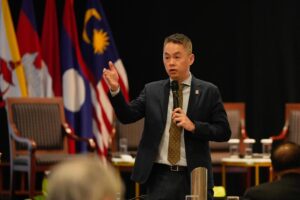
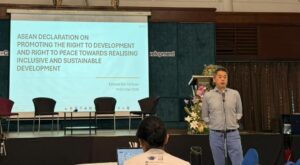
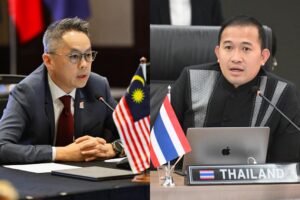
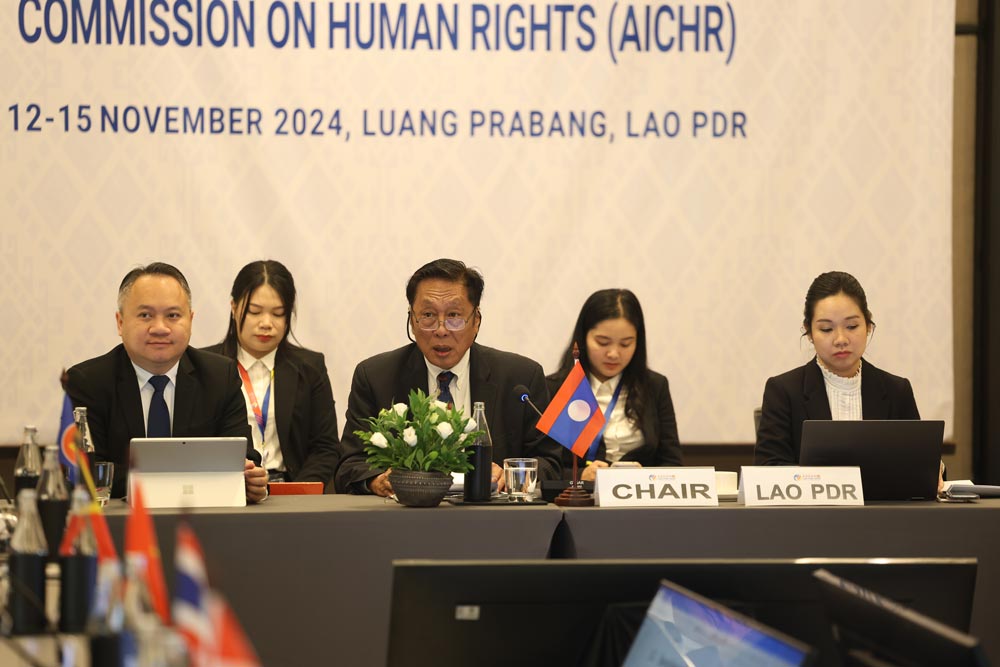
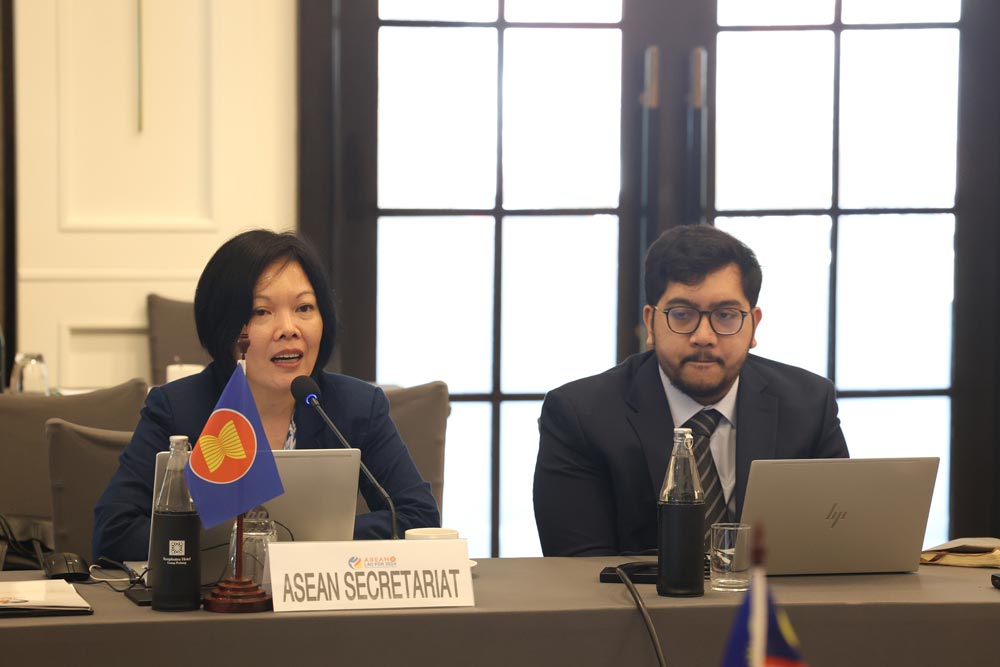
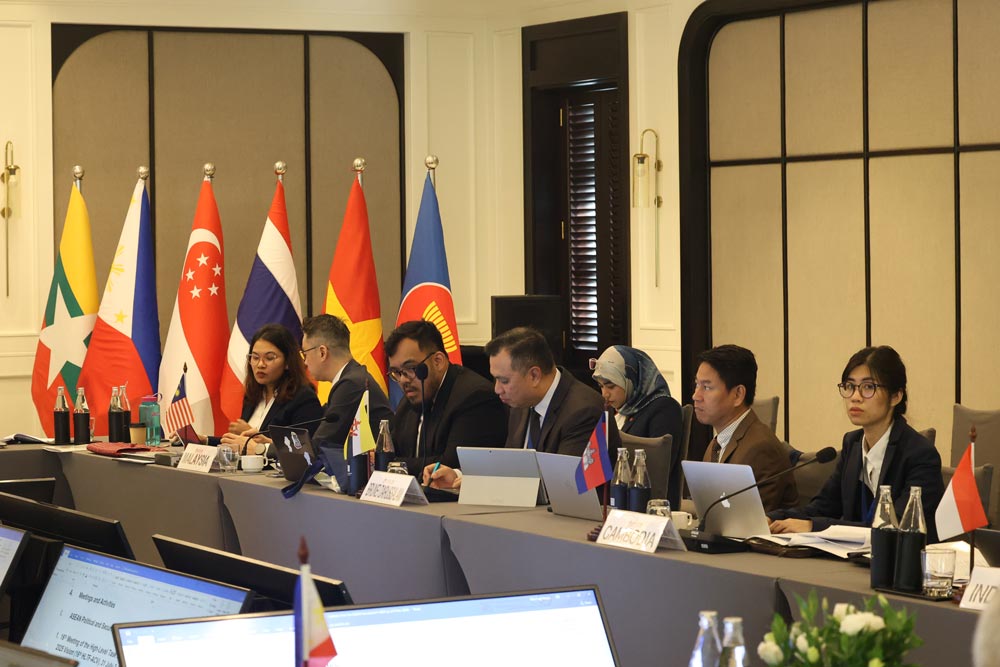
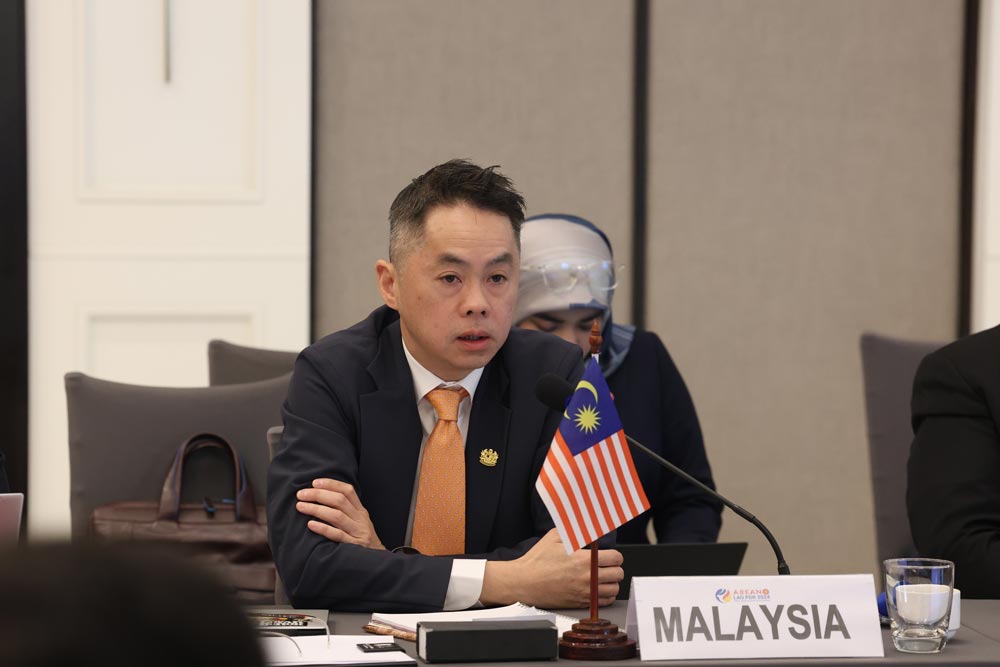
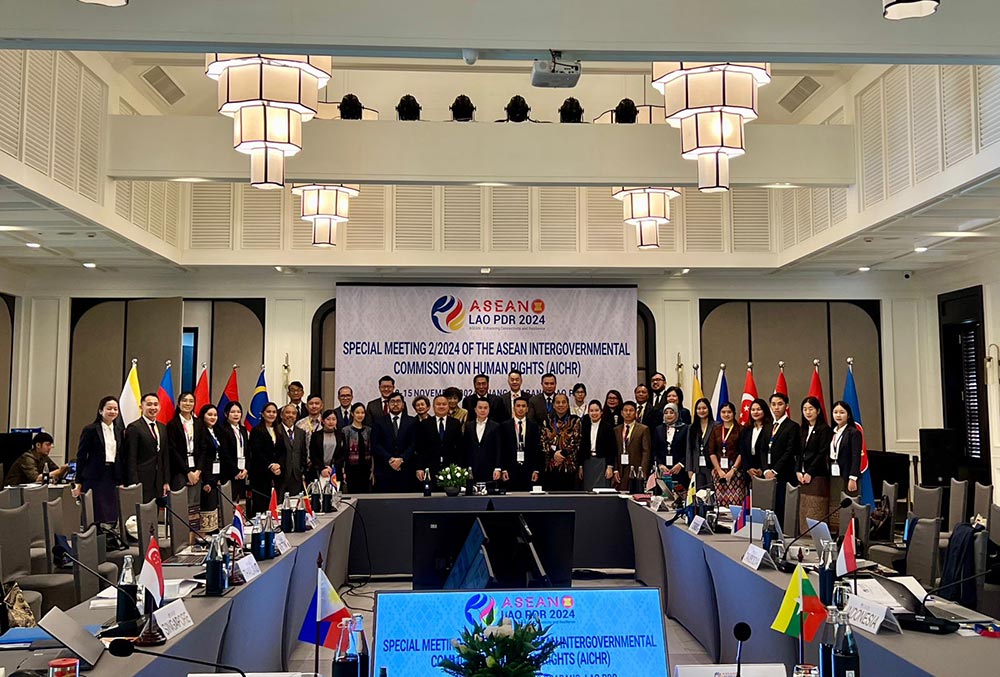
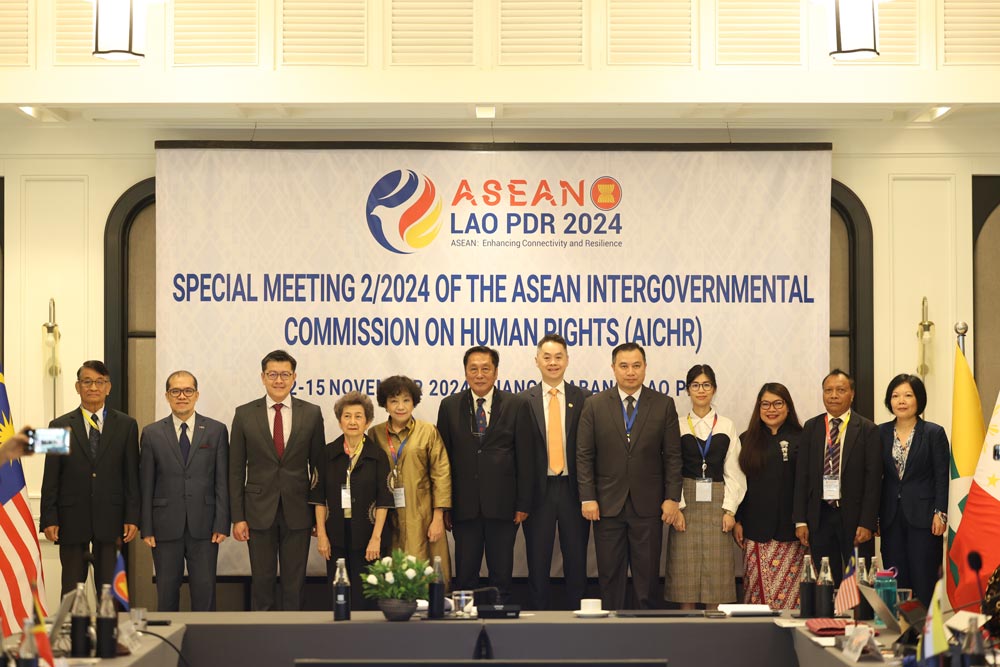
This statement was delivered to the ASEAN Intergovernmental Commission on Human Rights (AICHR) on Agenda Item No. 6.1 on Recent Developments in ASEAN on 13 November 2024, at the Special Meeting 2/2024 held in Luang Prabang, Lao PDR from 13 to 15 November 2024. The press release of the Special Meeting can be accessed here.