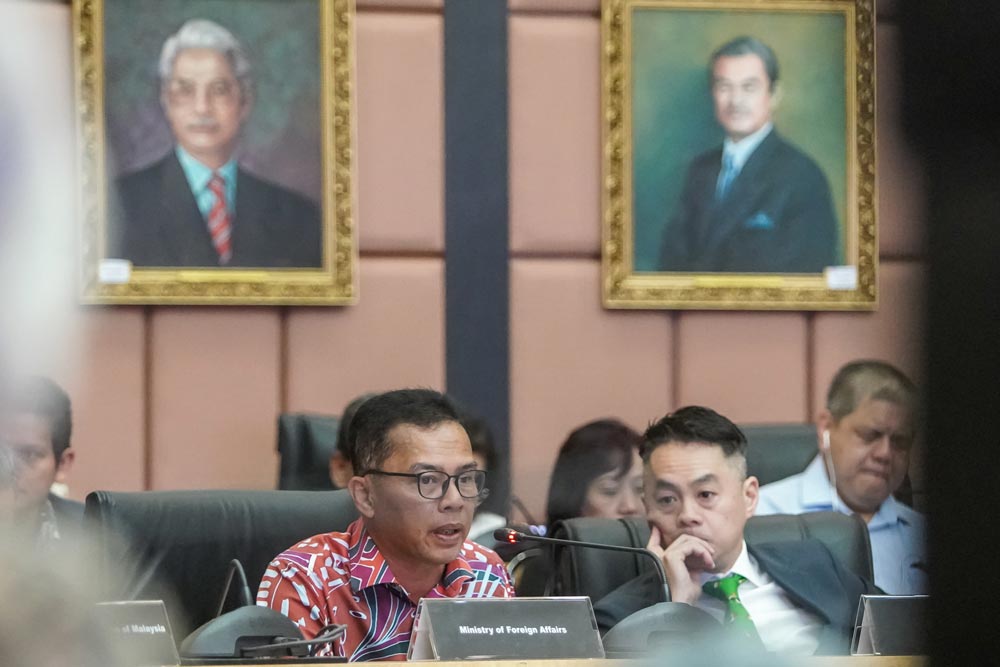

Yang Berbahagia Dato’ Mohd Suhaimi Jaafar,
Undersecretary (Special Functions), High Level Task Force on ASEAN Community’s Post-2025 Vision (HLTF), Ministry of Foreign Affairs Malaysia (MOFA)
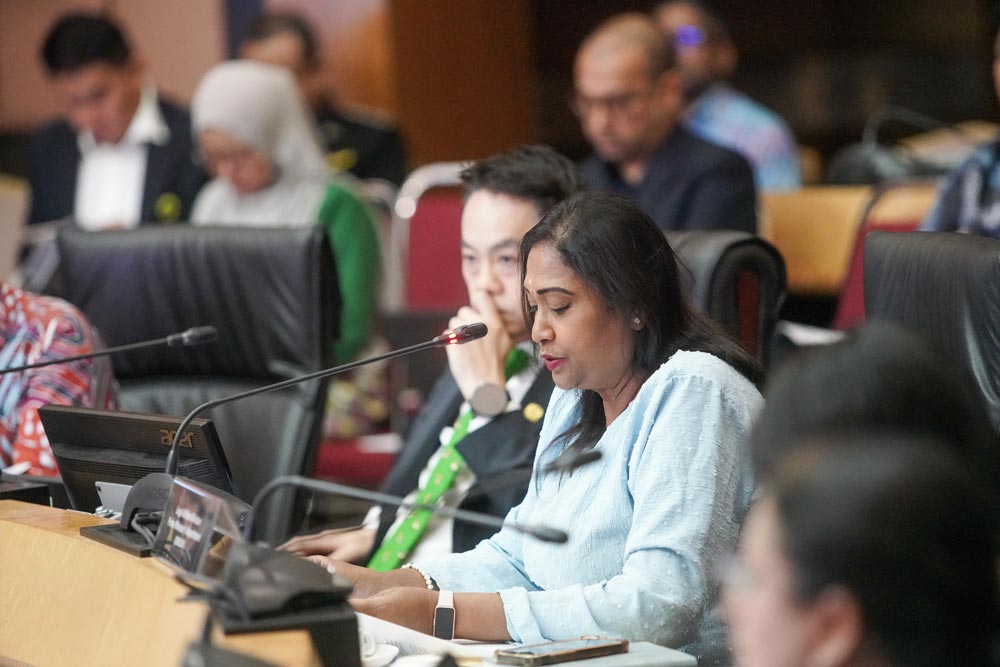
Yang Berusaha Dr. Punitha Silivarajoo,
Deputy Director General (Policy & Development), Legal Affairs Division of the Prime Minister’s Department (BHEUU)
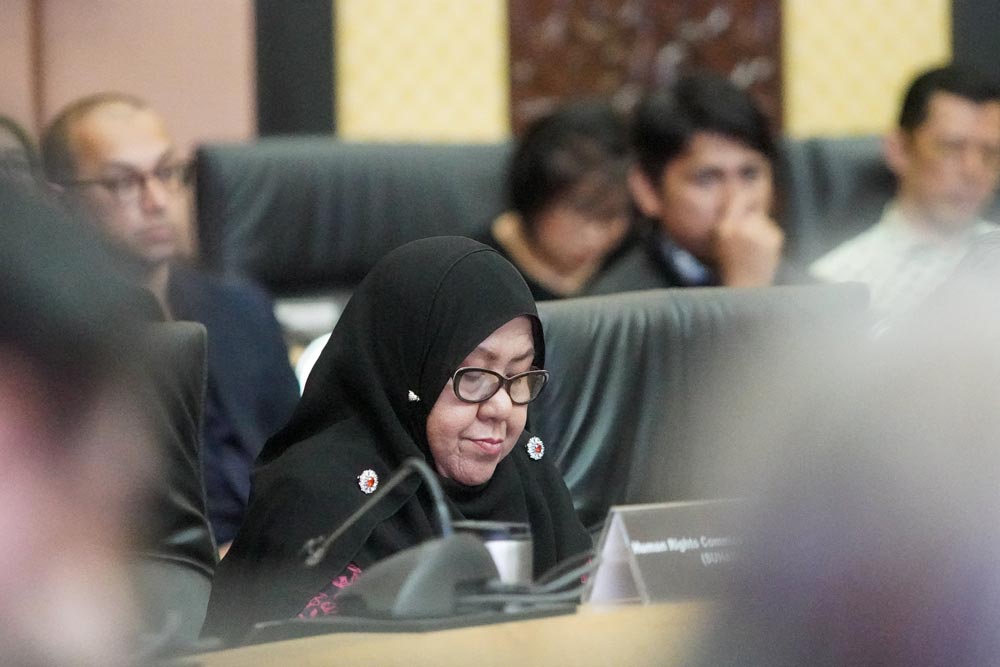
Yang Berbahagia Dato’ Seri Hishamudin Md Yunus,
Chair of the Human Rights Commission of Malaysia (SUHAKAM)
Ladies and gentlemen,
In my line of work as a lawyer for the past 26 years, in my capacity as Malaysia’s AICHR Representative in 2016, and recently in my second tour of duty as the Representative, I have been regularly hearing, reading and receiving information and reports from across Southeast Asia about rights being violated. Let me mention three scenarios.
One, I frequently hear about migrant workers who are left stranded without employment and pay, are neglected and often abused, have nowhere to go and no one to turn to, and have no legal redress. They are enslaved into labour by unscrupulous groups, labour agents or employers, and left with a huge debt to repay without enough subsistence to survive from day to day. They have to count on the assistance of non-governmental organisations or welfare groups to be housed and supported. Forced labour and human trafficking have been well-documented in a variety of economic sectors, including fishing and fish processing, domestic work, textile manufacturing, construction and agriculture. For example, vulnerable migrants are coerced into gruelling work on foreign vessels, and denied their rights and basic protections as these ships sail through regional waters unchecked. Schemes of forced criminality within vast scamming hubs have also become evident. Survivors and victims are lured by promises of legitimate work but end up ensnared in global cyberfraud operations against their will. Online sexual exploitation of children — often perpetrated by families driven by poverty — has surged, fuelled by digital platforms and international networks.
Two, indigenous communities, or sometimes termed as customary, aboriginal or native communities, living peacefully and rightfully on their ancestral and traditional lands face severe intrusions and forced displacement when their lands are seized illicitly. Many of these land-grabbing episodes are fuelled by economic enterprises and for profit. The communities’ way of life, traditions and culture are upended. Their lands, the resource on which they relied for food, water, and means of survival, are no longer within their reach. Not only has their right to self-determination been compromised, but also their right to freely pursue their economic, social, political and cultural development is at risk. Their health and well-being are threatened. Unfortunately, some countries in Southeast Asia do not provide for specific and special protection for indigenous peoples, as they are not recognised as such. Even where laws providing for such protection exist, there are still numerous barriers for indigenous peoples to reclaim their lost lands and restore the status quo.
Three, communications are regularly received on the situation of refugees, asylum-seekers and stateless persons as a result of human-induced conflicts in our neighbouring countries. Not only are they on the run from their own governments, but they are also at continuing risk in the country where they seek asylum, when they are not accorded adequate rights and legal protection. These cross-border cases are extremely difficult to manage because if there is no proper or functioning system in place, these groups are compelled to resort to self-help, which often results in breaches of the law. Just to survive, they have to feed themselves by whatever means necessary. Assisting them by adopting a human rights-based approach is important, but this can only reduce the adverse consequences that the conflict has brought on them. The root cause of their predicament, which caused them to flee from their country of origin in the first place, is something larger that cannot be resolved through these measures. They have to rely on others to find a solution and, usually, if it is ASEAN, the burden shifts to other concerned member states at a political level. Most recently, we are hearing about climate refugees. Due to the disproportionate experiences of the effects of climate change, there are increased risks to land, sea, natural environments, biodiversity and ecosystems. Extreme weather events and the rise of warming waters impact cultural sites, communities and settlements. These have in turn created other serious risks for peoples’ enjoyment of the right to life and health, among others.
These are just some of the innumerable dispiriting and unsettling experiences that have been shared with me. Unfortunately, these examples depict only too well the grim lived realities that far too many have to endure. Yet, there are still some who are sceptical about human rights and what it entails. Or they do not question human rights as a legitimate concept, but choose to ignore it. Or they think it is too difficult to comprehend. Or they pick and choose which rights are worthy to protect, to suit their own purposes.
Be that as it may, consider the common threads in the three scenarios that I mentioned. The first common thread is about a stark power imbalance. On paper, the survivors and victims are no match against the State, or big businesses or enterprises, or the military or armed groups, or even natural phenomena such as changing climate conditions. The second common thread is the difficulty in accessing remedies and justice, whether through the courts in litigation, through law enforcement officials or, generally, through the government. In theory, anyone should be able to, but the reality is different — vastly different. The third common thread is that their voice is missing from public discourse, exacerbated by the lack of platforms for their voice to be heard about matters relating to their lives and well-being.
This is where human rights plays a large part. First, to address the power imbalance and level the playing field by speaking truth to power; second, to provide mechanisms for grievances and violations to be raised and adjudicated on; and third, to give a voice and demand inclusion on issues that matter to people and the planet.
My work allows me to keep trying my best to understand the problems and challenges that survivors and victims of human rights violations face, and how we in Malaysia and at a regional level, namely through ASEAN, can — and must — play a part to alleviate their suffering. Much like SUHAKAM at a domestic level, AICHR was established to promote and protect human rights at the regional level. Because of the horizontal structure of the Commission, there is less coercive power that can be exercised among ASEAN member states. AICHR thus has to rely on diplomacy, and more specifically human rights diplomacy, to mainstream human rights in all areas of ASEAN.
In this vein, and recalling how human rights must speak truth to power, provide for justice mechanisms, and offer platforms for all voices to be heard, Malaysia’s chosen ASEAN theme of “inclusivity and sustainability” is apt. The theme is more than just a vision, as I have emphasised on various platforms. It is a call to action for ASEAN to step up on the delivery of its human rights priorities. The last time Malaysia chaired ASEAN and AICHR was in 2015. 2025 is a pivotal year not only for enhanced regional human rights cooperation, but also to advance human rights and address our shared challenges more robustly than ever before.
In this regard, I am hosting this inaugural Malaysian Human Rights and Environmental Rights Dialogue with the support of MOFA, BHEUU and SUHAKAM to share AICHR’s plans for the year and hear your constructive views and feedback for our leadership year.
Recalling the theme.
Inclusivity demands that the voices of those made vulnerable and marginalised be heard. They include women, children, persons with disabilities, indigenous peoples, Orang Asli, Orang Asal, migrant workers, stateless persons, asylum-seekers, refugees, ethnic, religious and linguistic minorities, human rights defenders, and environmental rights defenders. They are often overlooked and disproportionately affected by human rights violations committed by a range of actors with power and influence. They are entitled to participate in, contribute to, and enjoy and benefit equitably from economic, social, cultural and political development.
Sustainability requires due recognition, acknowledgment and respect for human rights and environmental rights. One cannot lay claim to any commitment to sustainability without taking a rights-based approach that protects human rights and environmental rights. This is to ensure that any development meets present needs without compromising the dignity, rights, and ability of future generations to meet their needs. Economic growth must be achieved with the least impact on human rights and the environment. To this end, governments and businesses must be held accountable when they fail on this score, or are unable or unwilling to act responsibly. Effective remediation and remedies for victims and survivors must also be provided.
As AICHR Chair, our first human rights priority centres on the right to development, articulated in articles 35 and 36 of the ASEAN Human Rights Declaration 2012 (AHRD). Both provisions are worth reading out in full:
35. The right to development is an inalienable human right by virtue of which every human person and the peoples of ASEAN are entitled to participate in, contribute to, enjoy and benefit equitably and sustainably from economic, social, cultural and political development. The right to development should be fulfilled so as to meet equitably the developmental and environmental needs of present and future generations. While development facilitates and is necessary for the enjoyment of all human rights, the lack of development may not be invoked to justify the violations of internationally recognised human rights.
36. ASEAN Member States should adopt meaningful people-oriented and gender responsive development programmes aimed at poverty alleviation, the creation of conditions including the protection and sustainability of the environment for the peoples of ASEAN to enjoy all human rights recognised in this Declaration on an equitable basis, and the progressive narrowing of the development gap within ASEAN.
This “right to development” priority encompasses the intersection of business and human rights, corporate sustainability reporting, inclusive growth and sustainable development. I envisage extensive consultations with regulatory authorities and businesses on how ASEAN can move the needle on these matters, so that the current ESG (environmental, social and governance) framework and landscape will be accelerated to meet the intended goals, and not be merely a tick-the-box exercise. Note, however, that the right to development is not only limited to economic development. It is also social, cultural and political development that we speak about.
This priority further reflects ASEAN’s long-term vision of fostering a people-oriented and people-centred community. As we move towards adopting the ASEAN Community Vision 2045 that will set ASEAN’s direction for the next 20 years, the right to development will guide our path.
In driving this priority forward, I intend to lead several initiatives that will support the mainstreaming of the right to development across the three ASEAN Community pillars — political-security, socio-cultural and economic. This includes consultations on the right to development, with articles 35 and 36 of the AHRD as the basis, and its intersection with business practices, gender, the environment, and climate change.
To address the ill effects and negative impacts of climate change, the second human rights priority for Malaysia is to advance the proposed “ASEAN Declaration on the Right to a Safe, Clean, Healthy, and Sustainable Environment”. This is work that AICHR has been undertaking for over two years under the leadership of Thailand, and supported by Indonesia, the Philippines and Malaysia. The declaration will be a significant milestone for AICHR as it would be the second human rights-related declaration developed by AICHR — the AHRD was first adopted in 2012. It will also be groundbreaking if the declaration expressly recognises and makes the linkage between human rights and the environment.
The declaration aims to chart a path to achieving a sustainable environment as an imperative for future generations, and support ASEAN’s resilience against challenges arising from climate change. The current draft also seeks to be inclusive on matters such as indigenous peoples’ rights, freedom of information, public participation in decision-making processes, and mechanisms for effective access to remedies and justice. The ASEAN Foreign Ministers’ Meeting (AMM) has tasked AICHR to consult with the relevant ASEAN sectoral bodies on the declaration. Domestic consultations in Malaysia have commenced and will be continued.
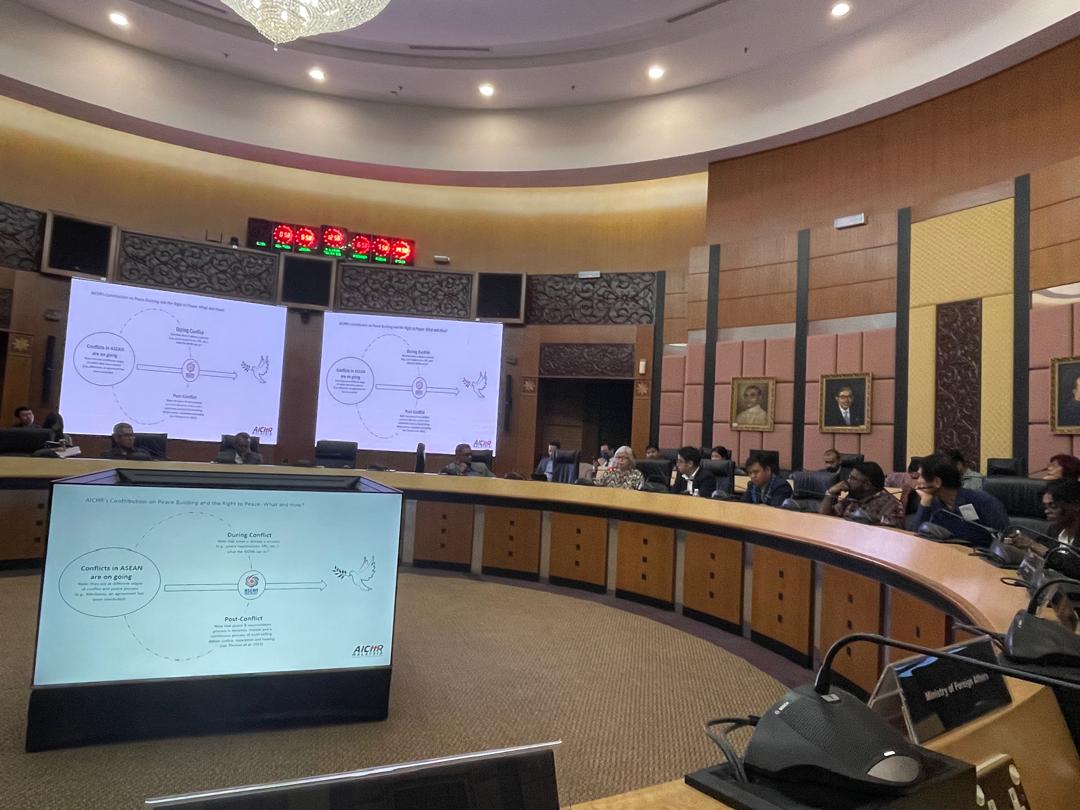
The third human rights priority addresses regional human-induced disasters and conflicts, through the lenses of human rights, accountability, reconciliation, and peace. It has been 15 years since AICHR was established in 2009. Historically, much of AICHR’s work has been geared towards fulfilling its promotion mandate, with limited mechanisms to address or act on human rights issues. However, the commission has enlarged its scope of work, with greater attention being paid to communications received on human rights cases, increased interaction with civil society organisations, and the debating of human rights situations and developments in the region through country interventions at meetings. The ASEAN Human Rights Dialogue is also an institutional innovation for AICHR as it provides ASEAN governments the opportunity to discuss sensitive human rights cases and emerging issues. I view this as an opportunity to develop an ASEAN- and AICHR-centric approach towards dealing with human rights issues that arise from conflicts in the region. We need to find a common approach within ASEAN on how we should view these challenges and formulate solutions to them. I envision AICHR providing a framework for engagement, gathering input and data from stakeholders and rightsholders through a series of themed workshops, and making recommendations for actions to be taken. There is a wealth of knowledge and resources in ASEAN that has not been tapped into, and we can make a start on that.
Here, I wish to make three observations. First, around us we see a dilution of, or even wilful blindness on, international human rights law and standards. The atrocities we see — not only in our region, but outside of it — perpetrated and supported by superpowers take us back to the days of the Holocaust and other genocides. I thought the world had fully committed to the principle of “never again”? Malaysia cannot countenance such a dilution, and cannot be wilfully blind. Within our ASEAN backyard and within the remit of what we can do while chairing ASEAN, we cannot support impunity. Even if it means that ASEAN has to take a position that does not meet consensus, then so be it. I would rather that we create a violation of a convention or practice, than protect human rights abusers. We have already seen the practice of a few ASEAN member states moving ahead on initiatives that are important to them and the region.
Second observation. It is strange that, on human rights, there are some governments willing to sign up to international human rights treaties and have their human rights records scrutinised by the United Nations (UN) but are unwilling to do the same when it comes to ASEAN or AICHR. Despite an explanation being sought, no credible answer has been forthcoming. In effect, it seems as though they want to only be accountable to the international community, and want to pick and choose when it comes to ASEAN. I cannot understand this, and we need to challenge it.
Third observation. I have heard comments about how ASEAN should not be led by non-ASEAN member states. I agree. Categorically, I state that no ASEAN nation should be dictated to by Western powers or any global superpower. I stand firm on this principle. Then the critical question is about ASEAN leadership. How will ASEAN take charge of addressing the human rights and environmental rights violations within the region? What viable, effective, equitable and sustainable alternatives have ASEAN governments proposed to protect human rights? Is an ASEAN concept of human rights what we see happening in Myanmar, Southern Thailand, Papua and Mindanao, to name a few? Surely not. The reality is that unless we can show that we are up to the mark, external forces will drive our conduct. It is pointless complaining about how others are making demands on us, when we have no riposte.
If ASEAN is serious about leadership and taking action, the challenge lies in establishing a distinctly non-Western or ASEAN framework for human rights and environmental rights accountability — one likely rooted in Southeast Asia’s context — while still upholding global human rights standards. This is not to deviate from fundamental human rights norms, nor to allow for regional particularities or exceptionalism to take root. Rather, what is the context for ASEAN on human rights that ASEAN does not agree on, and what is the alternative? Exploring and developing such an approach is a task I am deeply interested in pursuing, while understanding that there should be no ASEAN exceptionalism on fundamental human rights.
Ladies and gentlemen,
With the priorities that we have in mind, I do acknowledge the challenges that AICHR, as the overarching regional body, faces in driving them forward. AICHR cannot work on substantive human rights issues if it does not have the institutional strength and capacity, and the courage of its members, to take up the issues. I believe that Malaysia’s assumption of this leadership role provides an unparalleled opportunity to address the pressing human rights challenges facing ASEAN. Not only can we advance core human rights issues that matter to the people, but we can also elevate our regional human rights commission to be one that is more robust, creative, inclusive, adaptable, action-oriented and capable of addressing the dynamic challenges of the region.
As this opportunity comes only once in ten years, I am looking forward to fostering new, and strengthening existing, relationships with stakeholders and rightsholders, for us to collectively achieve an ASEAN that is resilient, inclusive, and sustainable.
Many do not like human rights. They fear it because it holds dictators and human rights abusers accountable. They fear it because human rights speaks of uncomfortable realities and truths. They fear it because human rights challenges power.
Human rights is worth fighting for.
To this end, I hope and trust that all of you here today at this consultation — from government, businesses, civil society organisations, think tanks, and academia — will support Malaysia and her initiatives as we lead ASEAN in 2025. We count on you.
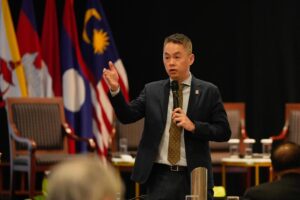
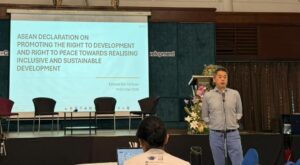
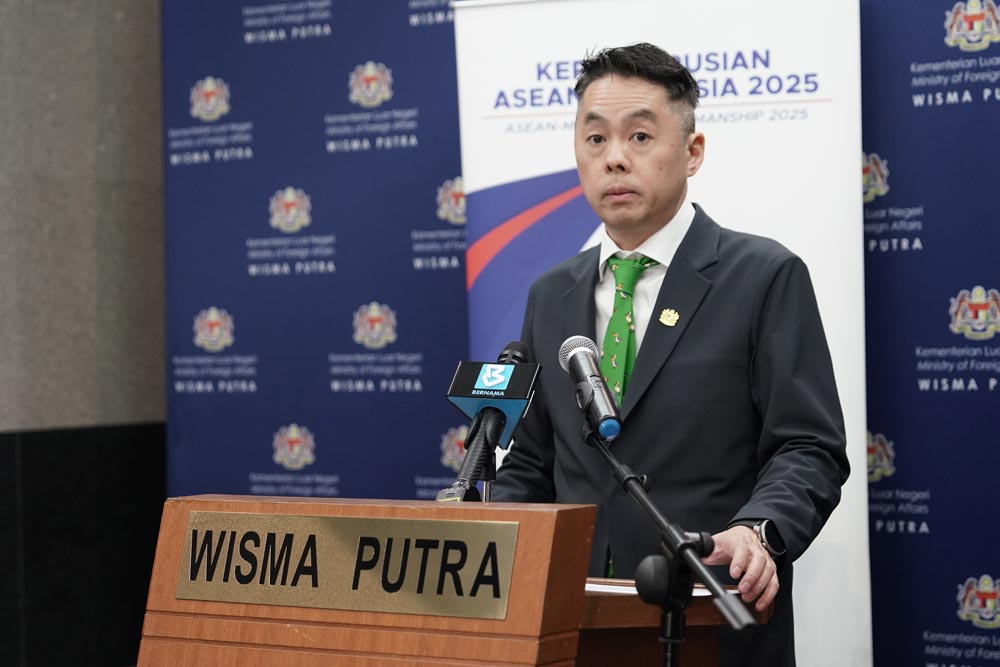
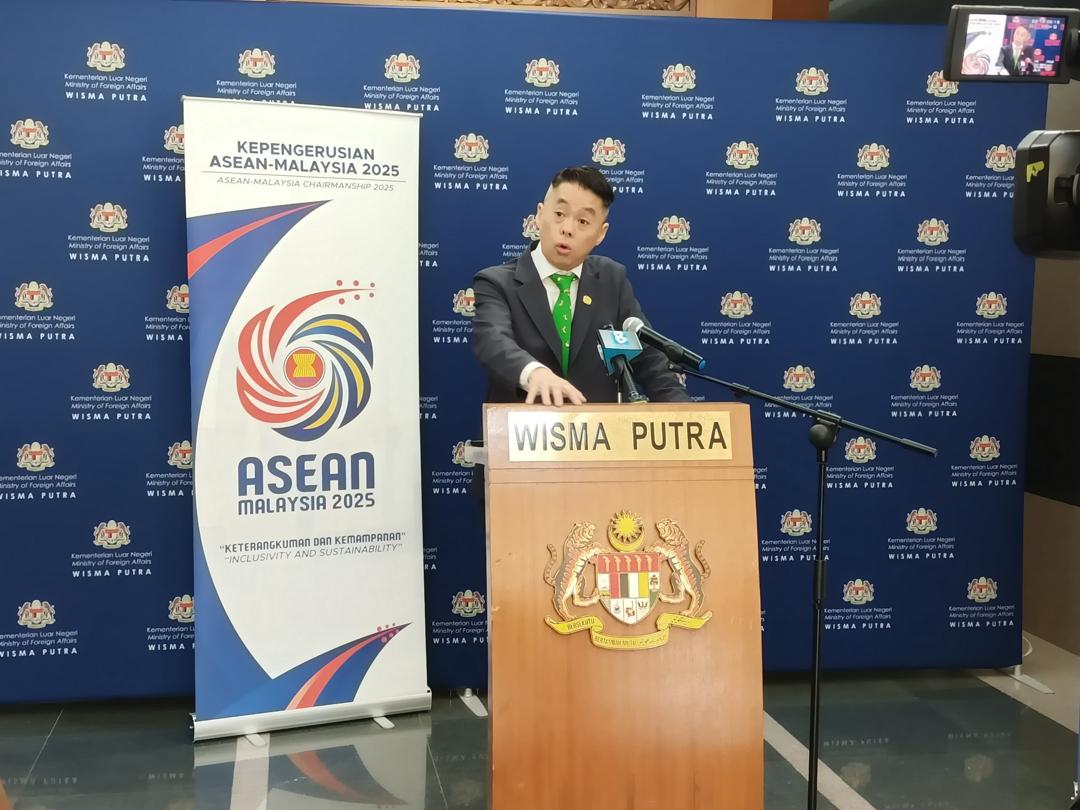
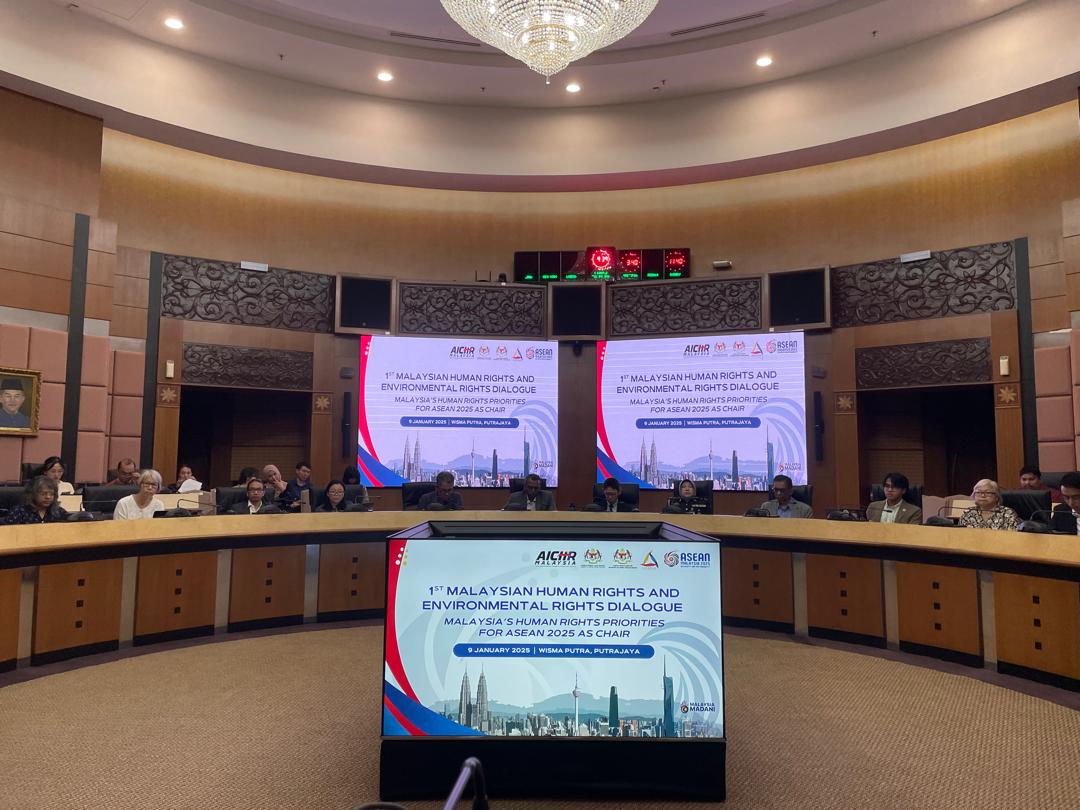
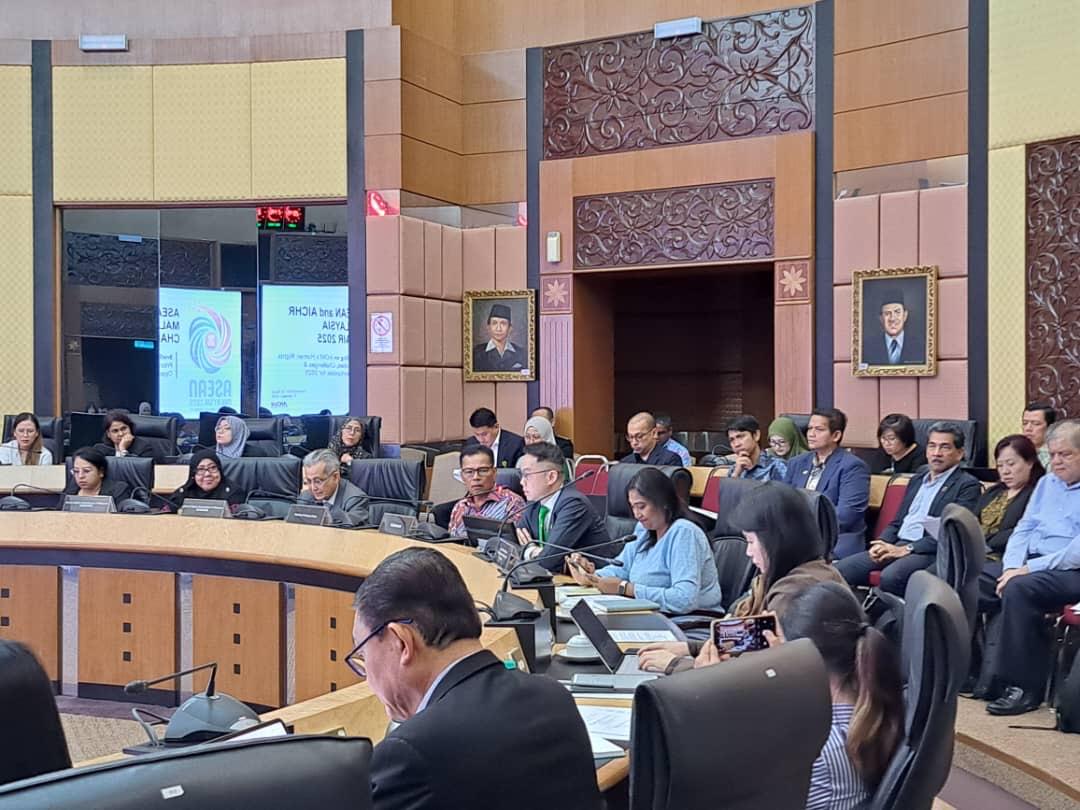
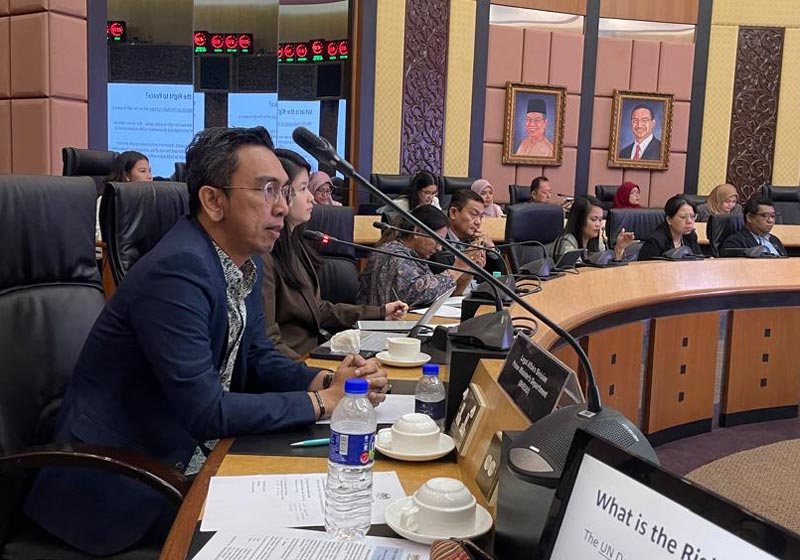
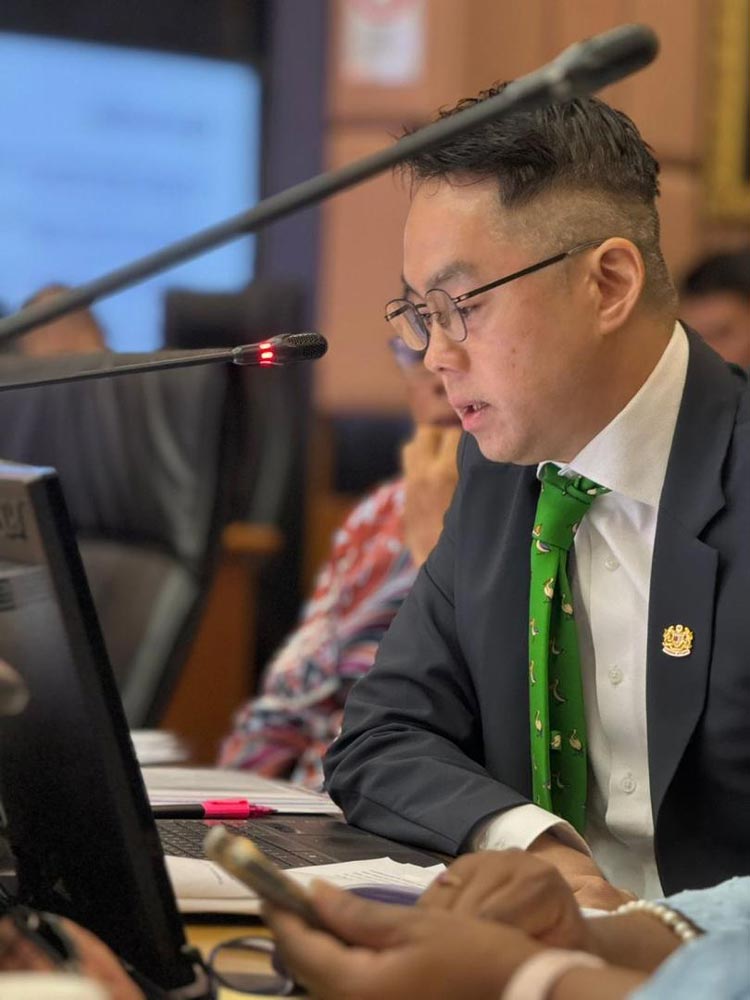
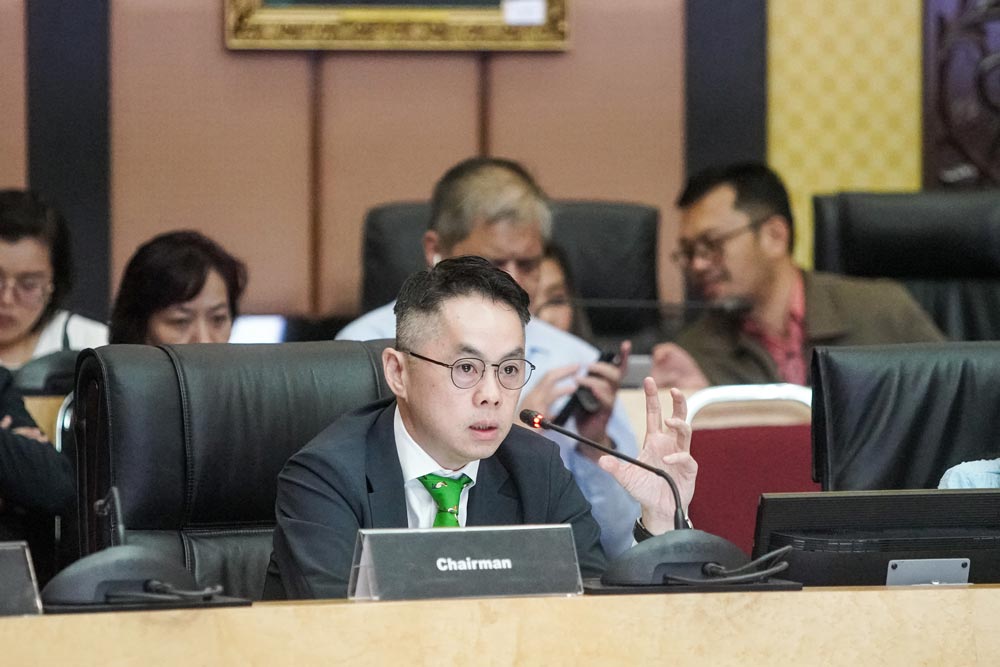
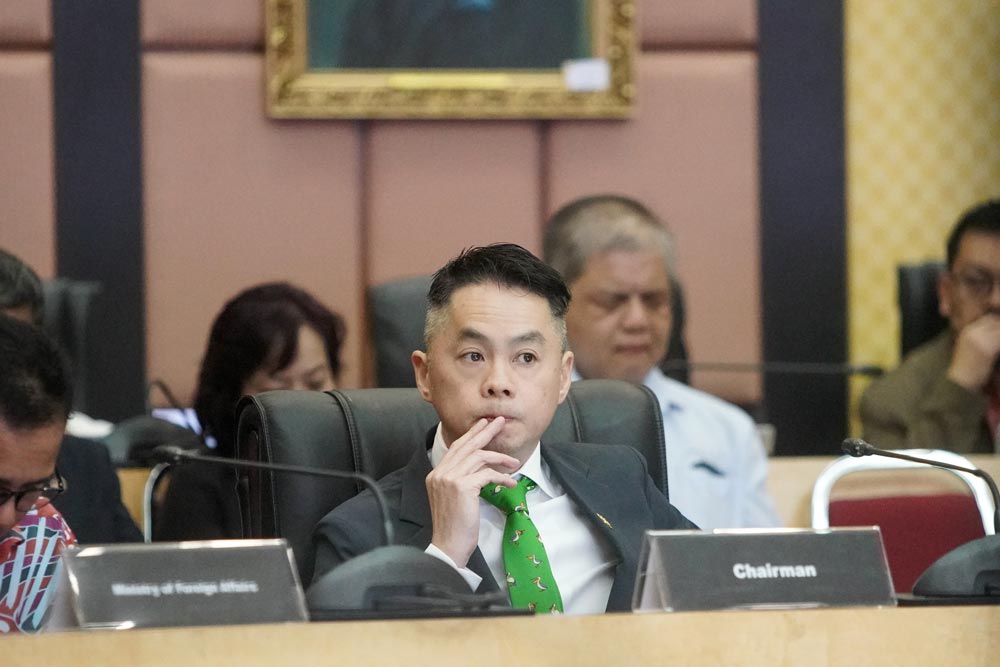
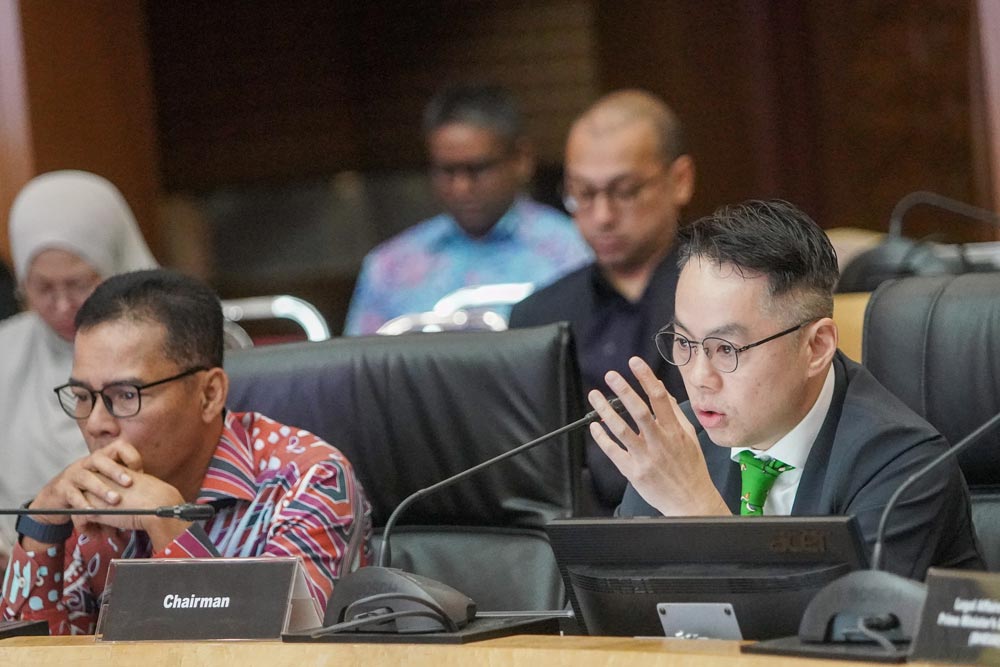
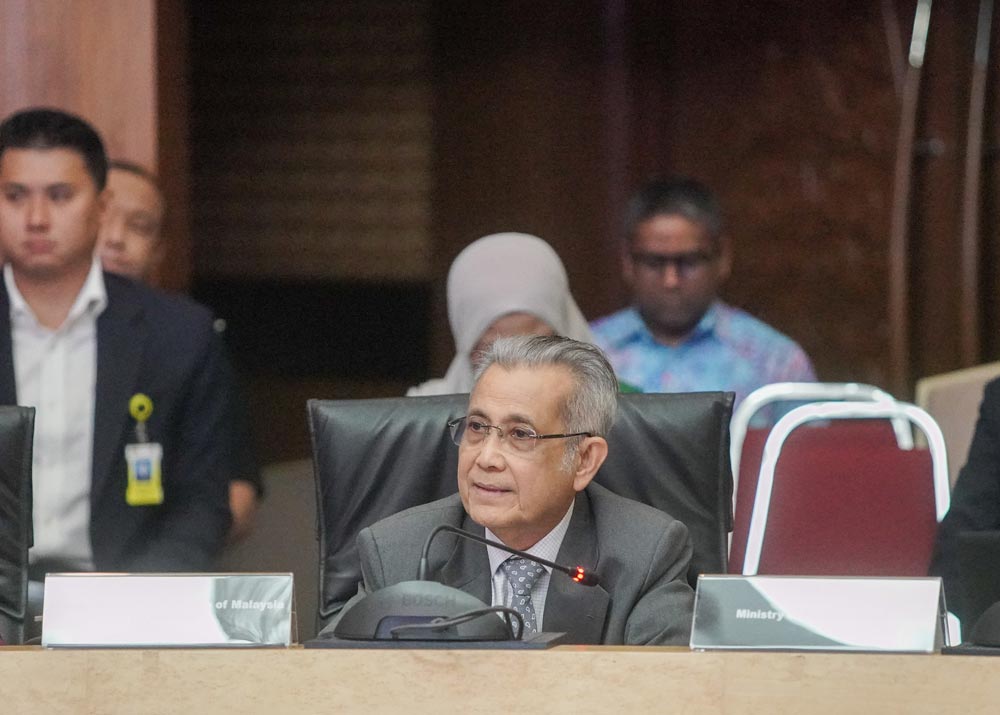
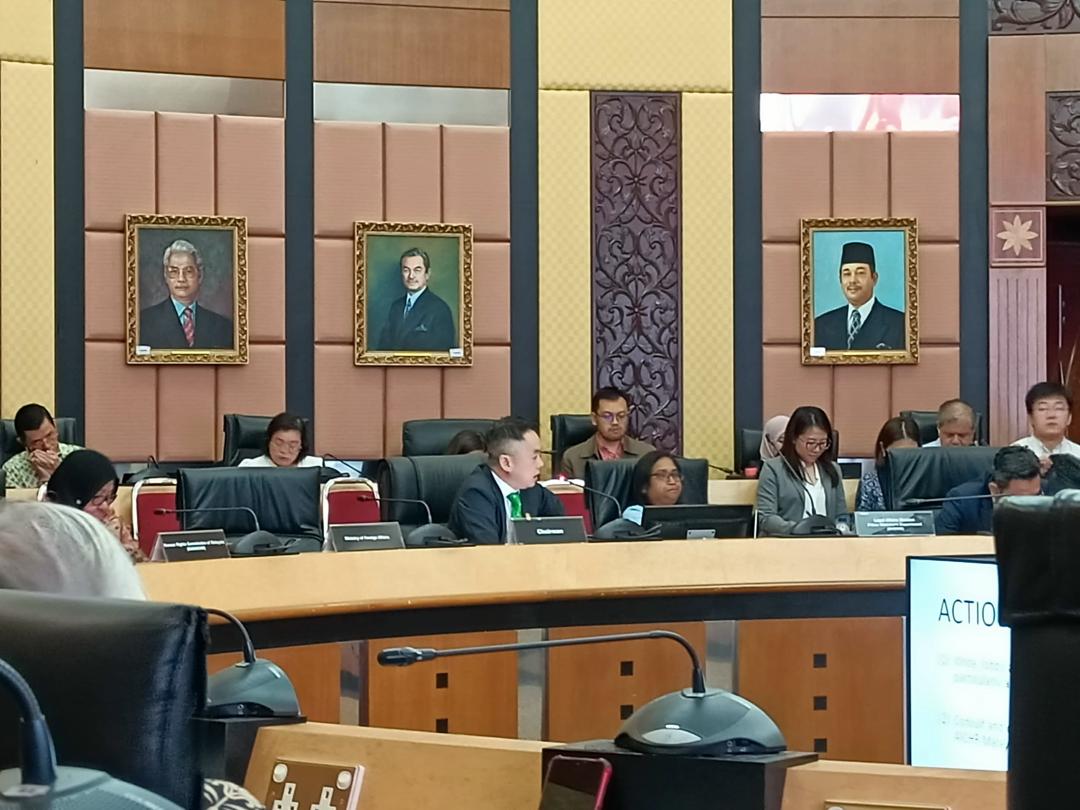
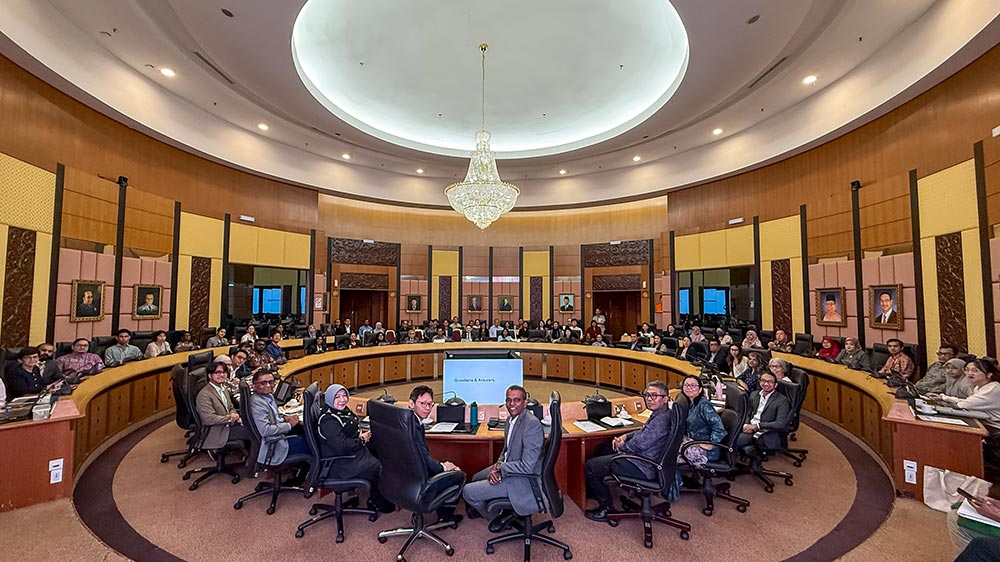
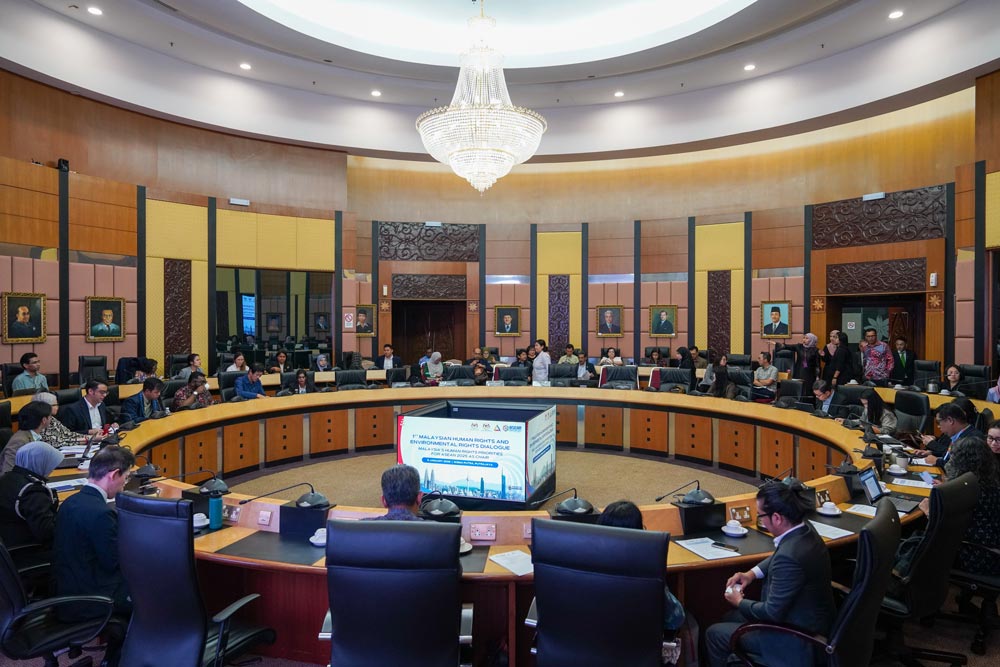
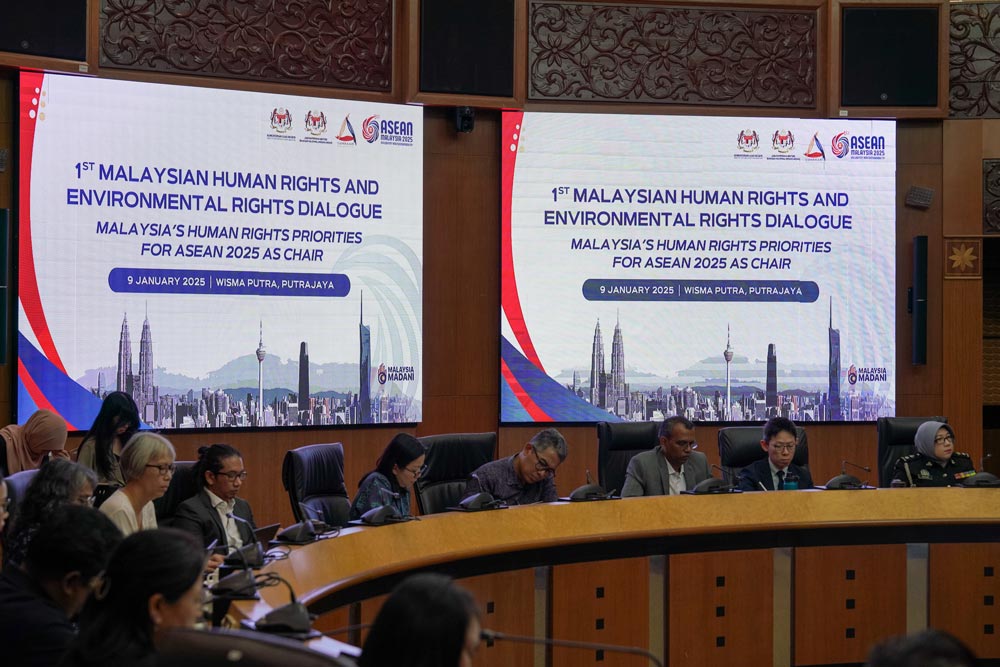
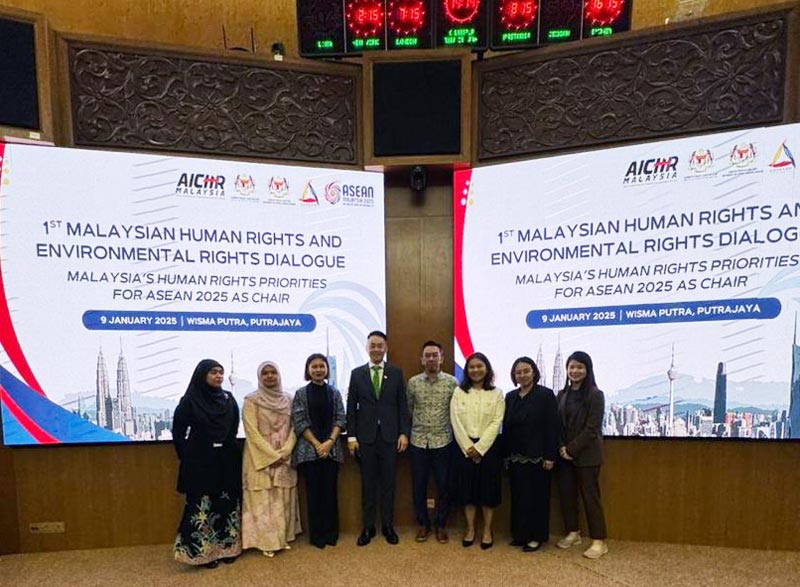
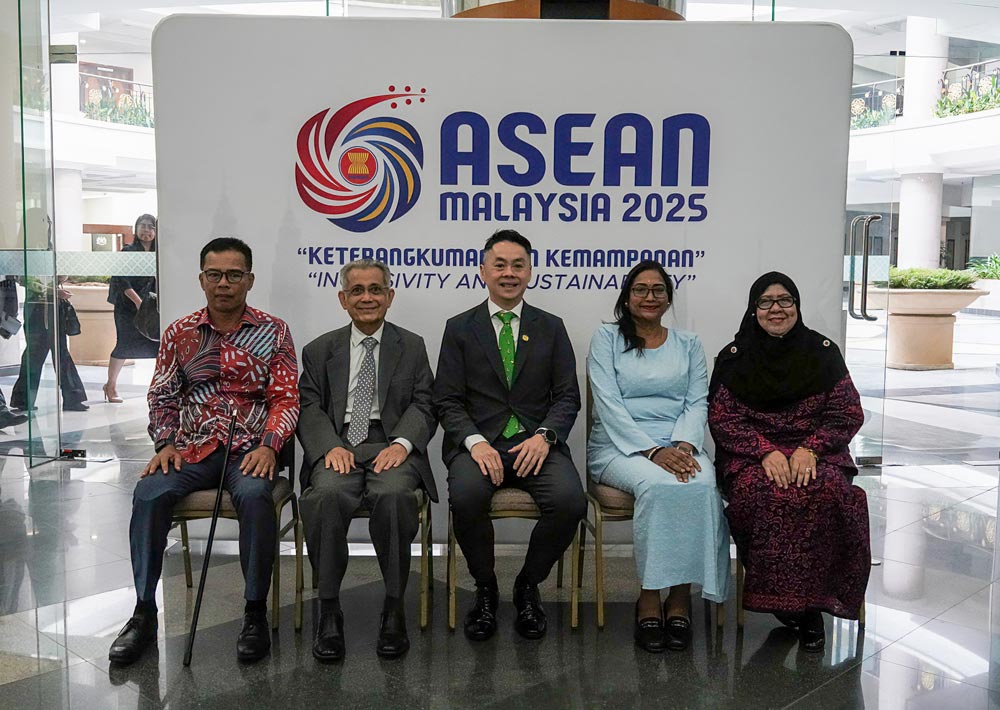
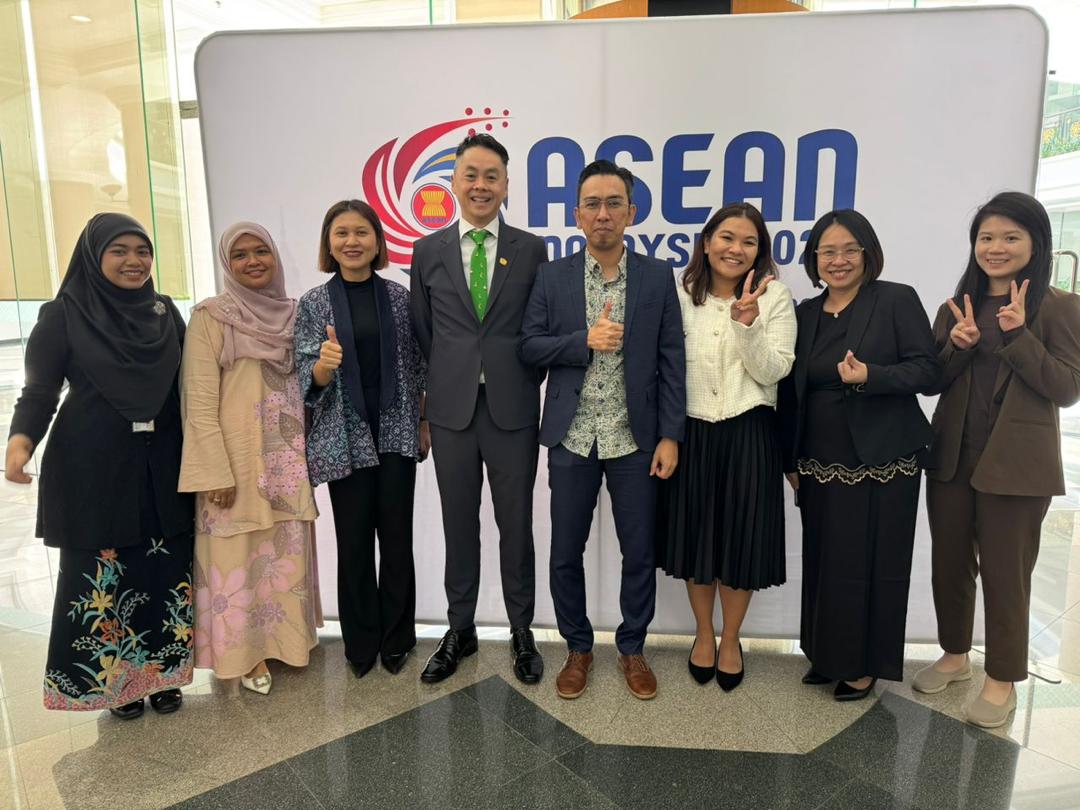
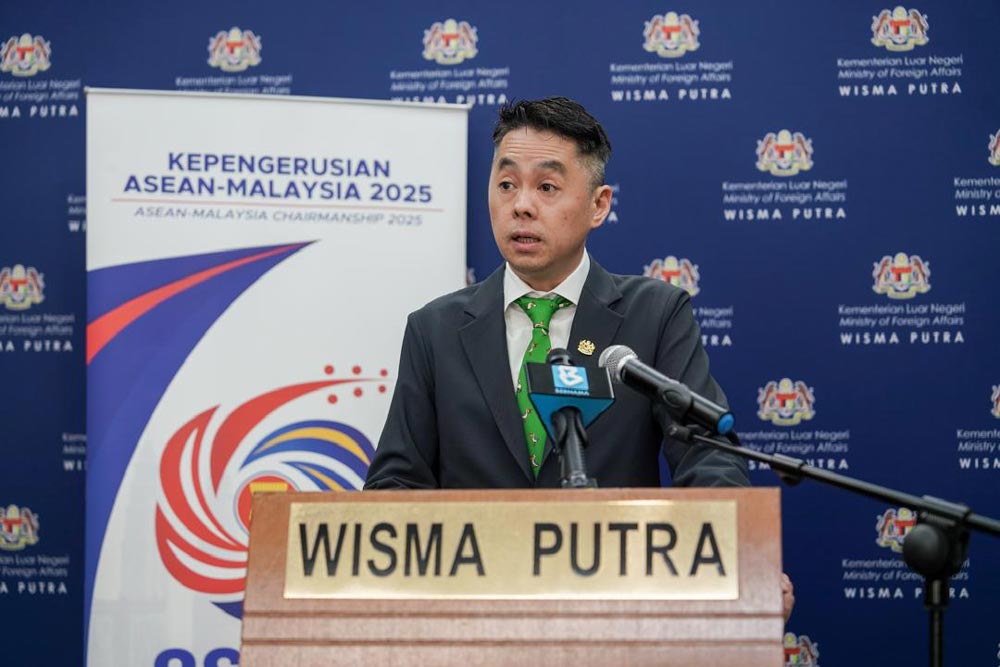
This briefing was delivered at the 1st Malaysian Human Rights and Environmental Rights Dialogue: Malaysia’s human rights priorities for ASEAN 2025 as Chair, held in Putrajaya, Malaysia on 9 January 2025. See reports on the dialogue by The Edge Malaysia, Malaysiakini, Bernama (English), and Bernama (Bahasa Malaysia).