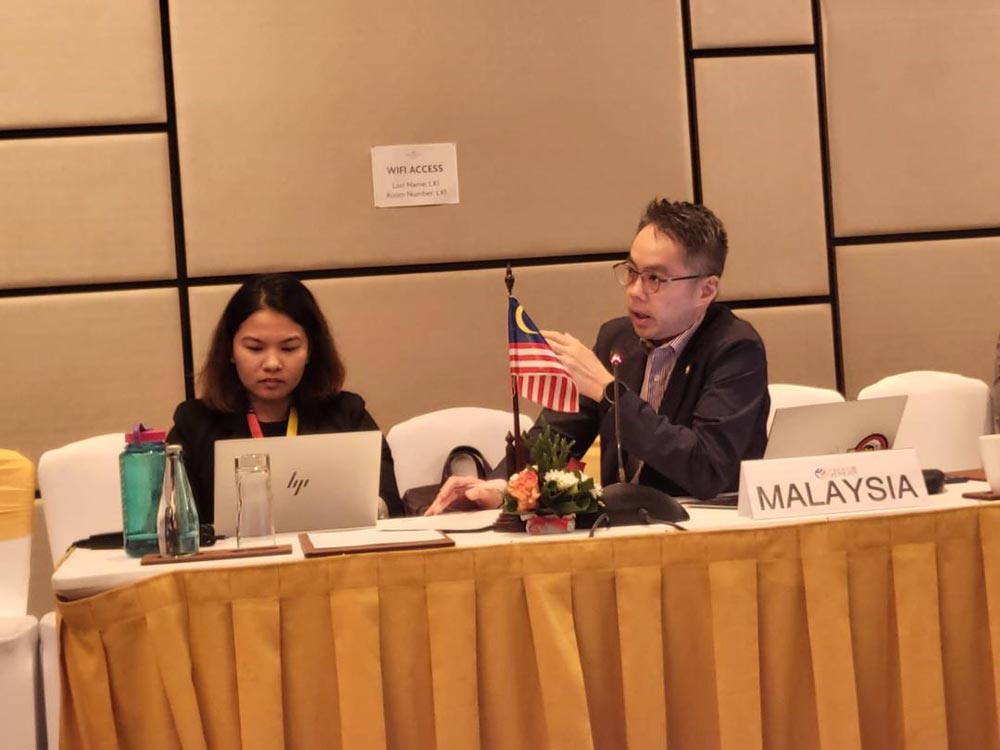

Thank you, Chair.
Malaysia’s intervention on this agenda item is as follows.
Since our last update to the meeting in May, Malaysia made strides in promoting and protecting human rights.
1. On Malaysia’s national human rights institution, the Human Rights Commission of Malaysia or SUHAKAM, there are three developments. First, the reports of SUHAKAM were presented and debated on 27 June, and 1 and 2 July 2024 in Parliament. They were also made public. Members of Parliament robustly questioned and debated human rights issues such as non-discrimination, freedom of religion, prison reforms, native customary land rights, citizenship, and business and human rights. The relevant national agencies responded and updated Parliament on the status of the matters raised.
2. Second, effective 3 July 2024, Malaysia appointed former Court of Appeal judge Dato’ Seri Mohd Hishamudin Yunus as SUHAKAM’s chairman. He previously served as a SUHAKAM commissioner from 2019 to 2022 and led many of SUHAKAM’s efforts to improve the human rights situation in Malaysia, including dealing with cases of enforced disappearances.
3. Third, legal amendments to strengthen SUHAKAM through the Human Rights Commission of Malaysia Act 1999 came into force on 10 July 2024. The amendments include strengthening the Commission’s functions, enhancing the office of the Children’s Commissioner’s functions under the governance of the Commission, and appointing a Chief Children Commissioner and two Children Commissioners. Notably, the amendments mandated the appointment of Commissioners with at least 30 per cent female representation and one person with disability. SUHAKAM is also now empowered with new responsibilities and rights following amendments made to section 4 of the Act. These include:
a. the authority to visit any place of detention, institution, or other locations as prescribed by law and outlined in the guidelines related to these places;
b. the ability to make necessary recommendations to any place of detention, institution and other place; and,
c. visits by the Commission to any place of detention, institution, or other place, cannot be refused by the persons responsible for these places once the procedures and guidelines of the places are complied with.
4. The next development Malaysia reports on is regarding our continued engagement with the human rights mechanisms of the United Nations (UN). First, Malaysia participated in a dialogue at its fourth cycle of the Universal Periodic Review (UPR) on 25 January 2024. There were 348 recommendations made by 130 participating states at the review session. On 5 July 2024, the government announced its decision to accept 223 recommendations. Of those, 182 recommendations were accepted in full, 41 were accepted partially, and the remaining 125 recommendations were noted.
Recommendations accepted in full have been implemented, are currently being implemented, or will be implemented during the fourth UPR cycle. Among the recommendations accepted in full are:
a. consider ratifying and acceding to core international human rights instruments that Malaysia is not yet a party to;
b. continue cooperation with international and regional human rights mechanisms;
c. strengthen the effectiveness of SUHAKAM;
d. strengthen the measures for the establishment of the office of the Ombudsman; and
e. take the necessary steps to combat trafficking in persons, especially women, girls, and children.
In this pursuit, the government has institutionalised a formal national mechanism through the National Working Committee on the UPR led by the Ministry of Foreign Affairs to monitor and coordinate the implementation of the recommendations. Government ministries and agencies, SUHAKAM, civil society organisations, and business and private entities, sit on the committee that would meet at least twice a year. The committee will streamline the implementation of Malaysia’s human rights obligations and reporting to the UN Human Rights Council, of which Malaysia is an elected member for the term 2022 to 2024.
5. Second, as part of the government’s efforts to increase collaboration and cooperation with the Office of the United Nations High Commissioner for Human Rights (OHCHR) to advance human rights, the government of Malaysia hosted the High Commissioner, Volker Türk, marking the second visit by a UN High Commissioner for Human Rights to Malaysia. He was in Malaysia from 3 to 4 June. He met the Prime Minister of Malaysia, the Minister of Foreign Affairs, UN agencies, civil society, among others, and held interactive dialogues on human rights. The High Commissioner offered his support to Malaysia to implement recommendations of the UN Committee on the Elimination of Discrimination against Women (CEDAW) and to move forward with the ratification of other core international human rights instruments, including the International Covenant on Civil and Political Rights (ICCPR) and the International Covenant on Economic, Social and Cultural Rights (ICESCR).
6. As Malaysia is poised to take the Association of Southeast Asian Nations (ASEAN) chairmanship next year, the High Commissioner looked forward to Malaysia’s leadership to strengthen ASEAN’s human rights agenda and “to inject renewed vigour into the international response to crises like the catastrophic situation in Myanmar”. These expectations were conveyed to Malaysia by the High Commissioner.
7. The third development is on business and human rights. Malaysia deposited the instrument of ratification to the International Labour Organization (ILO)’s Occupational Safety and Health Convention 1981 on 11 June. Following the 2022 amendments to the Occupational Safety and Health Act 1994 that came into force this year, the ratification is a testament of Malaysia’s commitment to strengthen labour rights, especially in occupational safety and health. It further complements the enactment of related policies and legislation in Malaysia.
8. The fourth development is on human trafficking. Following Malaysia’s Tier 3 ranking on the Trafficking in Persons (TIP) Report issued by the United States Department of State in 2021 and 2022, Malaysia moved up to Tier 2 (Watchlist) last year. In the latest 2024 report, Malaysia is now ranked in Tier 2. The progress highlighted improvements in addressing human trafficking in Malaysia, which included an increase in trafficking investigations, convictions with significant sentences, awareness campaigns on trafficking, and prosecutions of officials complicit in trafficking.
Thank you, Chair.
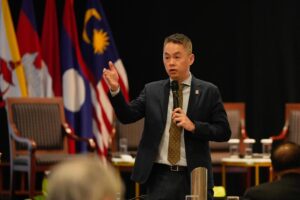
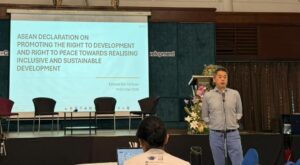
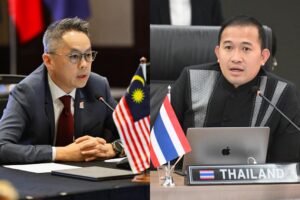
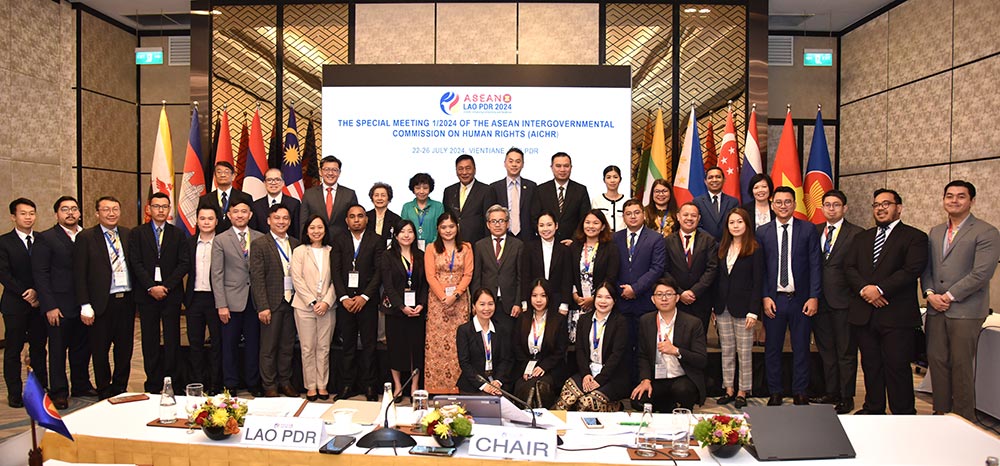
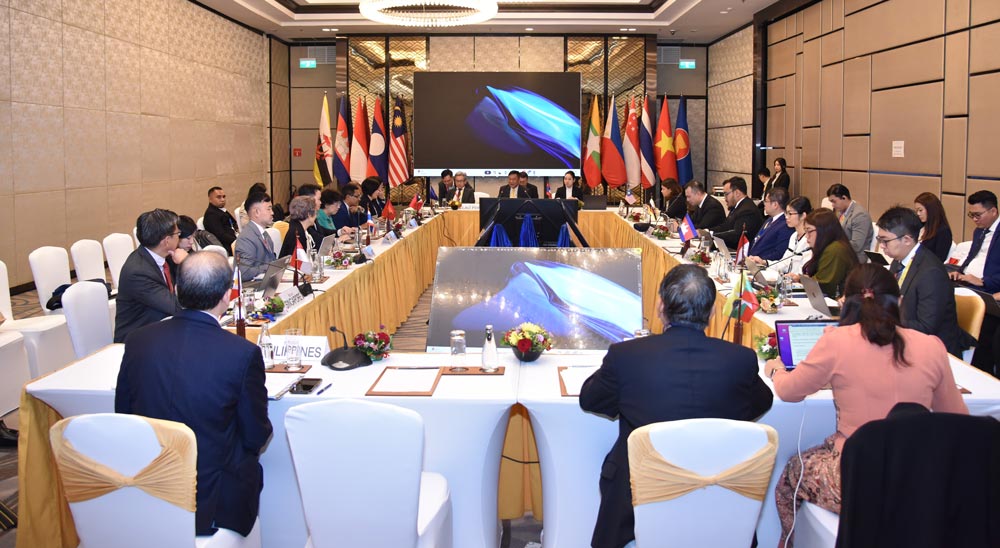
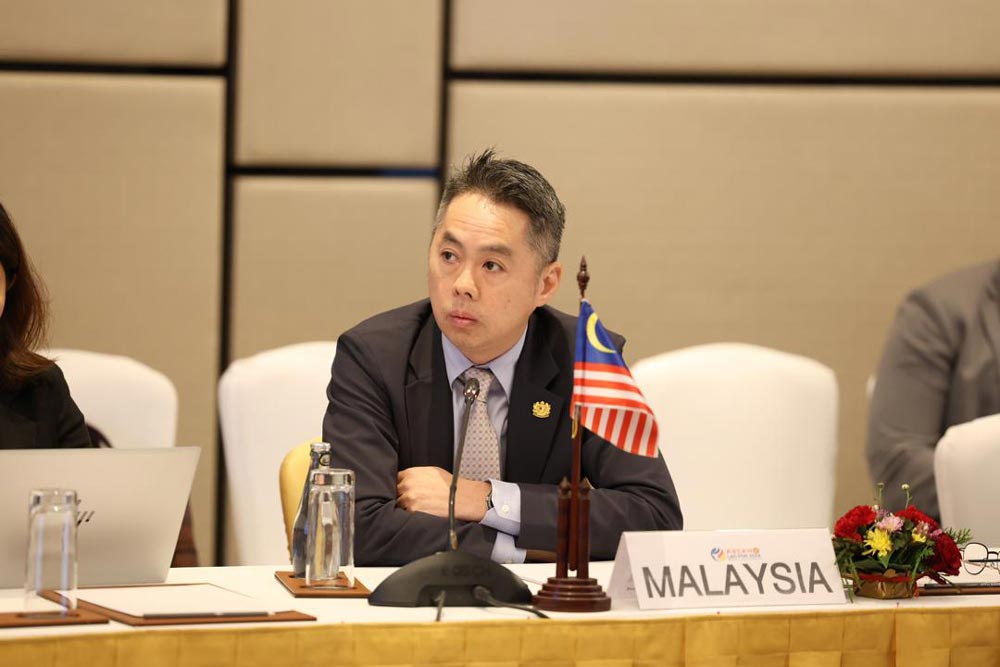
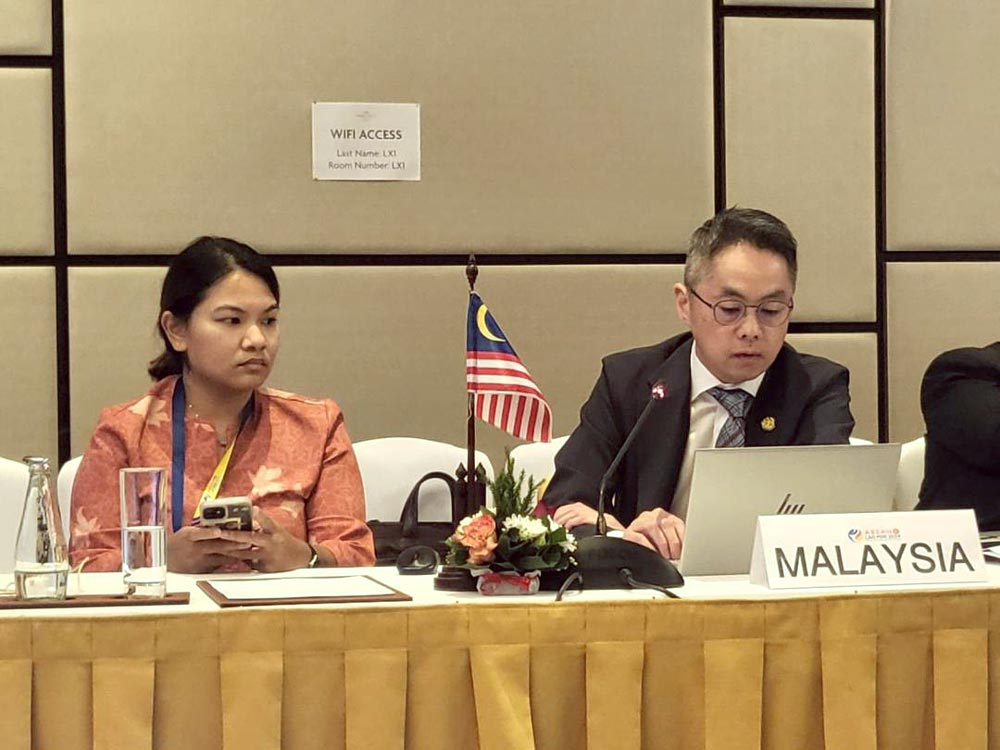
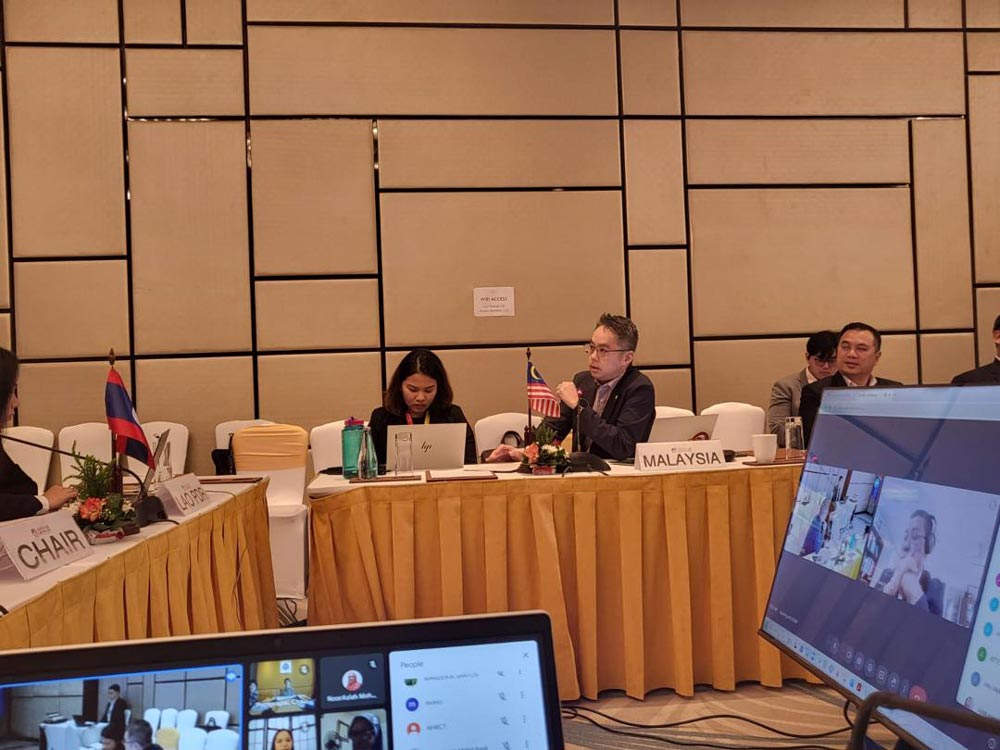
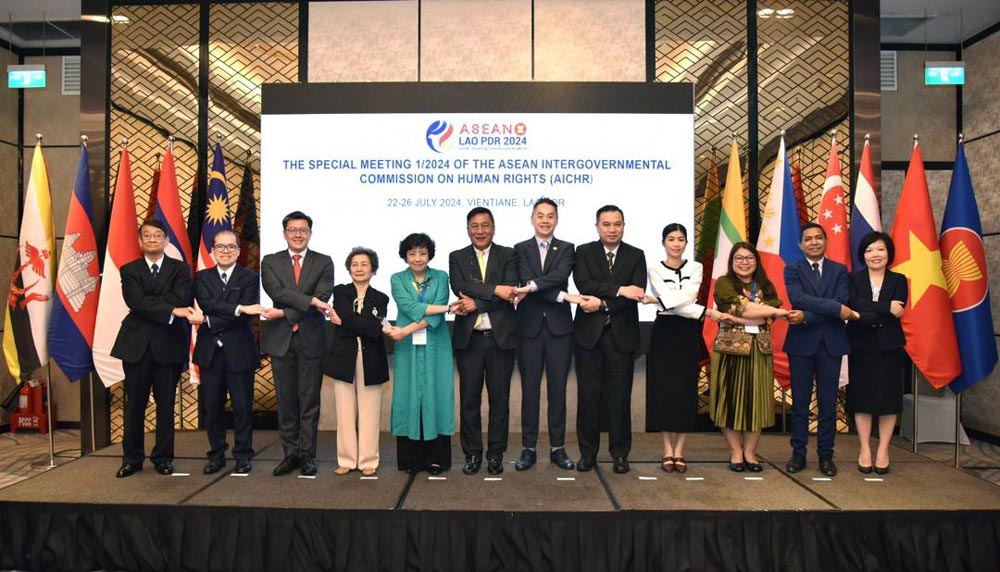
This statement was delivered to the ASEAN Intergovernmental Commission on Human Rights (AICHR) on Agenda Item No. 6.1 on Recent Developments in ASEAN, at the Special Meeting 1/2024 held in Vientiane, Lao PDR on 24 July 2024.