By S. Vinothaa | Malaysiakini
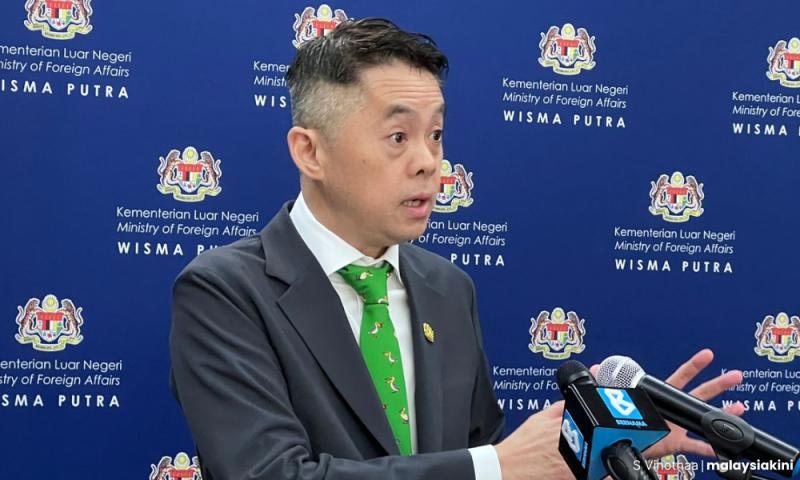
In a striking departure from traditional ASEAN diplomacy, a Malaysian representative to ASEAN called for a firm stand against human rights abusers, even if it means violating long-established conventions in the regional bloc.
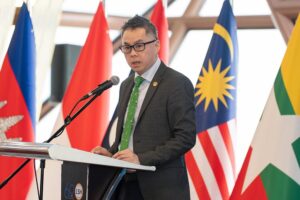
Malaysia’s chair of the ASEAN Intergovernmental Commission on Human Rights (AICHR), Edmund Bon, delivered a forceful critique of what he described as a growing “dilution” or willful blindness of international human rights law.
He explained this was especially in relation to regional armed human rights conflicts.
“Even if it means that ASEAN has to take a position that does not meet consensus, then so be it.
“I would rather that we create a violation of a convention or practice than protect human rights abusers,” he stated during his address at the first Human Rights and Environmental Rights dialogue under his chairpersonship.
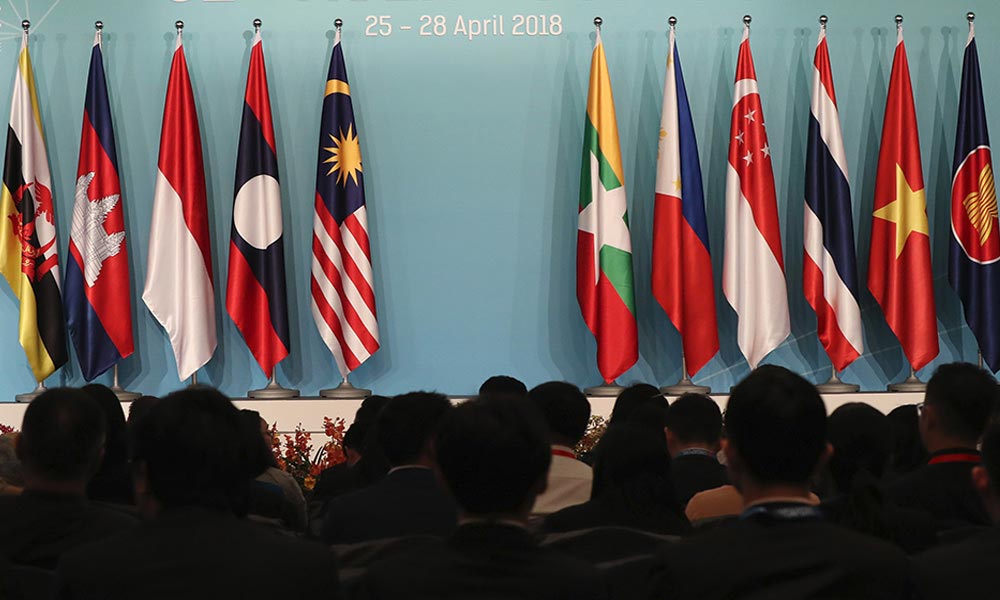
Speaking to 90 members of civil society and government agencies, Bon said, “Malaysia cannot countenance such a dilution and cannot be wilfully blind.
“Within our ASEAN backyard and within the remit of what we can do while chairing ASEAN, we cannot support impunity,” he said.
He highlighted growing divisions within ASEAN, with countries like Myanmar, Cambodia, and Vietnam facing human rights violation accusations.
Despite these issues, ASEAN has stayed silent due to its consensus-based approach, which requires unanimous agreement before taking action.
Malaysia’s intervention seeks to challenge this passivity.
Since its inception in 2009, AICHR has not directly addressed armed conflicts, and Bon’s bold stance offers a platform for taking initial steps forward.
“It’s a blank canvas for us and an opportunity to get creative with how we act,” he said, reflecting on minority statements issued by member states on critical issues like the armed conflict in Myanmar and transboundary haze pollution.
However, legally binding declarations will still require the 10-member consensus and the upcoming environmental rights declaration is set to be brought to the discussion table in February.
Watered down environmental declaration
What started as a comprehensive treatise with input from United Nations experts, academia, civil society, as well as ASEAN sectoral bodies and AICHR, the declaration is now a 10-page draft.
This is because many ASEAN member states were not too comfortable because it required states to sign on to a legally binding agreement, Bon said.
“That draft has been diluted into a 10-page draft… looking quite similar to the other ASEAN declarations.
“For example, the ASEAN Human Rights Declaration.
“We have to negotiate that draft and manage the different contests like language and words still being discussed,” he explained.
He attributed countries contesting the declaration’s contents to a lack of human rights awareness, particularly in countries without a dedicated human rights commission, despite Myanmar having one.