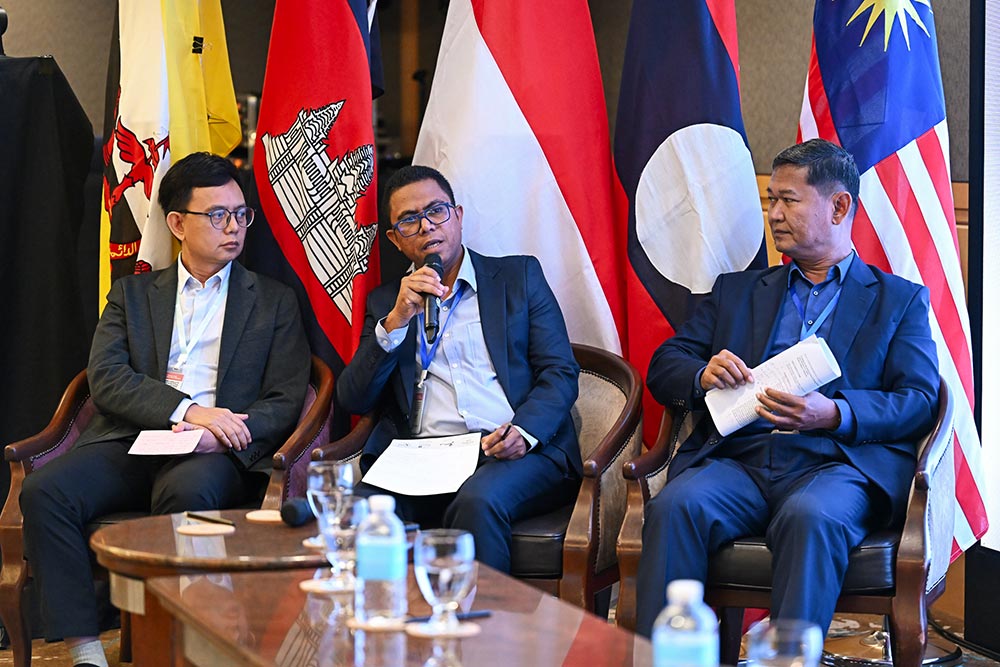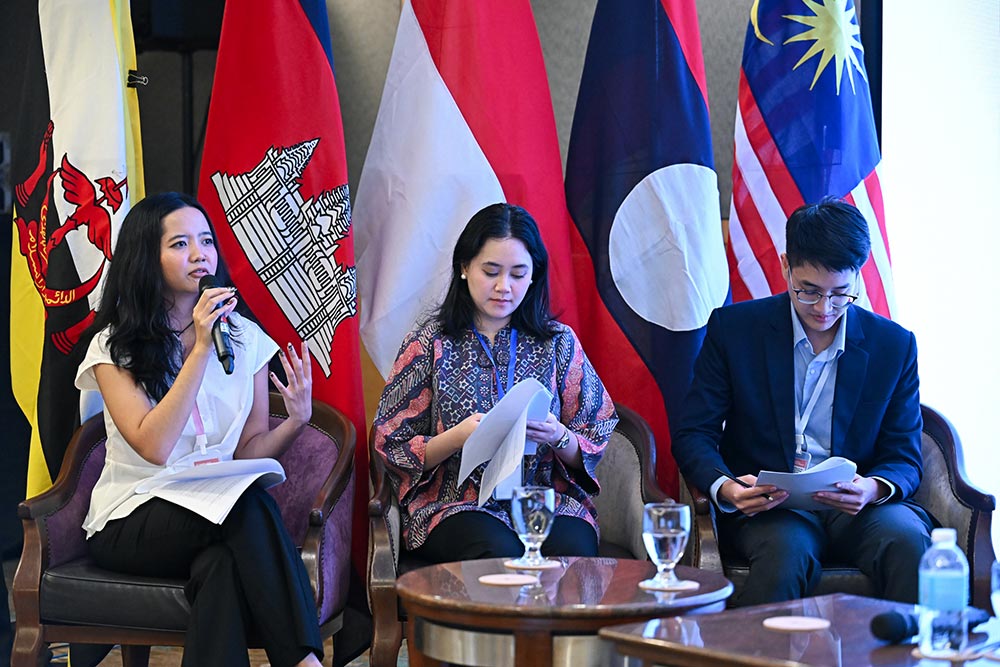

Nor Shah bin Mohamed, Undersecretary of the Prisons, Anti-Drugs, and RELA Division, Ministry of Home Affairs, Malaysia,
Dr. Seree Nonthasoot, Member of the United Nations Committee on Economic, Social and Cultural Rights (CESCR),
Gloria Lai, Regional Director (Asia), International Drug Policy Consortium (IDPC),
Ajeng Larasati, Human Rights Lead, Harm Reduction International (HRI),
Palani Narayanan, Director, Drug Policy Program Malaysia,
Dr. Nur Afiqah binti Mohd Salleh, Deputy Vice President, Persatuan Insaf Murni Malaysia,
AICHR Representatives, distinguished colleagues and friends.
Selamat pagi and welcome to Kuala Lumpur.
As the current ASEAN Chair and on behalf of Malaysia, I am glad to host this AICHR training programme that addresses the intersection of drug policies with human rights and health, focusing on the need for a more human rights-based approach to drug policy. It comes at a pivotal moment for ASEAN. ASEAN has been committed to addressing drug abuse and trafficking since 1976, beginning with the ASEAN Declaration of Principles to Combat the Abuse of Narcotic Drugs, followed by successive work plans led by the ASEAN Ministerial Meeting on Drug Matters (AMMD) and ASEAN Senior Officials Meeting on Drug Matters (ASOD).
I am heartened to see representatives from ASOD and ASEAN Senior Officials Meeting on Transnational Crime (SOMTC) in attendance. I welcome your active participation along with officers from the Malaysian National Anti-Drugs Agency (AADK).
Our governments have largely focused on eradicating drug supply and demand through criminalisation, prohibition, and punishment. Despite substantial enforcement investments, the illegal drug market has not shrunk; instead, it has expanded and diversified, evidenced in part by the rise of methamphetamines and new psychoactive substances. These punitive approaches also deter access to essential health services — especially for vulnerable and marginalised groups who already face barriers to healthcare, legal protection, and support.
Measures taken by States to decrease and suppress the supply and use of illicit drugs have been justified on the premise that the threat of criminal sanctions will reduce, and eventually eliminate, drug use and will improve public health as a result. In 2019, the United Nations published a common position on drugs that, among other things, calls on governments to promote alternatives to conviction and punishment — including decriminalising possession for personal use. It noted that punitive drug policies have been ineffective in reducing drug trafficking or addressing non-medical drug use and supply, while undermining human rights and well-being.
Let me state it plainly. The war on drugs has not delivered on its promise of safety. The illicit trade has not ended. It has evolved — professionalising, finding new routes and new markets. ASEAN remains a major transit and production hub. That reality requires us to move away from the ‘us versus them’ approach that is the underlying assumption of the war on drugs. Us the nice people who have no drug addiction, us the savvy people who would never end up caught in the drug trade; and them, the gangs, those who ‘choose’ to be addicted, exploited, or executed despite all warnings. This binary approach has not, and will not, offer us the solution that we all so much desire. If we change the lens, we change the outcomes.
Encouragingly, the ASEAN Work Plan on Securing Communities against Illicit Drugs from 2016 and ending this year already acknowledges a broader palette of responses: prevention, enforcement, treatment and rehabilitation, research, alternative development, and cooperation beyond our borders. We hope that the new work plan will be enhanced with more human rights-centred approaches.
Relatedly, let me raise two key matters.
First, we must re-centre health as a right, not a service at the margins. It is not merely a service to provide but a right that we need to protect. The protection of the right to health, with all the defining ethical principles that come with it, must be acknowledged on equal basis as law enforcement. It must be more than just about treatment and rehabilitation, and it should be governed by health bodies.
Second, we must focus on root causes and long-term resilience. International human rights law, our national constitutions and the Sustainable Development Goals (SDGs), among others, already provide the impetus. We need not only to expand health and other social services to address drug-related problems but also to undertake measures to address the underlying socio-economic causes that increase the risks of using drugs and that lead people to engage in the illicit drug trade such as poverty, discrimination, unemployment, illness, and denial of education. Evidence-based approaches demand that we engage the drivers that make people vulnerable to risky use and to participation in the illicit market.
Globally, drug policy is shifting towards more holistic and multi-dimensional approaches to address illicit trafficking and drug use. In line with this shift, I recognise that several ASEAN Member States (AMS), such as Thailand, Viet Nam, and Malaysia, have adopted reforms and initiated measures to achieve more proportionate and equitable responses while expanding access to health and social services. They have in different ways acknowledged the health and human rights costs of punitive approaches. These positive developments do not erase our challenges; they show that reform is possible within our cultural, legal, and political contexts.
Speaking about my own country, Malaysia is pursuing drug policies with the aim of achieving health right outcomes by implementing harm reduction measures to reduce the rate of HIV (human immunodeficiency viruses) prevalence amongst people who inject drugs and improving access to drug treatment by prioritising investment in health responses above criminalisation and imprisonment. The mandatory death penalty for drug offences has also been removed in line with the right to life.
The progress made in ASEAN reflects a promising reality that drug policies in Southeast Asia are undergoing much-needed transformations as we gain more access to scientific evidence and information on the use of drugs and what is really effective. Our approach must be up to date, while honouring the traditional policy of ‘do no harm’. If our policies expose individuals to more danger, it is time that we evolve our approach. Providing community-centric solutions that are scientifically accurate, sustainable, accessible, and stigma-free can achieve the change that we all seek.
Do not get me wrong. Some might mischaracterise my remarks as going soft on law enforcement. Let me be clearer: we need to protect future generations from the harm of dangerous and illicit drugs, and to combat international organised crime. We are against violence. We oppose the negative impacts of dangerous and illicit drugs on users and dependents. I also acknowledge the victims and survivors of drug use and dependency who have suffered or are suffering, as well as their families and loved ones. I do not, for one second, downplay the importance of taking appropriate measures to protect our children and society.
But law and policy cannot ever become conduits for more harm. Human rights mainstreaming calls for the adoption of non-discriminatory frameworks that restore and protect human dignity. They must work for us to overcome structural drivers of vulnerability, stigma, stereotype, and discrimination that affect people who engage in drugs. They cannot reflect or reinforce misconceptions about drugs that demonise people who use them and their families by considering them to be mentally ill, criminal, deviant or immoral. Policies should also distinguish between the use of drugs and dependence on drugs, avoiding the presumption that all drug use is inherently dangerous and inevitably leads to dependence. Drug dependence should be treated first and foremost as a public health issue, integral to the SDGs, not solely a criminal justice problem.
Effective regulation should provide legal and safe channels for those permitted to access them without being interpreted as unrestricted access for all people to all drugs. Certain types of activities need to remain prohibited due to their harmful impact, such as the sale of certain high-risk drugs or preparations. Additionally, the principle of proportionality should be robustly applied in sentencing for drug offences even as we continue moving away from the use of the death penalty. Indicators should also be re-designed to measure health, rights, and community safety outcomes.
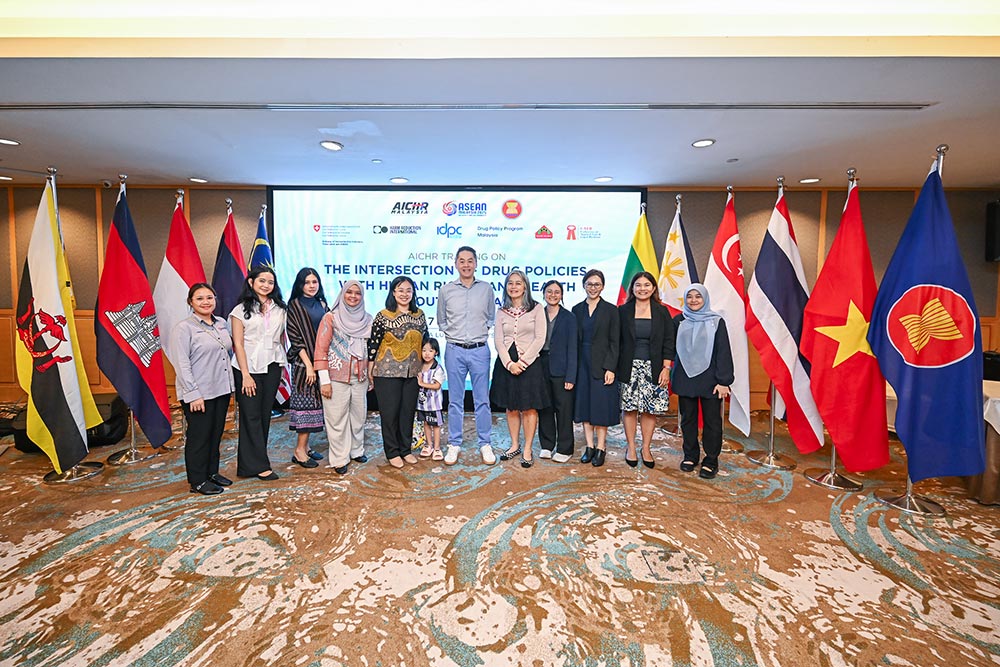
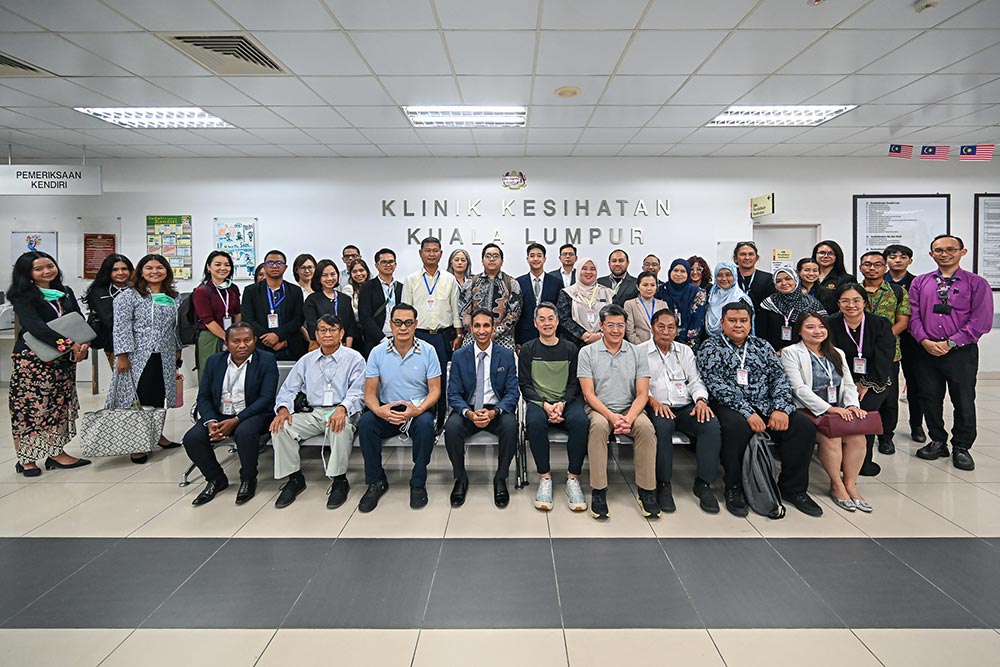
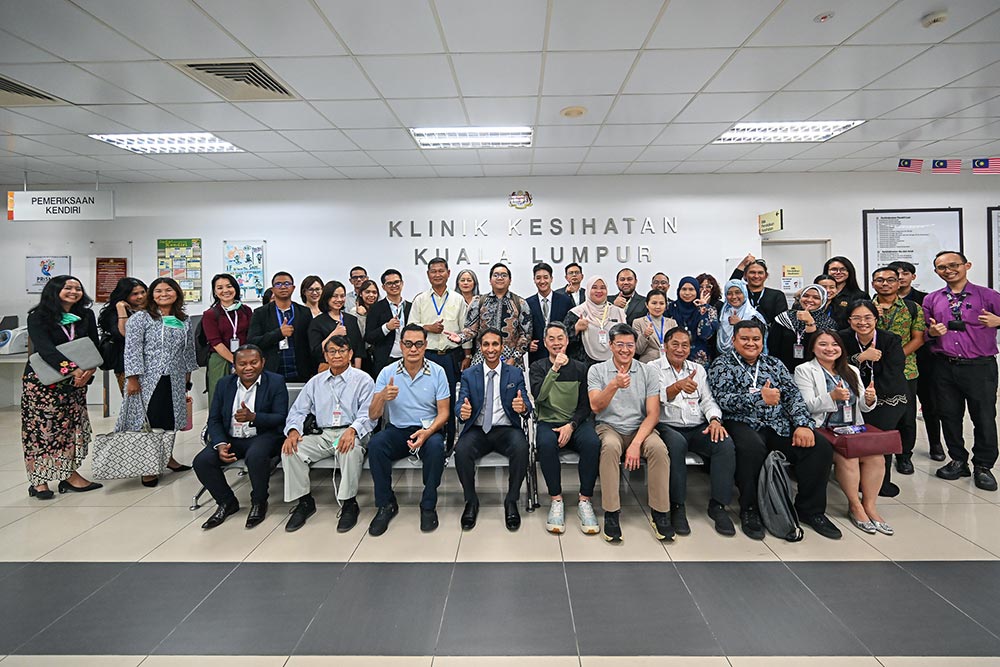
This training will feature a site visit to the Kuala Lumpur Health Clinic (Klinik Kesihatan Kuala Lumpur) and Kabin Harapan, a public health service platform highlighting a practical model of integrated, community-based care. It is operated by the non-governmental organisation Persatuan Insaf Murni Malaysia, in partnership with the Ministry of Health Malaysia and the Malaysian AIDS Council.
This brings me to another point. Governments cannot do this alone. We need meaningful cooperation with, and participation of, civil society — especially organisations led by people who use drugs, and by communities most affected. Their lived experience is not an optional add-on; it is essential evidence. If we want policies that work in the real world, we must build them with the people who live in the real world. Civil society participation needs to be institutionalised in all stages of policymaking.
Thus, the first AICHR programme of this kind responds to current realities and provides a platform for AMS to assess the impact of existing policies on drug use and trafficking and develop actionable principles that mainstream the rights to life and health while effectively addressing the challenges posed by dangerous and illicit drugs. Our discussions aim to bring a human rights lens and to mainstream human rights approaches in drug policies — from punitive, criminalisation-based approaches towards evidence-based, community-centred, and health-driven strategies. Key themes include harm reduction, de-stigmatisation, education, rehabilitation, and regional cooperation.
I am grateful to each of you for your commitment. I look forward to learning from your good practices across ASEAN and together strengthening responses to drugs that champion health and human rights. Our goal is a pragmatic roadmap ASEAN can stand behind — measuring success not only by seizures and arrests, but by reduced harm, improved health outcomes, and respect for human rights. The prevalent approach so far has not only failed in protecting people in ASEAN from the harm of drugs but instead has pushed many into precarious and hazardous health situations, in being in conflict with the law, or even paying the price with their lives for a trade we states have been unable to stop.
This programme is jointly funded by AMS through the ASEAN AICHR Fund, Switzerland, IDPC and HRI. I want to thank the team led by Malaysia’s AICHR Assistants — Valen Khor, Nurul Aliaa Azman, and Umavathni Vathanaganthan — for putting together this programme, and the staff from the Ministry of Foreign Affairs of Malaysia for their support.
I am confident that, together, we can chart a course where drug policy in Southeast Asia champions health, protects rights, and strengthens the rule of law. I look forward to the enriching discussions!
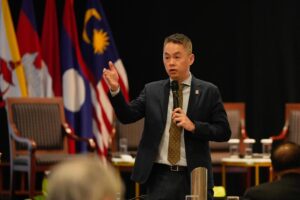
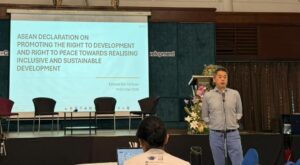
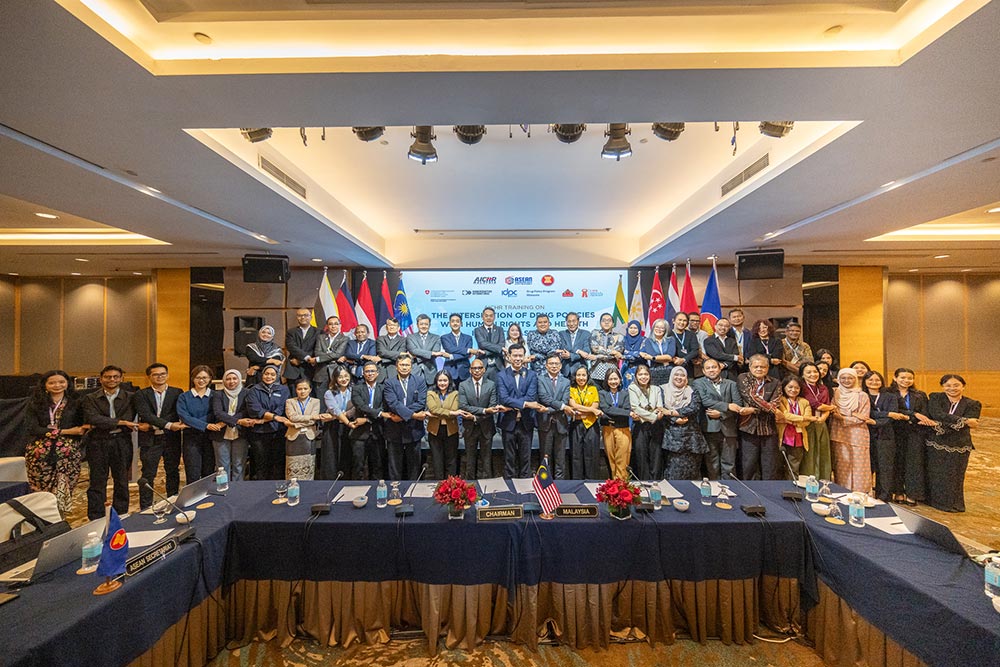
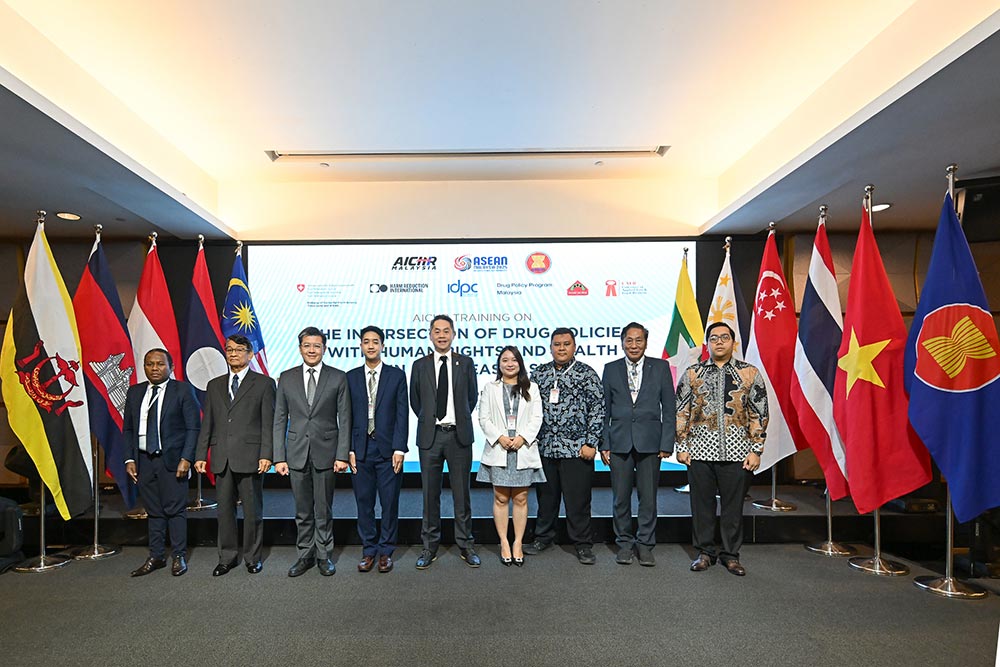
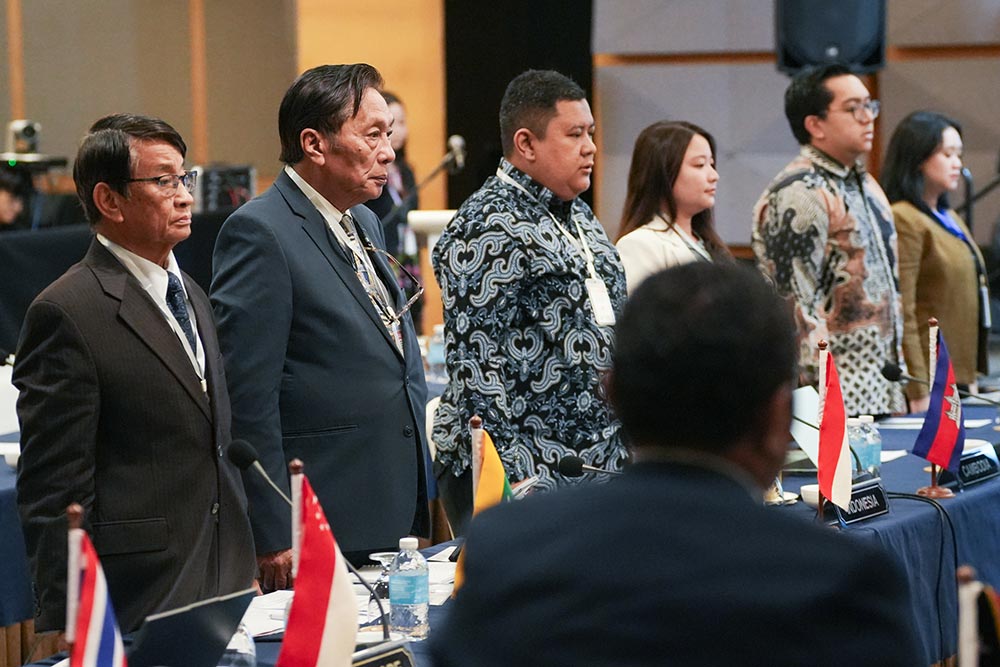
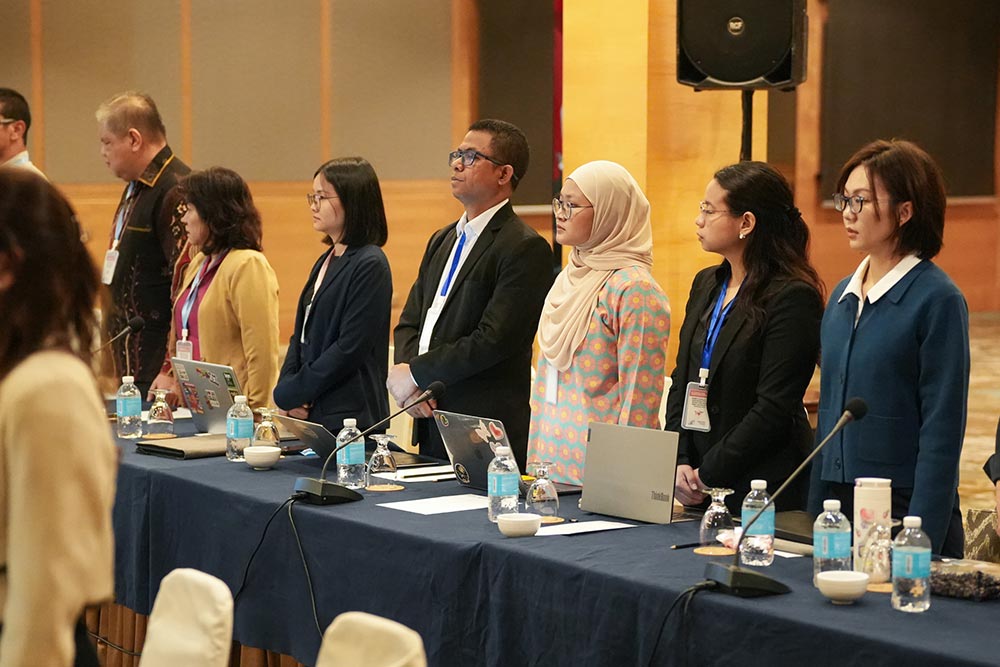
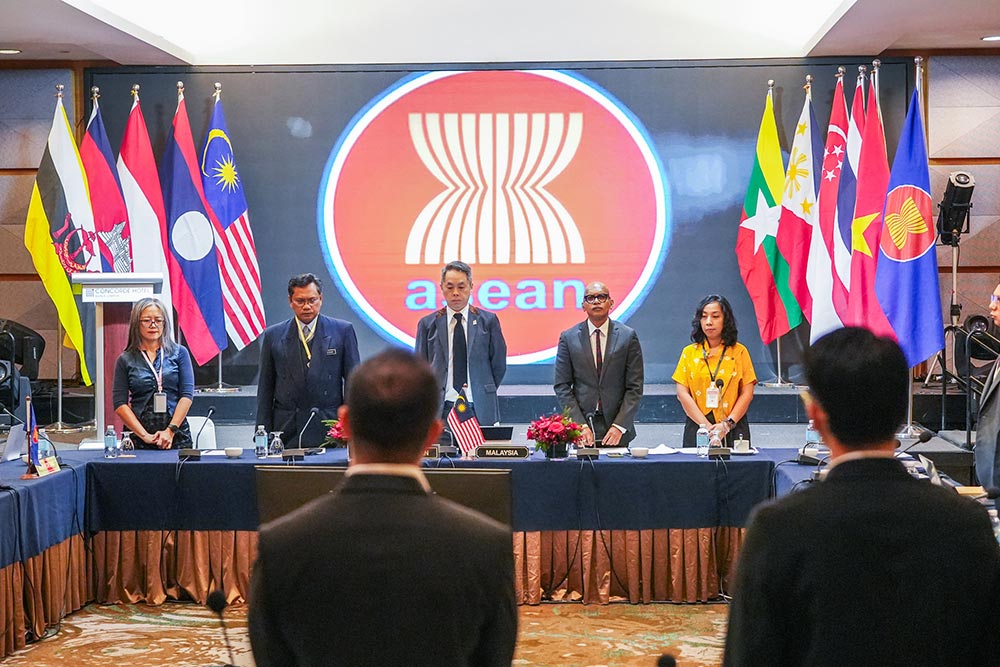
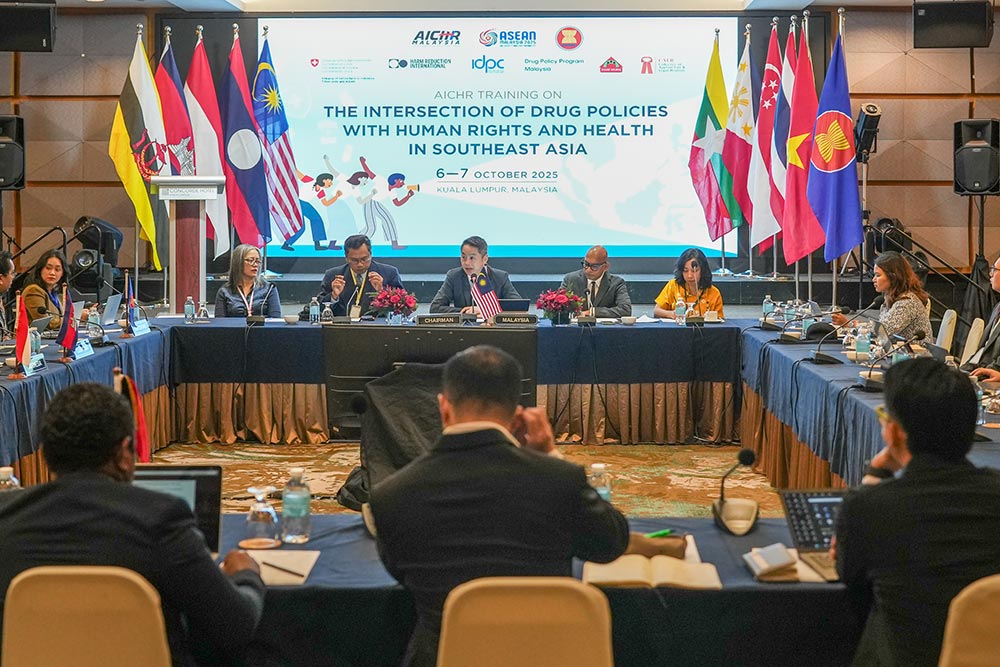
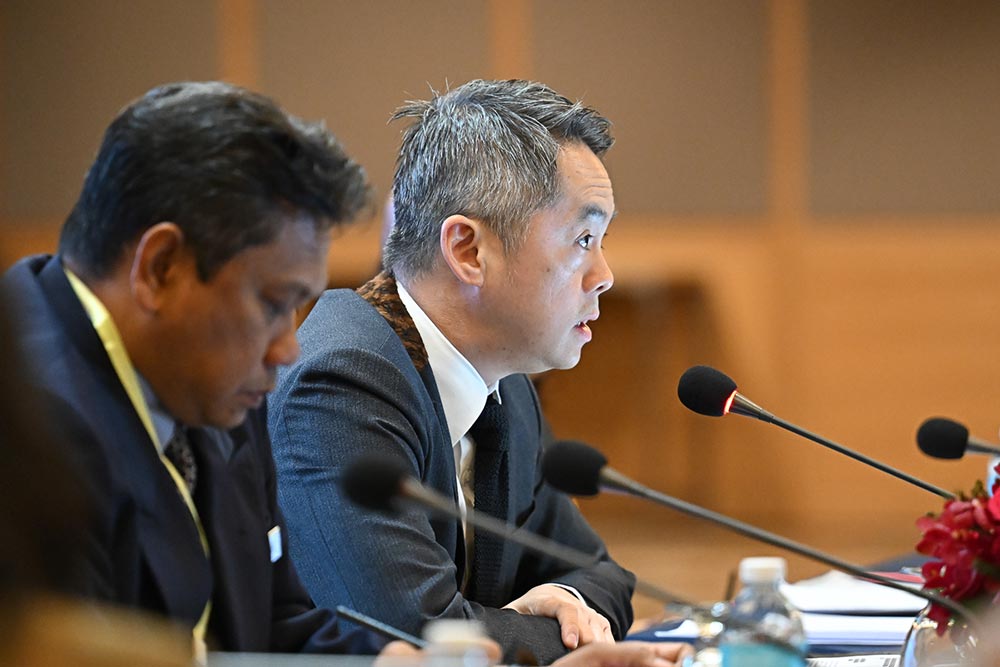
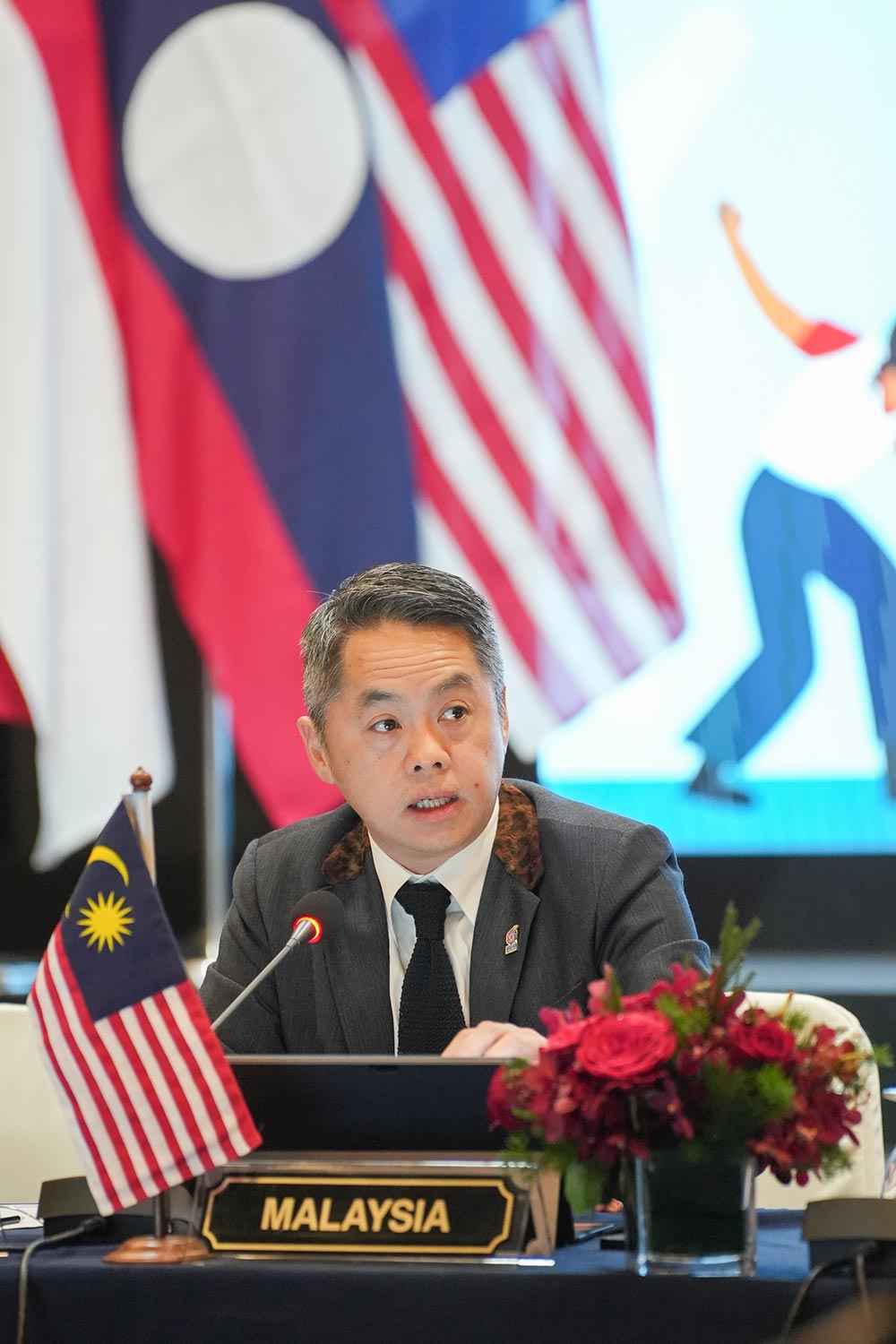
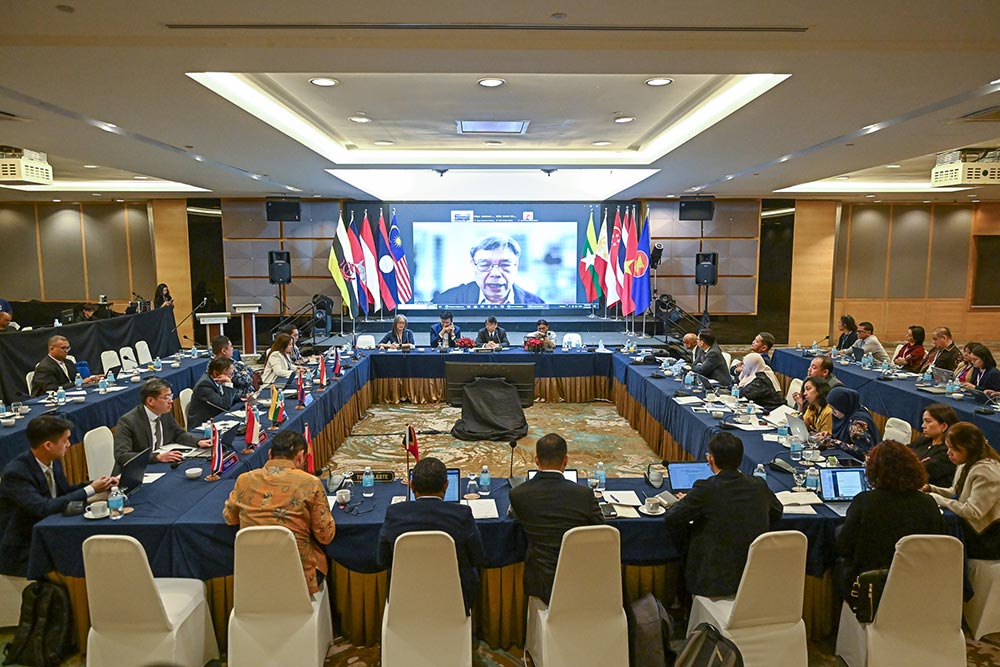
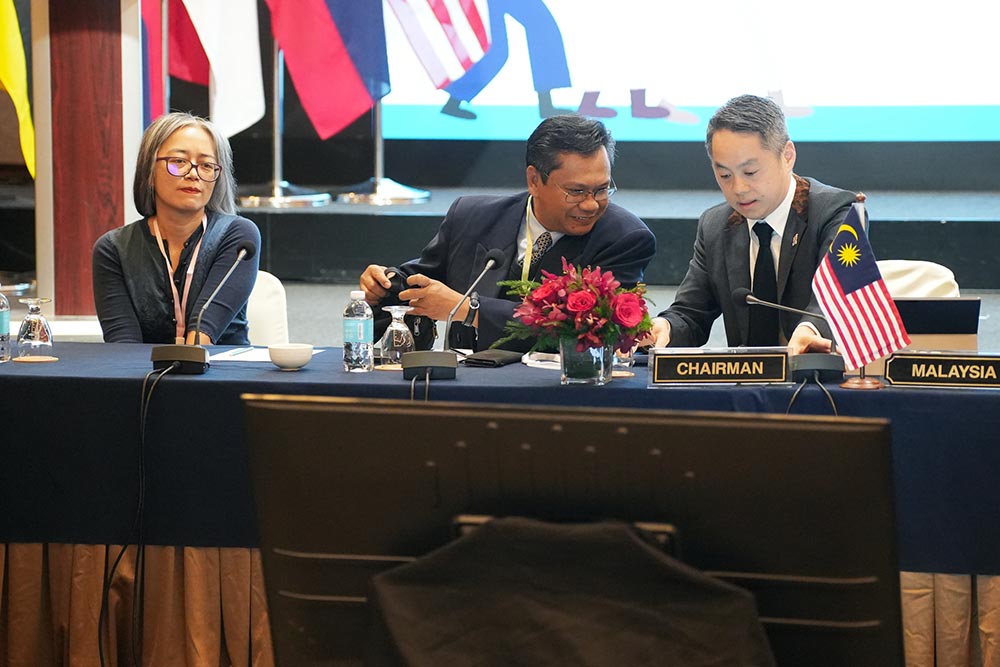
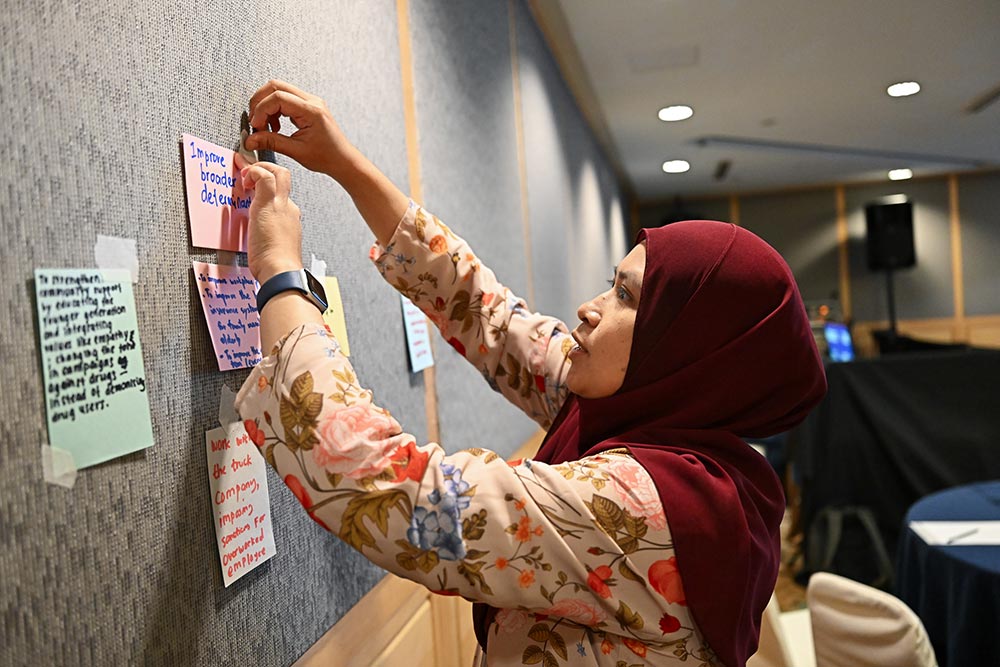
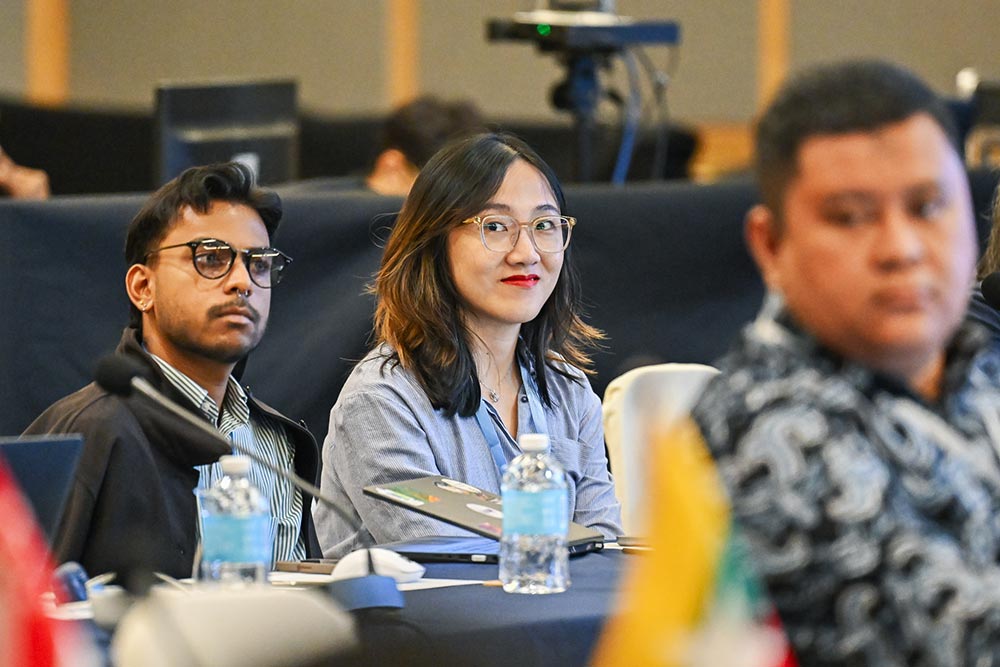
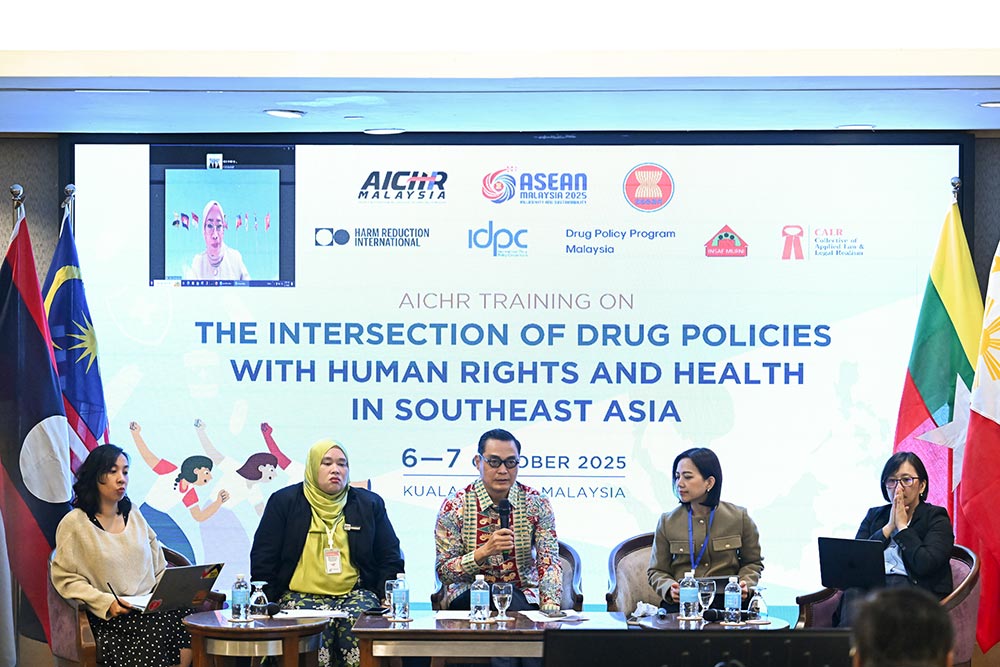
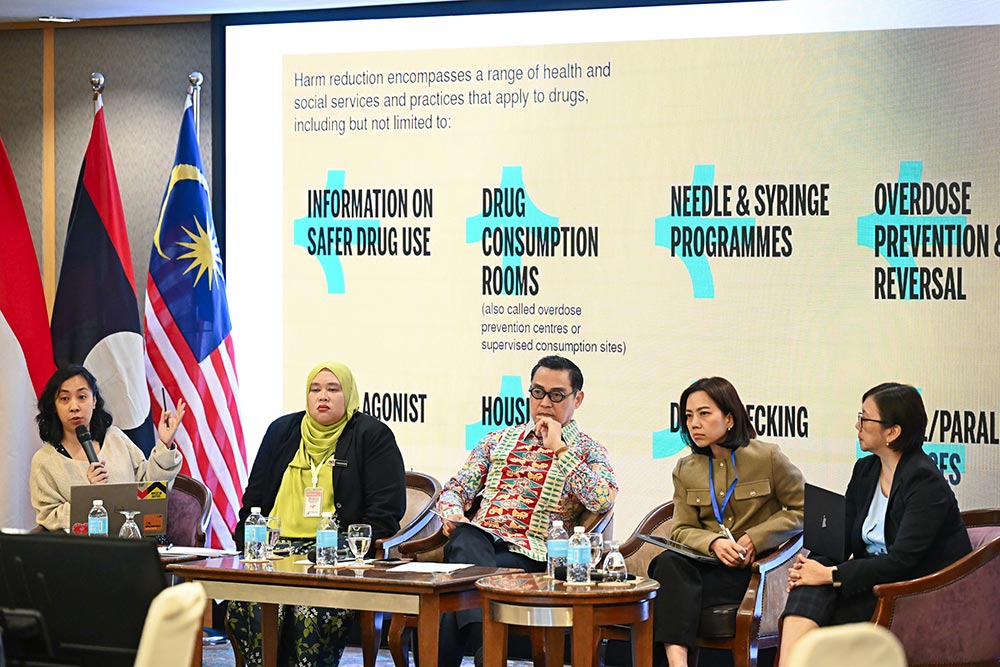
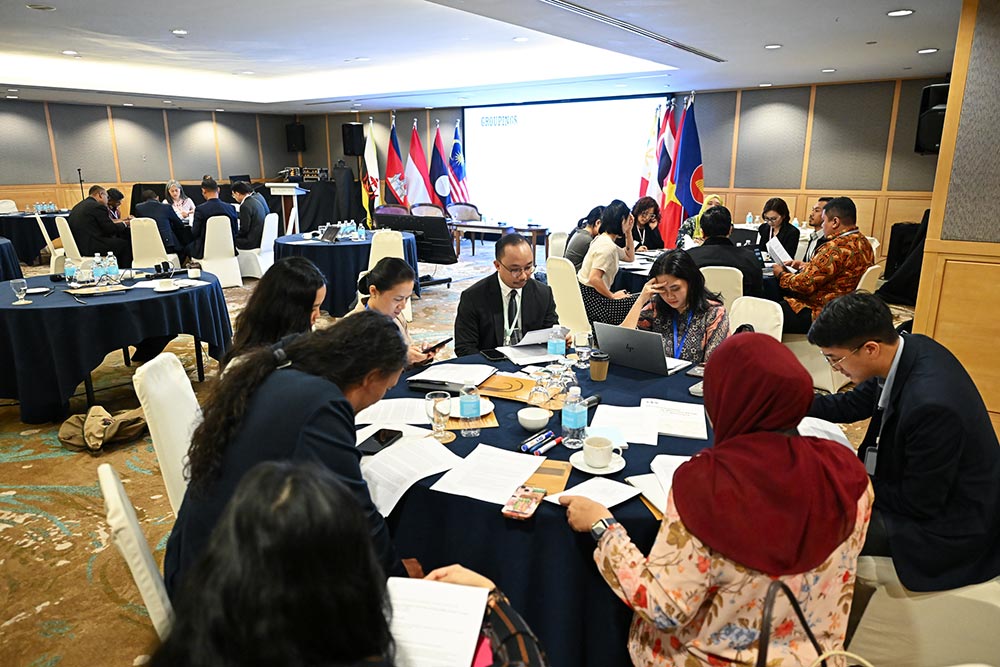
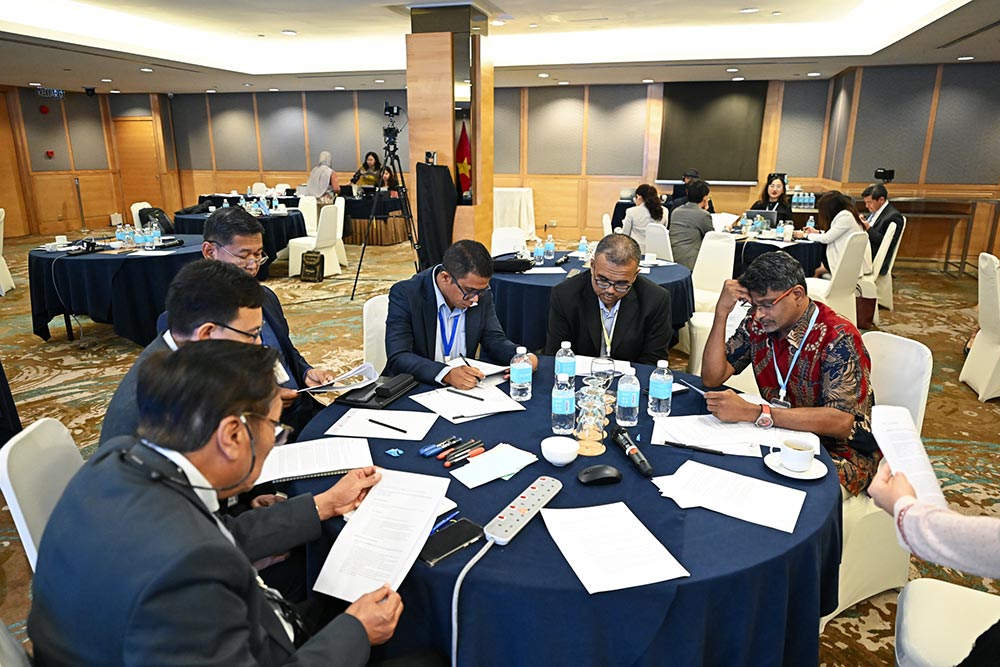
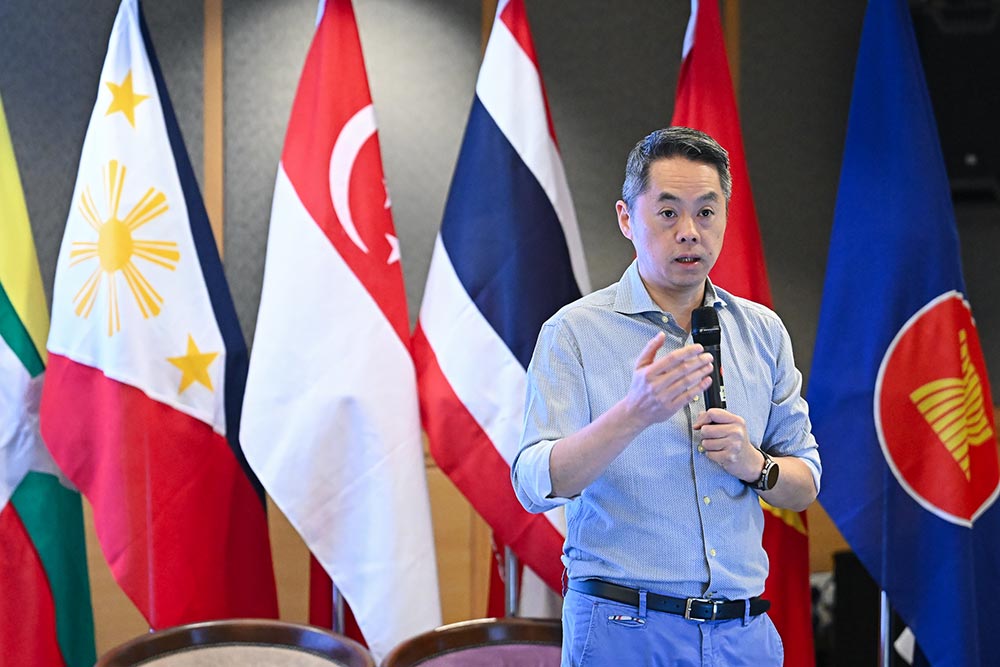
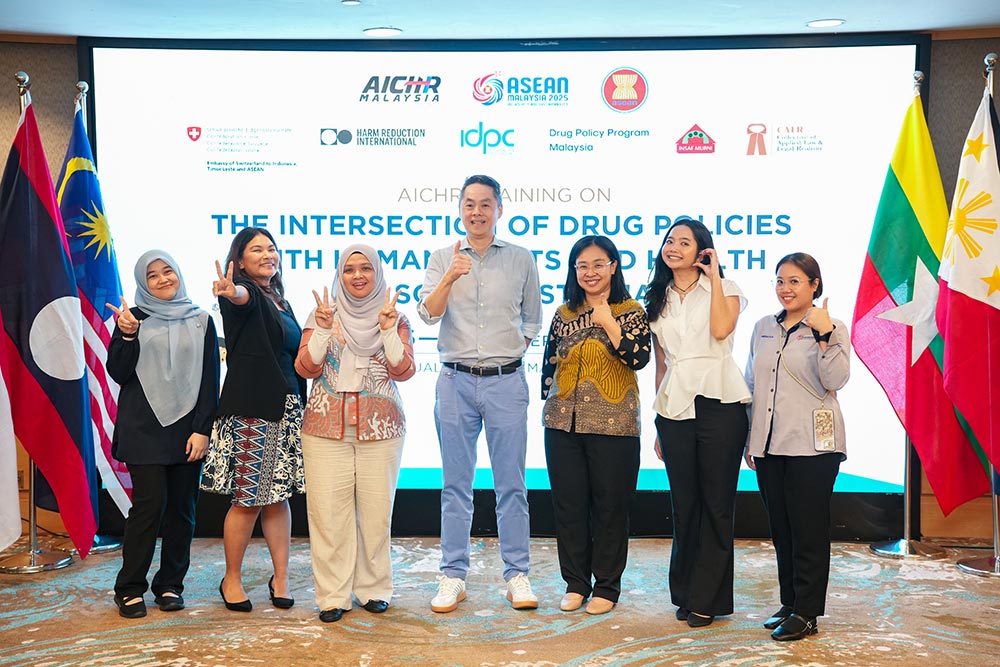
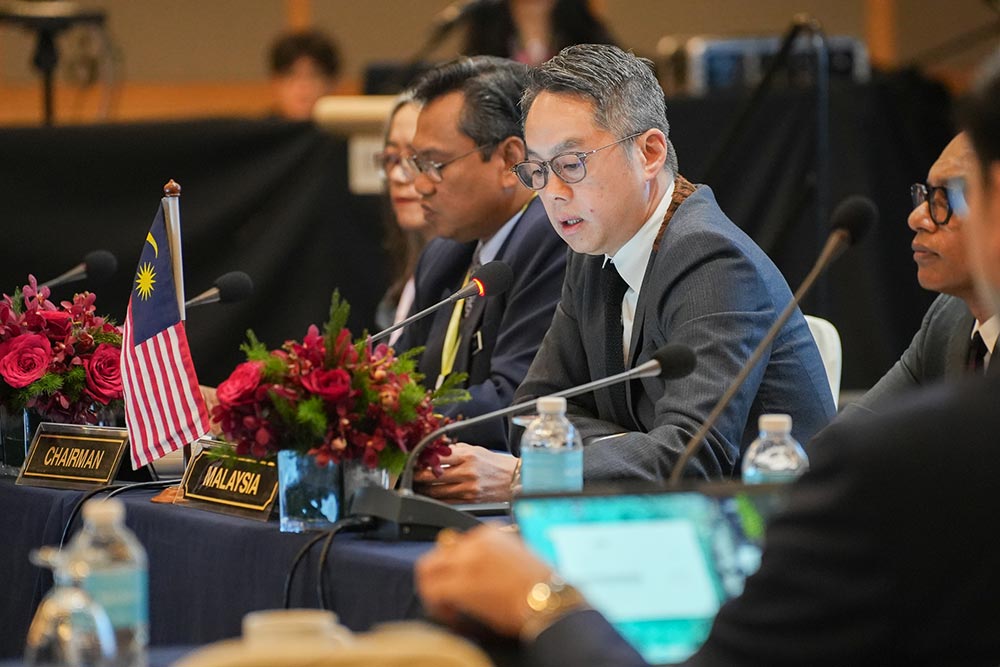
This welcome and opening remarks was delivered on 6 October 2025 at the AICHR Training on the Intersection of Drug Policies with Human Rights and Health in Southeast Asia held on 6 and 7 October 2025 in Kuala Lumpur, Malaysia. Read more about the event here.