By AICHR Malaysia
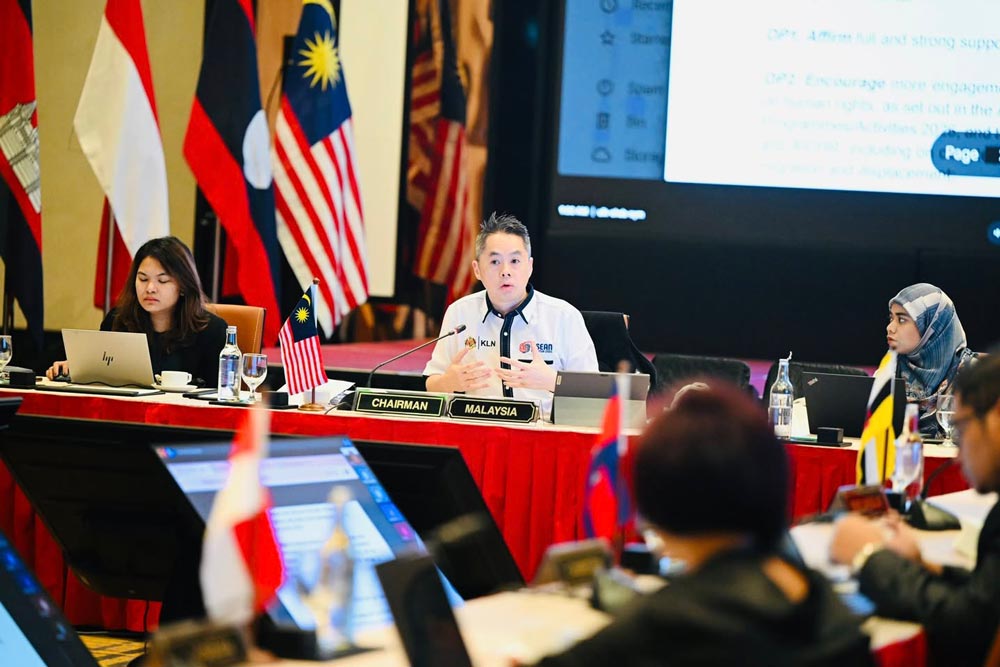
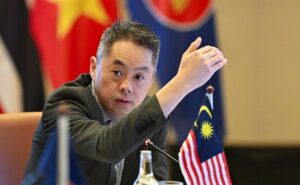
Malaysia, under the leadership of H.E. Edmund Bon Tai Soon, Chair of the ASEAN Intergovernmental Commission on Human Rights (AICHR) and the Representative of Malaysia to AICHR, will host the inaugural AICHR Training on the Intersection of Drug Policies with Human Rights and Health in Southeast Asia.
ASEAN has been committed to addressing drug abuse and trafficking since 1976, beginning with the ASEAN Declaration of Principles to Combat the Abuse of Narcotic Drugs, followed by successive work plans led by the ASEAN Ministerial Meeting on Drug Matters (AMMD) and ASEAN Senior Officials Meeting on Drug Matters (ASOD). As a result, there has been significant variation in the scope and types of responses adopted in nationwide anti-drug campaigns.
Governments have largely focused on eradicating drug supply and demand through criminalisation, prohibition, and punishment. Despite substantial enforcement investments, the illegal drug market has not shrunk; instead, it has expanded and diversified, evidenced in part by the rise of methamphetamines and new psychoactive substances. These punitive approaches also deter access to essential health services — especially for vulnerable and marginalised groups who already face barriers to healthcare, legal protection, and support.
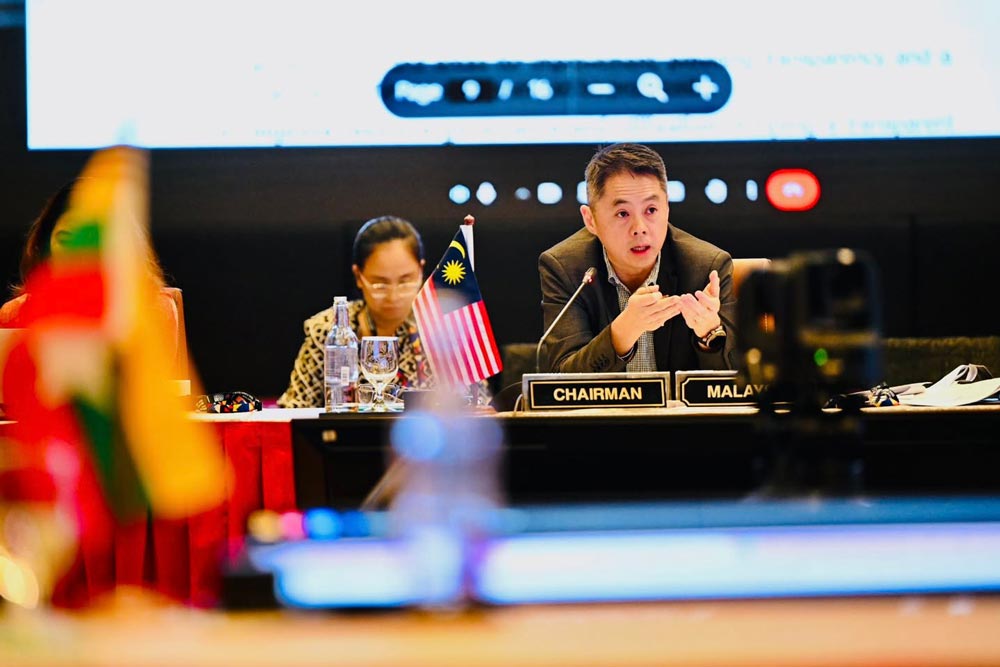
“For decades, our region has invested heavily in enforcement. Yet the illegal drug market continues to evolve and expand,” said Bon. “This training is about moving beyond a punitive mindset to practical, rights-centred solutions that keep communities safer and healthier. It aims to bring a human rights lens and to mainstream human rights approaches in drug policies.”
Globally, drug policy is shifting towards holistic, multi-dimensional approaches that address illicit trafficking and drug use through prevention, education, treatment, rehabilitation, research, and other evidence-based harm-reduction measures. In line with this shift, several ASEAN Member States, such as Thailand, Viet Nam, and Malaysia, have initiated measures to achieve more proportionate and equitable responses while expanding access to health and social services.
This AICHR programme responds to current realities and provides a platform for ASEAN Member States to assess the impact of existing policies on drug use and trafficking, and develop concrete, actionable principles that mainstream the rights to life and health while effectively addressing the challenges posed by the drug trade. Discussions will move beyond predominantly punitive models to examine evidence-based strategies such as community support while considering how criminalisation and legal prohibition affect people who use drugs and their access to essential health services.
The programme will also feature a site visit to Kabin Harapan, a public health clinic at the Kuala Lumpur Health Clinic (Klinik Kesihatan Kuala Lumpur), highlighting integrated, community-based care. It is operated by the non-governmental organisation Persatuan Insaf Murni Malaysia, in partnership with the Ministry of Health Malaysia and the Malaysian AIDS Council.
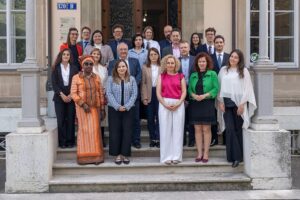
Delegates attending include representatives from AICHR, ASEAN sectoral bodies, and civil society organisations, as well as human rights and development experts. Dr. Tlaleng Mofokeng, the United Nations Special Rapporteur on the right of everyone to the enjoyment of the highest attainable standard of physical and mental health, will deliver the keynote address.
This two-day training will take place on 6 and 7 October 2025 and is one of AICHR’s priority programmes implementing Malaysia’s inclusivity and sustainability agenda as the ASEAN Chair in 2025.
Source: https://www.facebook.com/share/p/1AfxwhdaWn/
Read AICHR Chair Edmund Bon’s Opening Remarks here.