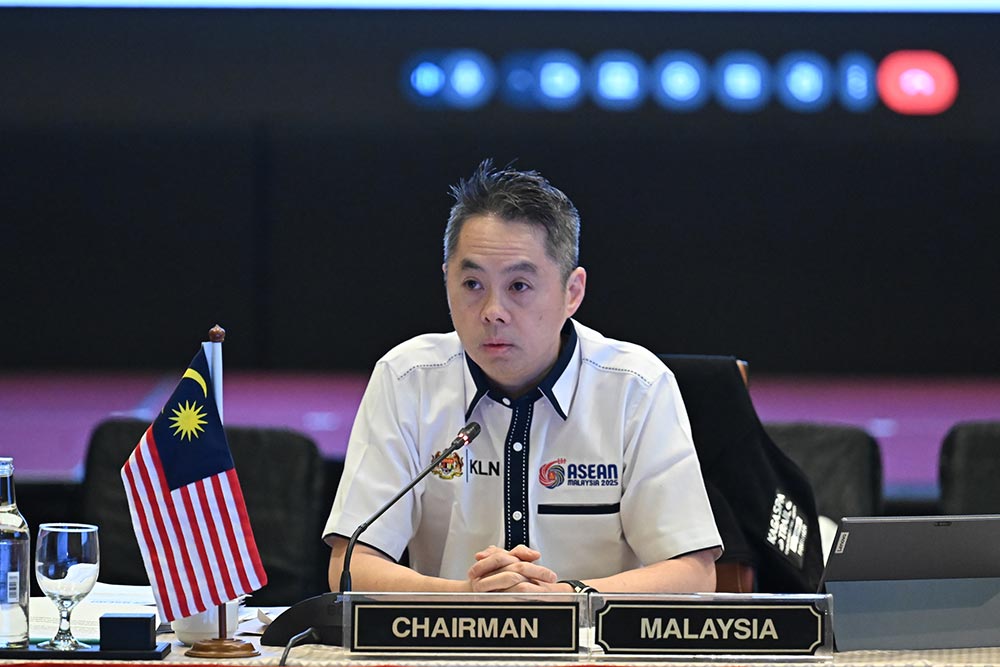

Excellencies.
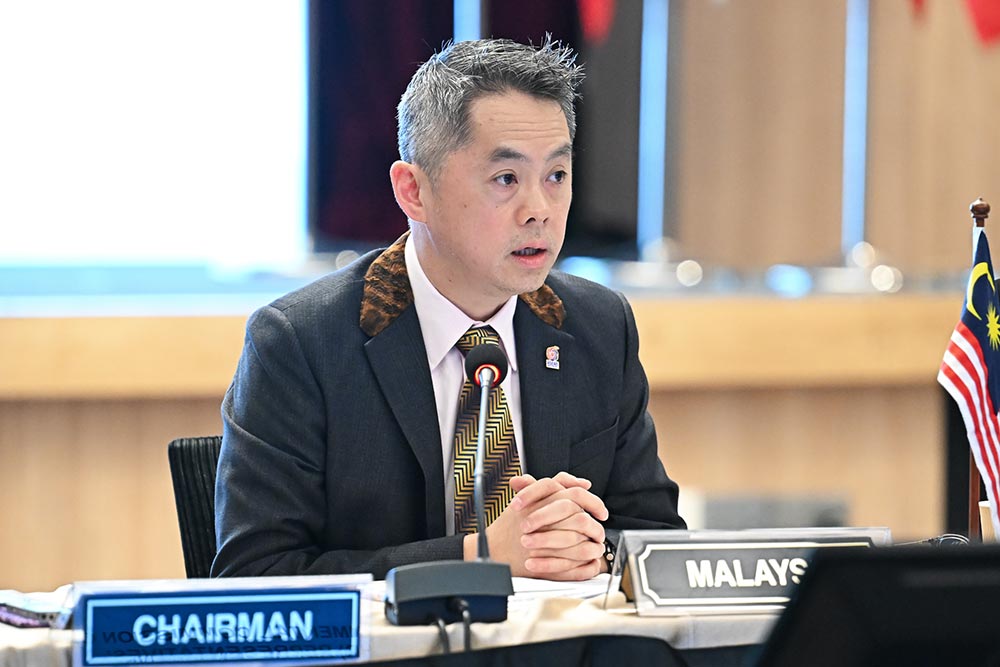
Malaysia has recently achieved several notable milestones in human rights, and I am glad to update AICHR on these developments. Additionally, I would like to express my concern over certain troubling events and episodes.
The good news first. On 12 August, the Malaysian government launched the country’s National Action Plan on Business and Human Rights (NAPBHR) for 2025 to 2030. The plan aims to embed human rights into business practices and governance through three key thematic areas: governance, labour, and the environment. It is a forward-looking document that builds on current national efforts toward institutional transformation and is grounded in the United Nations Guiding Principles on Business and Human Rights (UNGPs).
Action lines include considering new laws on supply chain, mandatory human rights and environmental due diligence, freedom of information, eliminating discrimination against women, climate change, and SLAPP (Strategic Litigation Against Public Participation), establishing a Human Rights Tribunal for human rights adjudication, enhancing grievance mechanisms, addressing implementation gaps related to recruitment agencies’ processes, ensuring the meaningful participation of environmental human rights defenders in just transition decision-making processes, investigating reprisals against human rights defenders, and implementing principles of the United Nations Declaration on the Rights of Indigenous Peoples such as FPIC (free, prior and informed consent) within Malaysia’s legislative and policy framework.
Further, on 9 September, Malaysia launched the National Action Plan on Women, Peace, and Security (NAP on WPS) for 2025 to 2030. The NAP on WPS aims to make peace and security policies people-centred and gender-responsive, so that women and girls are protected, empowered, and meaningfully included across all peace and security processes.
It is built on four interlinked pillars: perspective, prevention, participation, and protection. The perspective pillar focuses on mainstreaming gender in all peace and security policies and institutions, strengthening data collection, and enhancing awareness across security agencies. The prevention pillar includes strengthening laws, policies, and community engagement to prevent sexual and gender-based violence (SGBV), reducing disaster risks, and protecting women in high-risk settings. The participation pillar seeks to increase women’s leadership and representation in security forces, peace processes, and decision-making bodies. The fourth pillar on protection safeguards women’s rights through improved access to justice, gender-responsive humanitarian action, and inclusive cybersecurity frameworks.
The plan represents the country’s first comprehensive policy document dedicated to advancing the women, peace, and security (WPS) agenda in line with the United Nations Security Council Resolution 1325 and the ASEAN Regional Plan of Action on WPS. It commits to a whole-of-government and whole-of-society approach with inter-ministerial coordination and active roles for civil society, academia, and communities. Among others, the NAP on WPS will develop and implement security measures that address women’s diverse needs, foster inclusivity in government and community structures, build policies and workplace cultures that value all employees equally and enable advancement, and tackle cultural and structural drivers of SGBV while expanding women’s access to resources, power, and participation.
Finally, on 20 September, the 46th General Assembly of the ASEAN Inter-Parliamentary Assembly (AIPA) adopted a motion to strengthen the AIPA-AICHR partnership in advancing inclusive growth, sustainable development, and human rights regional cooperation. I shared a copy of the resolution with Excellencies for information.
Among the key operative paragraphs of the resolution, AIPA welcomes AICHR’s purposeful and balanced discharge of our promotion and protection mandates, and our active, consultative, and constructive approach to discussing current and emerging human rights issues in the region, including those related to conflict prevention and peace pathways. As mentioned in our work plan, AICHR aims to engage more with parliamentarians, and we will explore a possible interface with AIPA.
Excellencies, while we celebrate initiatives that add value to human rights, it would not be out of place for me to share my observations on relevant human rights issues occurring around us.
First, on the recent border situation between Cambodia and Thailand, Malaysia expresses sadness over the hostilities and condolences to the families of those who were killed. Thousands have been displaced, and for them and others negatively impacted, the situation must get better.
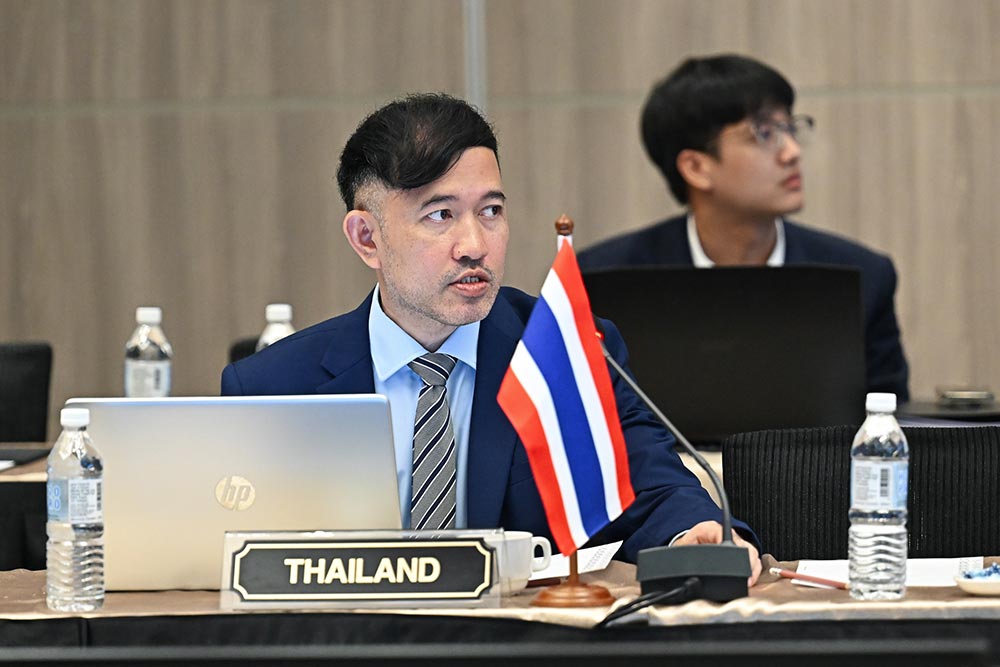
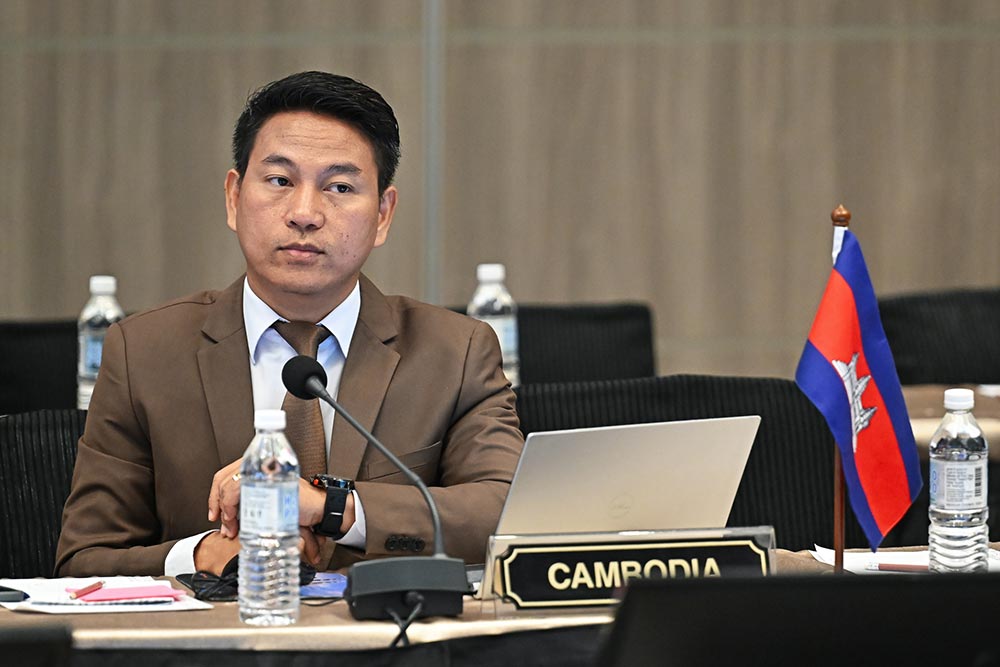
I fully welcome and appreciate the ongoing efforts of the Representative of Cambodia to AICHR, Excellency Keo Remy, and the Representative of Thailand to AICHR, Excellency Dr. Bhanubhatra Jittiang, and their teams, who have been in contact with me as AICHR Chair regarding the situation since the start of the hostilities. I have received and carefully read all the communications received and responded as appropriate in full consultation with the Ministry of Foreign Affairs of Malaysia. As the AICHR Chair, I stand guided by the parties concerned to utilise the consultative and confidence-building platform that AICHR provides for a frank and constructive exchange of information and views.
I am heartened to note the positive developments between the parties, and, like others, I welcome the ceasefire agreement and the ongoing work to de-escalate. Further, I strongly support the measures being taken by all parties, including Cambodia, Thailand, and ASEAN, towards peacebuilding and the normalisation of relations, while ensuring that groups in vulnerable and marginalised situations are fully supported through relief and aid.
I reiterate the call for de-escalation and calm from all parties so that space can be given and constructive steps can be expedited towards restoring peace and normalcy. In expressing full support for the terms of the ceasefire agreement, I encourage all parties, including the citizens of Cambodia and Thailand, to effectively monitor the dissemination of false information, misinformation, disinformation, and fake news in order to de-escalate tensions, mitigate negative public sentiments, and foster an environment conducive to peace dialogue.
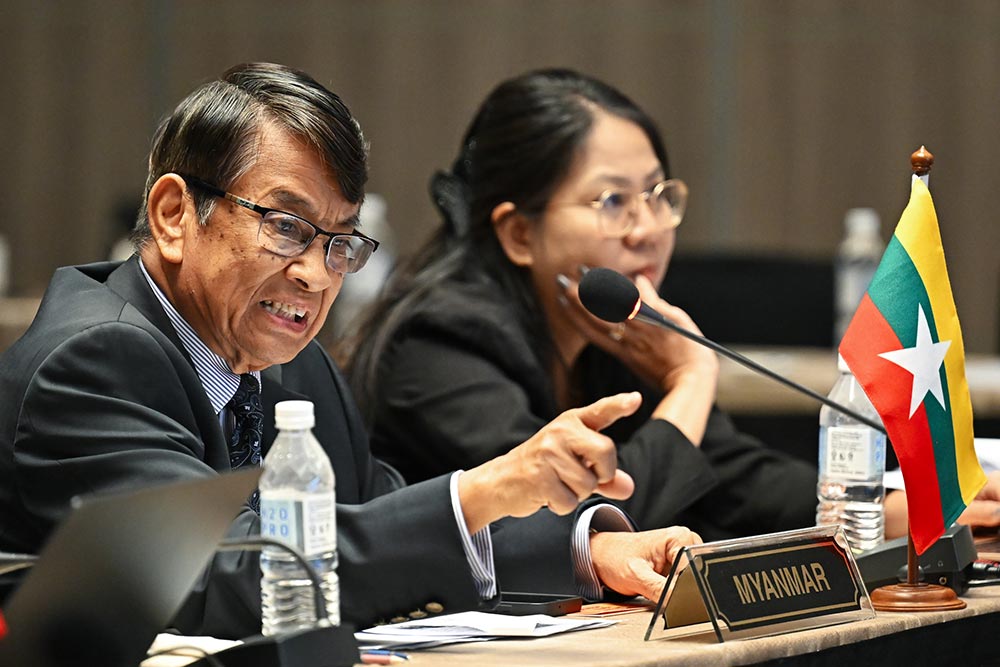
Second, regarding the situation in Myanmar, Malaysia reiterates its call for the full and effective implementation of the Five-Point Consensus (5PC), which includes a ceasefire, inclusive dialogue, and unhindered humanitarian assistance, as key steps towards restoring peace and stability in the country. The relevant parties need to cease hostilities and start the long road to recovery. It must be emphasised that elections in Myanmar cannot be considered an effective step towards genuine democracy if they do not involve the inclusive participation of all stakeholders.
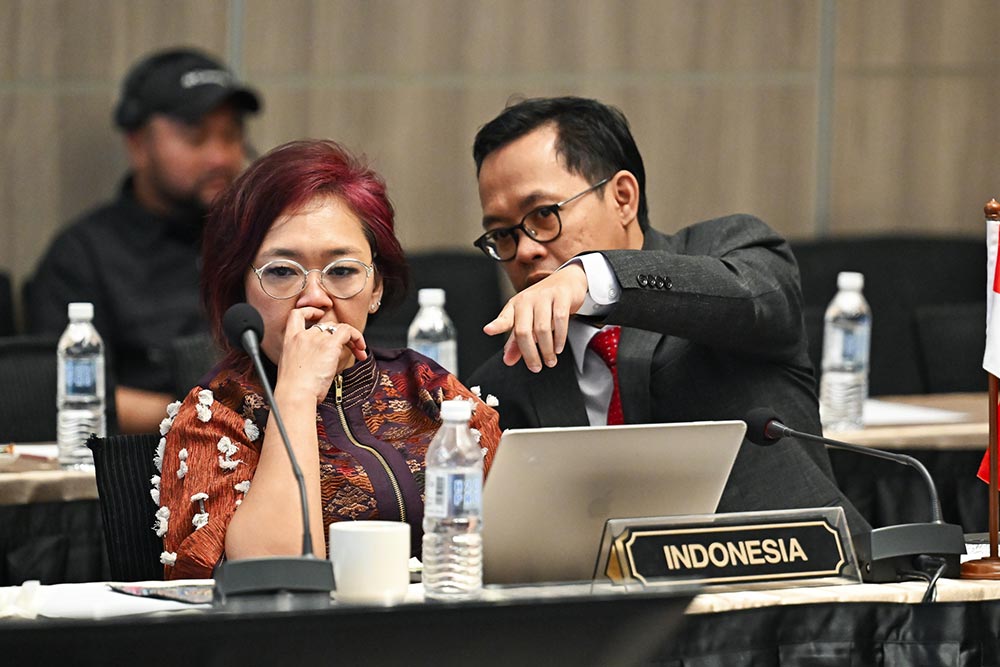
Third, regarding the situation in Indonesia, as Excellency Anita Wahid is aware, AICHR has received several reports on recent incidents of civil unrest, protests, riots, and deaths. I extend my condolences to the victims and my sadness to those who have been injured. I also share concerns on the allegations of violations of the rights to peaceful assembly and expression, and of police brutality. The safety of protestors is important. The use of force and firearms must strictly comply with international standards, and be used only when strictly necessary and proportionate.
I look forward to an independent investigation into all protest-related deaths and injuries, and for the findings to be made public for accountability. The government should promptly provide remedies and reparations for victims and their families, including medical care, compensation, and psychosocial support. Importantly, I note the government’s efforts to address the underlying grievances that have led to the protests.
Fourth, it is on the use of the death penalty. In approximately two weeks, many countries and organisations will mark the World Day Against the Death Penalty on 10 October. For this reason and following updates by Viet Nam and Lao PDR at a previous AICHR meeting, I take this opportunity to share about recent steps taken by Malaysia on the issue, while expressing my concern about the continuing use of the death penalty in the region.
On 21 July 2025, Dato’ Sri Azalina Othman Said, Minister in the Prime Minister’s Department (Law and Institutional Reform), announced in Parliament that the moratorium on executions established in Malaysia in 2018 remains in place. Malaysia has not carried out an execution since May 2017. We are now on track to complete in 2027, 10 years without executions, which will reclassify Malaysia as an abolitionist in practice country. While Malaysia continues to review the cases of individuals on death row whose convictions and sentences have been upheld, as well as the broader policy on the death penalty, the government will maintain the current moratorium on executions.
Additionally, in 2023, Malaysia repealed the mandatory death penalty and created a resentencing process for those affected. The government is tasking a committee with a comprehensive review of the policy and direction concerning the death penalty in Malaysia and its abolition. I am hopeful that my country’s journey towards abolition will soon be completed.
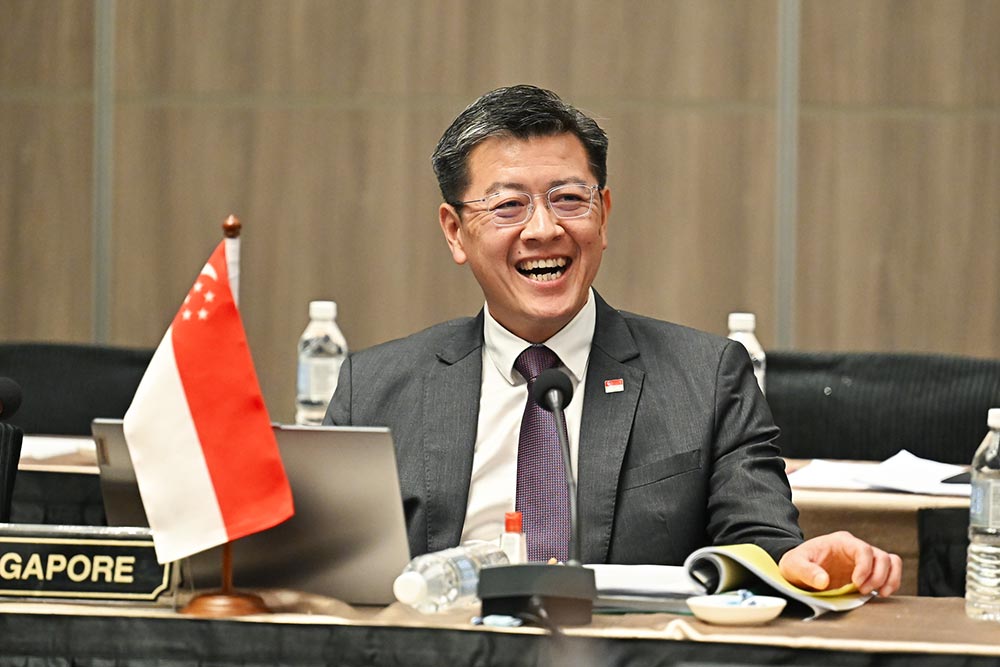
Malaysia welcomes the first clemency granted in a drug-related death penalty case by Singapore on 14 August 2025. Reportedly, a convicted drug trafficker, Tristan Tan Yi Rui, was spared the death penalty and given life imprisonment after he was granted a pardon by President Tharman Shanmugaratnam. The decision sends a positive signal on the importance of human dignity. However, it does not address the broader issue of capital punishment.
While fully respecting the sovereignty and national laws of Singapore, I raise the execution of Datchinamurthy a/l Kataiah, a Malaysian national, on 25 September 2025 for drug trafficking. Figures shared in the Malaysian Parliament indicate that Singapore is not the only country where Malaysians have been sentenced to death in ASEAN and in China. As of October 2024, 74 Malaysians have been sentenced to death abroad, namely in Brunei Darussalam, China, Indonesia, Lao PDR, Singapore, Thailand, and Viet Nam, mostly for drug smuggling offences.
I am of the view that the death penalty, if it is to be used, is to be restricted to the “most serious crimes”, most recently interpreted as referring to “crimes of extreme gravity involving intentional killing”. Drug trafficking does not qualify. I encourage Singapore to consider a moratorium on executions as a first step towards full abolition of the punishment.
Fifth, on Gaza. On 21 and 22 September, the United Kingdom, Australia, Canada, France, and Portugal were among the latest countries to formally recognise Palestinian statehood. This recognition is a significant issue for many Palestinians, but it represents a small and long-overdue step. Together with political gestures, States must also take urgent action in line with their legal obligations under international law to end Israel’s genocide in Gaza, its unlawful occupation of the Occupied Palestinian Territory (OPT), and its system of apartheid against the Palestinians.
It was only just last Friday, 19 September, that once again the United States of America vetoed a United Nations Security Council draft resolution that would have demanded an immediate, unconditional and permanent ceasefire in Gaza, the lifting of all restrictions on the entry of humanitarian aid and ensuring its safe distribution, and immediate unconditional release of all hostages held by Hamas (Islamic Resistance Movement) and other Palestinian armed groups.
While some ASEAN member states have criticised the ongoing genocide committed by Israel in Gaza, I urge all countries to take all available action promptly to continue pressure for its end, including through sanctions.
Thank you.
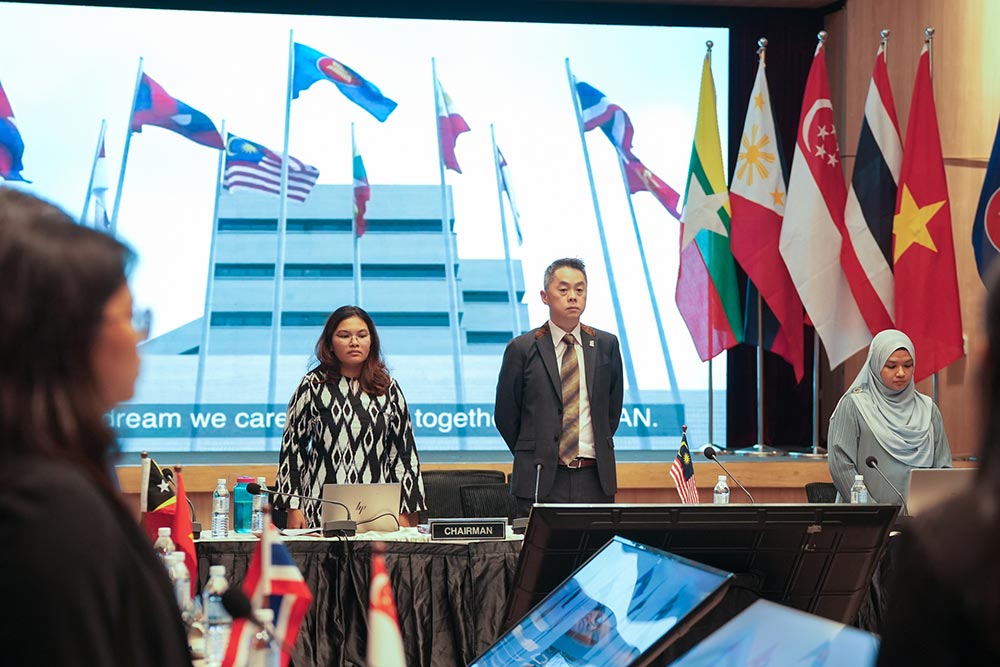
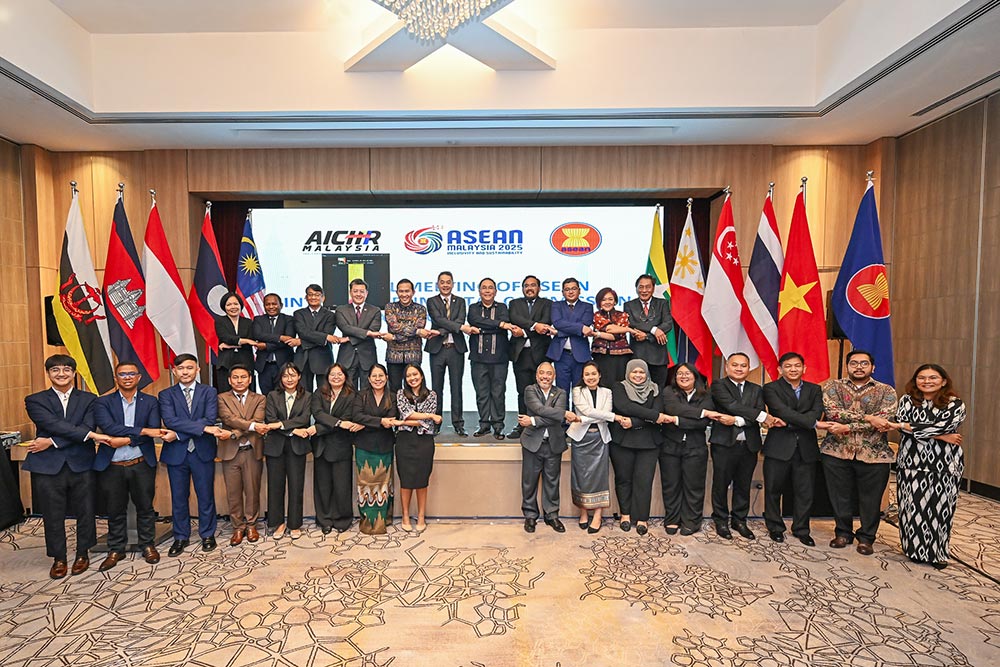
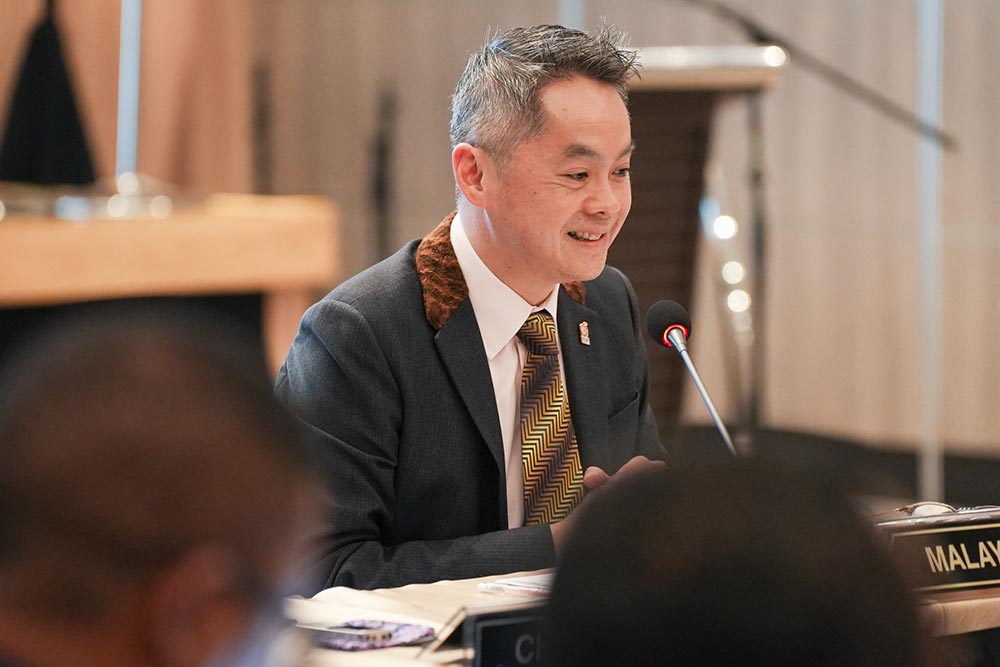
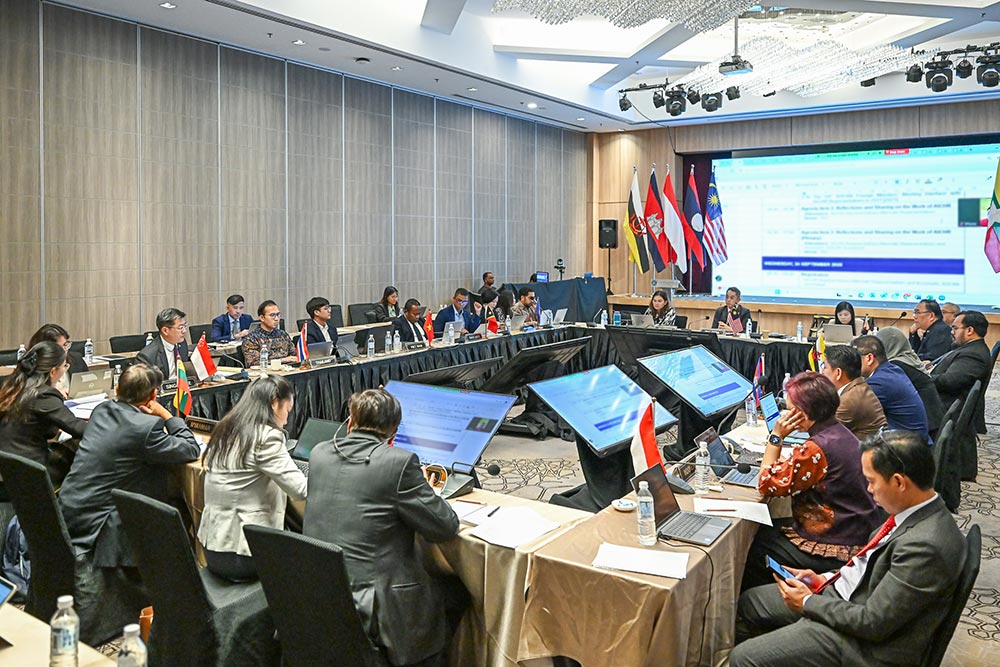
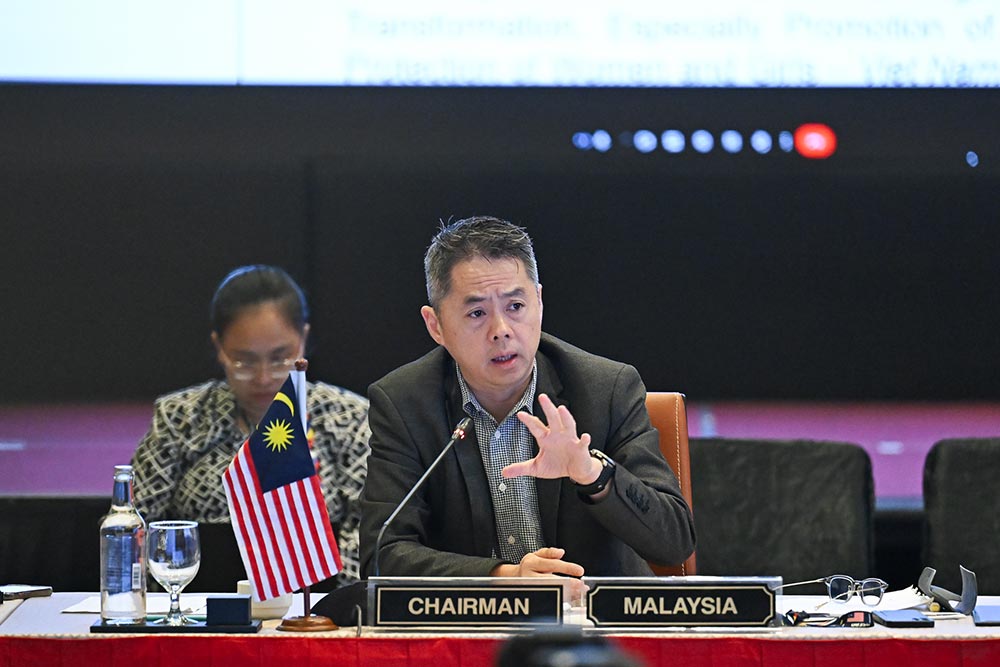
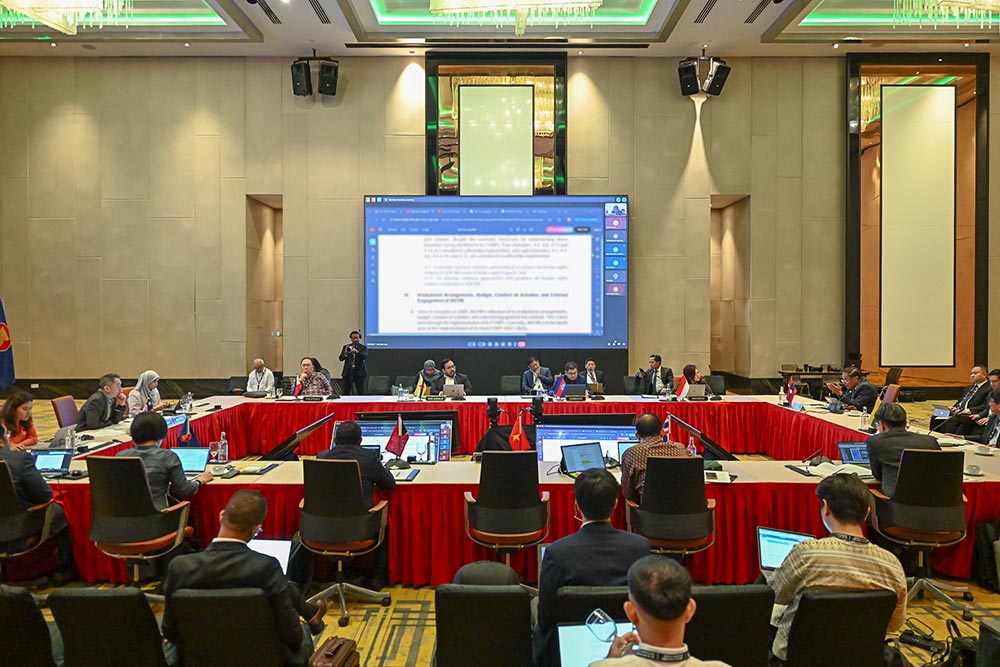
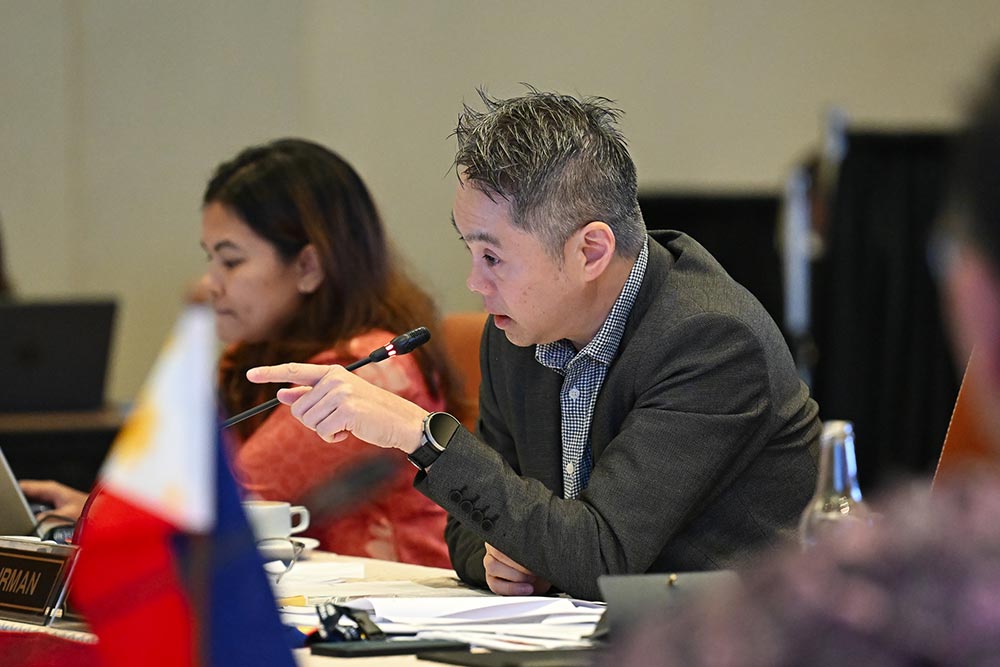
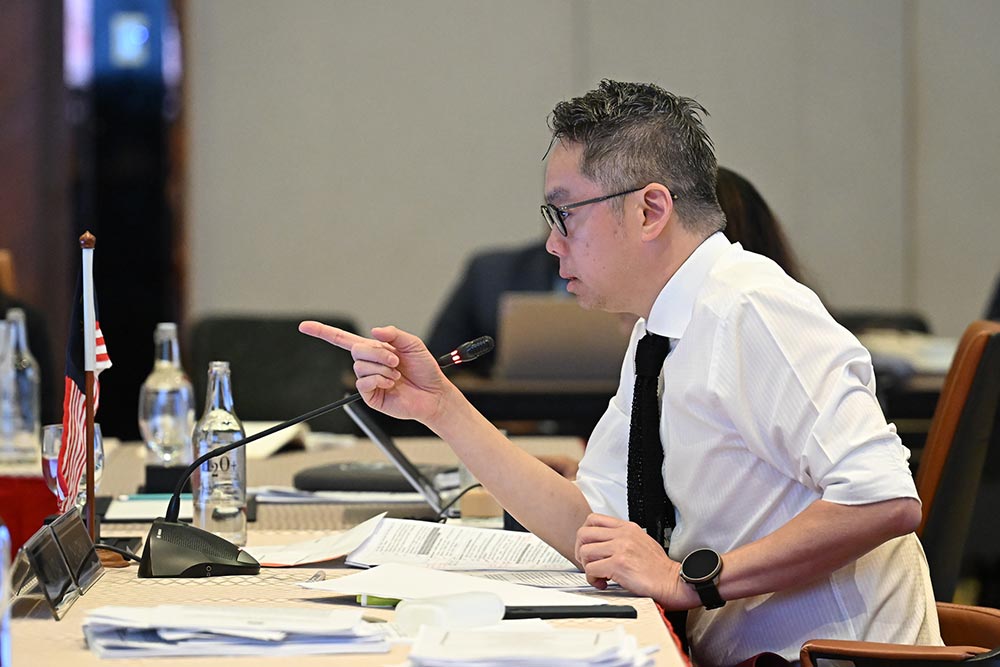
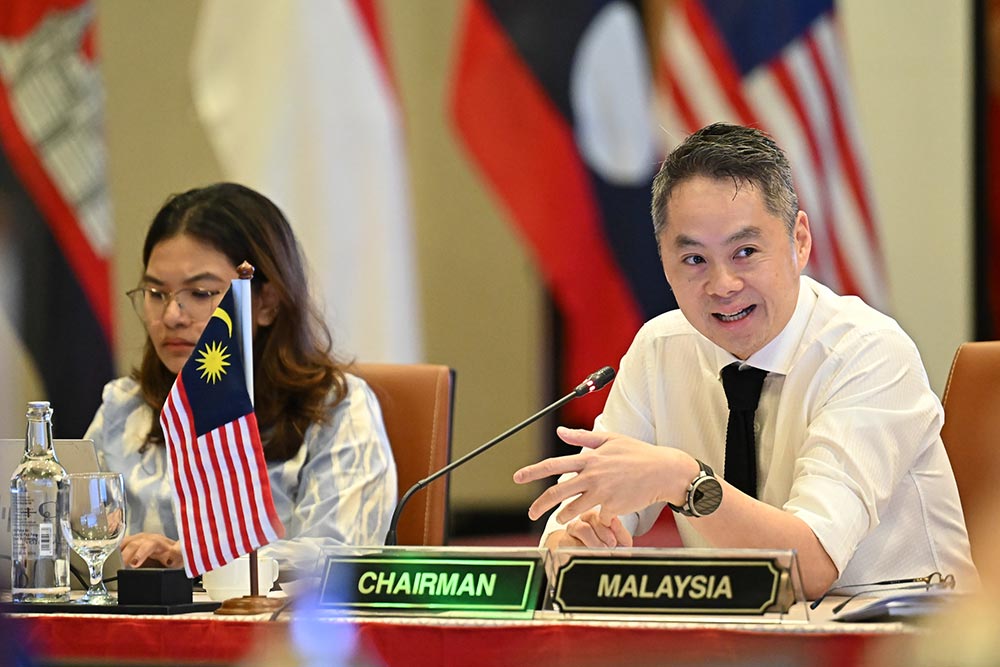
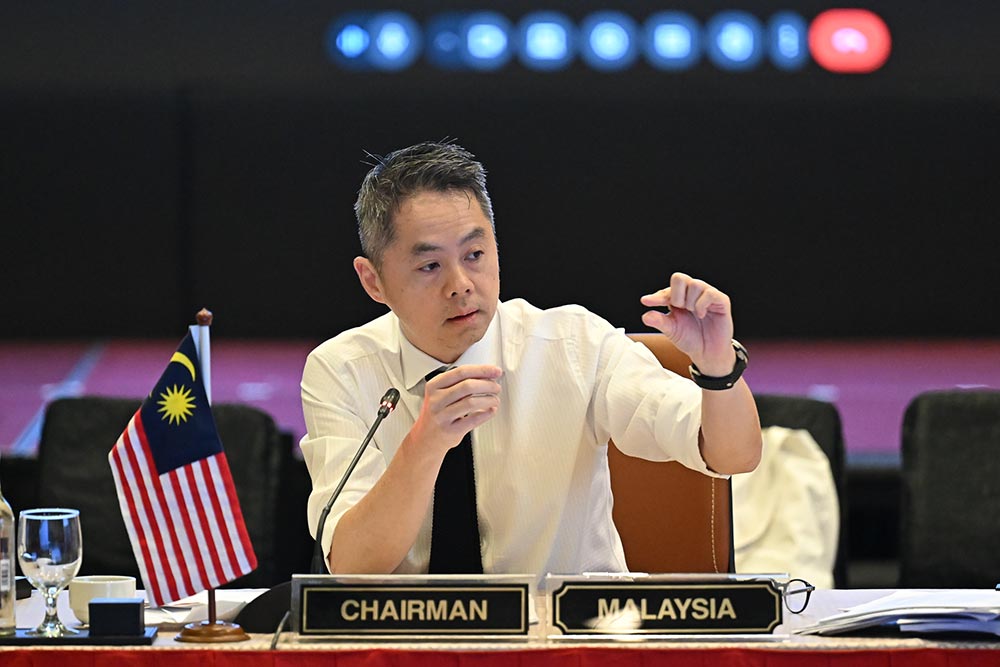
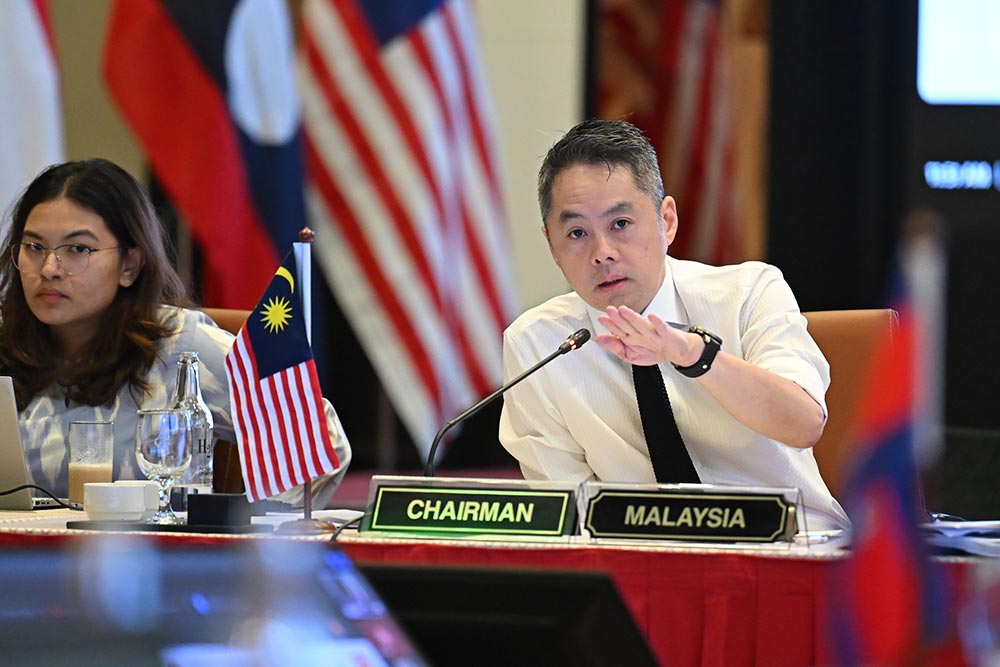
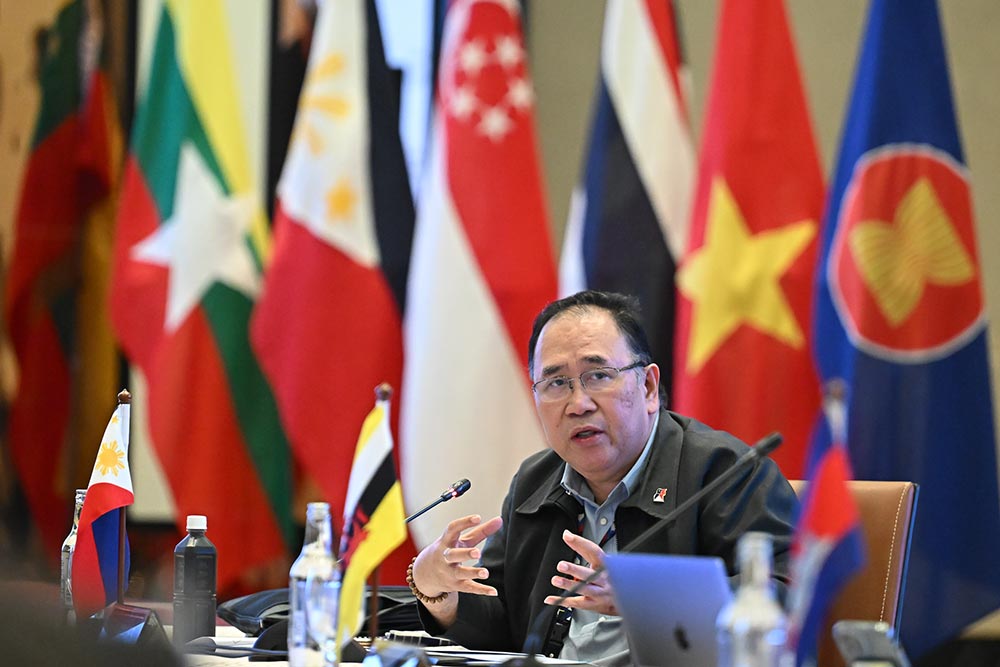
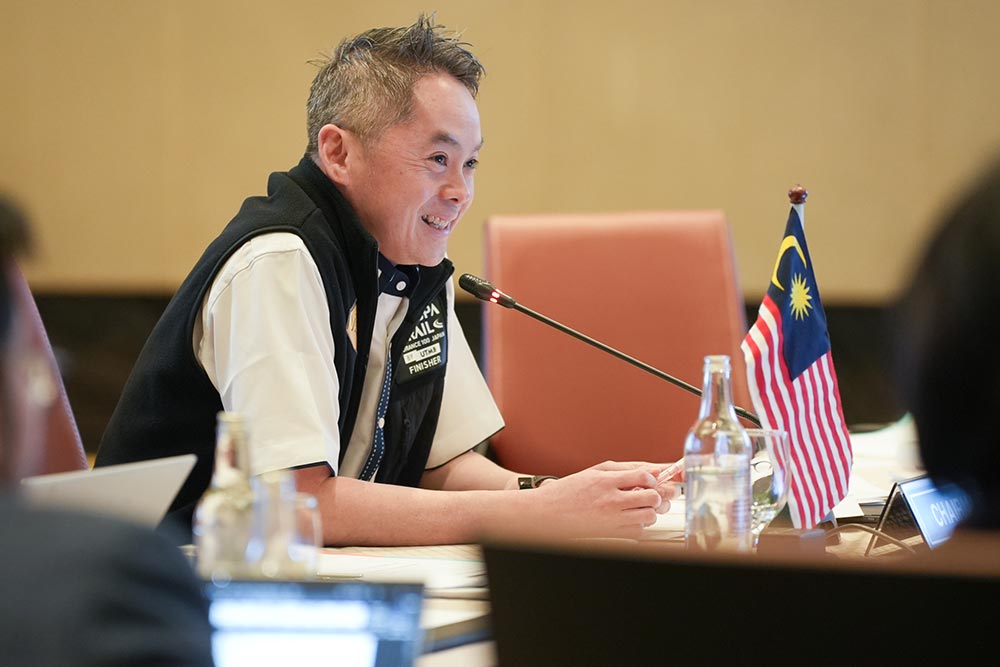
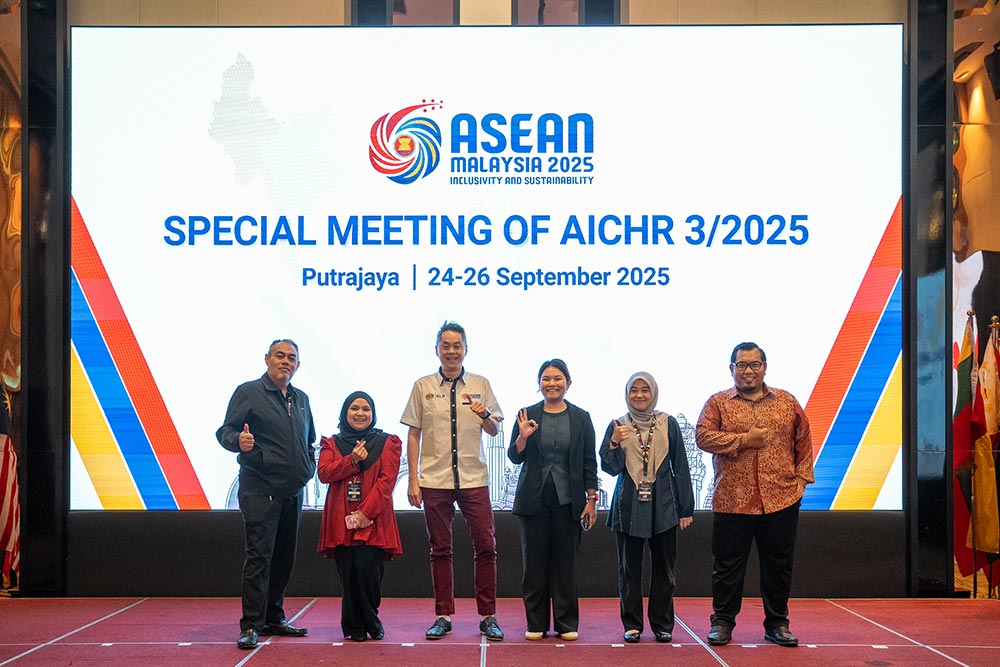
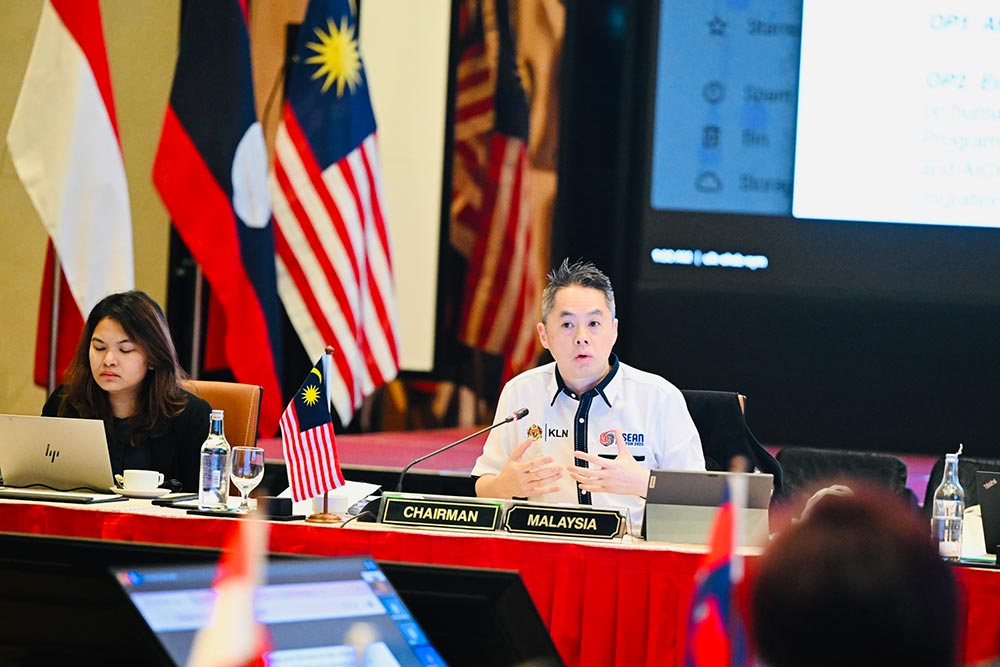
This statement was delivered to the ASEAN Intergovernmental Commission on Human Rights (AICHR) on Agenda Item No. 13.1 on Recent Developments in ASEAN on 26 September 2025, at the Special Meeting 3/2025 of AICHR held in Putrajaya, Malaysia from 23 to 26 September 2025. The press release on the Special Meeting 2/2025 can be accessed here.