
Altaf Deviyati Ismail, Secretary, Human Rights Commission of Malaysia (SUHAKAM),
Dr. Sriprapha Petcharamesree, Co-Chair, Working Group for an ASEAN Human Rights Mechanism (WGAHRM),
Georgia Carter, Programme Officer, International Engagement, Australian Human Rights Commission (AHRC),
Kewalin Sa-ngapet, Regional Program Officer, Friedrich Naumann Foundation for Freedom (FNF),
Excellencies, AICHR Representatives,
Distinguished guests, friends, and ladies and gentlemen.
Selamat pagi.
How can we make our ASEAN’s human rights mechanisms more effectively protective of the people? This has been a perennial question that has been bugging us. It has been the subject of much debate and many seminars organised by ASEAN bodies, external partners, and civil society organisations.
With the advent of ASEAN 2045: Our Shared Future and the ASEAN Community Vision 2045 “Resilient, Innovative, Dynamic, and People-Centred ASEAN” along with the Strategic Plans, our future ASEAN will be an ASEAN Community that is an inclusive and cohesive Community that respects political, social, religious, cultural, ethnic diversities, upholds the principles of democracy, rule of law and good governance, respects fundamental freedoms, and promotes and protects human rights and social justice. The Community will be anchored in ASEAN Centrality with enhanced institutional capacity and effectiveness, with ASEAN organs, bodies, and mechanisms that are more decisive, responsive, innovative, agile, adaptive, and future-ready to address global and regional challenges, cross-cutting issues, and urgent and specific situations in a timely manner.
Building on past activities related to ASEAN’s human rights mechanisms for over 10 years, this consultation convenes key and relevant ASEAN stakeholders to explore pathways towards enhancing the effectiveness of ASEAN’s human rights architecture. I am heartened to acknowledge the presence and support of members of the WGAHRM. The WGAHRM has been credited in academic literature as being one of ASEAN’s key norm entrepreneurs on human rights, using diplomacy to advocate for the establishment of an ASEAN human rights mechanism. Its work, along with that of other stakeholders, has led to the establishment of AICHR as the human rights body in Article 14 of the ASEAN Charter. WGAHRM continues to strengthen the Commission while aspiring towards an ASEAN Human Rights Court. I recall attending many programmes organised by WGAHRM and learning about the ASEAN processes and challenges through them. I hope that this consultation will continue this tradition for all of us.
As many of you know, pursuant to paragraph 9.6 of the AICHR Terms of Reference (TOR), the TOR are to be reviewed five years after their entry into force. This review and subsequent reviews shall be undertaken by the ASEAN Foreign Ministers Meeting (AMM) with a view to further enhancing the promotion and protection of human rights within ASEAN. AICHR has conducted two self-assessment exercises in 2014 and 2021, with recommendations submitted to the AMM. These assessments reflect AICHR’s commitment to continuous improvement consistent with Articles 7 and 8 of the Cha-Am Hua Hin Declaration on the Intergovernmental Commission on Human Rights, adopted in 2009.
In 2019, the AMM tasked the ASEAN Senior Officials Meeting (SOM) to convene a Panel of Experts (POE) to review the TOR. As of June 2025, I understand that five ASEAN Member States have nominated their experts to the POE: Cambodia, Indonesia, Malaysia, the Philippines, and Thailand. There are parts of the TOR that have already been implemented, such as drafting of the ASEAN Human Rights Declaration, while others may need to be updated. A review of the TOR only means that an examination and deliberation of the terms are conducted, and it may not necessarily lead to any change, but rather maintain the status quo.
Nevertheless, despite the non-review of the TOR, leading ASEAN scholars in the region have opined that AICHR has made recent progress in its protection work. Dr. Tan Hsien-Li of Singapore writes about the “adaptive” protection of human rights through the institutionalisation of its scrutiny functions. In the latest book on AICHR this year, Dr. Robin Ramcharan surveys the Commission’s work on prevention, mitigation, remedies, and redress, and elaborates on the protection link.
While AICHR is sometimes seen to deliberate on human rights at a high level, AICHR representatives are always aware of and alive to the real-world issues and challenges facing the region. Our concerns are reflected in every meeting where we share and seek information on human rights developments in the region, while considering the communications we have received. When appropriate, we have issued press releases such as on the earthquake that struck Myanmar and Thailand in 2025, and on the Coronavirus Disease 2019 (COVID-19) in 2020. Groups of individual representatives have also expressed their views on the execution of activists in Myanmar (2022), the military coup in Myanmar (2021), World Human Rights Day (2019), transboundary haze pollution (2019), and the Rakhine State situation and resulting refugee outflow (2018).
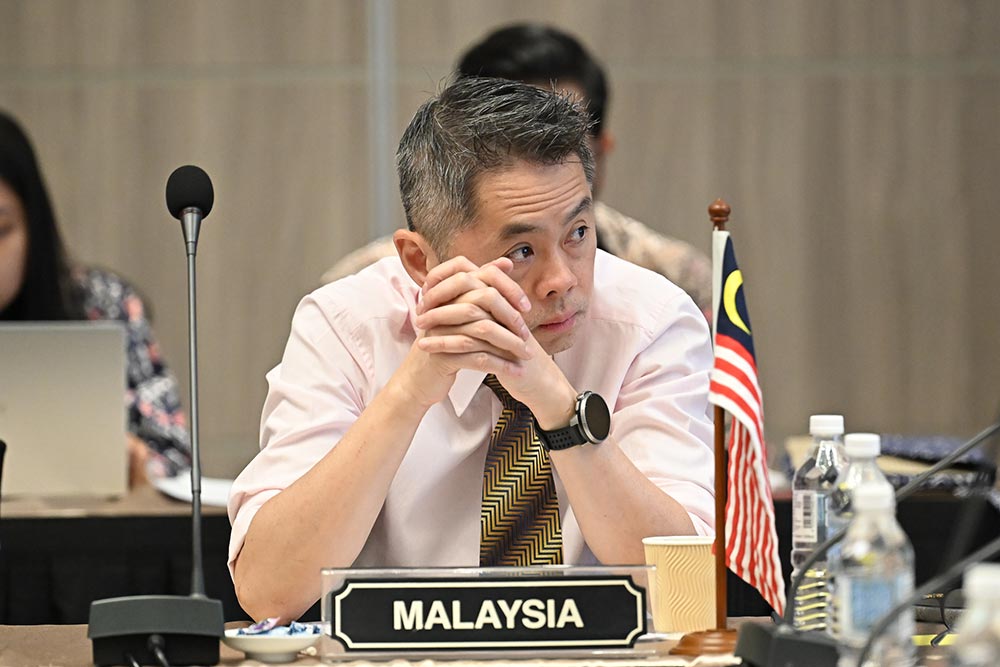
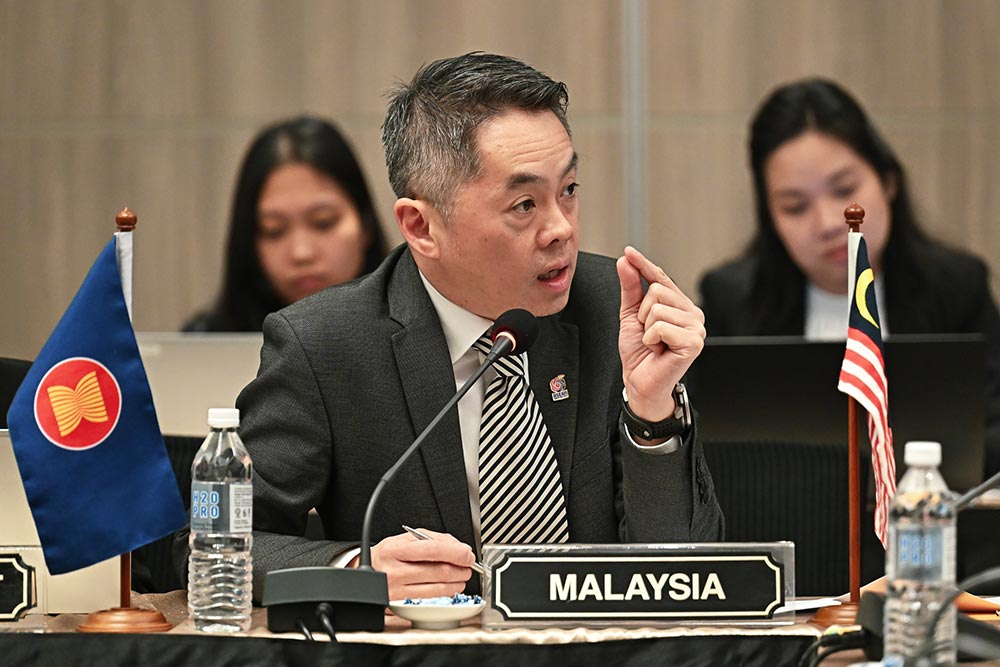
AICHR’s communication mechanism, which has been in place for several years, regularly receives complaints and cases regarding a range of human rights issues. This has allowed us a window to review, share, and seek information, and to verify and respond. Speaking as the Representative of Malaysia, the recent cases we have received pertain to the right to freedom of assembly and the investigation of Sevan Doraisamy of SUARAM (Suara Rakyat Malaysia), and the Bajau Laut statelessness and their medical conditions. AICHR responded to the first, and the second is being considered along with my colleagues from Indonesia and the Philippines.
The importance of having AICHR cannot be overstated. The issues raised in the media or by civil society, as received by the Commission or as individual representatives, include violations, conflicts, and hostilities in Myanmar, Cambodia-Thailand, Papua, and Indonesia. AICHR can operate to lead the region in meeting human rights challenges, and this consultation will continue to explore good practices for adoption, foster dialogue, and generate recommendations to document possible ways and means to make AICHR more effective in ensuring that its work remains relevant and impactful for the people most in need.
I would like to express my sincere appreciation to the team of Malaysia’s AICHR Assistants — Toh Nyon Nyin, Nurul Aliaa Azman, Valen Khor, and Umavathni Vathanaganthan — for organising this programme and their dedication to the cause. I also extend my gratitude to the staff from the Ministry of Foreign Affairs of Malaysia for their invaluable support.
Finally, on behalf of AICHR, I thank our supporting partners, SUHAKAM, WGAHRM, AHRC, and FNF. Together with our ASEAN AICHR Fund, you have made this programme possible.
Thank you.
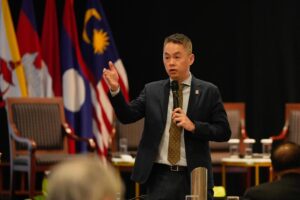
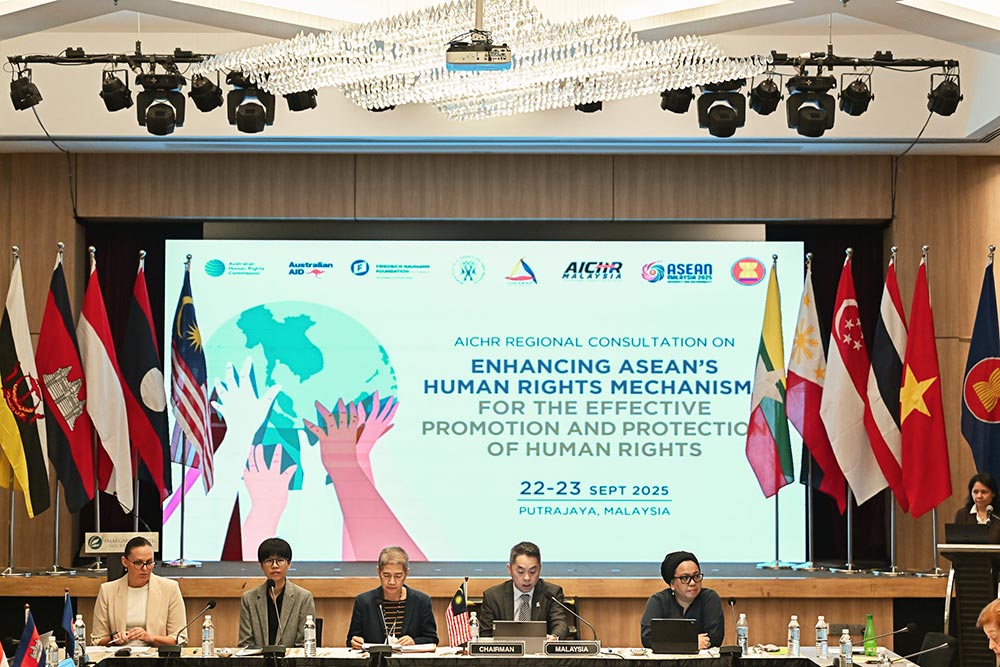
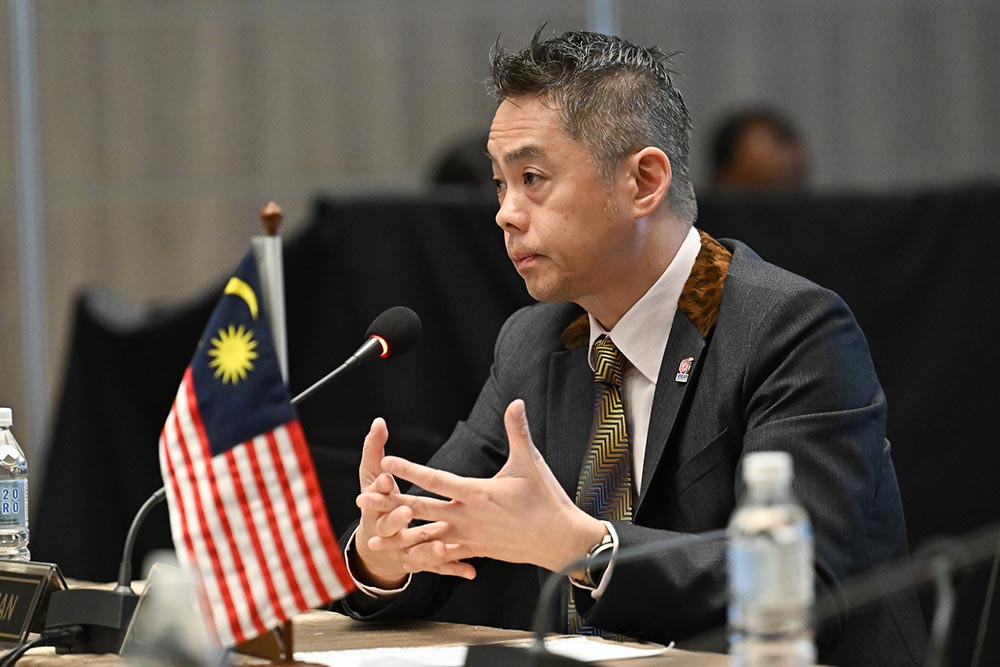
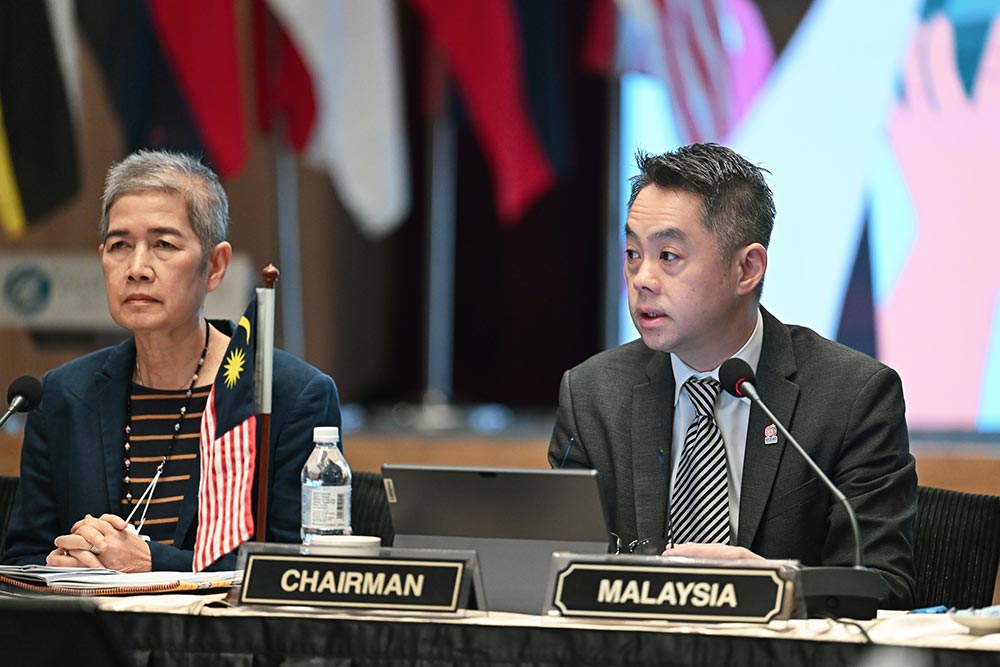
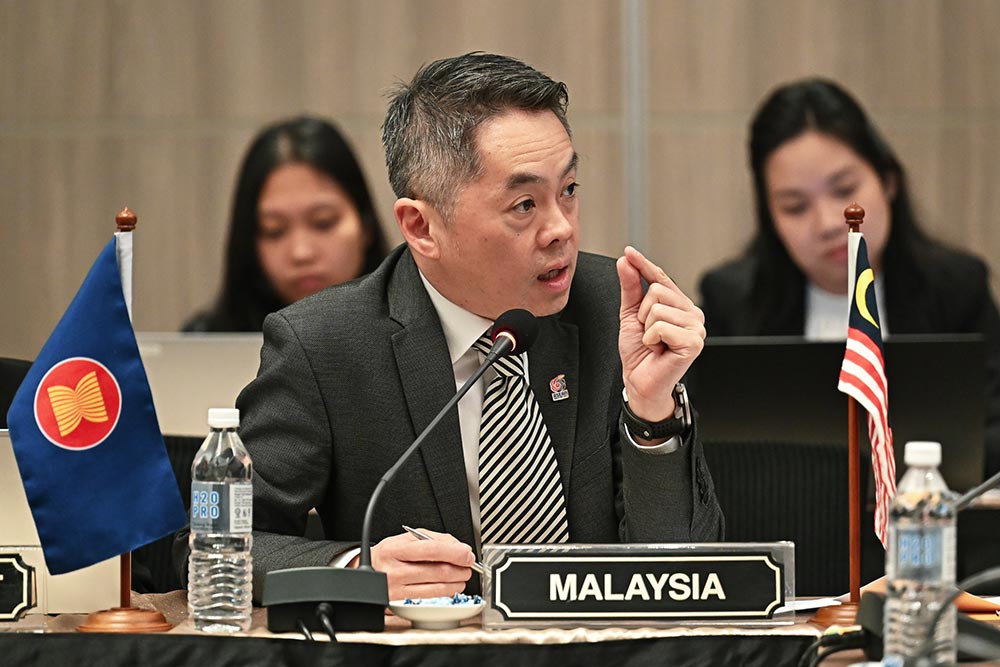
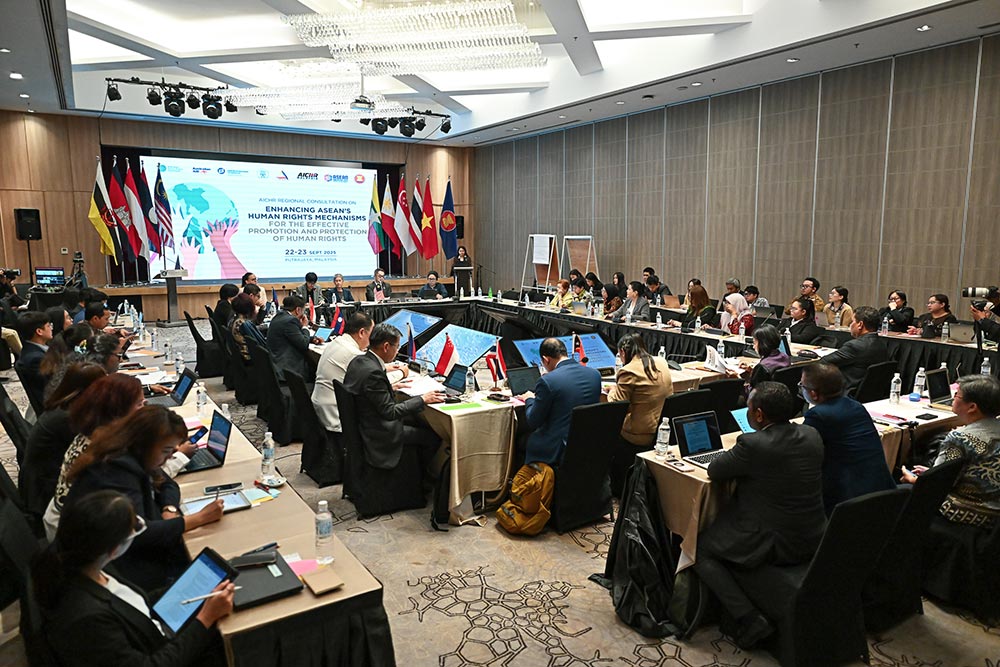
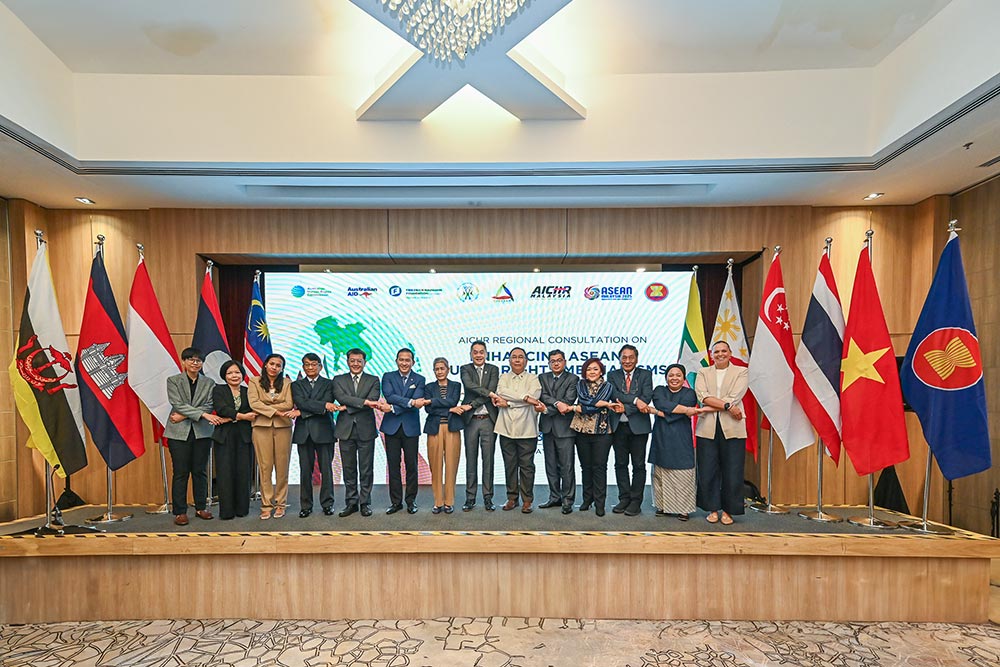
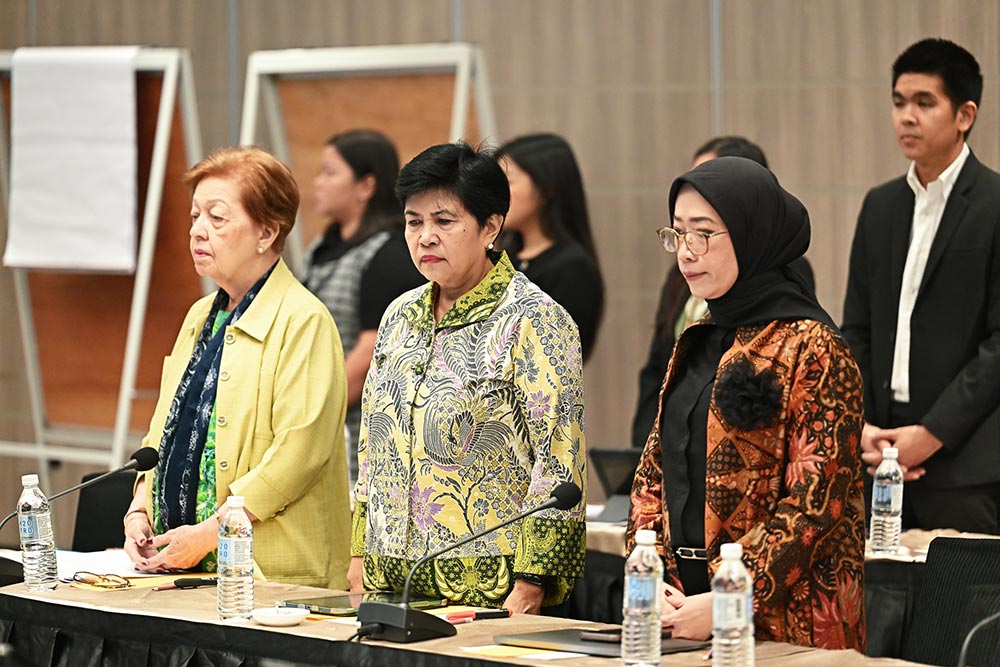
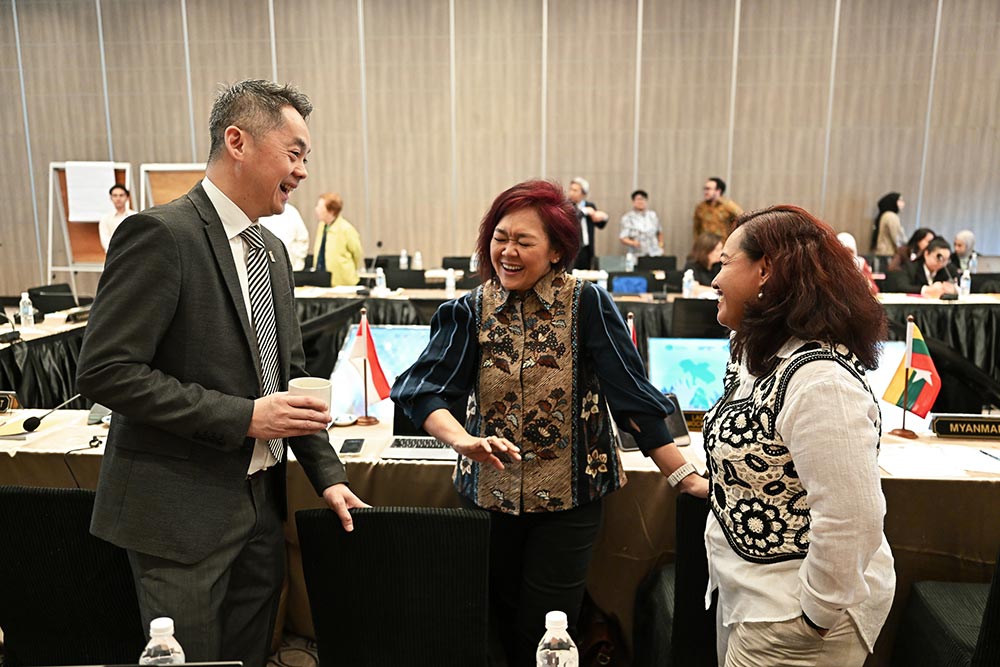
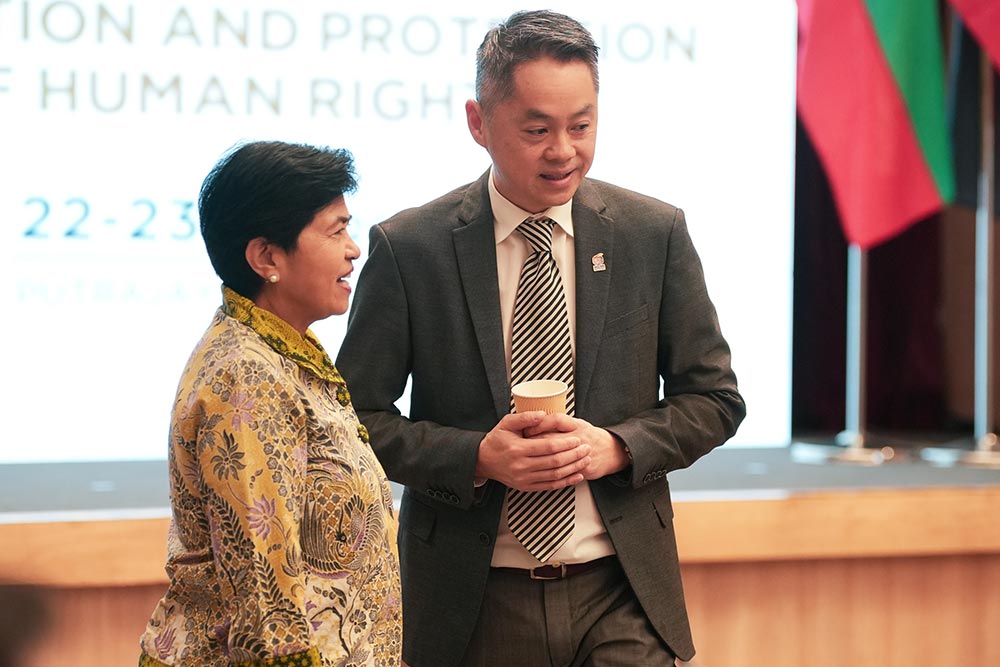
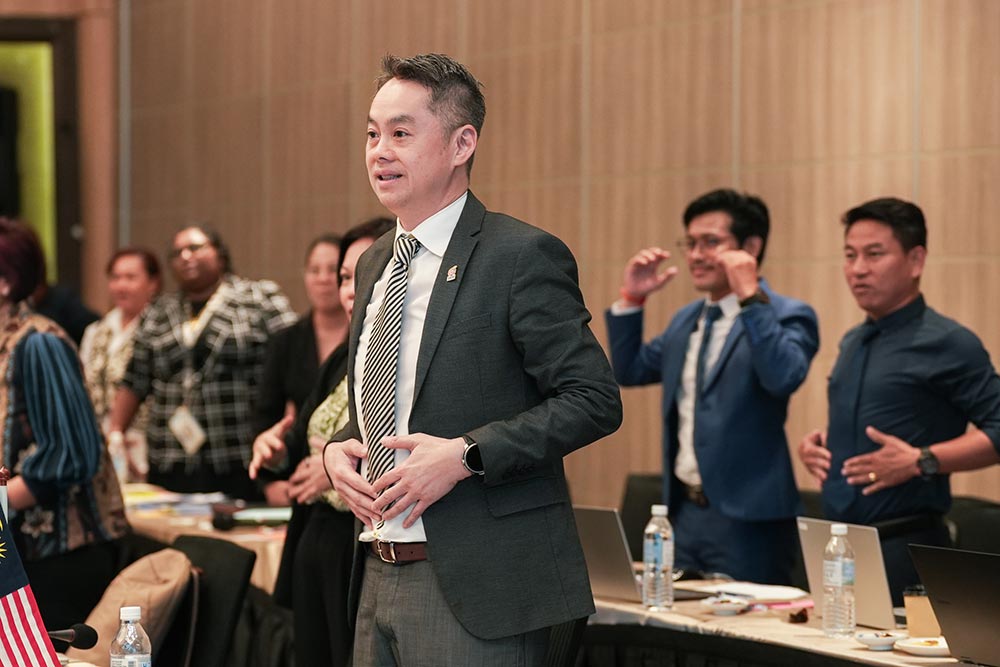
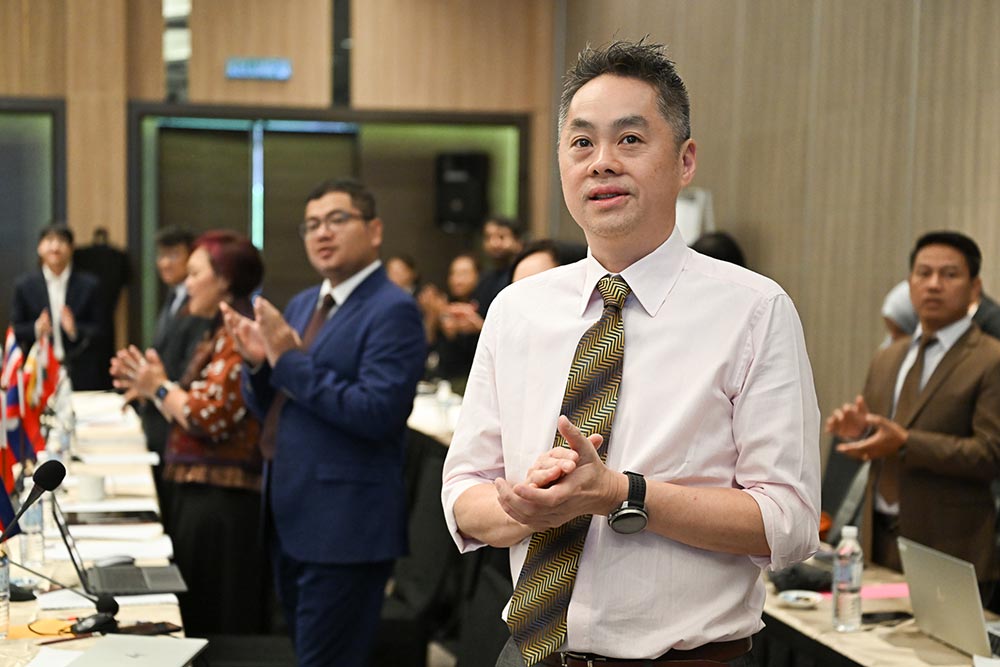
These welcome remarks were delivered on 22 September 2025 at the AICHR Regional Consultation on Enhancing ASEAN’s Human Rights Mechanisms for the Effective Promotion and Protection of Human Rights held on 22 and 23 September 2025 in Putrajaya, Malaysia. Read the summary report for the regional consultation here.