
Excellencies,
I first take this opportunity to congratulate Timor-Leste on your Restoration of Independence Day, which was commemorated on 20 May. Malaysia extends our warm wishes to the Government and people of Timor-Leste on this important occasion, and we look forward to working closely with you in the spirit of friendship, solidarity, and shared purpose within ASEAN.
I now briefly share Malaysia’s recent human rights progress and some observations regarding the AICHR.
Malaysia continues to advance the right to education through the Malaysia Education Blueprint 2013–2025 and the Malaysia Education Plan 2026–2035, with reforms focused on inclusive access, quality learning, digitalisation, future skills, and labour market readiness. These efforts are aligned with the Convention on the Rights of the Child (CRC), and support equitable education for rural children, children with disabilities, girls, and other groups facing barriers to education.
Complementing these are measures to promote gender equality in line with the Convention on the Elimination of All Forms of Discrimination against Women (CEDAW) through supporting girls’ participation and retention in education, addressing gender-based disparities, and empowering women and girls through education. These actions contribute to the realisation of the right to education, non-discrimination, and equal opportunity.
The legal framework has also been strengthened. The Education Act 1996 guarantees free primary and secondary education in government and government-aided schools, while the Education (Amendment) Act 2025 introduces compulsory secondary education for all Malaysian children, coming into force on 1 January 2027.
In line with the Convention on the Rights of Persons with Disabilities (CRPD), Malaysia continues to expand inclusive education for children with disabilities, including through 16 Special Education Service Centres nationwide that provide early screening, assessment, and multidisciplinary intervention services for children, families, teachers, and communities. They are housed with specialists in audiology, speech-language therapy, occupational therapy, clinical psychology, educational psychology, and physiotherapy.
Second, Malaysia is pursuing legal and policy reforms in the criminal justice system. Consultations are ongoing to review outdated provisions in the Penal Code, the Criminal Procedure Code, and the Evidence Act. This process is being led by a 25-member expert committee. Among the matters under consideration are whipping, greater judicial discretion in sentencing, and improvements to the remand process. The Office of the Children’s Commissioner (OCC), Human Rights Commission of Malaysia (SUHAKAM), is studying the possible introduction of a fixed detention period for minors involved in serious offences, including murder, drug trafficking, and firearms-related crimes. These discussions are being pursued with care, recognising the need to uphold public confidence in the justice system while ensuring that criminal laws and procedures remain fair, effective, and consistent with Malaysia’s human rights commitments.
Third, discussions on drug policy reform have continued. The National Anti-Drugs Agency (AADK) has taken steps to implement amendments to the Drug Dependants (Treatment and Rehabilitation) Act 1983 (now known as the Drug and Substance Dependants and Misusers (Treatment and Rehabilitation) Act 1983). The changes expand access to treatment and rehabilitation, strengthen voluntary pathways to care, and broaden the scope of services to include both drug dependants and substance misusers. They evidence a health-oriented and rehabilitative approach to drug and substance use and support a shift away from a primarily punitive model towards treatment, rehabilitation, early intervention, and community-based support. In response to calls to decriminalise drug use, the Government has formed a technical working committee to study the possibility of removing provisions in existing drug laws that make consumption and small possession a crime.
Fourth, following the abolition of the mandatory death penalty and the full abolition of the penalty for certain offences in 2023, progress has been recorded in relation to the use of the death penalty. The number of death sentences imposed by the courts have decreased by one third compared with 2024. The Government is expected to establish a working committee to study the policy and future direction of the death penalty in Malaysia. The committee is set to comprise experts, academics, government officials, and members of civil society organisations to consider pathways forward taking into account human rights standards, Malaysia’s domestic context, and the moratorium on executions since 2018. It will also examine options for prisoners who remain on death row after their death sentences have been upheld.
Fifth, in the area of business and human rights, Malaysia recognises the importance of protecting individuals, communities, journalists, human rights defenders, civil society actors, and affected groups from legal actions that may discourage legitimate public-interest speech, participation, or accountability-seeking. This work reflects one of the action lines in Malaysia’s National Action Plan on Business and Human Rights 2025–2030 (NAPBHR) to advance responsible business conduct.
On 21 April 2026, the Government convened a forum on safeguarding public participation in relation to business-related SLAPP (Strategic Litigation Against Public Participation) issues. The programme brought together ministries, government agencies, legal experts, civil society, and stakeholders to examine trends and challenges in SLAPP cases in Malaysia. Discussions included the need to strengthen legal practitioners’ capacity to identify and address litigation that may adversely affect legitimate public participation. Legal and policy reform options were also explored, including possible anti-SLAPP mechanisms, stronger judicial protections, and the role of public institutions in ensuring continued access to justice.
Sixth, on the right to health, the Malaysian High Court on 15 May 2026 held that the Government’s decision made in 2023 to legalise liquid and gel nicotine used in e-cigarettes and vape products under the Poisons Act 1952 was irrational and done without proper and adequate consultation with the Poisons Board. This is an important human rights development reflecting the significance of effective consultation with experts, evidence-based regulation, and public health considerations in matters affecting children, youth, and the public.
Seventh, Malaysia reiterates its concern over conflicts in the region and underscores the need for approaches to prevent escalation, protect civilians and civilian infrastructure, and prioritise diplomacy, dialogue, and peaceful resolution. Humanitarian access, basic needs and the protection of human rights must remain central to all responses. These conflicts have wider regional consequences, including impacts on energy and food security, supply chains, living costs, and social stability. These effects are often felt most severely by groups in vulnerable situations, including low-income households, women, children, persons with disabilities, older persons, and rural communities.
On AICHR. The AICHR occupies a unique position within ASEAN. It is a human rights commission operating within the realities of regional diplomacy. This requires AICHR to bridge different perspectives while remaining anchored in human rights principles. Its work must therefore proceed on two mutually reinforcing tracks: human rights diplomacy and technical human rights expertise.
Human rights diplomacy remains central to AICHR’s methodology. This requires persuasion, encouragement, constructive dialogue, and confidence-building, rather than coercion, confrontation, or force. Diplomatic engagement helps create political space, build trust among ASEAN Member States and keep human rights issues on the regional agenda.
At the same time, diplomacy alone can only take the region so far. AICHR must also strengthen its role as a technical human rights body by developing knowledge, generating information, identifying common standards, and contributing to the growth of human rights jurisprudence in ASEAN. Political statements are important, but they must be supported by principled analysis, evidence-based approaches, and practical guidance that can assist governments, ASEAN bodies, civil society, and communities.
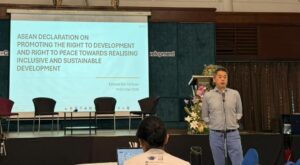
In this regard, AICHR advances human rights not only through dialogue and advocacy, but also through knowledge-building and the development of regional norms. This includes our work on ASEAN declarations relating to the right to a safe, clean, healthy, and sustainable environment, the right to development and the right to peace, as well as through our press releases, statements, notes, and thematic initiatives. We are documenting and shaping common regional approaches on a range of human rights issues, including the ASEAN Human Rights Declaration, rights of persons with disabilities, telecommunication network fraud and online scamming, gender mainstreaming in business, responsible business and migration, and promoting the right to a safe, clean, healthy, and sustainable environment for persons with disabilities, among others.
Taken together, these efforts demonstrate that AICHR’s value lies not only in its ability to engage diplomatically, but also in its capacity to build the technical foundations for a stronger ASEAN human rights system. For AICHR to remain effective, it must continue to combine principled diplomacy with rigorous human rights expertise, credible information, and practical tools that can guide human rights promotion and protection across the region.
Moving forward, our strategy is to deepen substantive engagement with a broad range of stakeholders, including civil society, experts, and communities affected by human rights issues. By integrating technical knowledge and real-life experiences into our work, we can better enrich human rights for the ASEAN peoples.
Finally, and on a personal note, allow me to express my sincere gratitude and deep appreciation to my friend, His Excellency U Nyunt Swe, as I understand this may be his last meeting with us. It has been a true privilege to serve alongside you on this Commission. I am profoundly grateful for the collegial spirit and wisdom you have consistently extended — both to Malaysia and to the Commission as a whole. You have helped foster an atmosphere of trust, respect, and friendship, all of which are essential to the important work we carry out here.
While Malaysia has had occasion to raise its concerns over the situation in Myanmar — concerns I have repeatedly voiced within AICHR — this has never diminished the warmth and regard I hold for you personally as a human rights expert. You have contributed immensely to Myanmar and human rights, particularly during your time on the Myanmar National Human Rights Commission and I hope you will not let up. Our time together, particularly throughout 2025, was marked by constant contact, open communication, and a shared professionalism that I deeply valued. Your steadfast support during Malaysia’s chairship and your commitment to advancing the human rights agenda speak volumes of your character and dedication. It is a particular honour to have worked alongside you as a co-drafter of the two ASEAN declarations adopted in 2025 — a meaningful and enduring legacy that will outlast our time on this Commission.
I believe I speak for many of us when I say that words alone cannot fully capture our appreciation for your contributions, your counsel, and your friendship. Please accept our heartfelt thanks, and our very best wishes for every success and fulfilment in the chapters ahead.
Thank you.
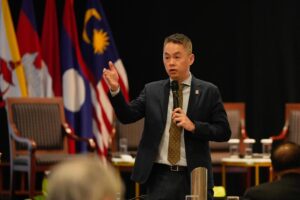
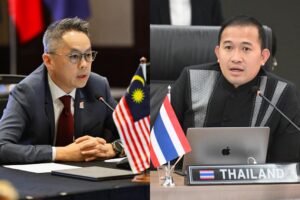
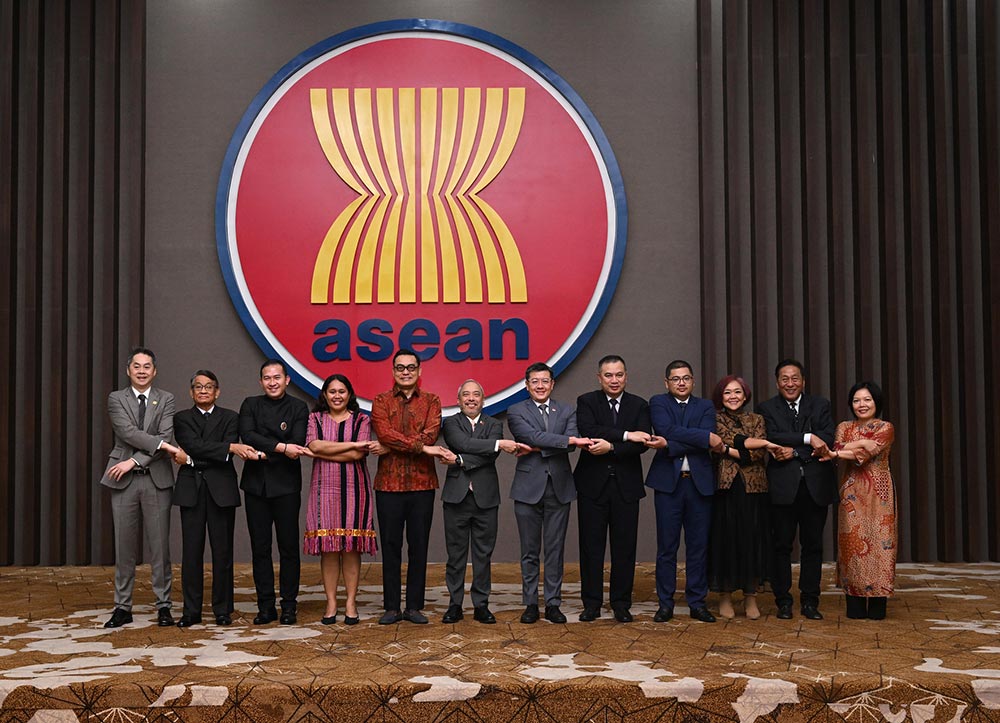
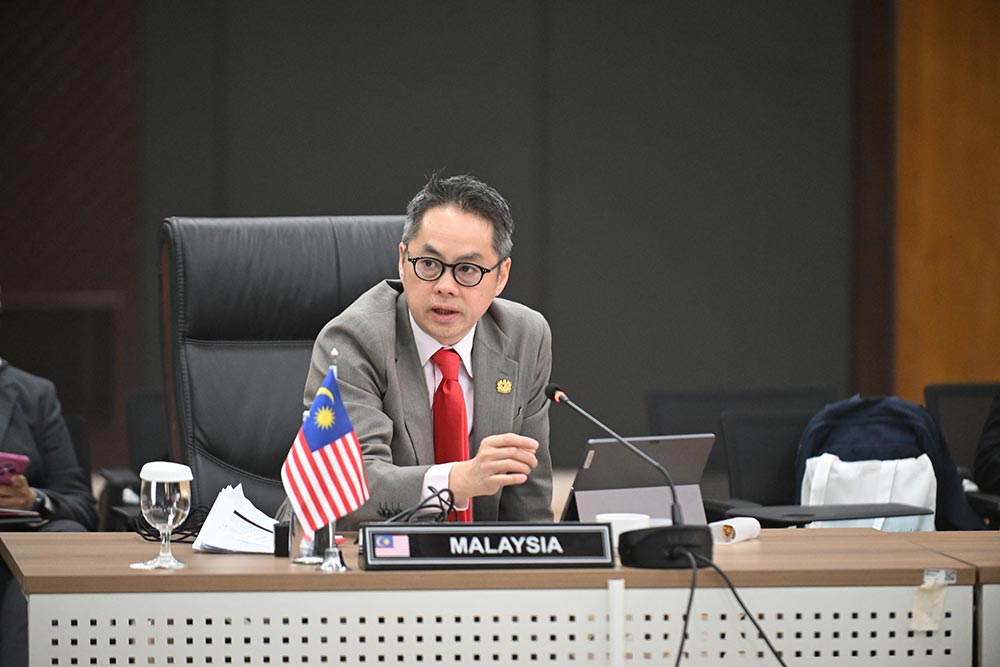
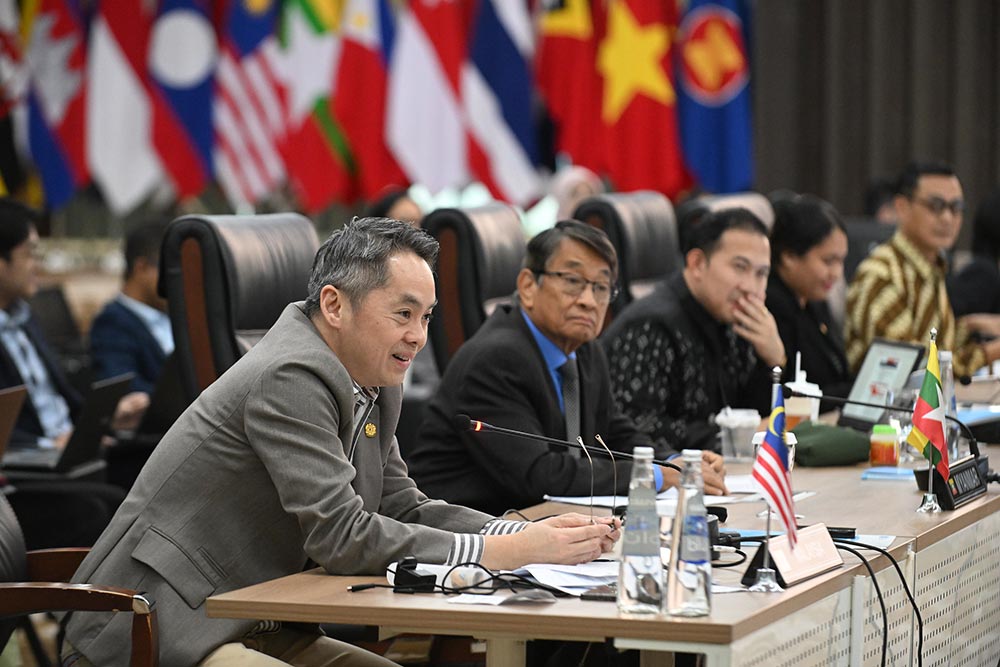
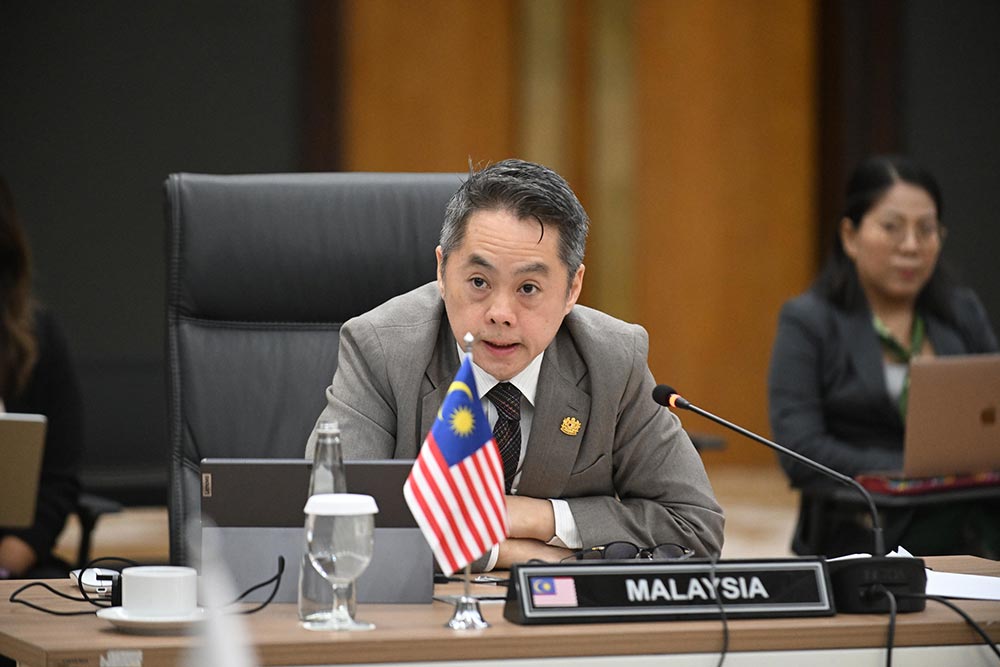
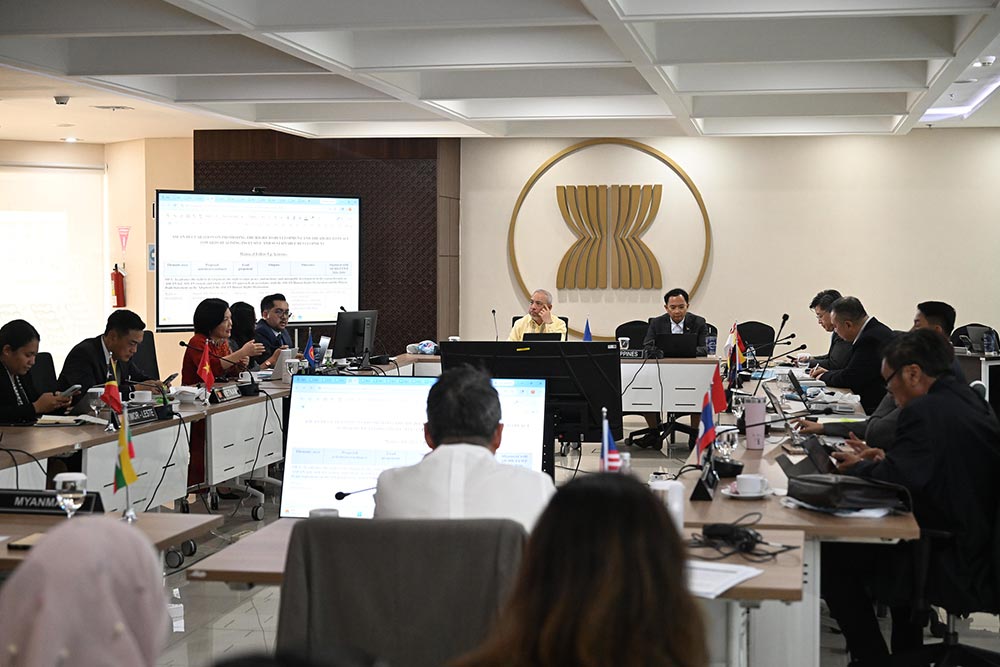
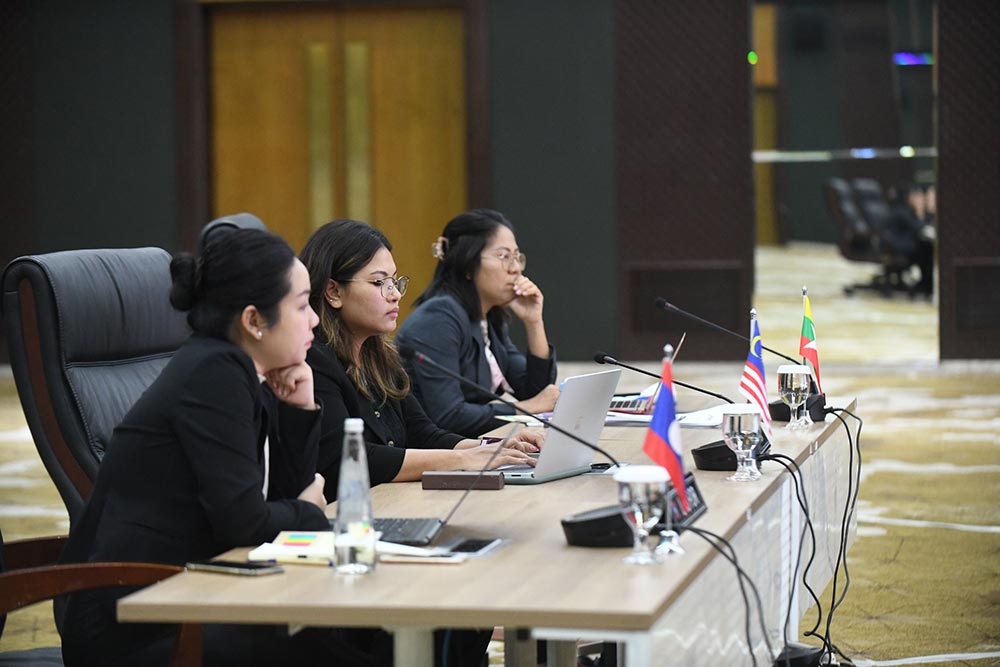
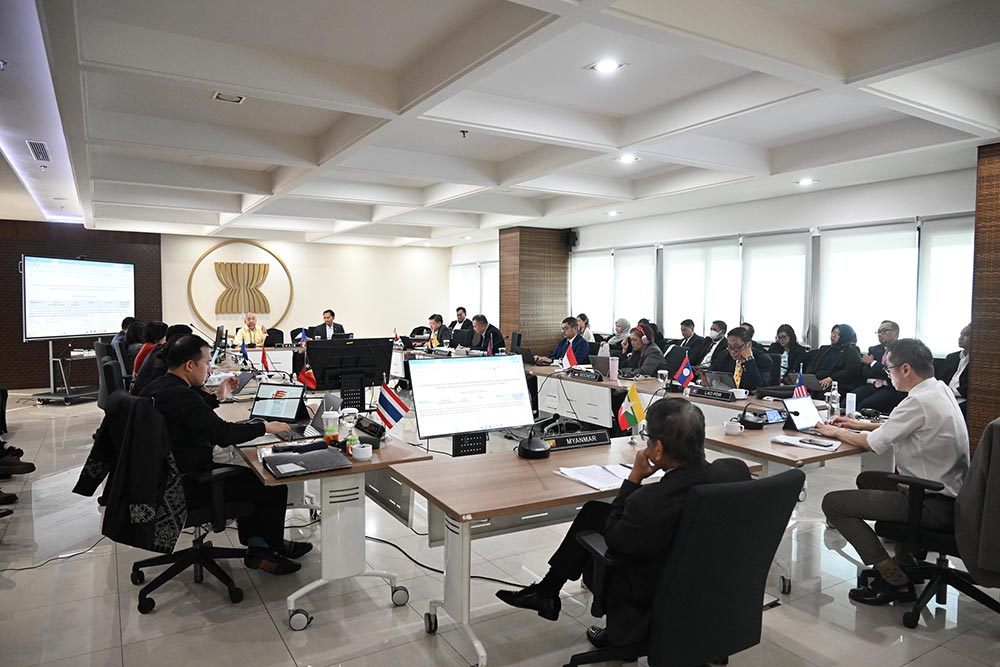
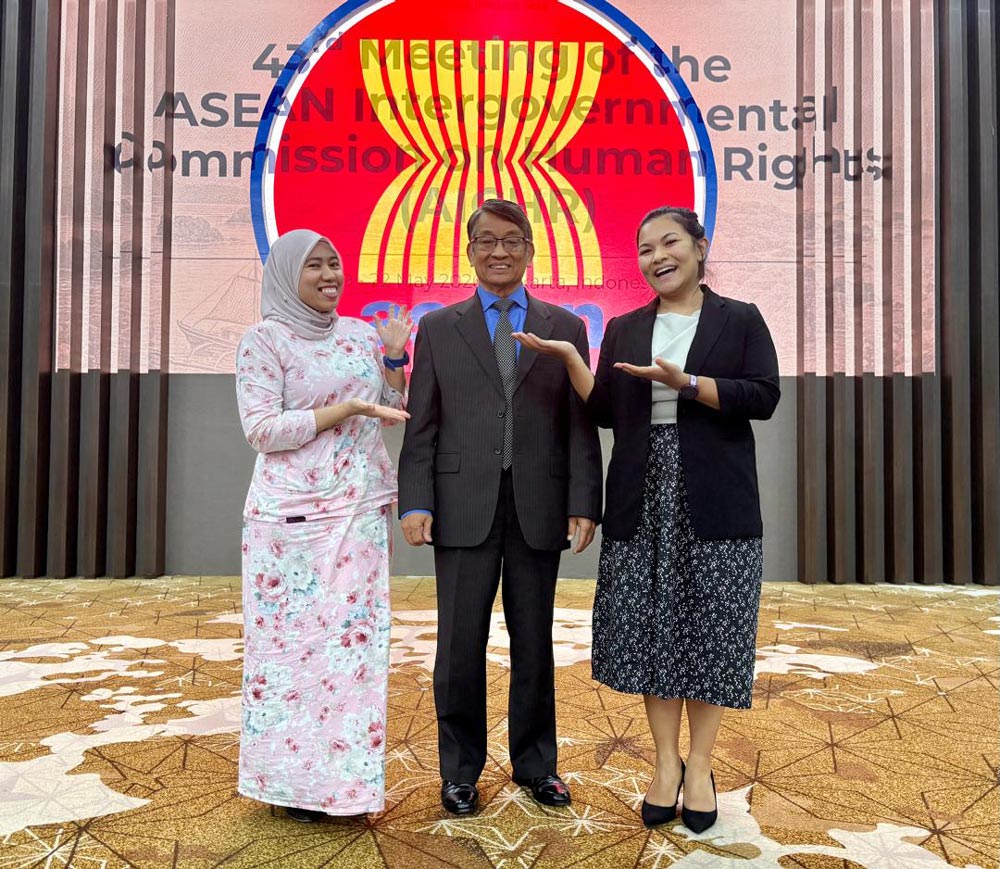
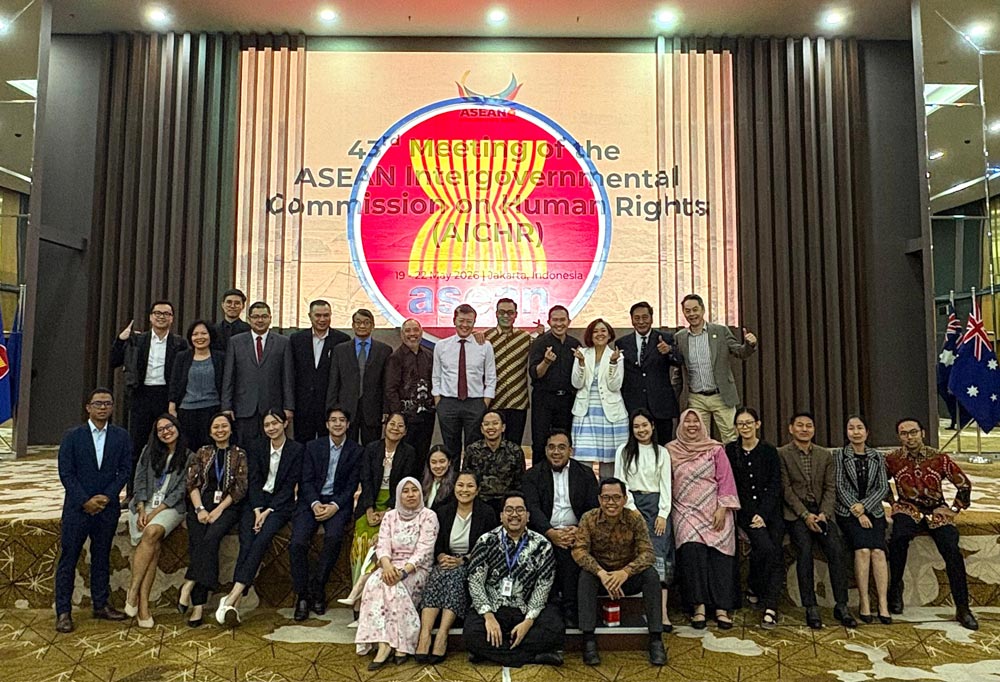
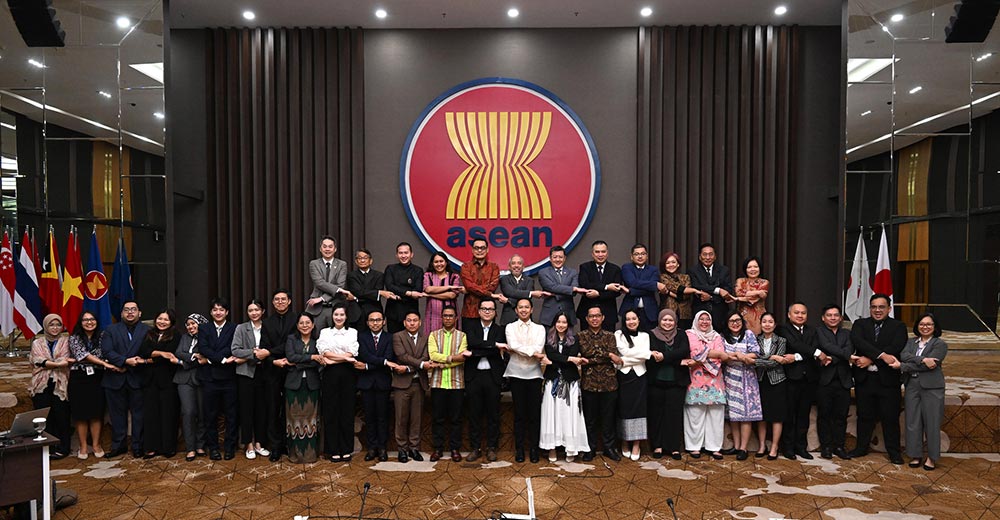
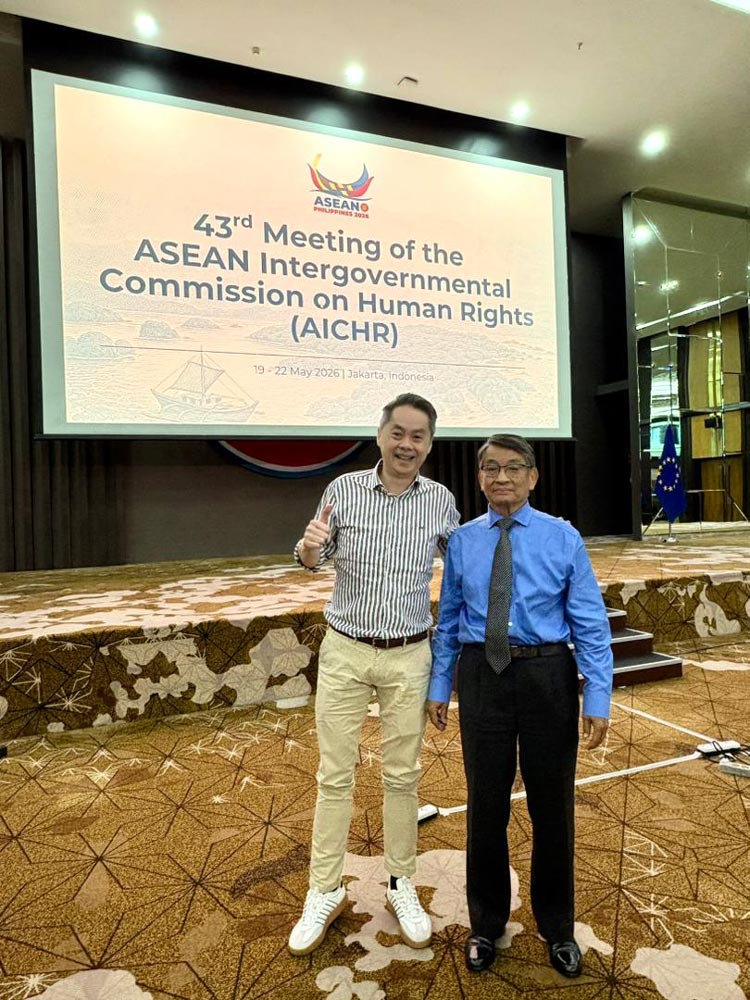
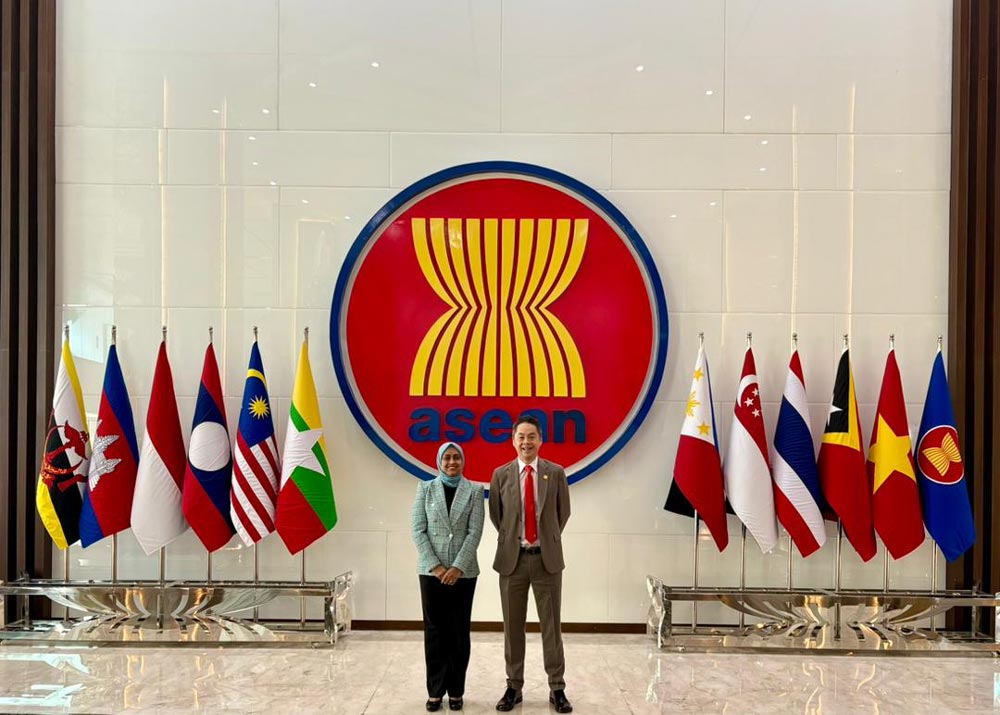
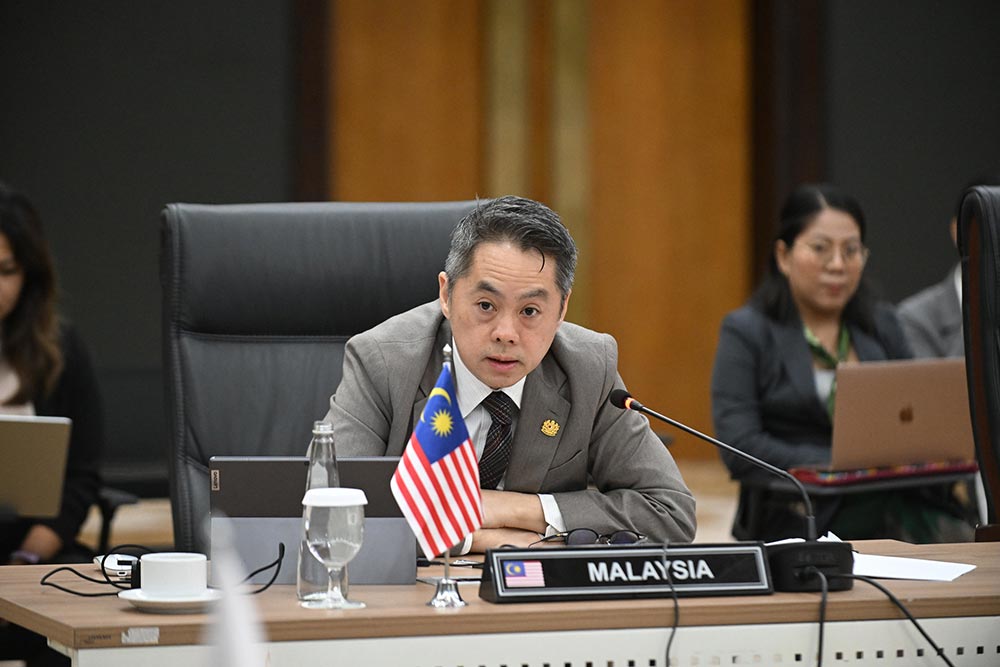
This statement was delivered to the ASEAN Intergovernmental Commission on Human Rights (AICHR) on Agenda Item No. 16.1 on Recent Developments in ASEAN on 21 May 2026, at the 43rd Meeting of AICHR held in Jakarta, Indonesia from 18 to 22 May 2026. The press release on the 43rd AICHR Meeting can be accessed here.