
Thank you, Your Excellency Chairperson.
1. Malaysia welcomes and supports the efforts by AICHR Philippines in making 2017 a year to remember for ASEAN as our regional league of nations reaches its 50th year anniversary. We also appreciate the hosting of this Retreat and the warm hospitality of the peoples of the Philippines in ensuring that we are happy and comfortable.
2. Malaysia proposed this Retreat as we thought it is timely to convene an open and frank discussion among the Representatives given that some of us are new to AICHR, and AICHR is today almost 8 years old while the ASEAN Human Rights Declaration is almost 5 years old. Our hope is that we are able to share our honest thoughts on how we can strengthen AICHR’s structure as a human rights institution, particularly on its protection mandate.
3. Part of paragraph 16 of the Joint Communiqué of the 49th ASEAN Foreign Ministers’ Meeting held on 24 July 2016 in Vientiane reads as follows:
16. We reaffirmed the ASEAN Intergovernmental Commission on Human Rights (AICHR) as a consultative body integral to the ASEAN organisational structure and its role as the overarching human rights institution in ASEAN. We noted with satisfaction the progress of the work of the AICHR in the promotion and protection of human rights. We welcomed the new Representatives for the term 2016 to 2018 and encouraged all the Representatives to engage more on human rights challenges in the region in accordance with the principles of the ASEAN Charter, the ASEAN Human Rights Declaration (AHRD) and the Phnom Penh Statement on the Adoption of the AHRD, as well as the Terms of Reference (TOR) of the AICHR.
4. This was not the first time it was said. Part of paragraph 18 of the Joint Communiqué of the 48th ASEAN Foreign Ministers’ Meeting on 4 August 2015 in Kuala Lumpur reads as follows:
18. We continued to reaffirm the role of the ASEAN Intergovernmental Commission on Human Rights (AICHR) as the overarching human rights institution in ASEAN for the promotion and protection of human rights and fundamental freedoms of the peoples in the region. We welcomed the progress of the work of the AICHR in the promotion and protection of human rights, and encouraged AICHR to engage more in current human rights challenges in the region, in accordance with the principles of the ASEAN Charter, the ASEAN Human Rights Declaration (AHRD) and the Phnom Penh Statement on the Adoption of the AHRD, as well as the Terms of Reference (TOR) of the AICHR.
5. These two paragraphs in two consecutive years suggest that AICHR should address the current challenges of human rights in the region. We are able to do this through our Terms of Reference in paragraphs 4.10 and 4.11. But pursuant to our protection mandate, both of the same do not appear to have been fully used.
6. At present, AICHR does not have a procedure to accept or respond to correspondence or communications that have been submitted to us for consideration. Such a procedure would be useful for it allows issues to be internally discussed before it reaches a point that is unmanageable. If we are able to collectively agree, and respond as a collective of human rights experts, we will stand AICHR in good stead to deal with any critique that may come ASEAN’s way. At times, staying silent in the face of communications to us may infuriate some while others may see us as unresponsive or irrelevant.
7. Consistent with ASEAN principles of unity, centrality and non-interference, AICHR should establish a procedure to respond to communications. The modality or mechanism may take the form of an internal discussion or dialogue among AICHR Representatives, or if thought fit and with the consent of the particular AICHR Representative, to request a written response from the relevant ASEAN Member State (AMS) through its national agency. The AMS may decide on how to respond, if at all. In any event, AICHR may transmit the status of the communication or the response of the AMS, if any, to the sender of the communication. This should be the baseline, the minimum. Personally, it is better to know more than to know less in anticipation of potentially emotional issues that might subsequently escalate and be too large to handle.
8. While other regional human rights institutions have quite elaborate communication procedures including the power to issue recommendations, observations or comments, these may, at this point in time, be practically difficult to implement because not all AMS may be ready. The proposal I just outlined does not require any adjudication on AICHR’s part.
9. Should AICHR wish to rigorously heed the call to ‘engage more on human rights challenges in the region’, a fresh communication procedure could be one of the progressive steps forward. For why should AICHR not internally and collectively deal with our ASEAN issues as a region and within the context of a Charter body as opposed to having others outside ASEAN do the same? The essence of ASEAN centrality is in the former.
10. To this end, Malaysia humbly offers our services to draft a proposal to operationalise AICHR’s communications procedure for the consideration of AICHR at its next meeting.
Thank you.
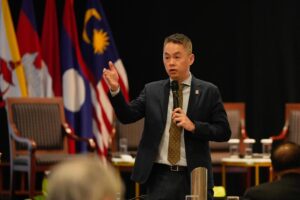
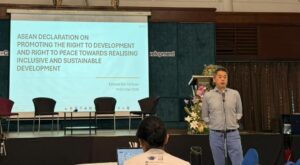
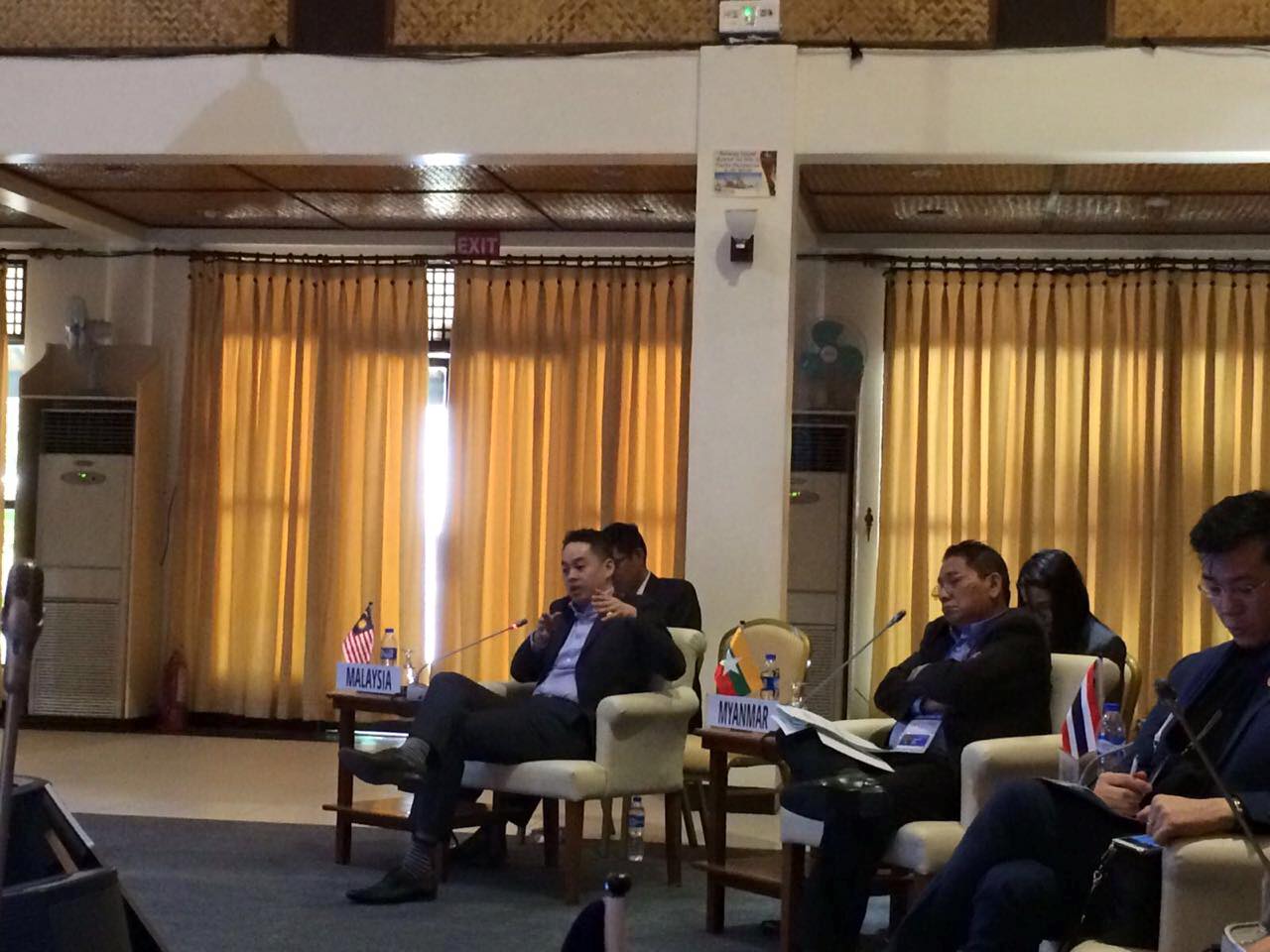
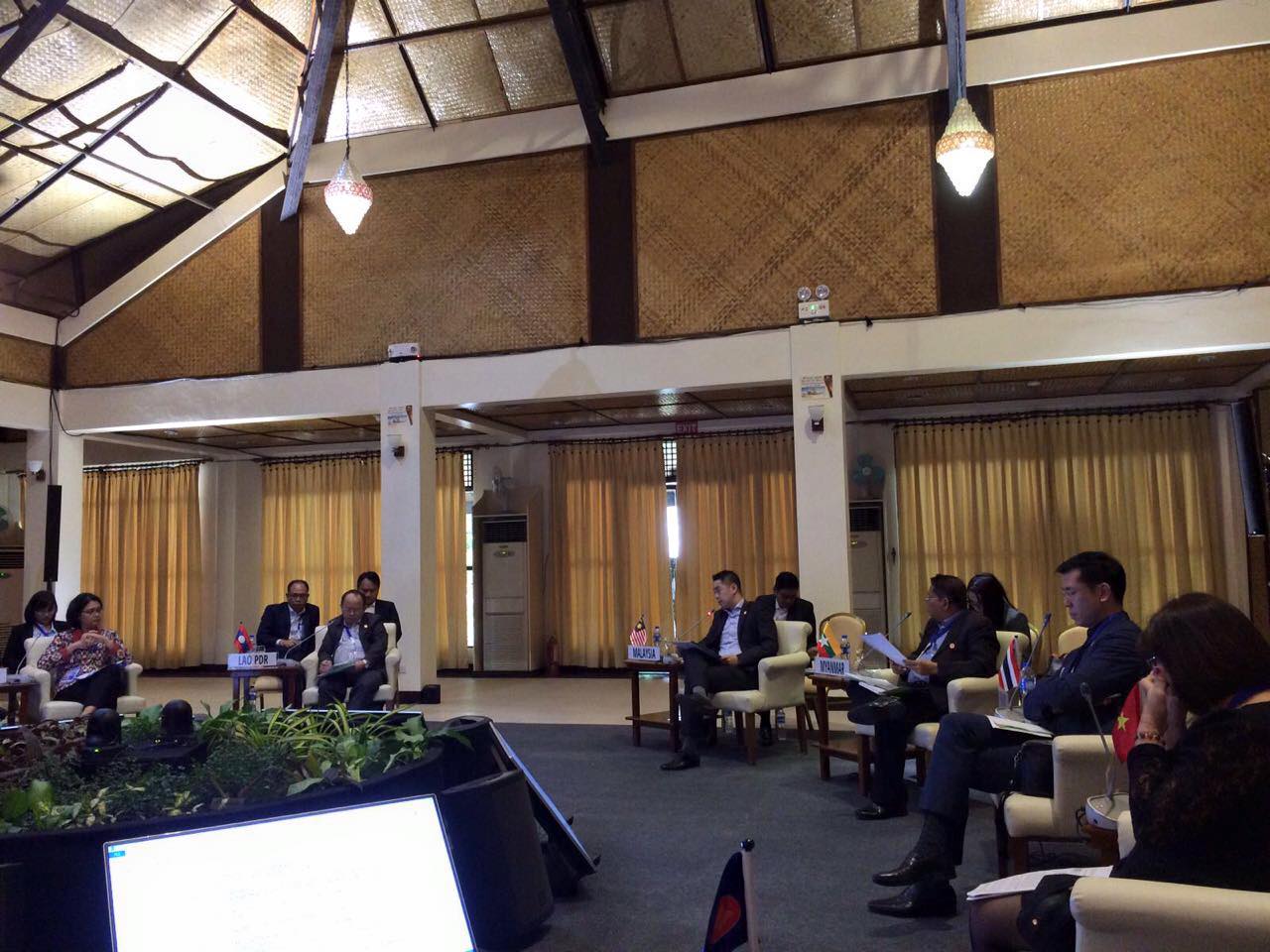
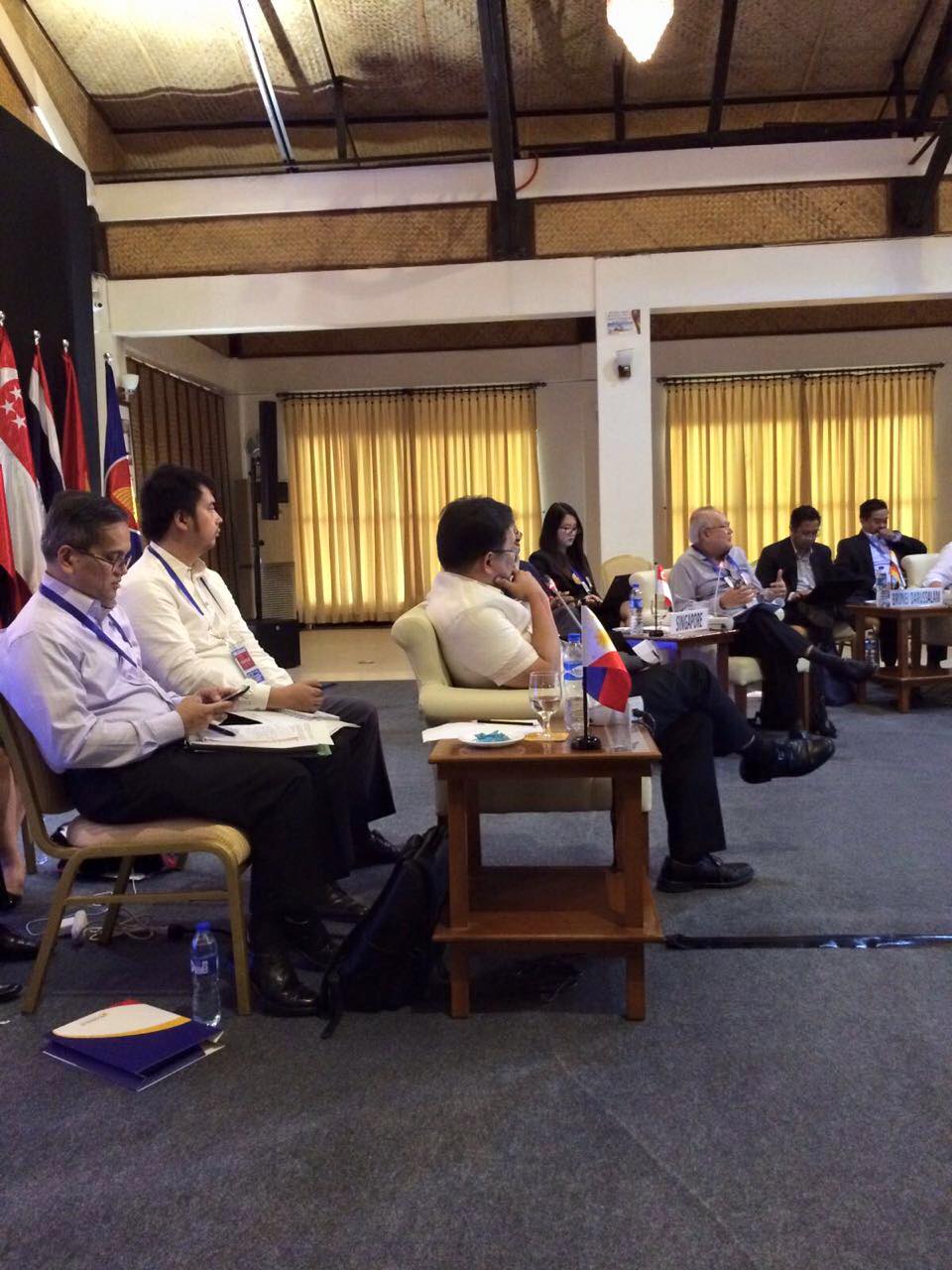
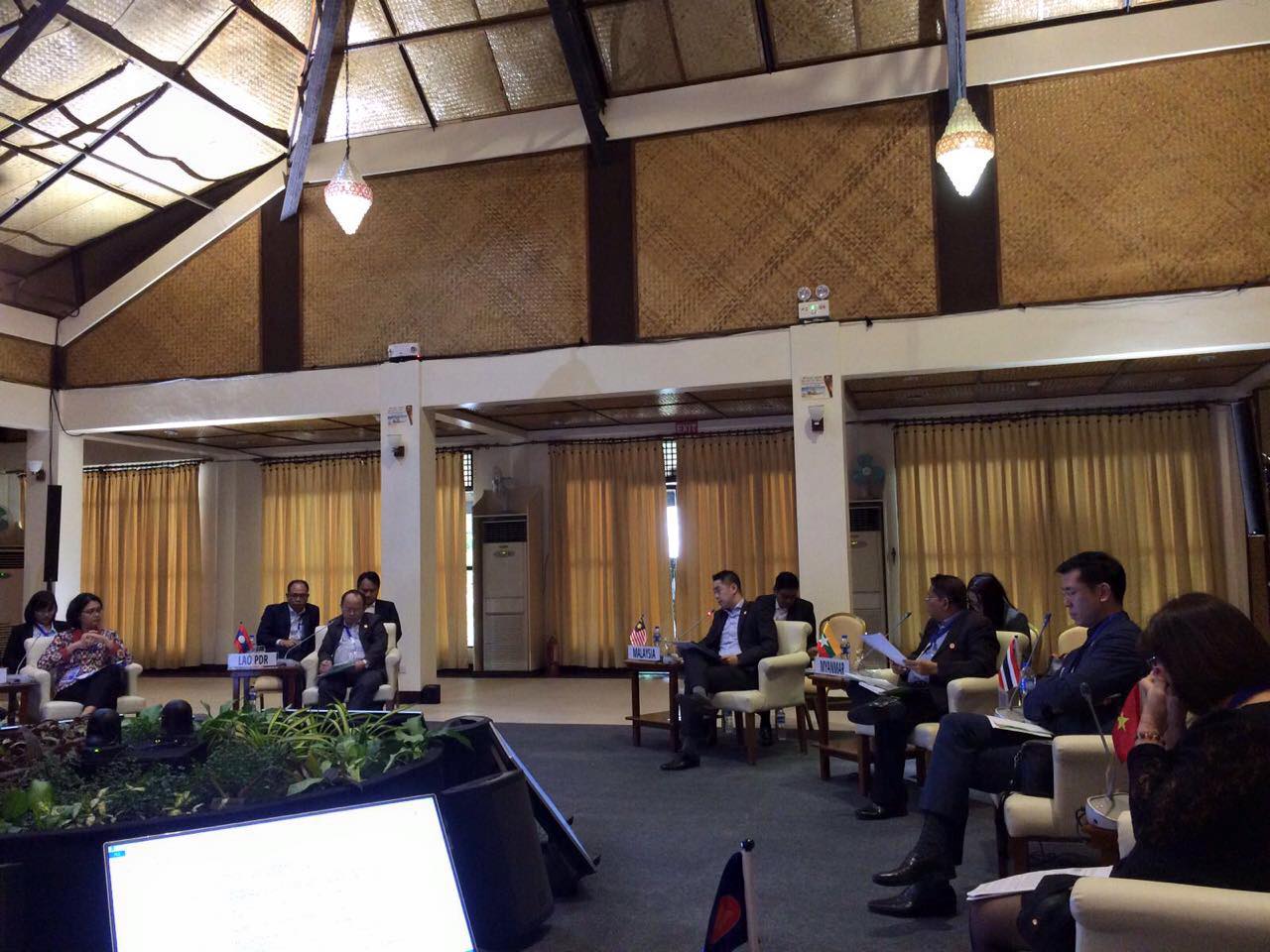
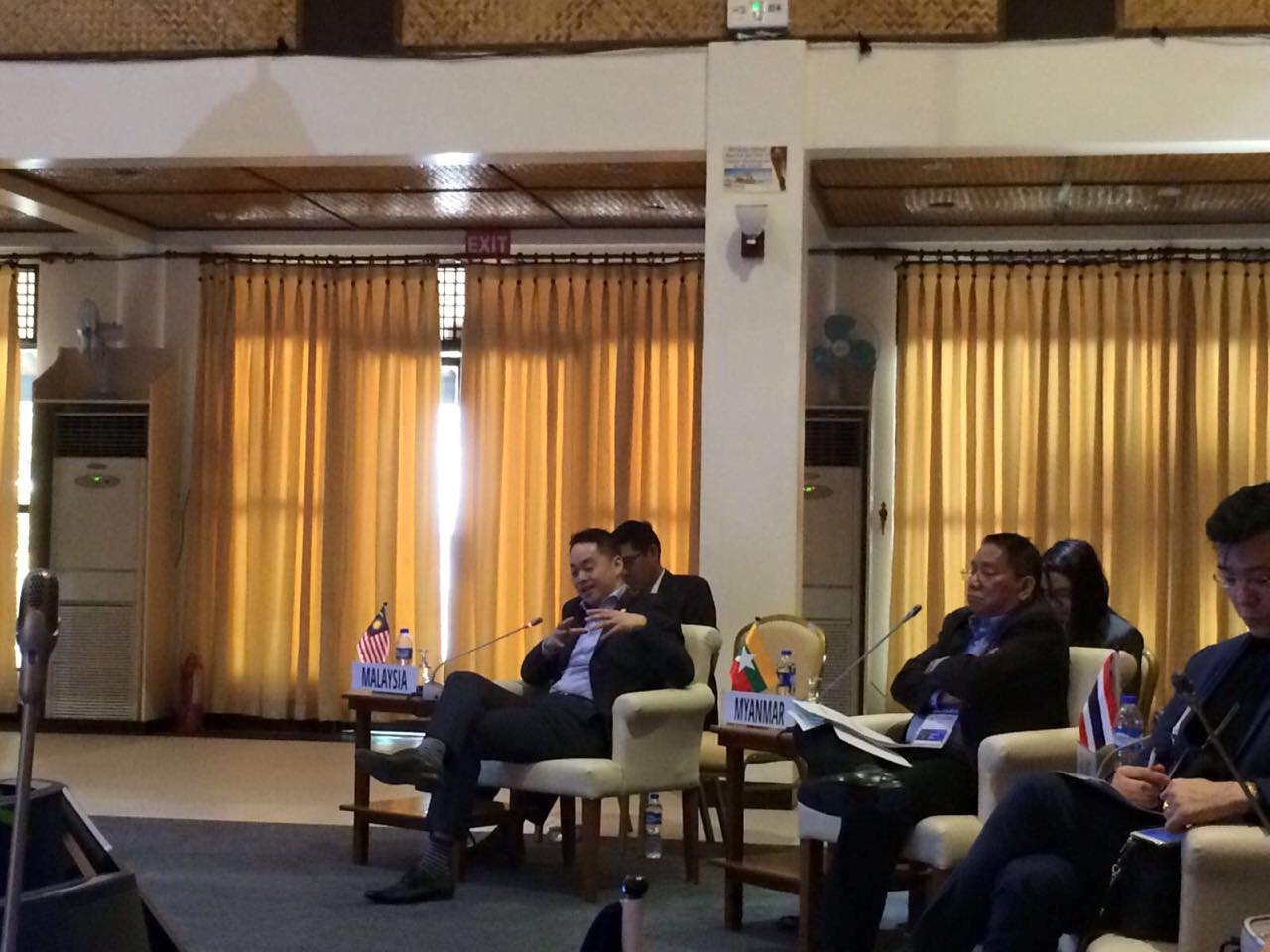
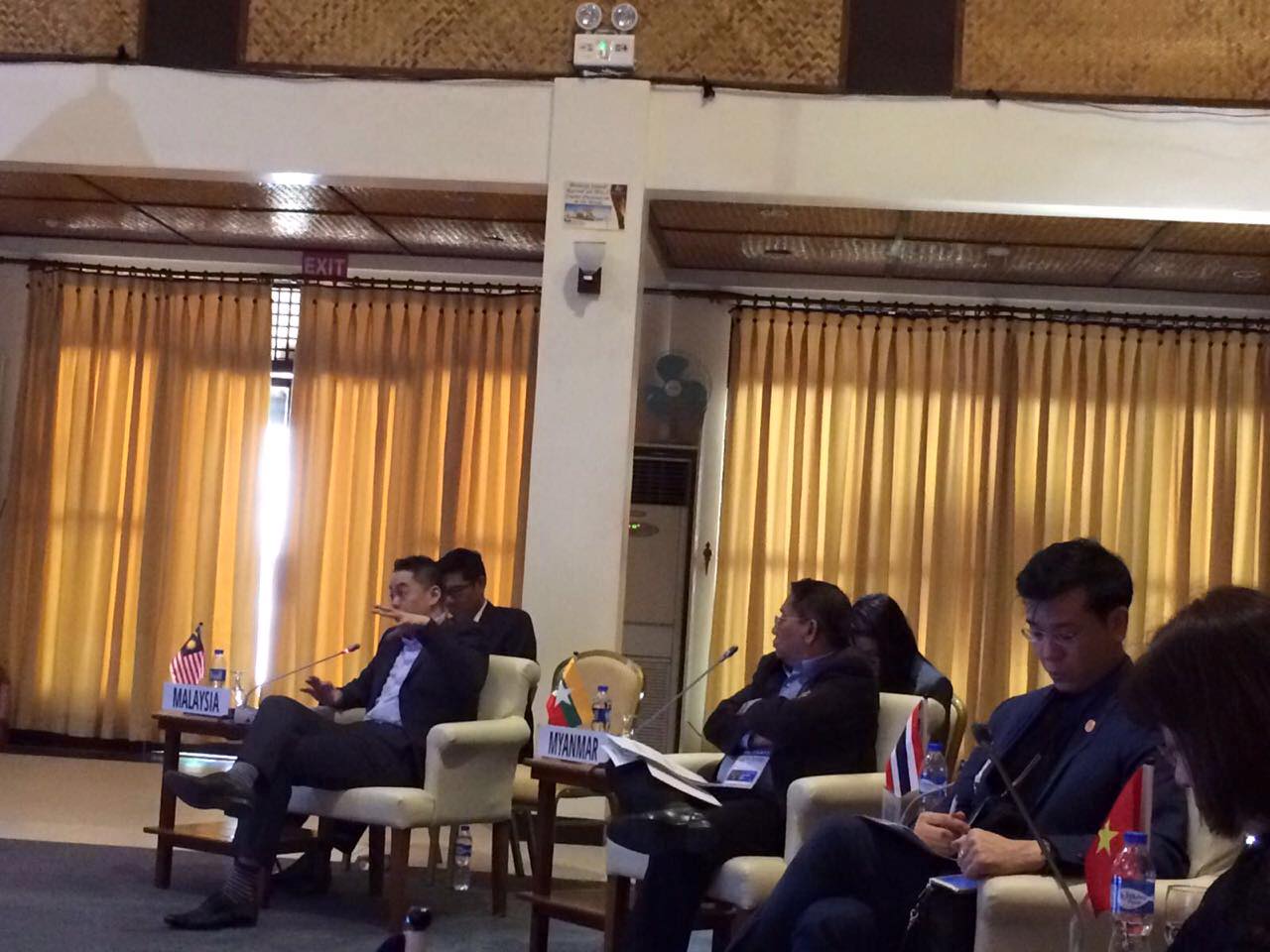
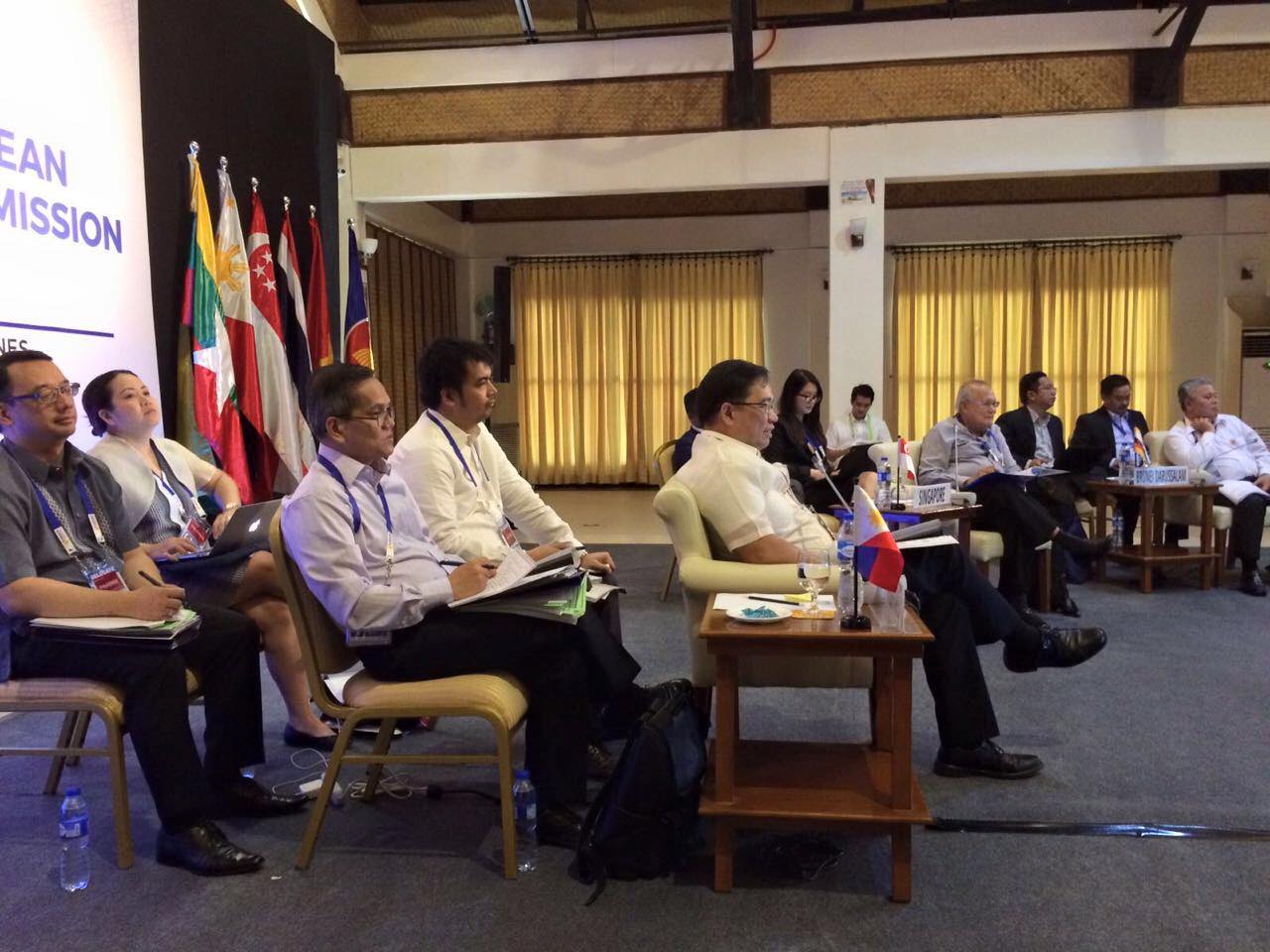
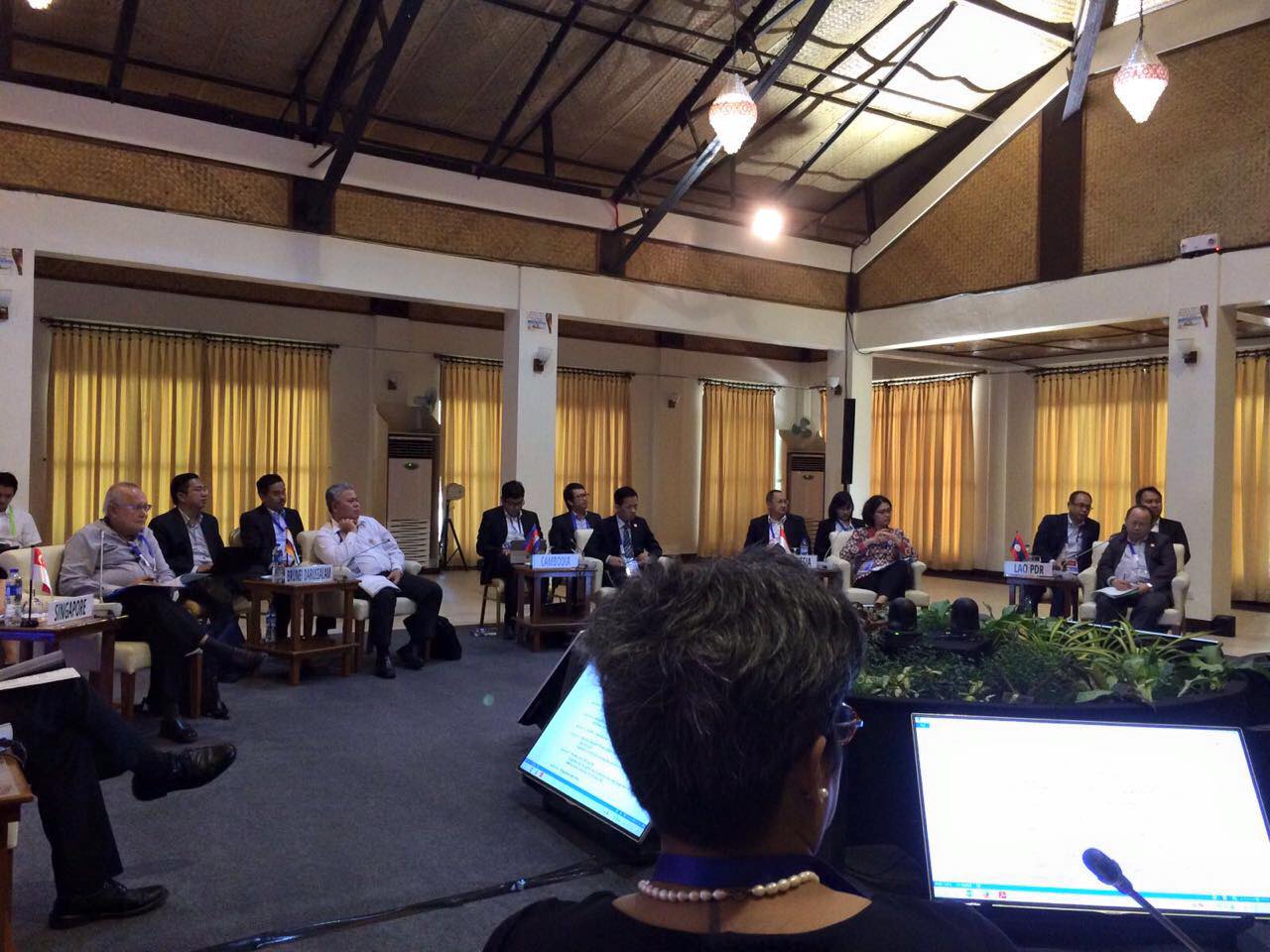
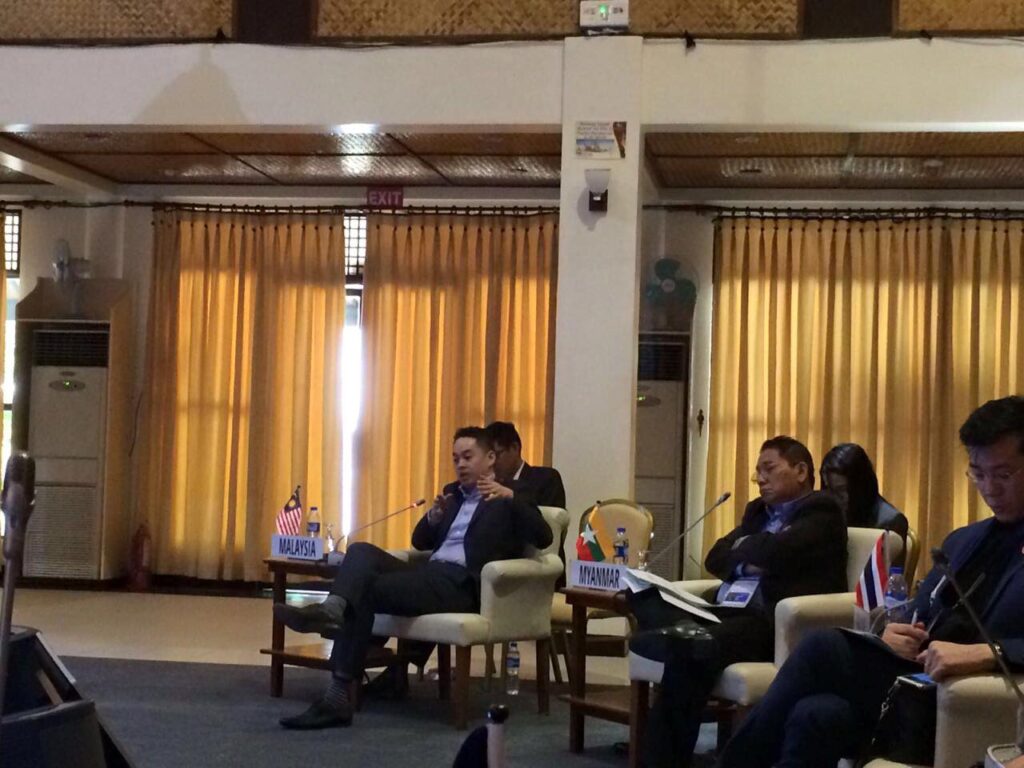
This intervention was delivered to the ASEAN Intergovernmental Commission on Human Rights (AICHR) at the AICHR Retreat in Boracay, the Philippines, on 13 February 2017.