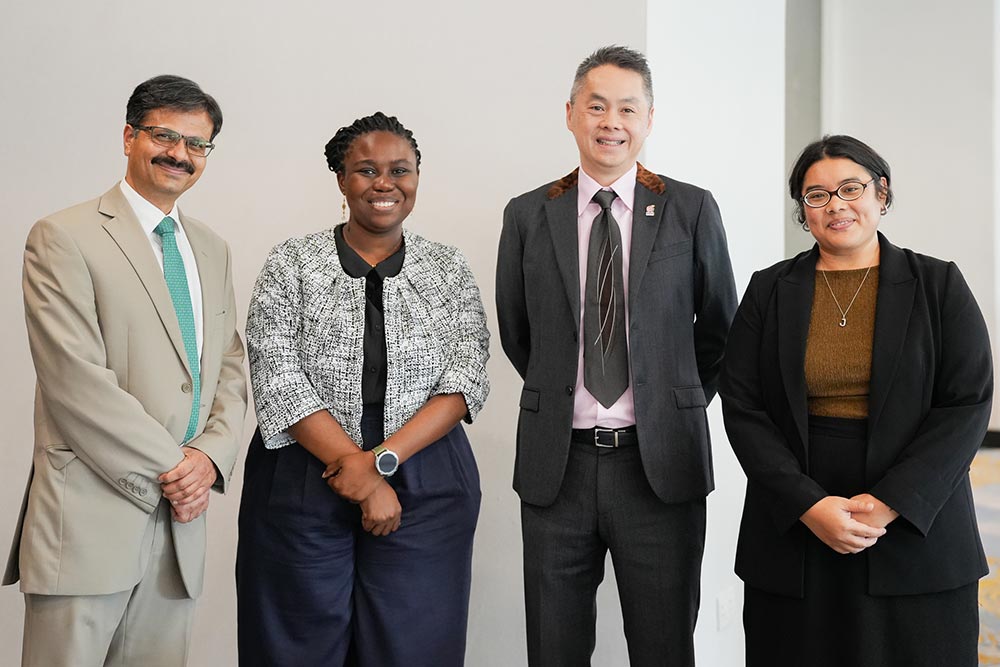

Yang Berbahagia Dato’ Seri Hishamudin Yunus, Chair of the Human Rights Commission of Malaysia (SUHAKAM),
Professor Dr Surya Deva, United Nations Special Rapporteur on the Right to Development,
Mattias Carlson, representative of the International Organization for Migration (IOM),
Sumitha Shaanthinni Kishna, representative of Migrant Forum in Asia (MFA),
Excellencies, distinguished colleagues, ladies and gentlemen.
Salam sejahtera and good morning.
In a 2 July 2025 programme, “Building Peace — From Conflict Prevention to Sustainable Peace”, as part of a series of six “Workshops on Intersection between Conflict and Human Rights: Pathways and Approaches to Peace in ASEAN” led by Malaysia and convened by the ASEAN Intergovernmental Commission on Human Rights (AICHR), participants identified climate change, authoritarianism, and impunity as the top threats to peace in Southeast Asia. These were not abstract concerns: they reflected the lived assessments of diplomats, senior government officials, and civil society actors working on the ground in ASEAN.
While the causal link between climate change and conflicts in ASEAN remains understudied, the 20-year Darfur conflict in Sudan serves as an example of climate-exacerbated violence linked to pressures on, and competition over, usable, life-sustaining land. Experts may disagree on the definition of “conflict”, but that situation illustrates how the combination of environmental stress, governance failures, and social cleavages can create conflict. Whatever the view of causality, the security and non-security consequences of a warming world are increasingly difficult to ignore.
Unfortunately, environmental degradation discourse continues to be shaped by Global North actors. In contrast, States in the Global South endure disproportionate and excessive burdens: negative impacts from rising sea levels, extractive activities, biodiversity destruction, and pollution. Our region also faces severe environmental threats from extreme heat, transboundary haze, intensifying storms, coastal erosion, and ecosystem decline despite contributing far less to cumulative greenhouse-gas emissions.
These issues — and more — will be discussed at this third consultation on the human right to development. For the first time in AICHR, we will deliberate on the critical intersection of business and human rights, environment, and climate change.
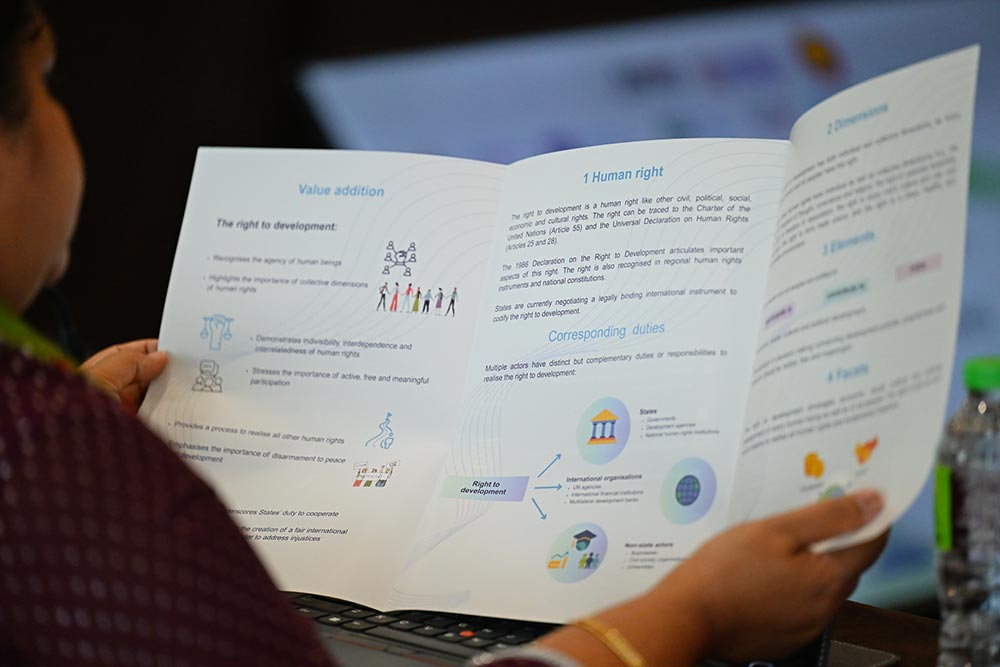
The right to development is spelt out in the ASEAN Human Rights Declaration (AHRD), particularly in Articles 35, 36, and 37, affirming the rights of all peoples to participate in, contribute to, and enjoy the benefits of development, be it economic, social, cultural or political. This is aligned with Malaysia’s theme as the ASEAN Chair this year, “Inclusivity and Sustainability”, and with the recently adopted ASEAN 2045: Our Shared Future.
Development must be people-centred, participatory, equitable, and inclusive, leaving no one behind. We must ensure the voices of those made vulnerable and marginalised, such as women, children, persons with disabilities, indigenous peoples, Orang Asli, Orang Asal, migrant workers, refugees, asylum seekers, stateless persons, ethnic, religious, linguistic, and gender minorities, and human rights and environmental rights defenders, are heard and placed at the centre of our efforts.
Yet, development in today’s context faces two major challenges: climate change and human mobility, both of which are often interconnected, though at times they seem to stand alone.
Climate change is not just an environmental problem, nor is it just a convenient buzzword. It impedes development by undermining livelihoods in places where survival is already fragile. It deepens inequality, fuels internal tensions and conflicts, and forces families to abandon their homes in search of survival. These are the realities of climate change unfolding before our eyes.
I invite everyone in this room to re-think our approaches, bearing in mind the realities we are facing. We need to move beyond the government-to-government approach and build new as well as strengthen existing alliances with the private sector, which drives much of our economy. Businesses are already expected to be transparent on their human rights impacts and how they are addressed through the conduct of human rights due diligence.
We need to strengthen bodies and mechanisms to be more decisive, responsive and timely as well as future-ready to address global and regional challenges as envisioned by ASEAN 2045. Today’s consultation will offer an opportunity to reflect on how ASEAN can strengthen its response to the issues of business and human rights, environment, climate change, and migration, and consider practical steps that can be put in place.
Two updates to note.
On 12 August 2025, Malaysia launched its first National Action Plan on Business and Human Rights (NAPBHR) 2025–2030. I dare say that it is one of the most progressive actions plans in the world. It covers areas such as environmental human rights defenders, climate justice, mandatory human rights due diligence, and anti-SLAPP (Strategic Litigation Against Public Participation) laws. I support its full and immediate implementation.
Secondly, AICHR has consulted with ASEAN bodies and stakeholders on Malaysia’s proposed ASEAN Declaration on Promoting the Right to Development and Peace Towards Realising Inclusive and Sustainable Development. The draft is now under AICHR’s deliberation, with a view to adoption later this year.
I wish to express my sincere appreciation to each of you for joining us today. I thank SUHAKAM, IOM, MFA, and the Australian Human Rights Commission (AHRC) for their support, as well as the dedicated organising team of Dr. Andika Ab. Wahab, Valen Khor, Nurul Aliaa Azman, and Nurkamelia Ghazali.
I look forward to the sessions, and meaningful exchanges that will move us closer to realising the right to development in ASEAN.
Thank you.
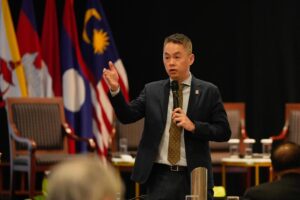
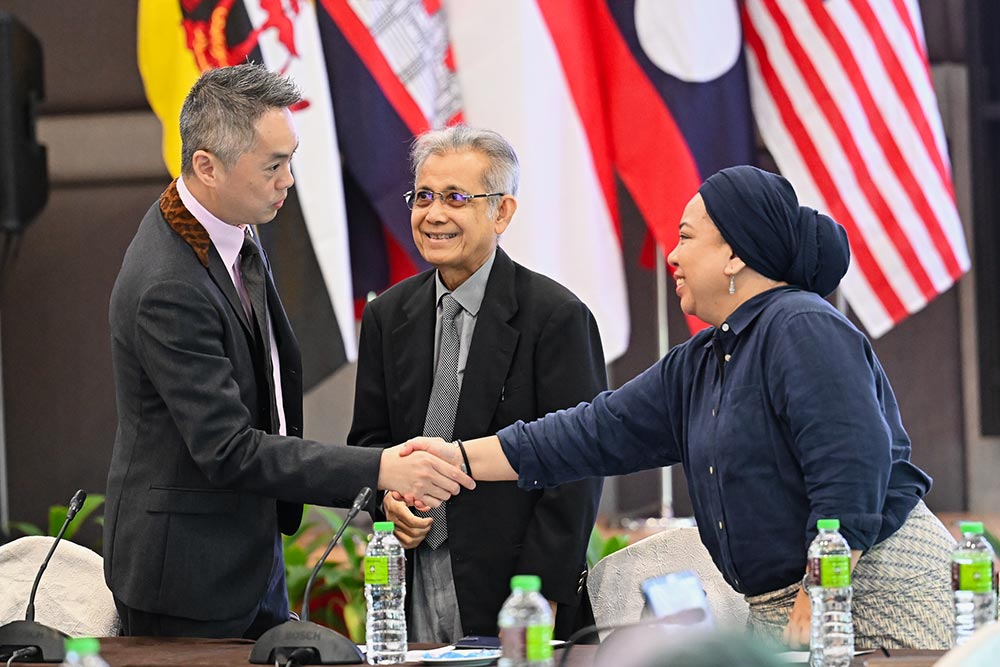
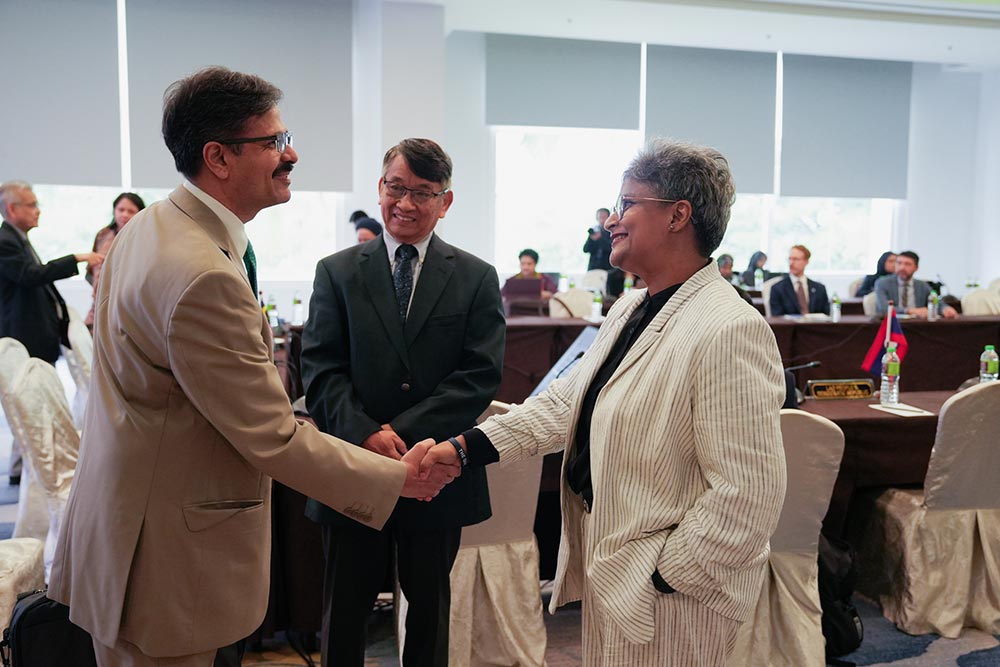
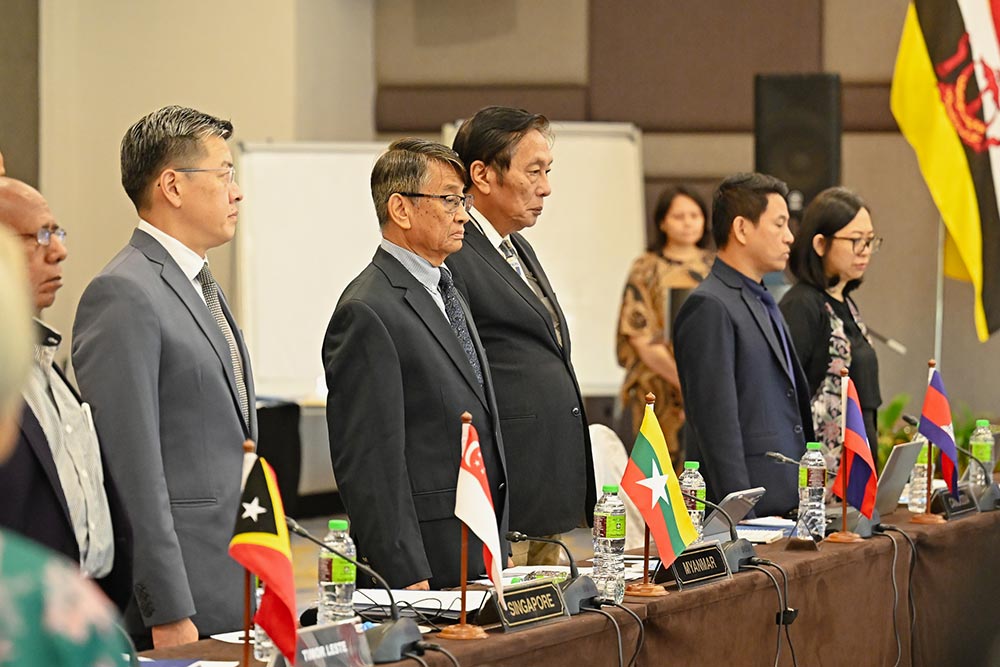
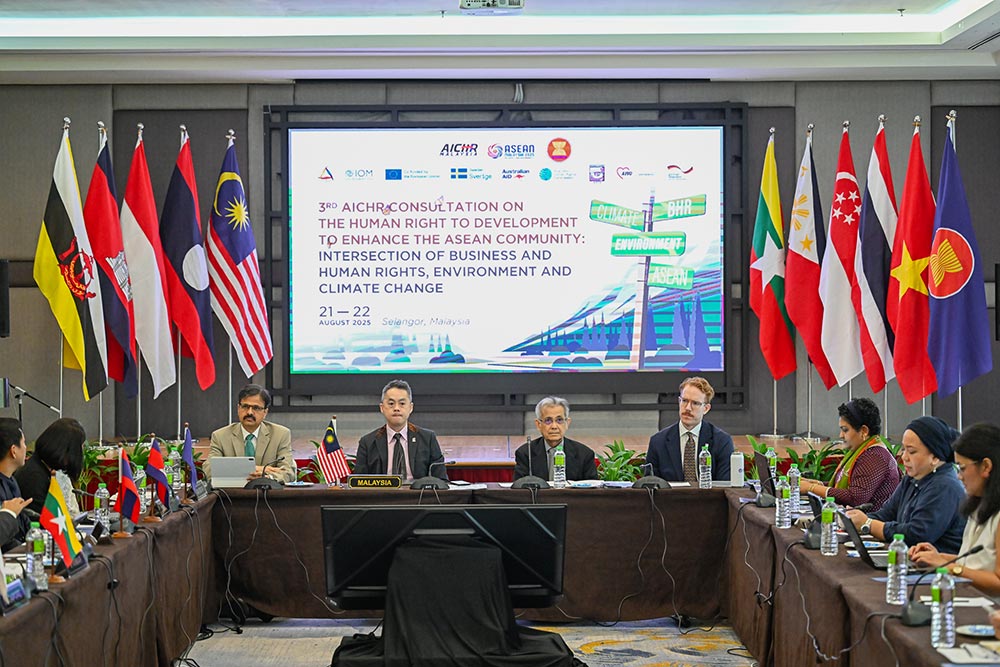
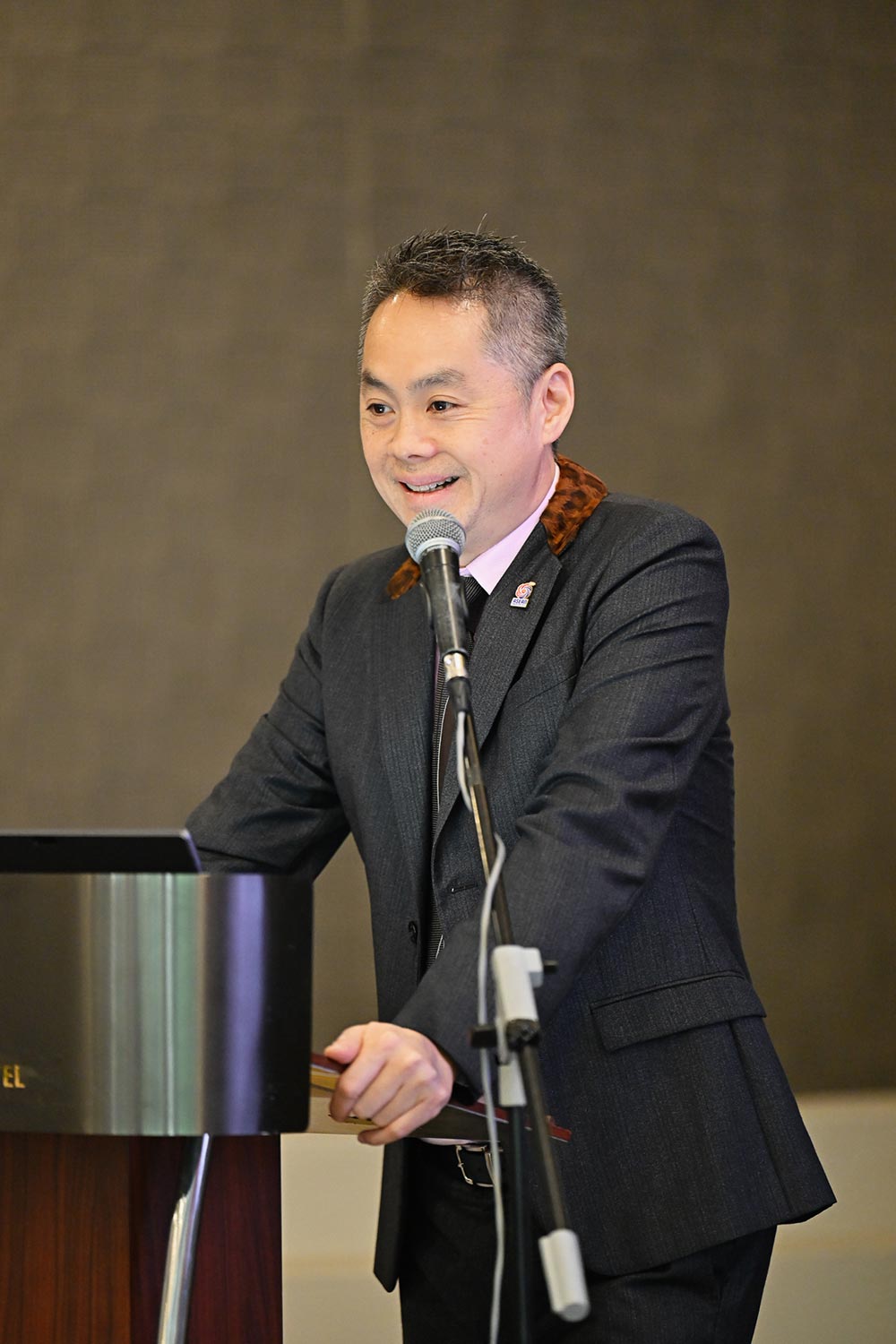
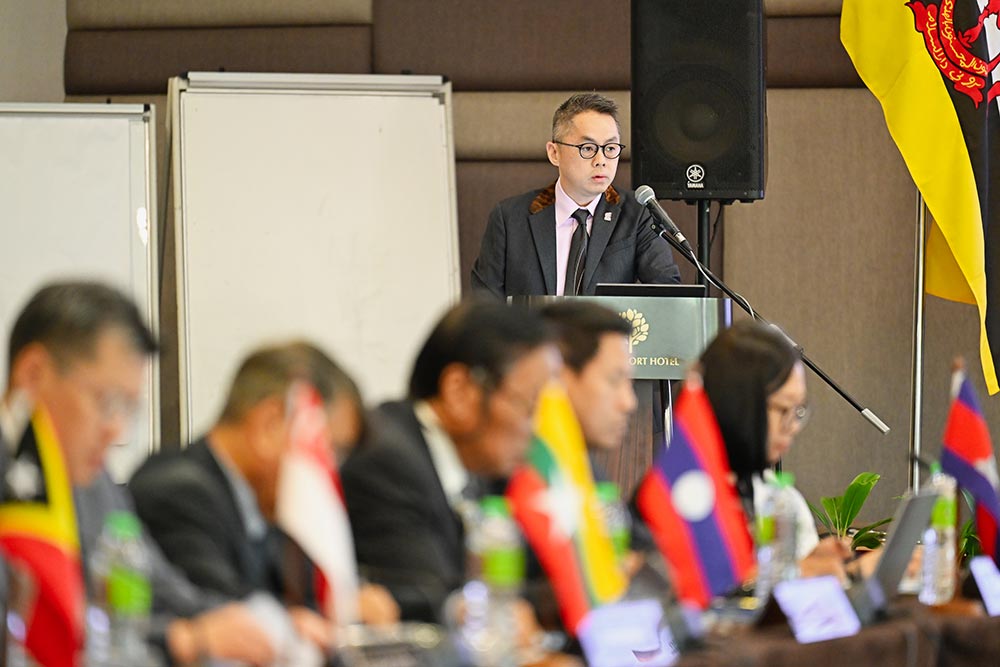
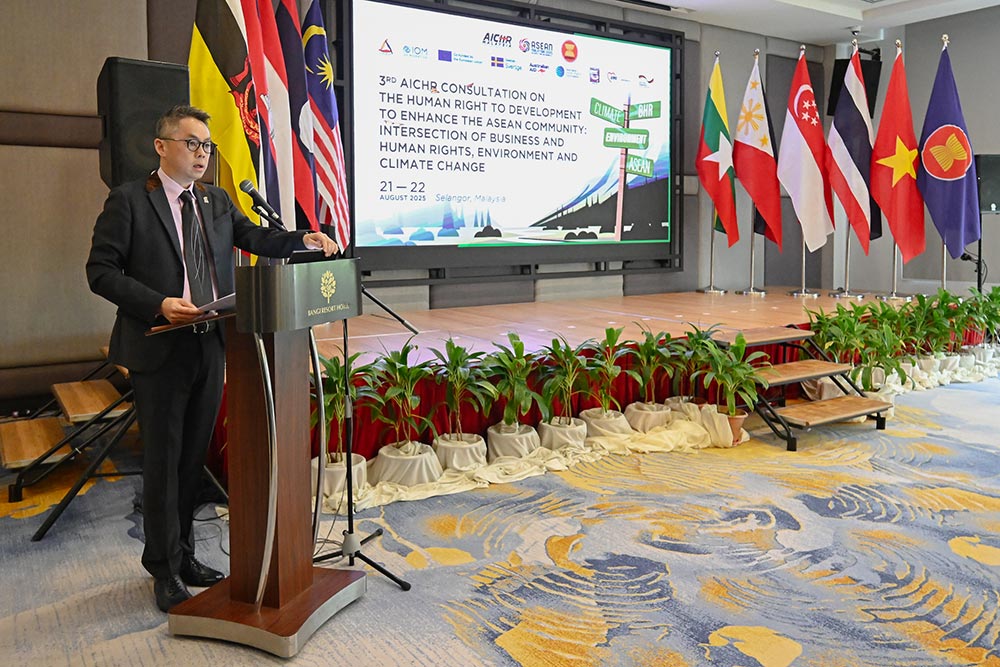
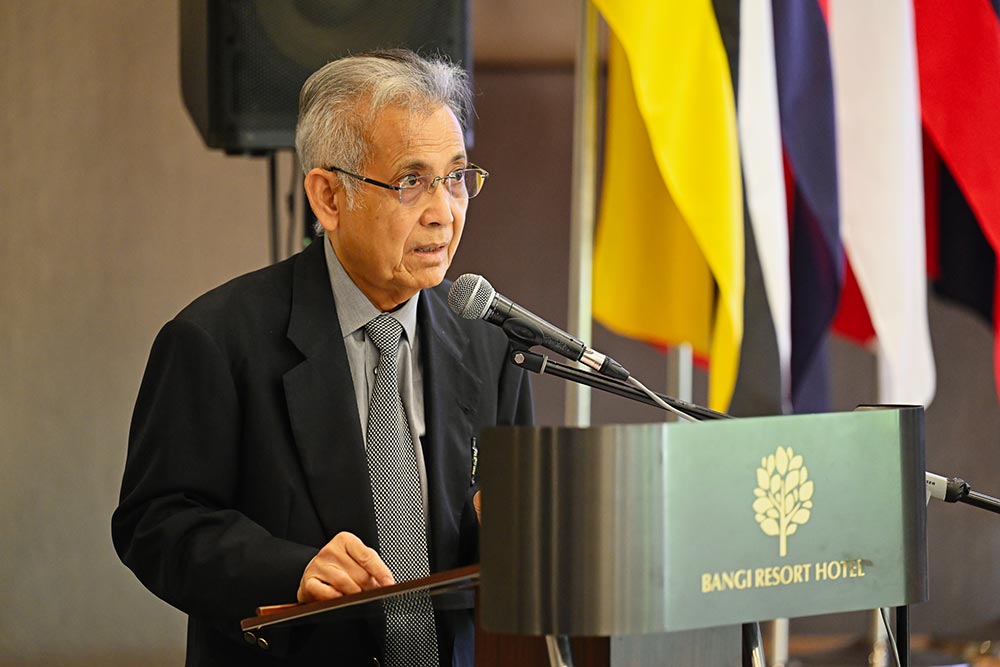
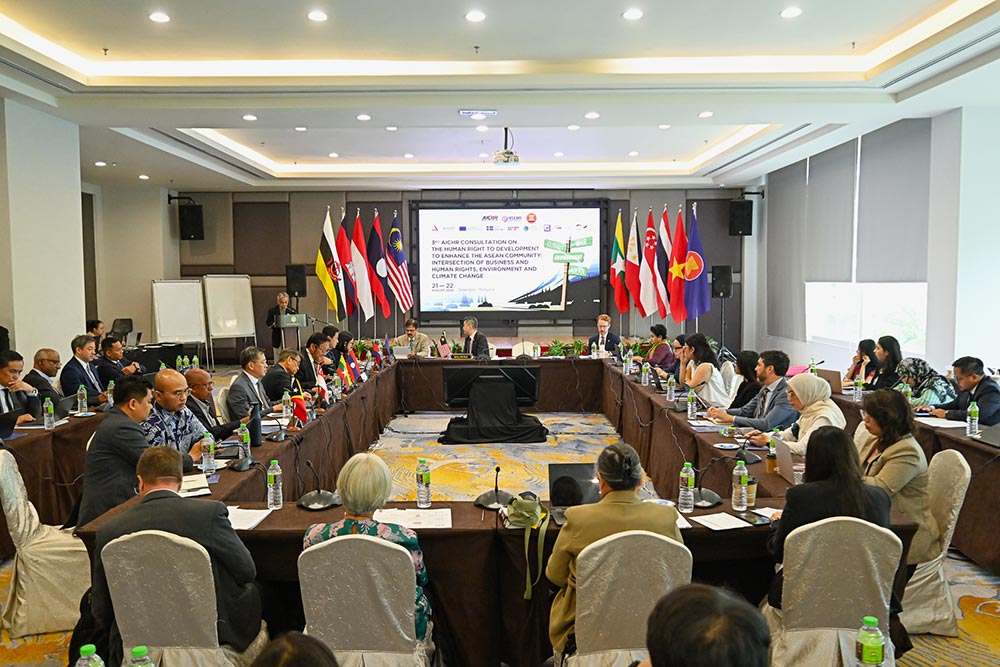
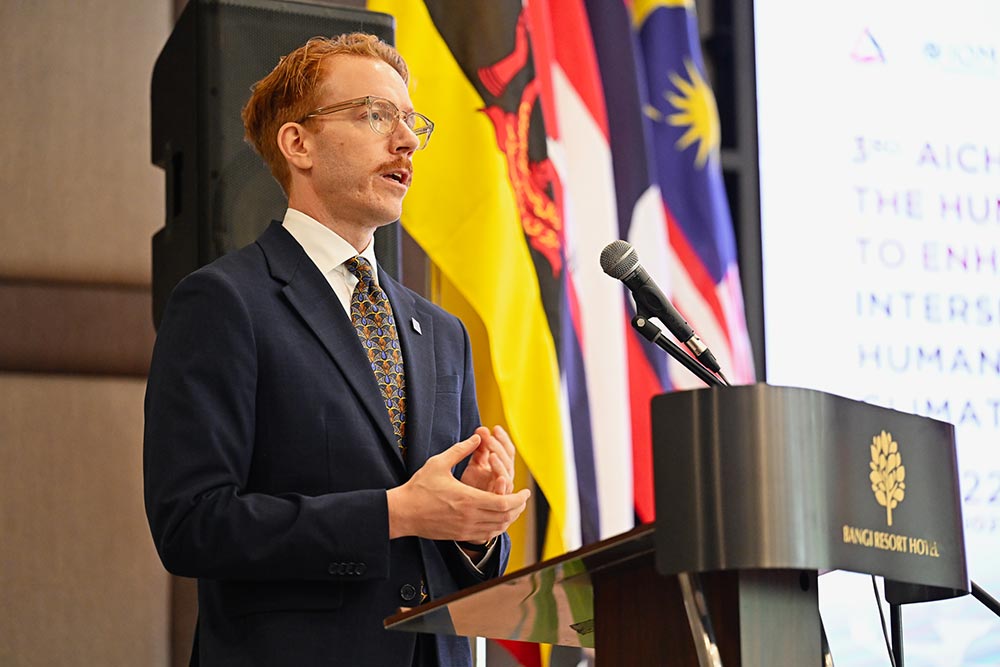
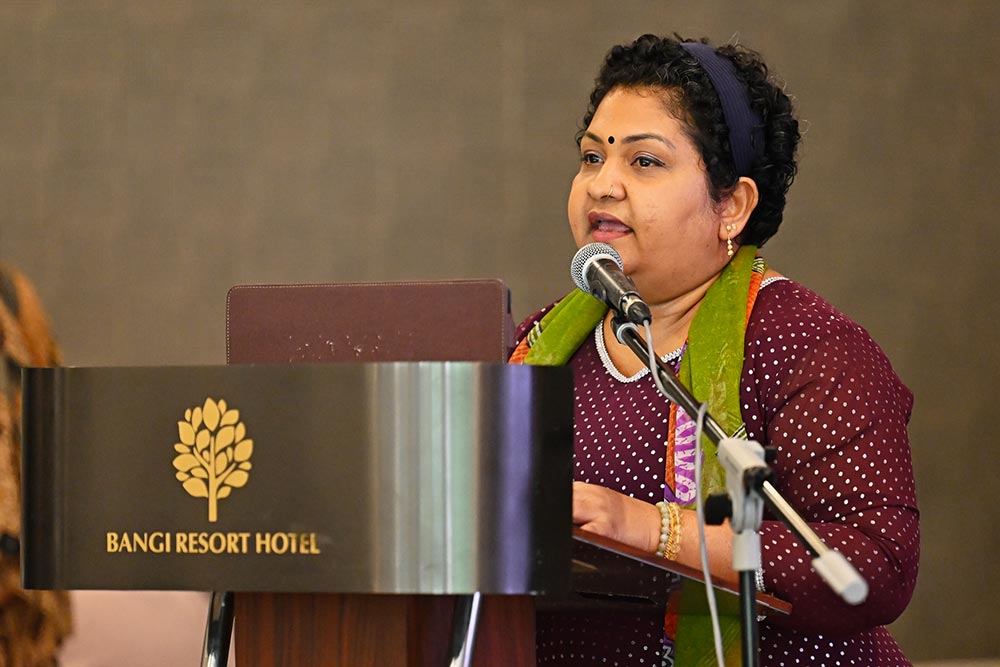
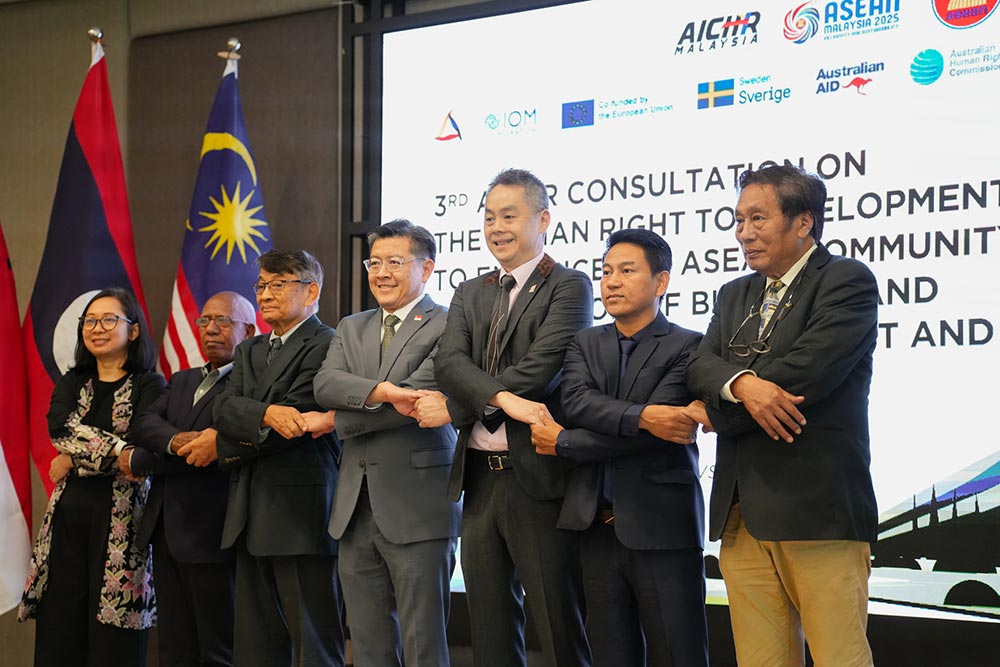
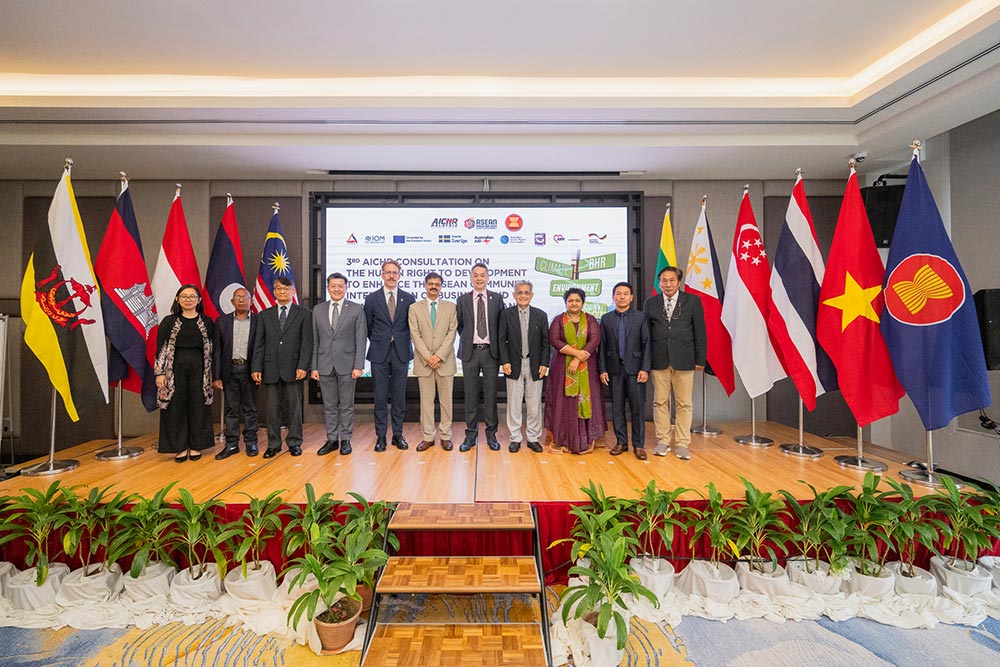
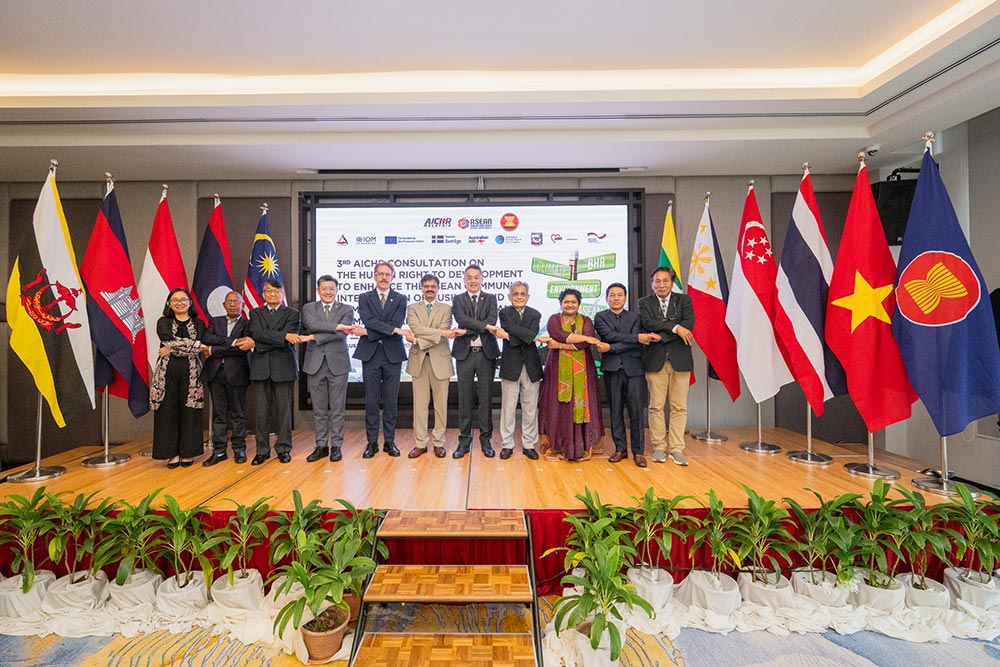
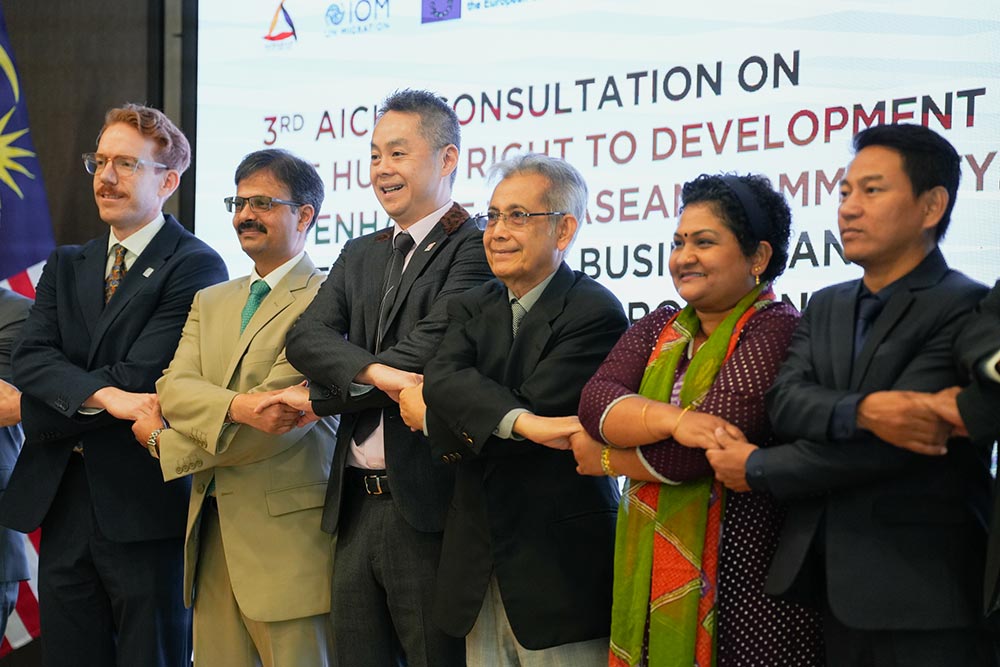
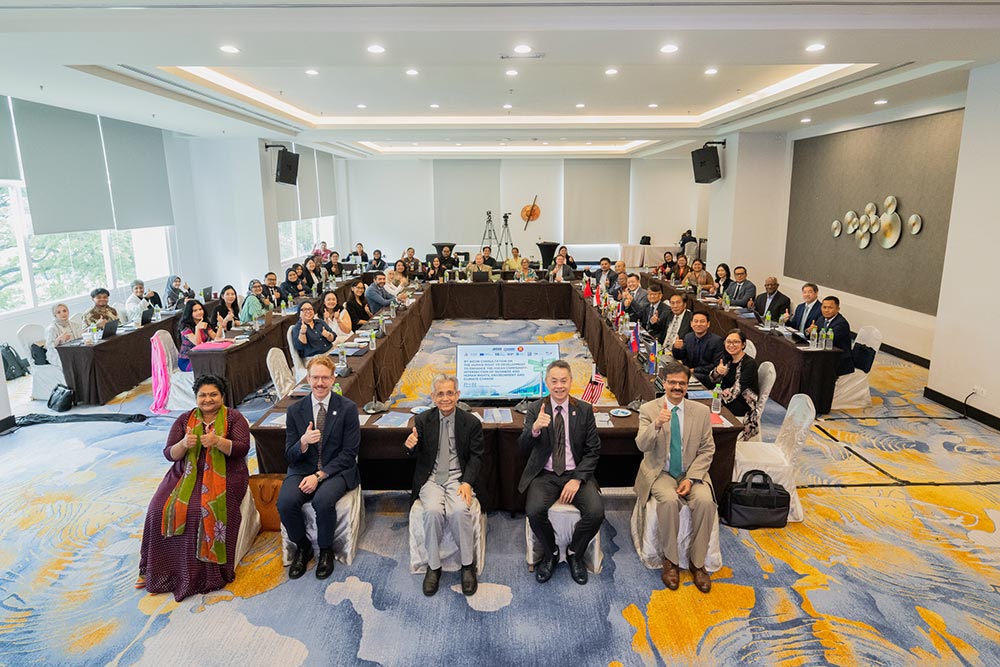
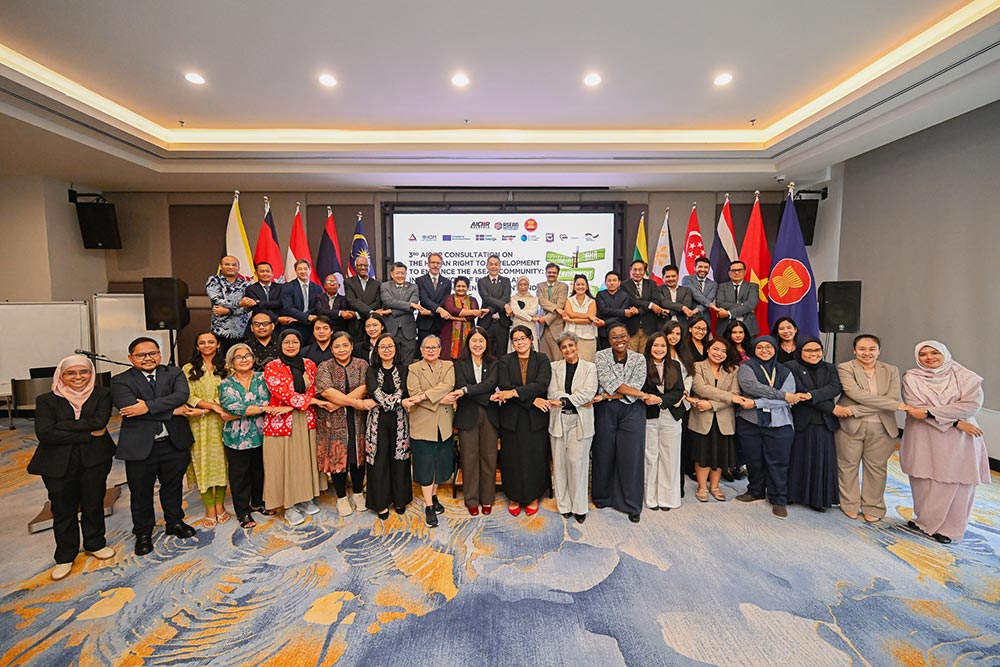
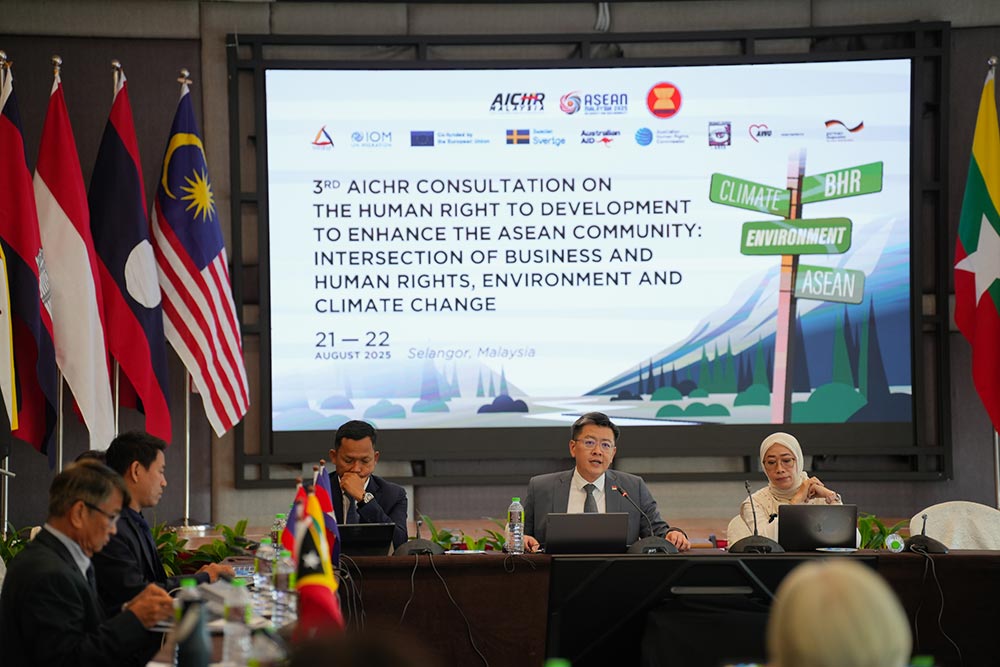
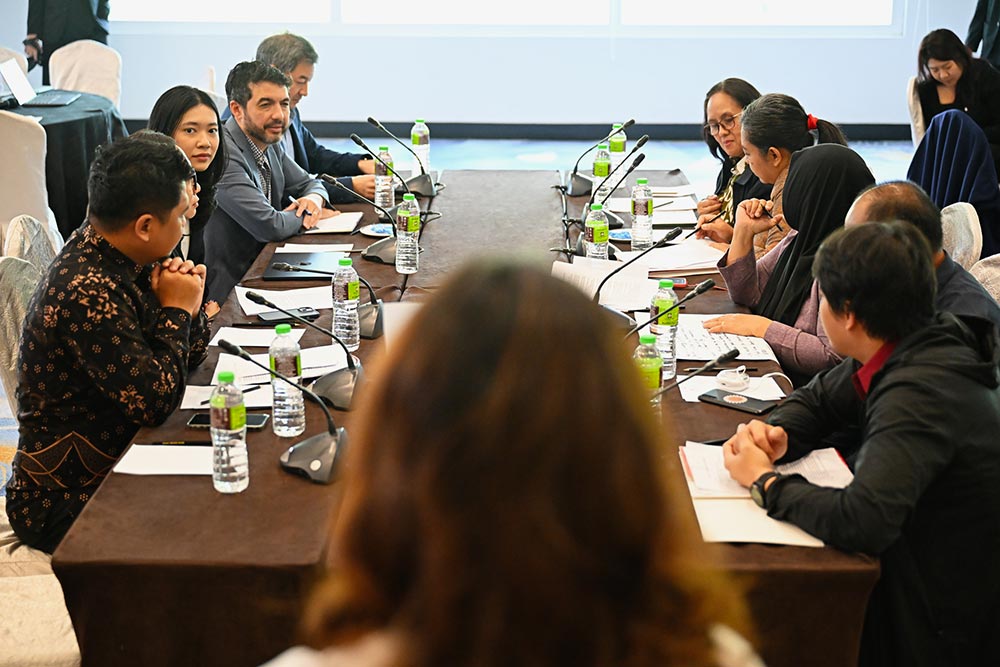
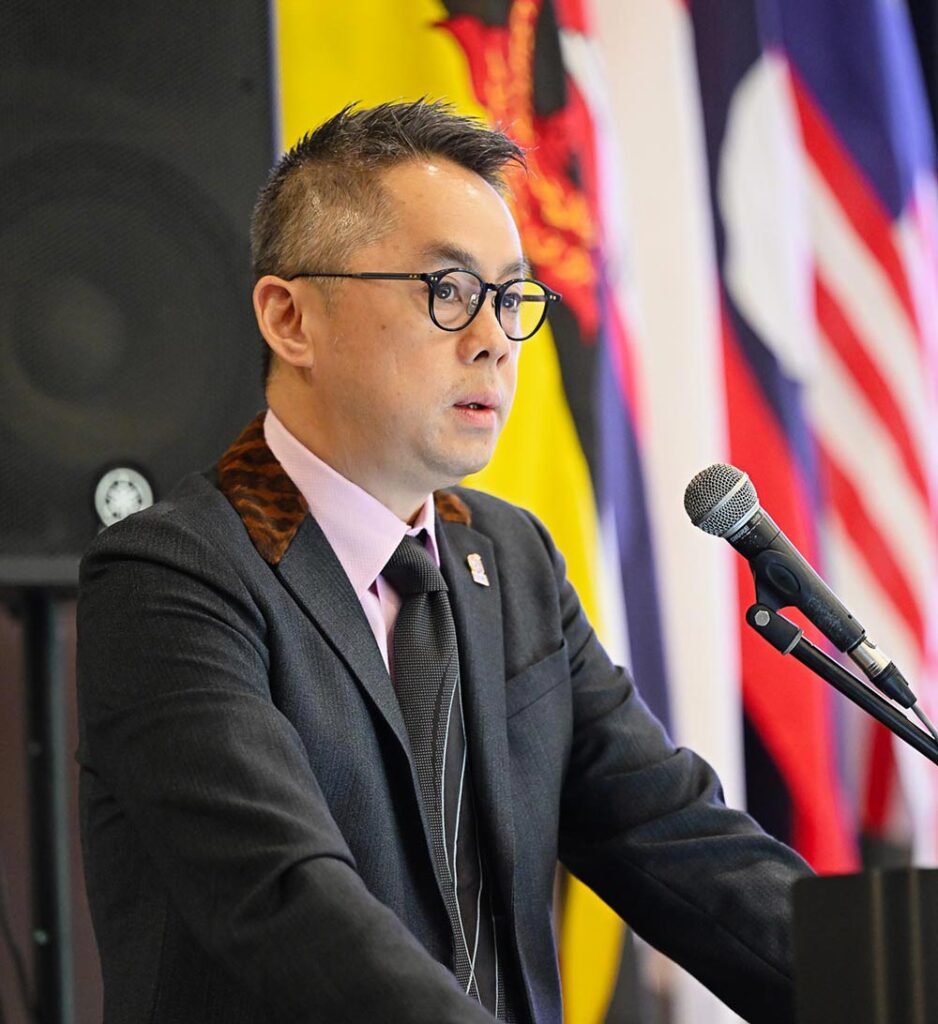
These welcome remarks were delivered on 21 August 2025 at the 3rd AICHR Consultation on the Human Right to Development to Enhance the ASEAN Community: Intersection of Business and Human Rights, Environment and Climate Change held on 21 and 22 August 2025 in Kuala Lumpur, Malaysia. Read about the consultation here, and the summary report for the consultation here.