
Excellencies,
At the outset, I congratulate the Philippines and His Excellency Severo Catura on assuming the leadership of ASEAN and AICHR. Malaysia will continue to support the Philippines in its efforts and initiatives this year. I also express appreciation for the warm hospitality extended to my delegation at this meeting.
I further congratulate Indonesia and Ambassador Sidharto Reza Suryodipuro, Permanent Representative of Indonesia to the United Nations Office and other international organisations in Geneva, on his election as President of the United Nations Human Rights Council. Malaysia looks forward to opportunities for AICHR to engage with Ambassador Sidharto and the Human Rights Council this year.
I respectfully urge Indonesia, together with Thailand and Viet Nam, to continue pushing the envelope at the Council, particularly in amplifying the voices of the Global South, or Global Majority, towards a more balanced and inclusive international system, rather than one led predominantly by the Global North.
I warmly welcome Her Excellency Maria Helena Pires, the new Representative of Timor-Leste to AICHR, and look forward to Timor-Leste’s active participation and contribution to the Commission. Malaysia will continue to actively work with Timor-Leste on all areas of human rights and support the country’s efforts in this regard.
Malaysia remains steadfast in its efforts to promote and protect human rights, and I wish to highlight two recent domestic developments.
First, on 6 February 2026, the Federal Court of Malaysia, the highest court in the country, delivered its judgment in the case involving Heidy Quah Gaik Li, clarifying the constitutional interpretation of section 233(1)(a) of the Communications and Multimedia Act 1998. Quah, the founder of a non-governmental organisation, Refuge for the Refugees, was charged for a Facebook post last year on the alleged mistreatment of refugees at immigration detention centres. She sought a court order that the words “offensive” and “annoy” in section 233(1)(a) be declared unconstitutional for violating the right to freedom of speech and expression under Article 10(1)(a) of the Federal Constitution. She argued that the impugned words criminalising purportedly offensive content are not permitted restrictions on the right.
The Federal Court held that Article 10(1)(a) protects political discourse, critique, and expression aimed at democratic dialogue and the dissemination of information, and that the impugned communication fell within constitutionally protected expression. The Court upheld the constitutionality of the words “offensive” and “annoy”, while emphasising that the provision must be read narrowly. Discontent or anger arising from the expression of political views does not constitute harm, and therefore, there was no basis for the Government to prosecute Quah on the grounds that her post was offensive and communicated with the intent to annoy. This judgment is an important development in safeguarding freedom of speech and expression within Malaysia’s constitutional framework.
Second, Malaysia continues to pursue structural reforms to strengthen the rule of law, democracy, accountability, and institutional independence. Some of these measures include separating the roles of Attorney General and the Public Prosecutor, in order to reinforce prosecutorial independence and reduce potential conflicts of interest; establishing an independent Malaysian Ombudsman; amending the Federal Constitution to limit the Prime Minister’s tenure; and proposing a new freedom of information law, which would enable the public to request access to most government information, subject to limited exemptions.
Turning to developments beyond our borders, Malaysia remains deeply concerned by the humanitarian crises unfolding within and beyond our region, including in Cambodia, Myanmar, Thailand, Gaza, and Ukraine, among others. The protection of human rights cannot be separated from the preservation of peace, both in its negative and positive forms. It is imperative to ensure the cessation of hostilities, unimpeded humanitarian access, accountability for violations of international law, and the protection of civilians. While the situations remain fragile, political and diplomatic avenues must be used effectively to prevent further loss of life. Preventive diplomacy, inclusive dialogue among affected communities, humanitarian access, and human rights needs assessments remain indispensable. In this regard, there is also a need to establish early warning, grievance, and referral mechanisms, with a focus on the rights of survivors and victims, particularly those who are vulnerable and marginalised.
We are living through a period of shifting geopolitical dynamics. Tensions within and beyond our region, economic fragmentation, climate vulnerability, and widening inequality are all challenging inclusive and sustainable development.
Divergences between Global North and Global South perspectives, as well as disparities within the Global South itself, require careful reflection. Development must move beyond economic metrics alone and integrate political inclusion, social protection, environmental sustainability, cultural preservation, and institutional accountability.
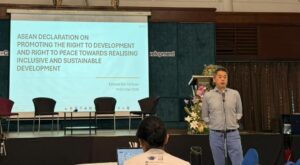
As articulated in Articles 35, 36, and 37 of the ASEAN Human Rights Declaration (AHRD), as well as the ASEAN Declaration on Promoting the Right to Development and the Right to Peace Towards Realising Inclusive and Sustainable Development (ASEAN Declaration), the right to development is a human right with both individual and collective dimensions. It comprises the elements of participation, contribution, and equitable enjoyment; encompasses economic, social, cultural, and political development; and rests on the principles of self-determination, intersectionality, intergenerational equity, fair distribution, and international cooperation. The ASEAN Declaration adds value to ASEAN’s human rights framework by complementing the right to development with other rights in the AHRD, including the right to peace and the right to a safe, clean, healthy, and sustainable environment. Together, these norms reinforce an ASEAN-led and ASEAN-owned approach, strengthen national and regional policymaking, advance non-discrimination and meaningful participation, and encourage ASEAN Member States and non-state actors alike to remove barriers proactively and promote responsible business conduct.
At the same time, development discourse continues to place disproportionate emphasis on economic growth, resulting from an unshakeable and largely theoretical view that productivity gains, in and of themselves, may lead to “secondary” social, cultural, and political advancement. Experience has shown otherwise. Wealth inequalities have continued to increase, stemming from significant inequality in growth rates between the top and bottom segments, while other dimensions of development have not advanced at corresponding rates. In fact, the COVID-19 pandemic marked the steepest increase in the world’s billionaires’ share of wealth on record. This dominant view, therefore, requires careful reconsideration if all facets of the right to development are to be realised equally and meaningfully, in a manner that reflects the interdependence and interrelatedness of all human rights.
In this context, I wish to highlight several areas for reflection.
First, delinking the Global South’s development strategy from Global North growth pathways. ASEAN remains subject to, and continues to operate on, methods and tools of development shaped by an existing global order rooted in capital expansion, despite our very different historical and structural context, including our place within colonial supply routes and economic systems that have long enriched already wealthy countries. A holistic understanding of development for ASEAN, grounded in the right to development and the right to peace, therefore requires a decolonial lens and a willingness to reimagine development strategies beyond extractive global models. Delinking means enabling self-directed, ASEAN-owned development rather than reproducing pathways designed elsewhere.
Second, recognising that destabilisation concentrates wealth and limits the distribution of development gains. Peace and security are prerequisites for multidimensional development. Yet conflict and other forms of violence, often facilitated by corruption and clientelism, can create financial stakes and vested interests that perpetuate systemic misgovernance. The preservation of such conditions undermines positive peace by exacerbating inequality, discrimination, and exclusion, all of which run counter to inclusive and sustainable development.
Third, addressing intersectionality as a core strategy. As the ASEAN Declaration refers to those in vulnerable situations, ASEAN needs to capture the realities of those who face multiple and intersecting forms of discrimination. Without an intersectional approach, regional and national policies may fail to accurately identify risks, leave some groups behind, and even create new vulnerabilities by neglecting unmet basic needs. For example, in pursuing a just transition from fossil fuel-based systems to low-carbon economies, women continue to be left behind. Despite ASEAN’s efforts to promote a more inclusive sustainable industry, women still make up only 8% of the region’s energy workforce. These challenges are even more acute for ethnic, rural, Indigenous, and local women, who face heightened risks relating to food insecurity, safety, livelihood, culture, and health, while also encountering barriers to education, skills development, and leadership opportunities. Limited access to qualified education and skills prevents them from entering the formal sector, especially leadership roles that grant them spaces for decision-making and self-determination in the energy transition, despite climate impacts that disproportionately affect them.
Ensuring the right to development, therefore, requires targeted responses and resource mobilisation for women, girls, youth, older persons, informal workers, minorities, Indigenous Peoples, persons with disabilities, migrant populations, undocumented and stateless communities, persons living with HIV, persons living in poverty, unhoused persons, and others. The strategy enabling intersectionality should therefore begin with a wider understanding of patterns of risks faced by people who have limited access to basic services and are often invisibilised by systemic discrimination.
Fourth, acknowledging other forms of destabilisation and their effects on development. Destabilisation is not limited to armed conflict or mass violence. Systemic violence also takes the form of corruption, environmental breakdown, and domestic violence. Corruption can lower the costs and increase the rewards of violence by enabling control over key political and economic levers. Environmental breakdown may also be understood as environmental violence, given its widespread, urgent, and long-term consequences for communities facing climate, biodiversity, and environmental crises. Human-produced and state-sanctioned environmental harms cannot be met with delayed responses, especially given the pace of ecological disruption. A gender lens is equally necessary. The economic costs of domestic violence are profound, especially in times of crisis, as seen during the COVID-19 pandemic, when the “shadow pandemic” of violence against women and girls intensified. These patterns foreshadow the kinds of human rights abuses that can emerge under conditions of destabilisation.
Fifth, narrowing development gaps by subduing corporate capture. Article 8 of the ASEAN Declaration highlights the role of the private sector in advancing inclusive growth and sustainable development through responsible business conduct. However, greater attention must be paid to corporate capture within the region. State-owned enterprises and other powerful commercial actors can shape development trajectories in ways that undermine inclusivity, fairness, transparency, and sustainability. Greater analysis is needed on economic concentration, including the role of state-owned enterprises in Southeast Asia’s economic landscape. Enforcement of competition law and regulation of transnational commercial practices may also require more differentiated bilateral or regional approaches, especially where harms and rights violations arise from corporate operations. ASEAN Member States can work together to harmonise good practices, including human rights due diligence, and build a community of practice that advances shared accountability, particularly in relation to environmental harms.
Sixth, protecting civil and political rights in a digital world. The backsliding of civil and political rights and the shrinking of civic space, including restrictions on assembly and peaceful protest, highlight the need for robust legal reform and stronger protections for civil liberties in ASEAN. Across the region, governments are using increasingly aggressive measures to silence dissent, while environmental and human rights defenders, activists, and journalists face strategic lawsuits against public participation (or SLAPP) and arbitrary detention. Efforts must be redoubled to enable rights-holders to engage duty-bearers legitimately and without fear, and to hold both governments and the private sector accountable. These concerns are intensified by digital technologies and artificial intelligence. The implementation of the right to development and peace must therefore address human rights harms arising from digital tools and platforms, including disinformation and harmful content, which often disproportionately affect women, young people, and children. Digital rights are an essential component of digital inclusion and literacy. Equitable access must not come at the expense of digital safety, especially for the region’s most vulnerable communities. This is an area where governments should focus greater attention and investment. I look forward to working with colleagues at AICHR to strengthen safeguards for human rights online and to identify pathways to institutionalise accountability mechanisms in digital spaces.
Seventh, advancing development and peace through access to justice and remedy.
The ASEAN Declaration provides an important entry point and pathway for ASEAN Member States and civil society to expand access to justice and remedy as key drivers of development under Article 5. AICHR can play an active role in promoting stronger accountability measures and grievance mechanisms, while providing regional guidance on pathways to justice that address barriers such as a lack of legal standing to bring cases to the courts, limited jurisdiction over right to development claims, and obstacles relating to information, cost, language, and location. At the domestic level, this may include adopting legislation that makes economic, social, cultural, and political rights justiciable; creating additional avenues for claiming those rights; enabling public interest litigation; improving transparency in legal precedent and case outcomes; providing both judicial and administrative remedies; strengthening institutional mechanisms for participation in development processes; adopting anti-SLAPP frameworks; regulating the private sector in line with the United Nations Guiding Principles on Business and Human Rights; strengthening the role of national human rights institutions in advocacy on the right to development; and mapping legal analysis to the Sustainable Development Goals to better illustrate links between rights and development outcomes. Consideration may also be given to establishing a new ASEAN expert group on the right to development.
All of this requires collective effort to forge a coherent ASEAN regional outlook on development, peace, justice, and human dignity.
Malaysia stands ready to work closely with ASEAN Member States and colleagues in AICHR to translate our shared commitments into concrete and meaningful outcomes, ensuring that our region continues to serve as a beacon of human rights, hope, and peace for all our peoples.
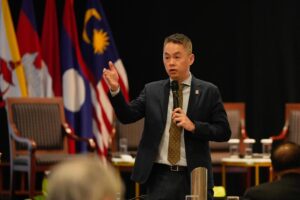
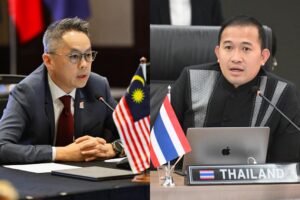
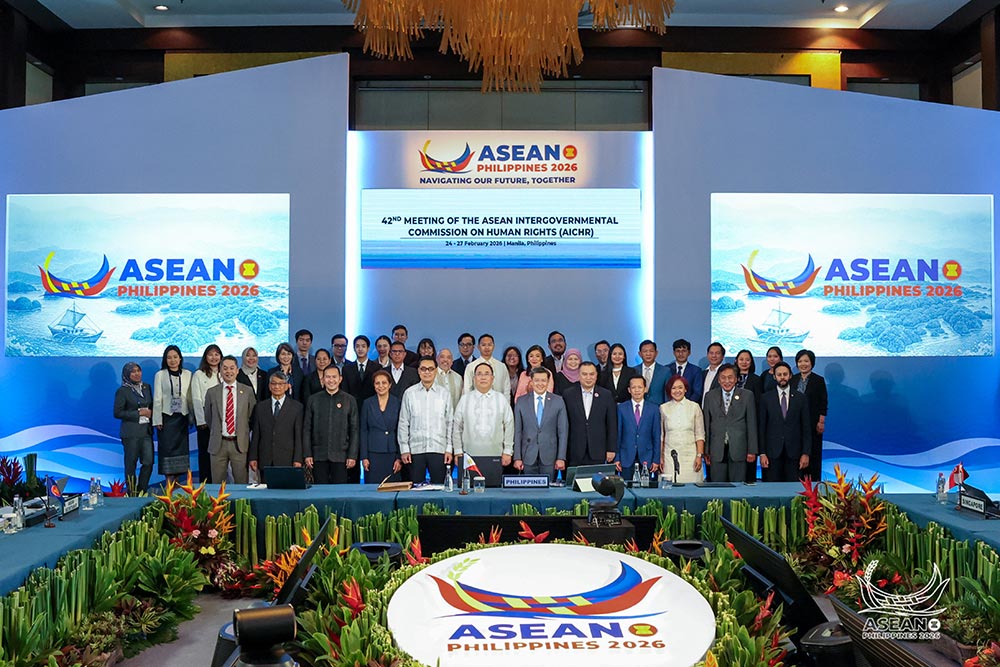
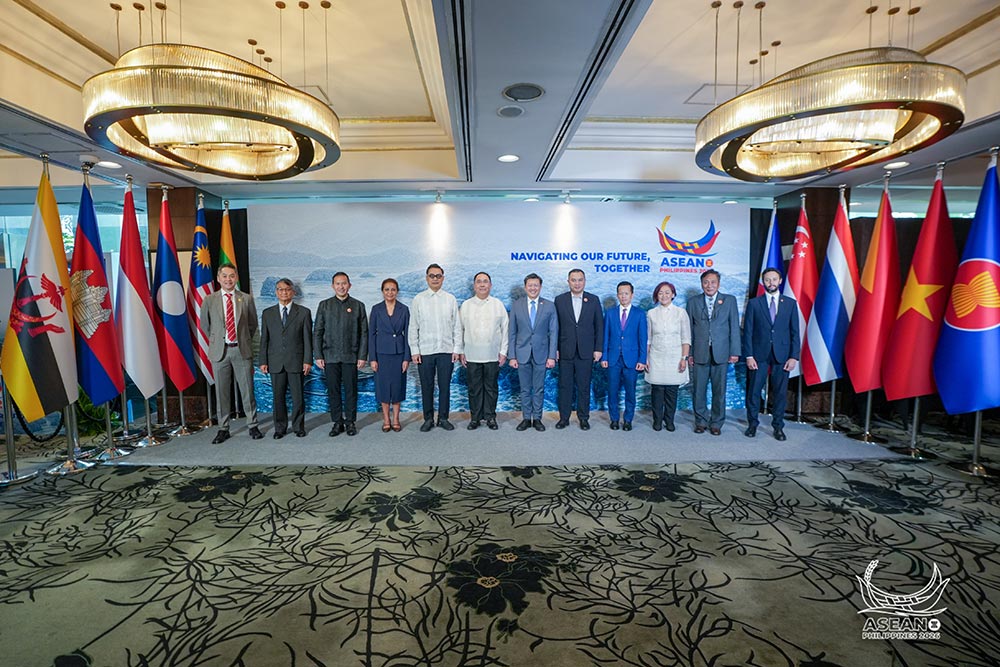
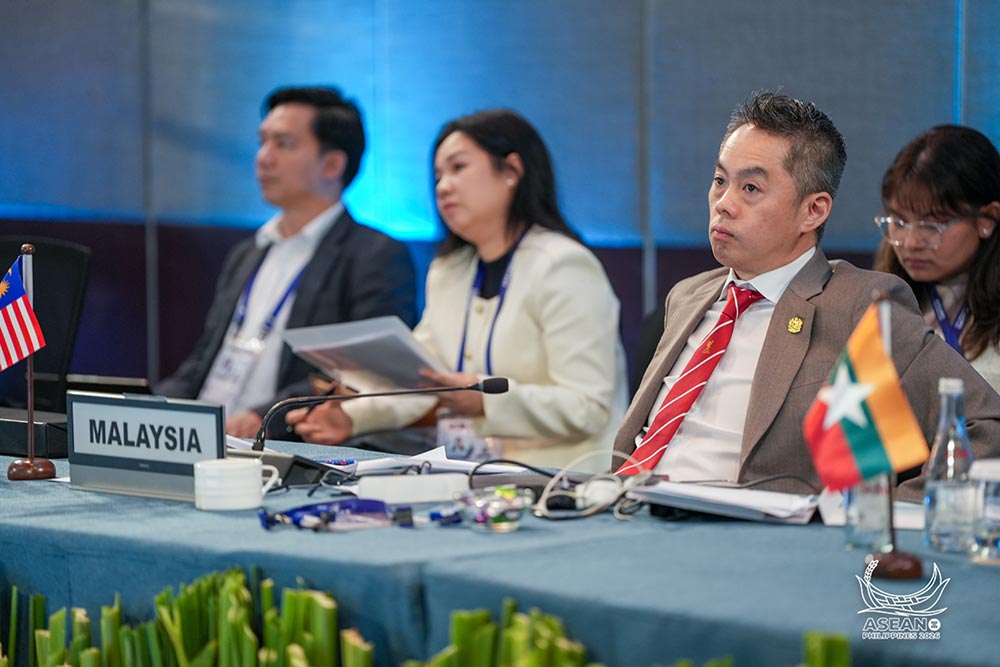
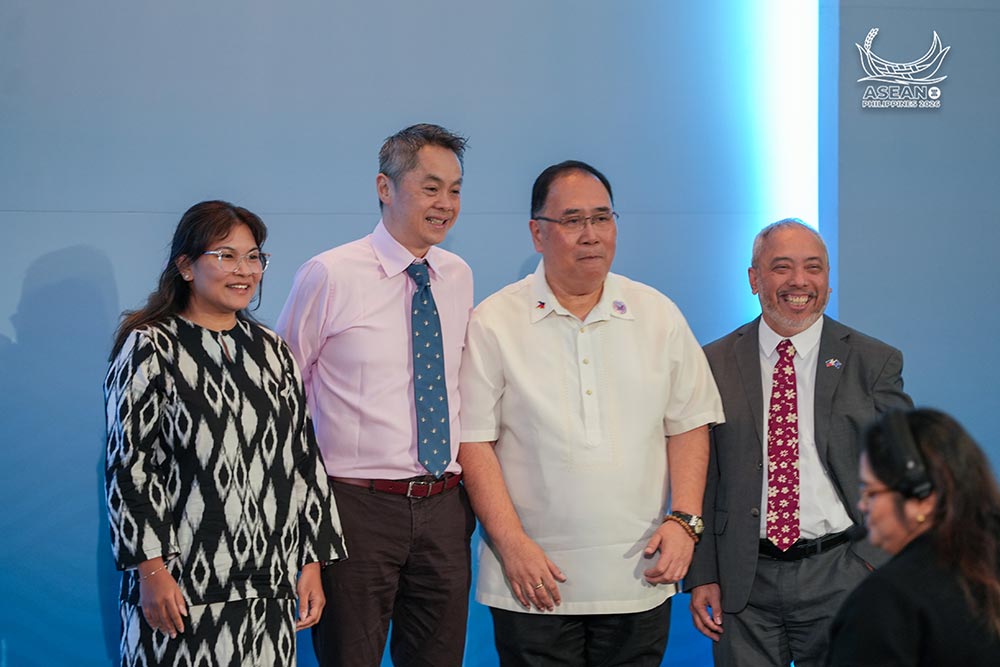
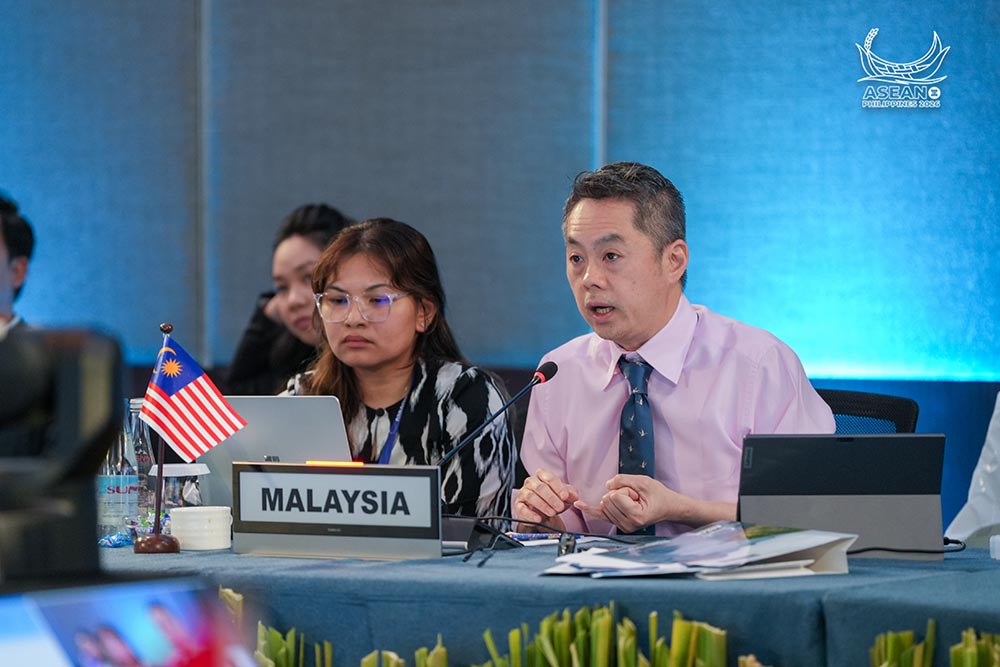
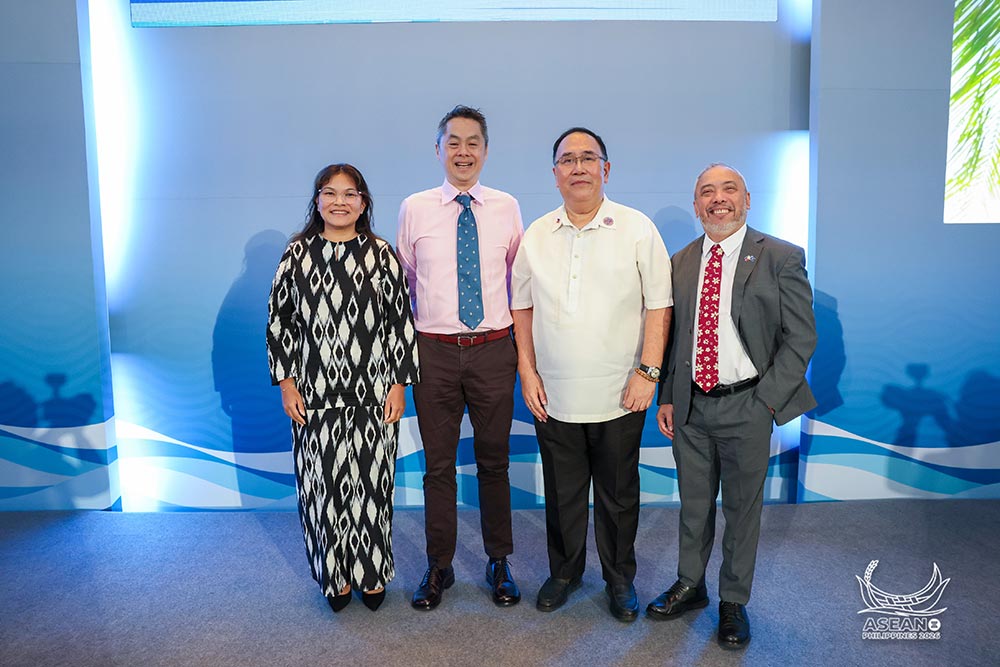
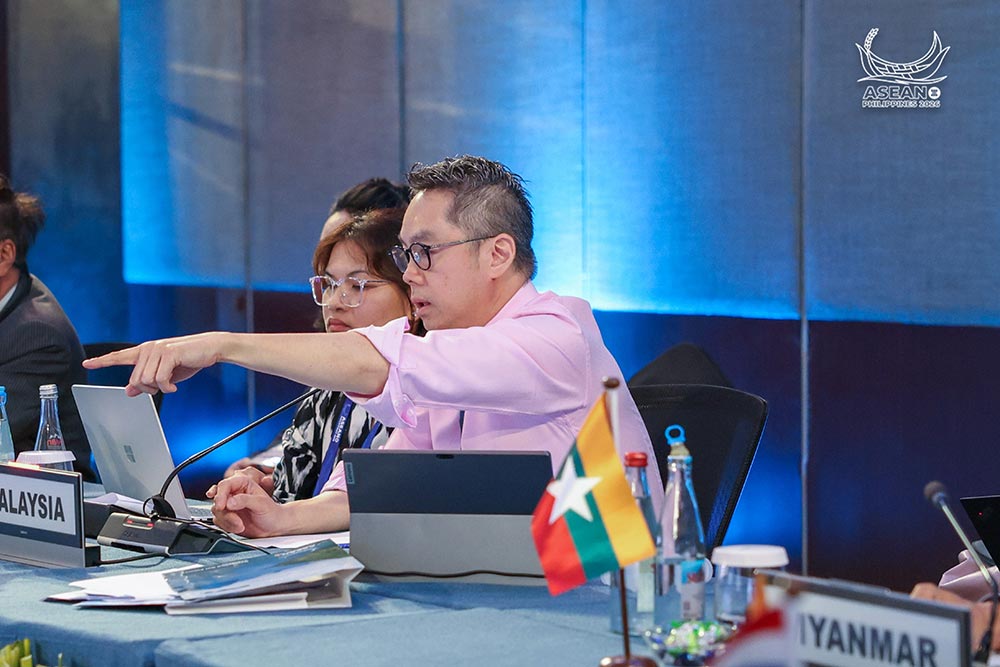
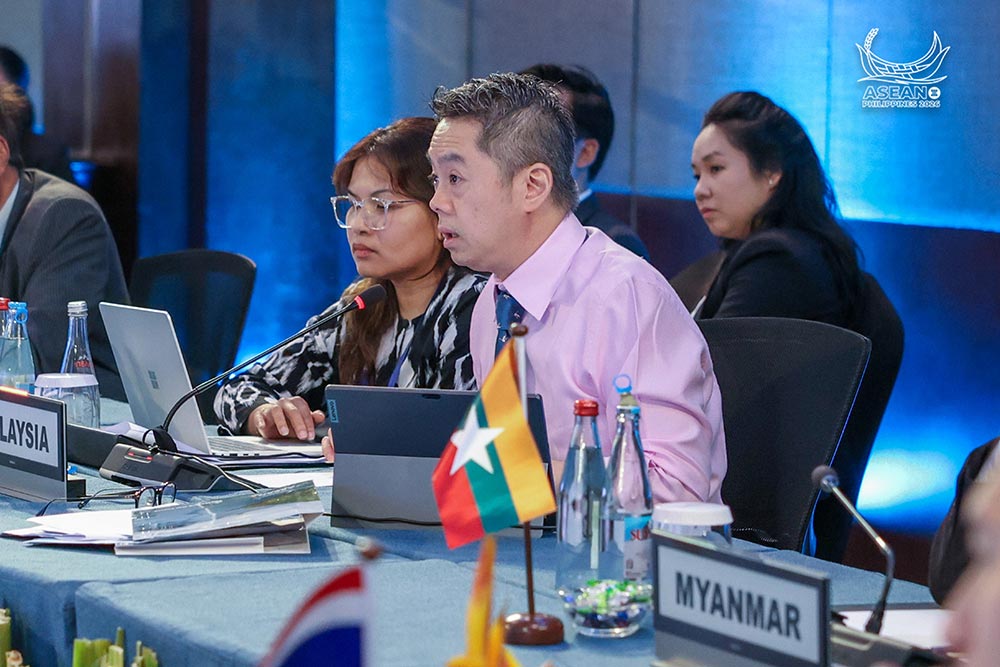
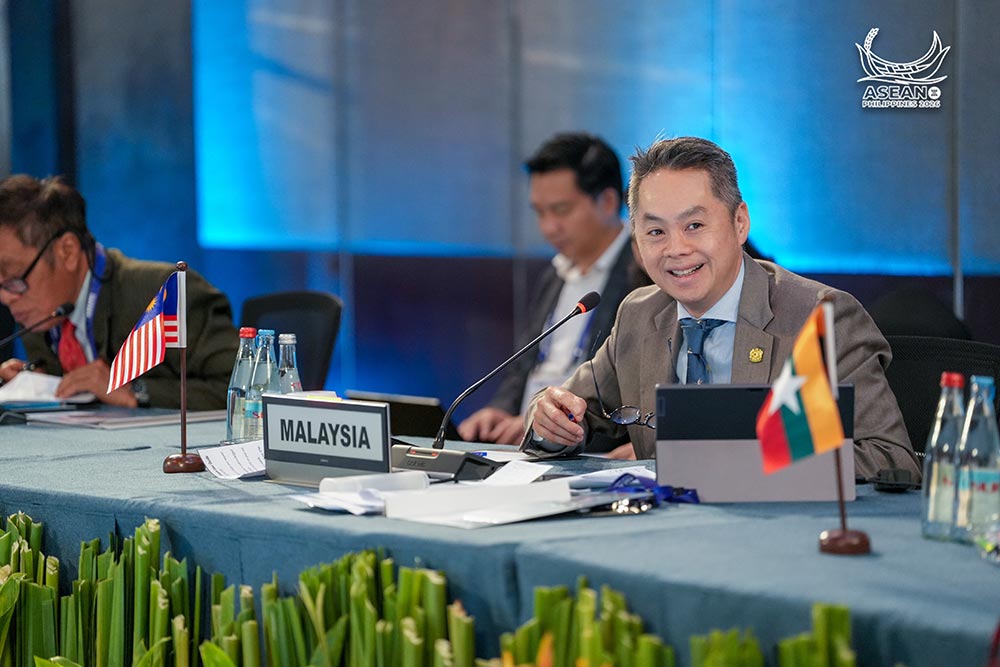
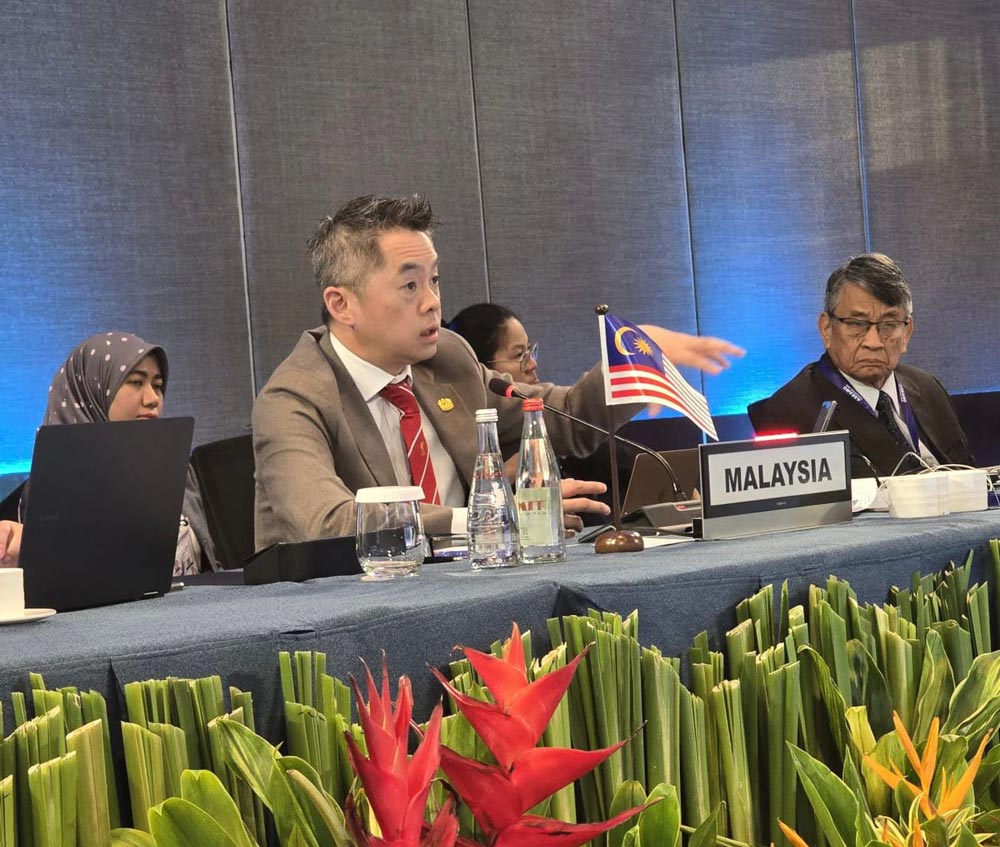
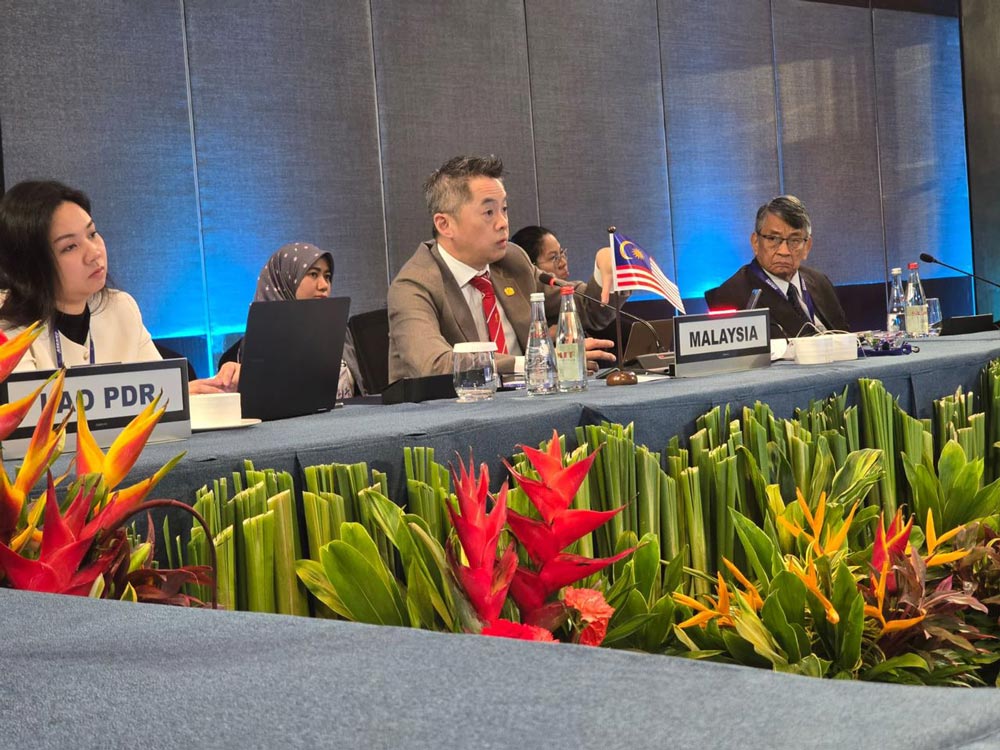
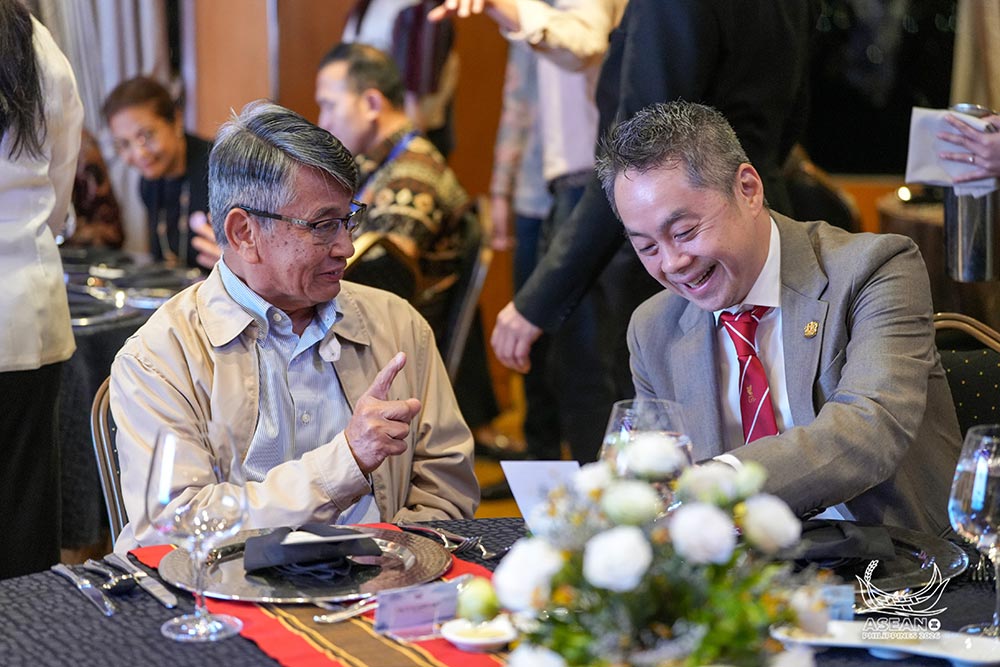
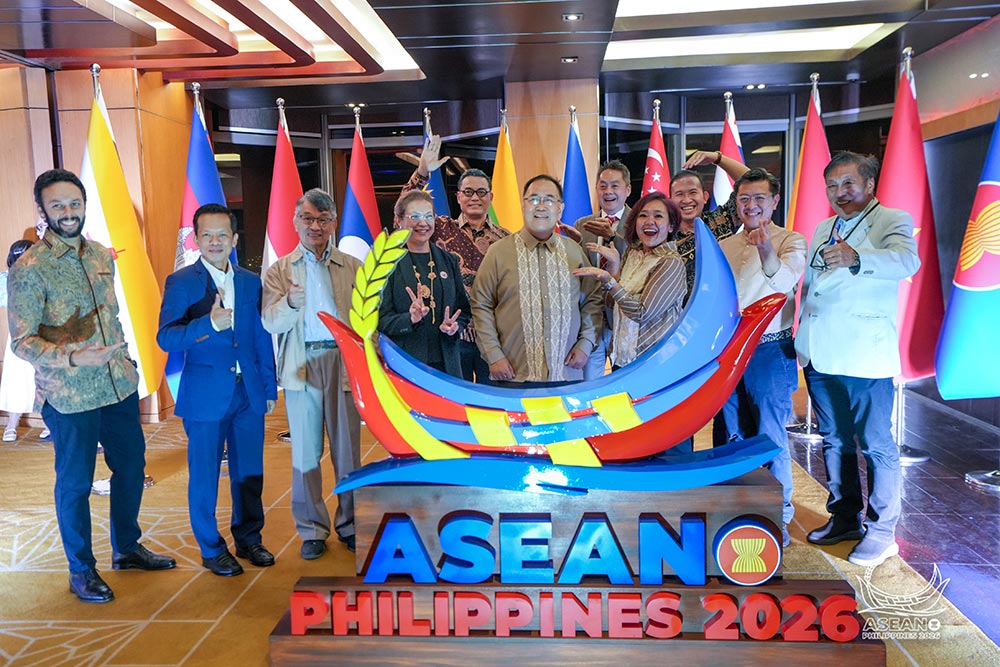
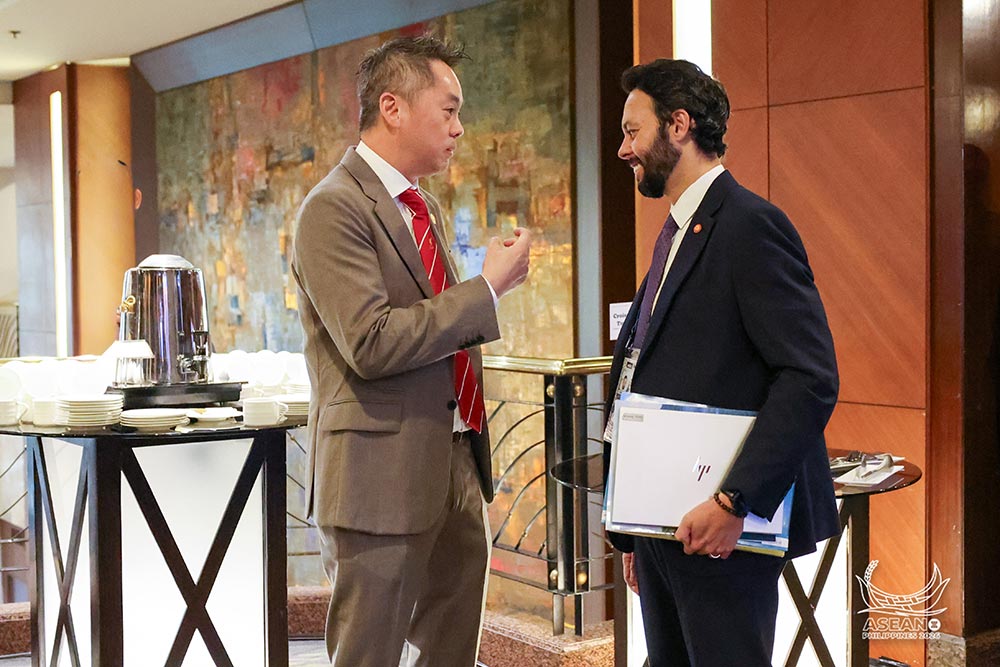
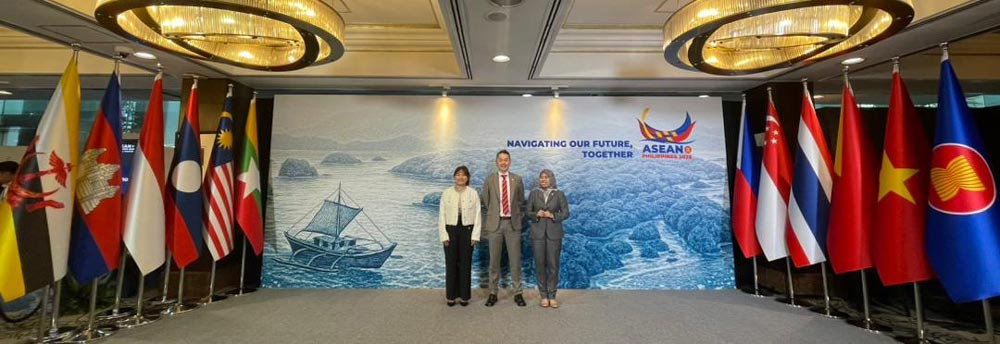
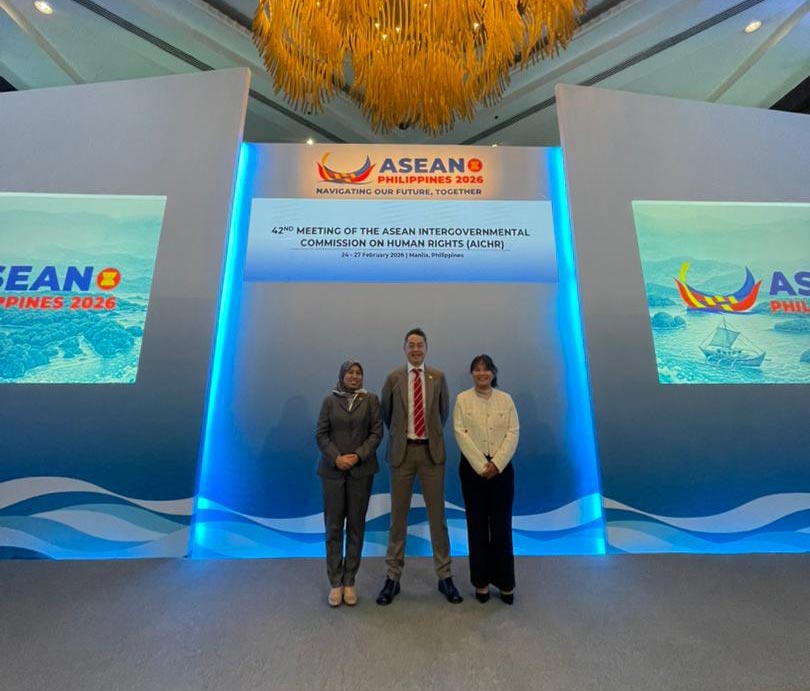
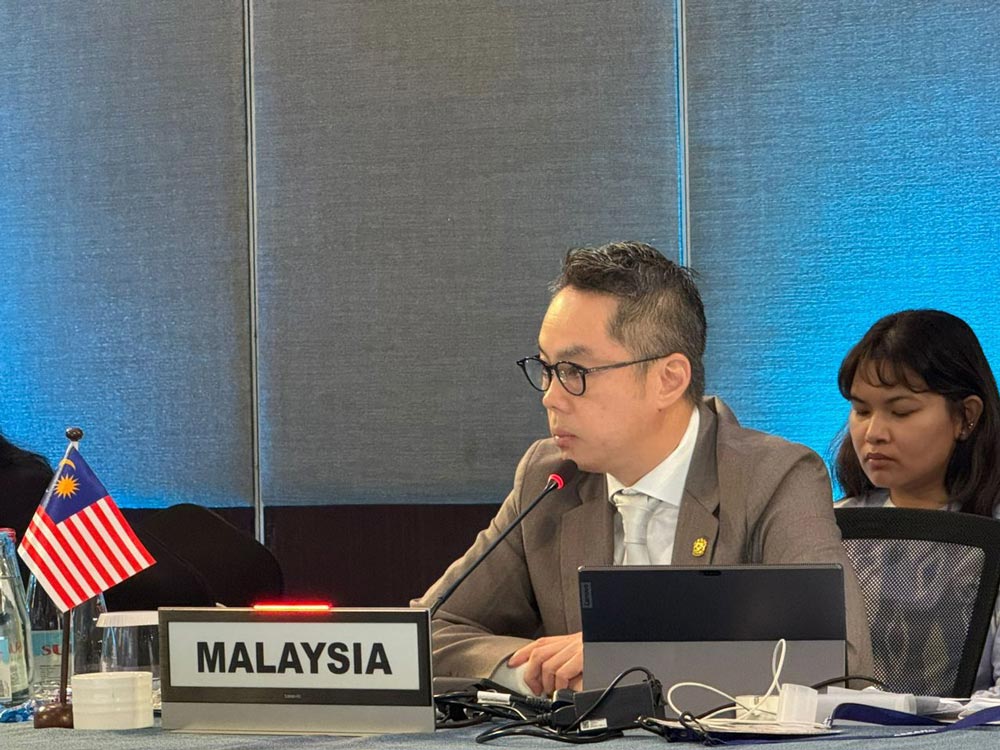
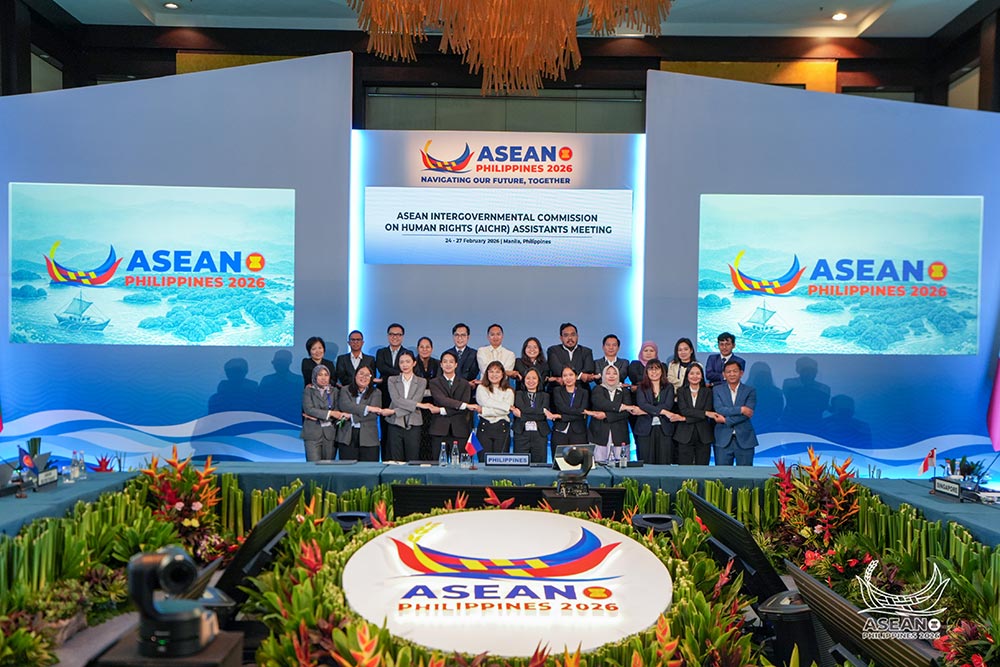
This statement was delivered to the ASEAN Intergovernmental Commission on Human Rights (AICHR) on Agenda Item No. 11.1 on Recent Developments in ASEAN on 26 February 2026, at the 42nd Meeting of AICHR held in Manila, Philippines, from 24 to 27 February 2026. The press release on the 42nd AICHR Meeting can be accessed here. Watch a short video on the Meeting here.