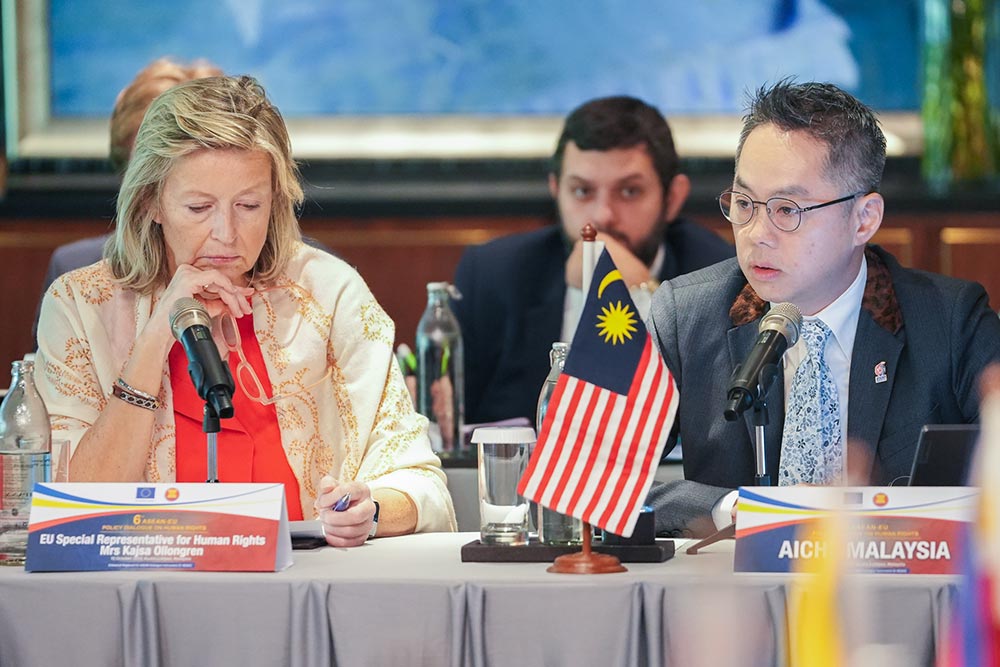

Her Excellency Kajsa Ollongren, European Union (EU) Special Representative for Human Rights,
Her Excellency Dato’ Astanah Abdul Aziz, Deputy Secretary-General of ASEAN for the ASEAN Political-Security Community,
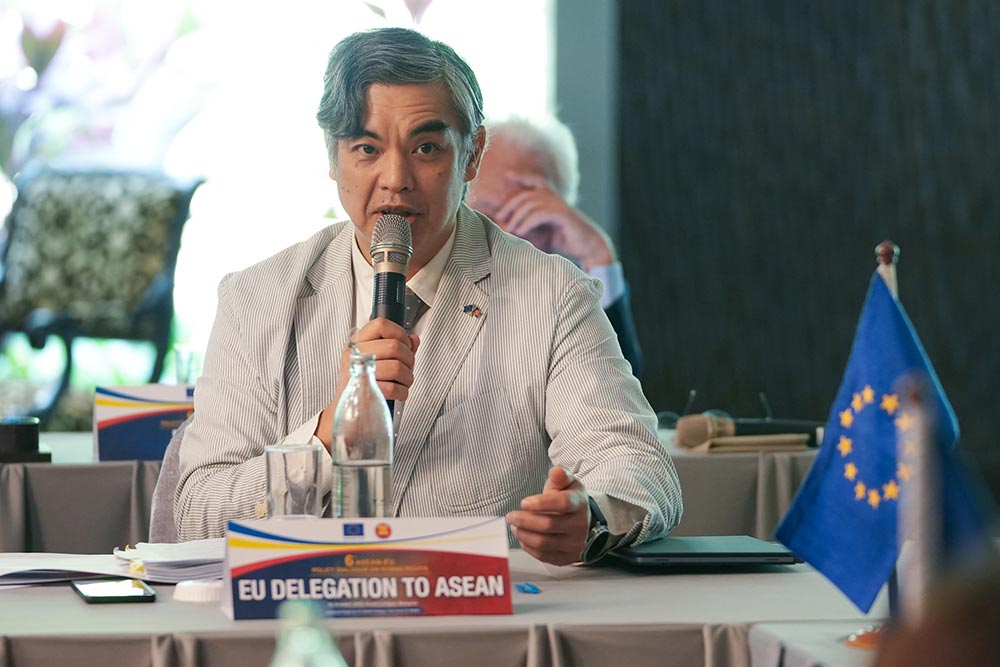
His Excellency Seam Sujiro, Ambassador of the EU to ASEAN,
Excellencies, my AICHR colleagues, Representatives, and Alternate Representatives,
Ladies and gentlemen,
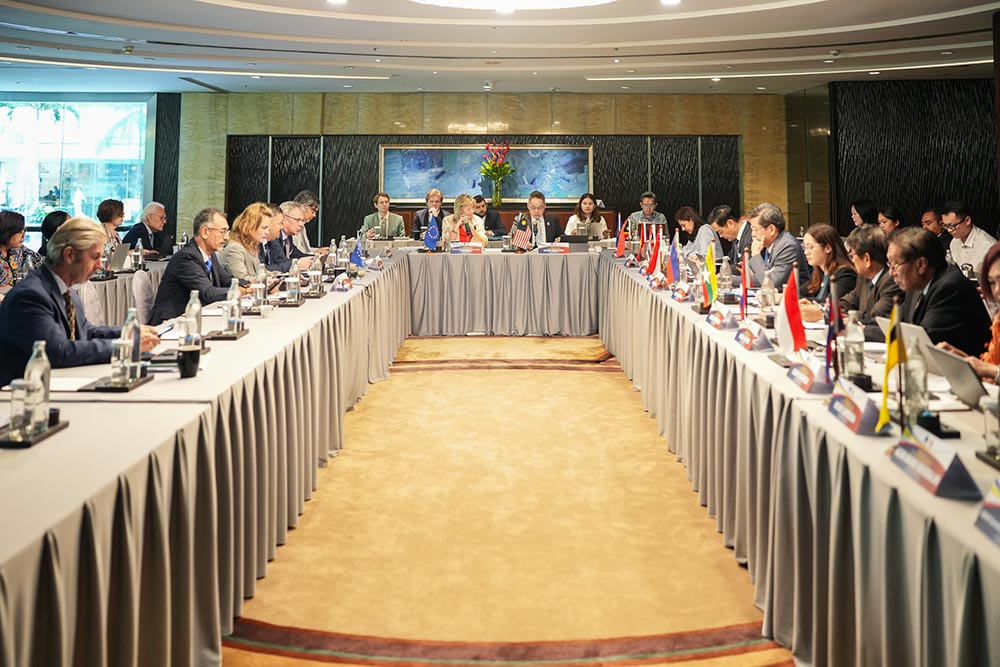
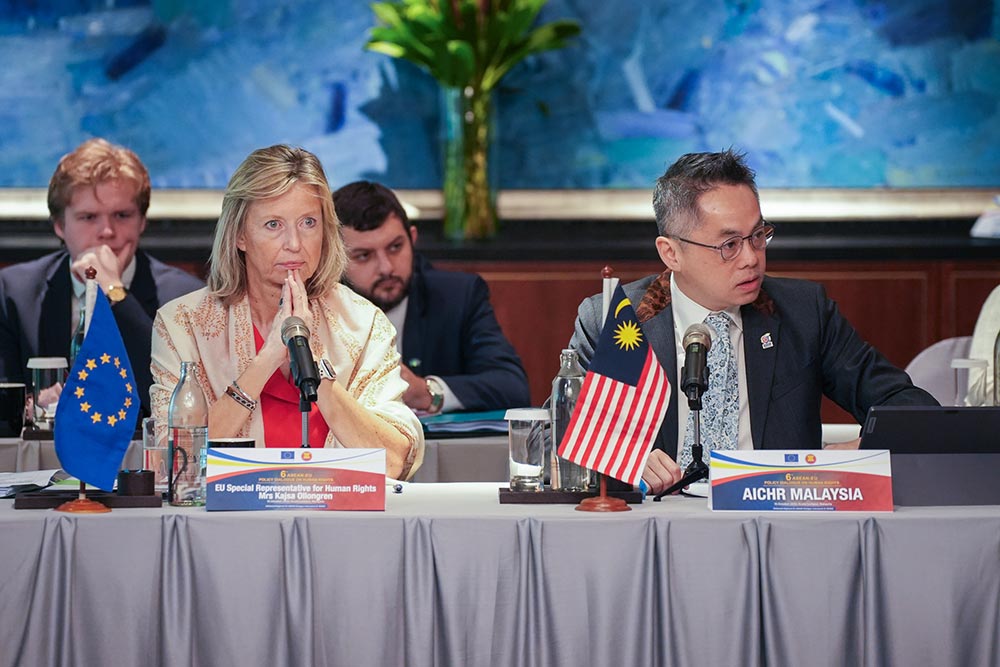
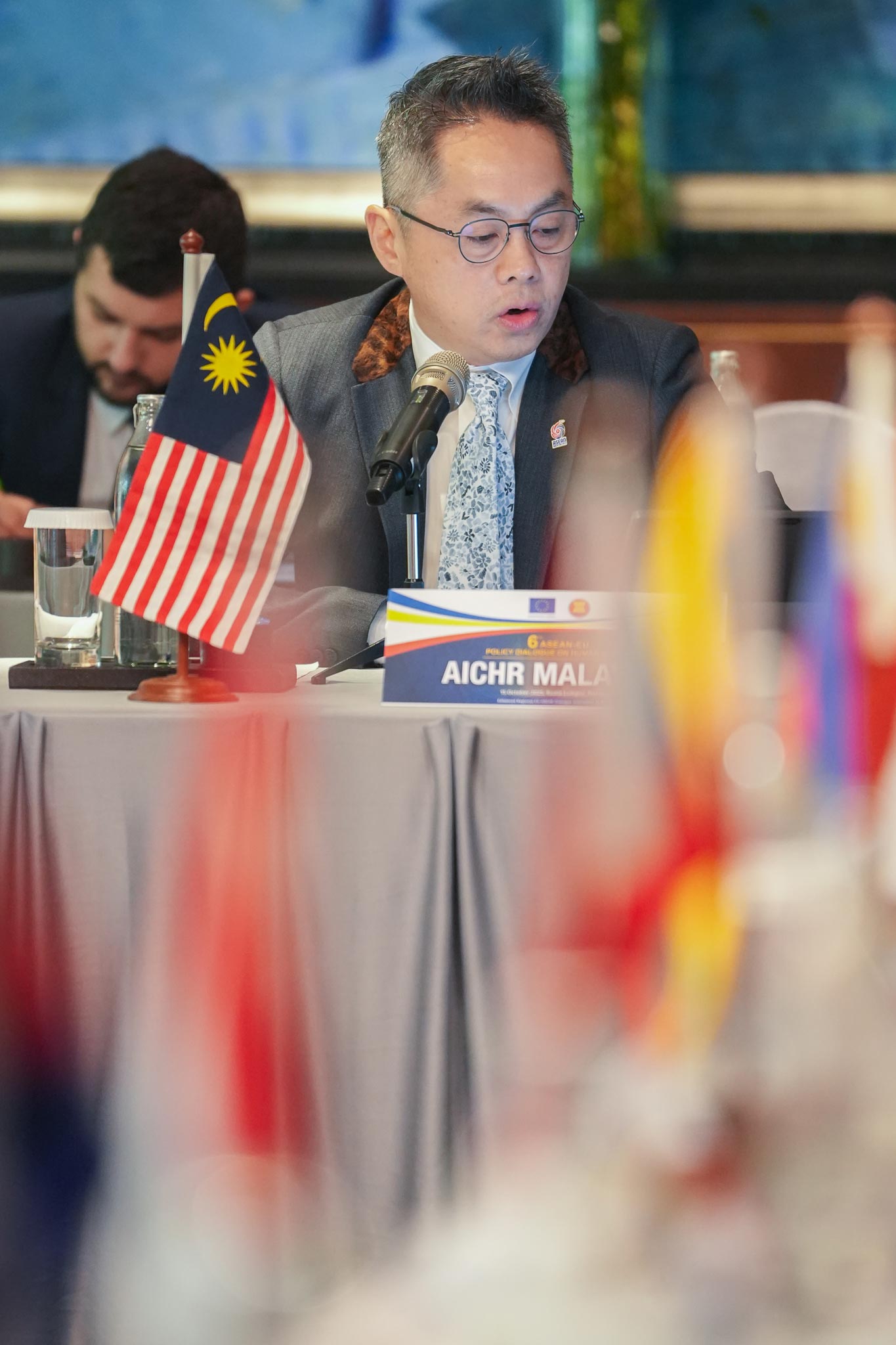
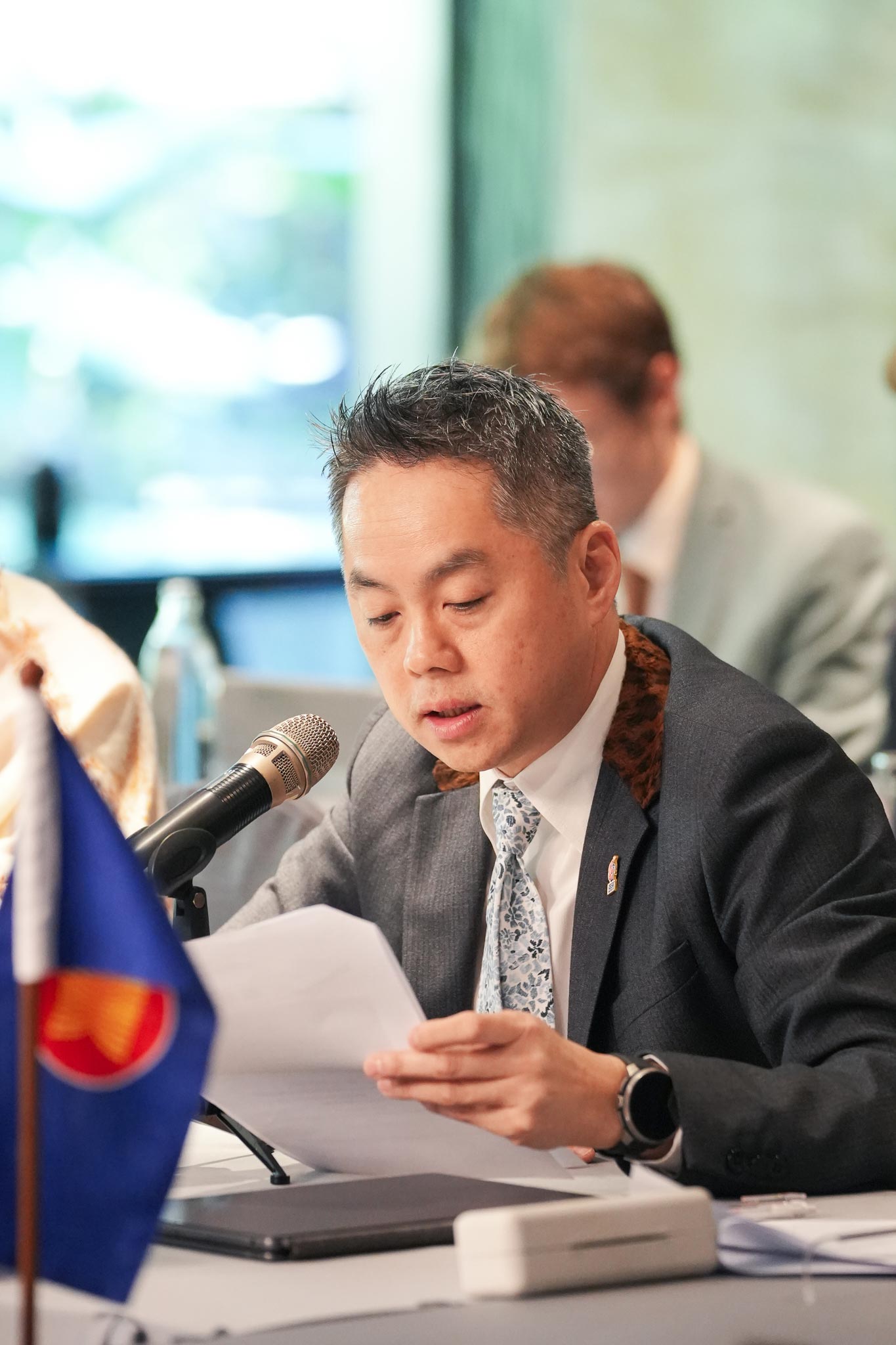
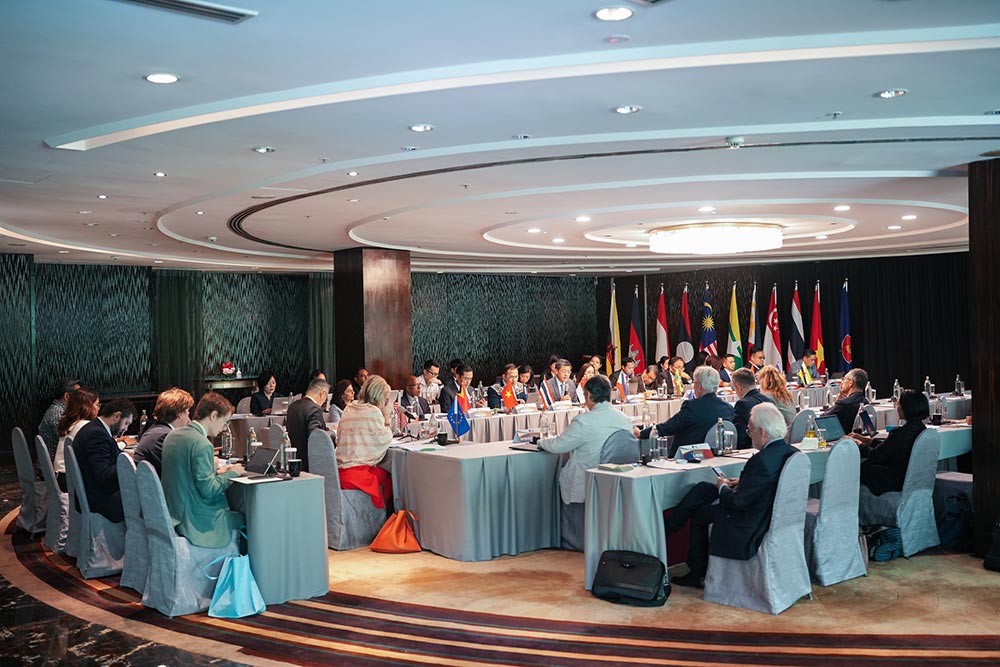
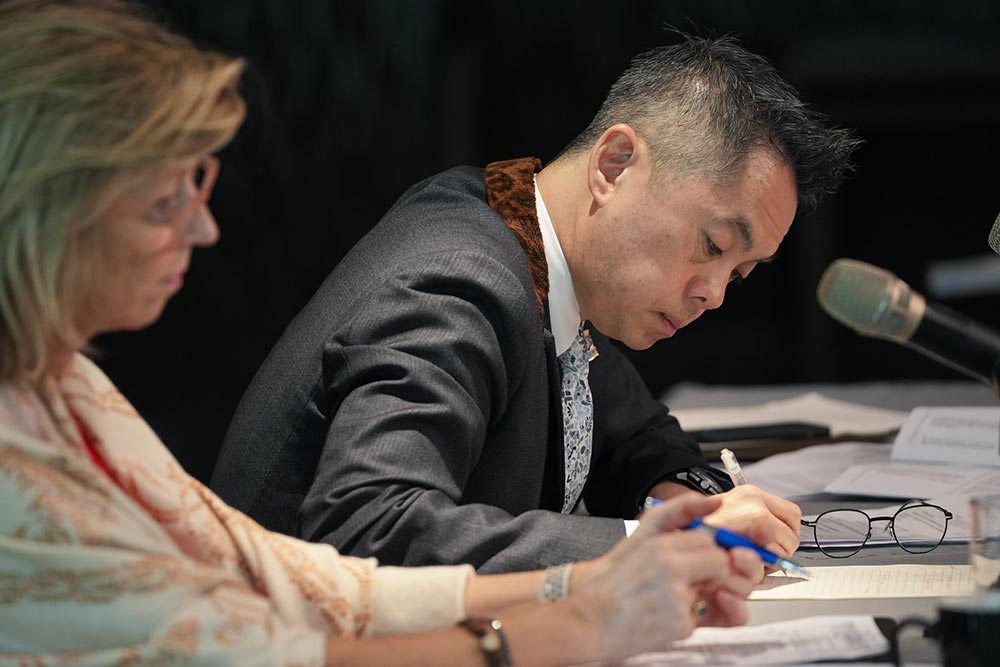
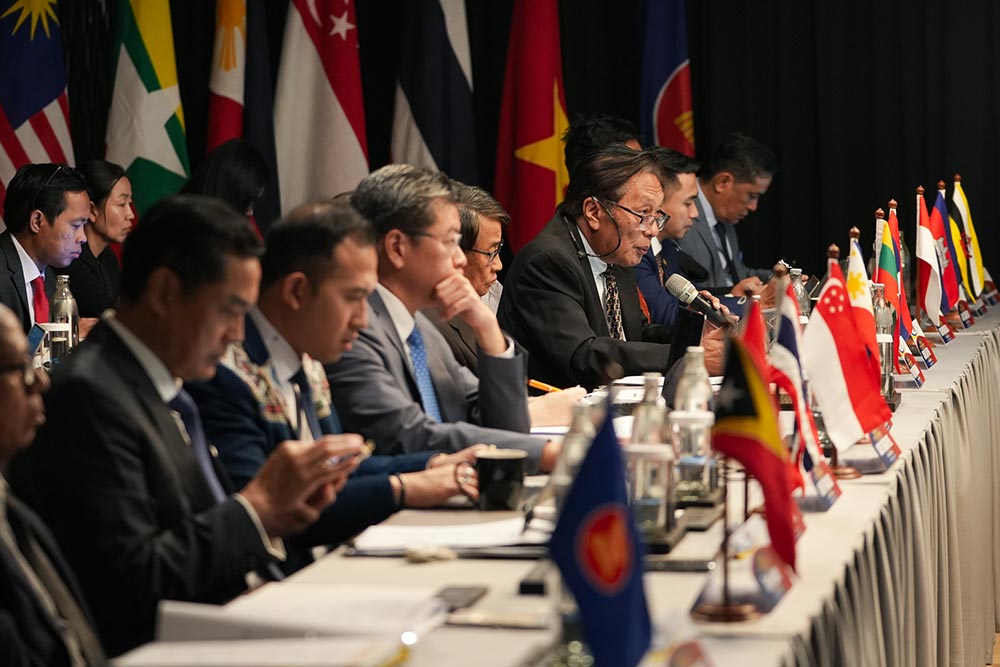
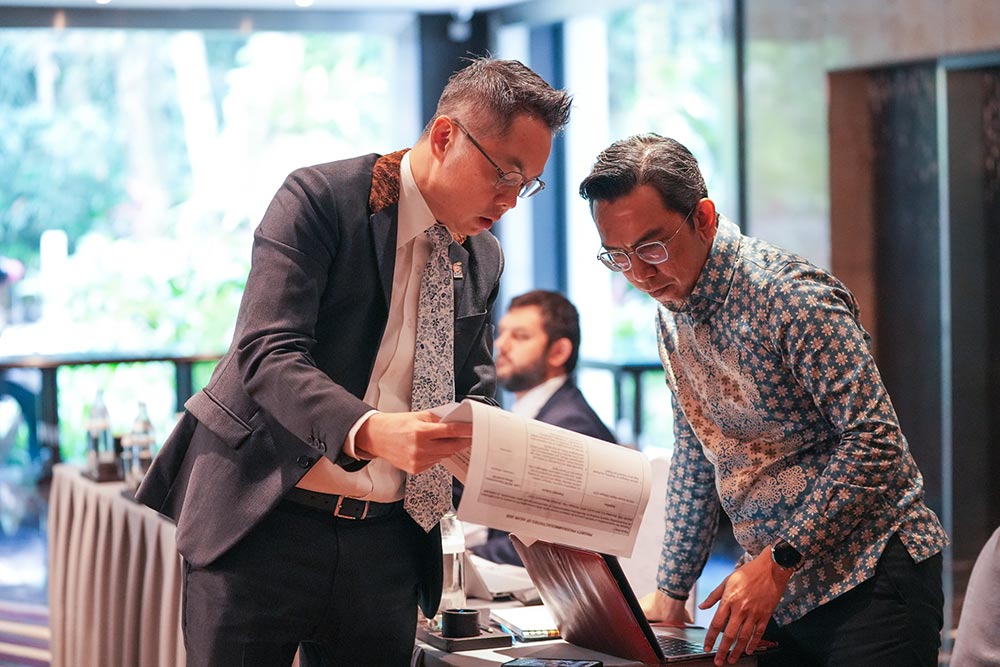
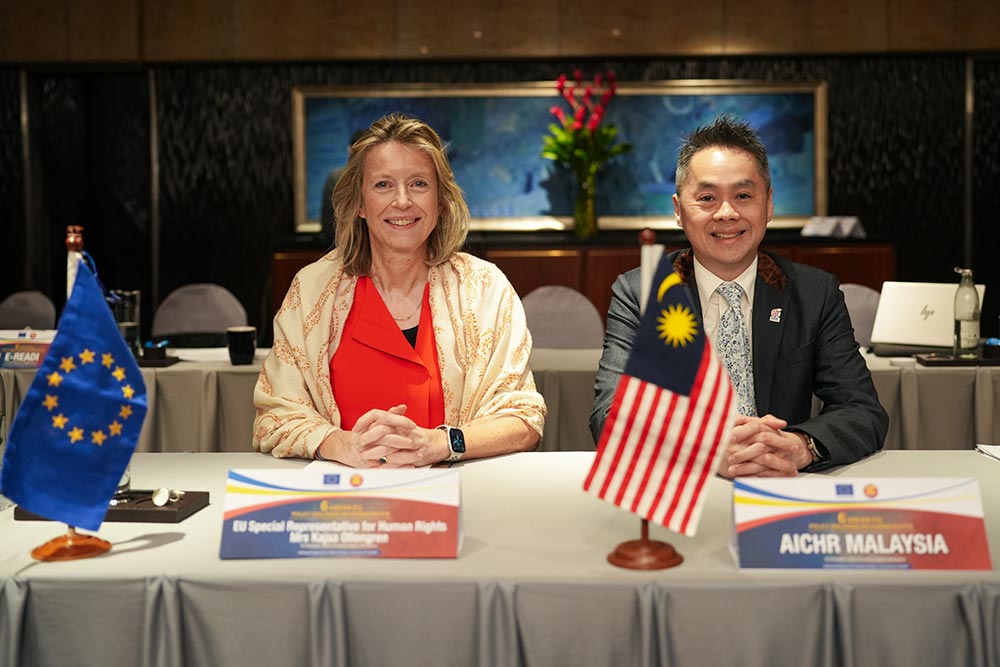
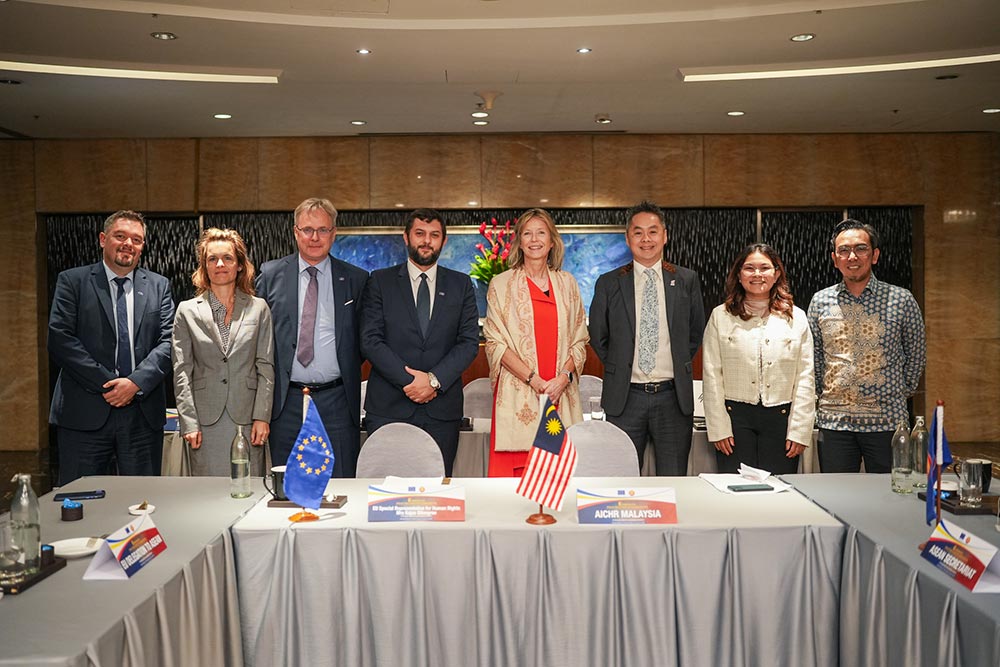
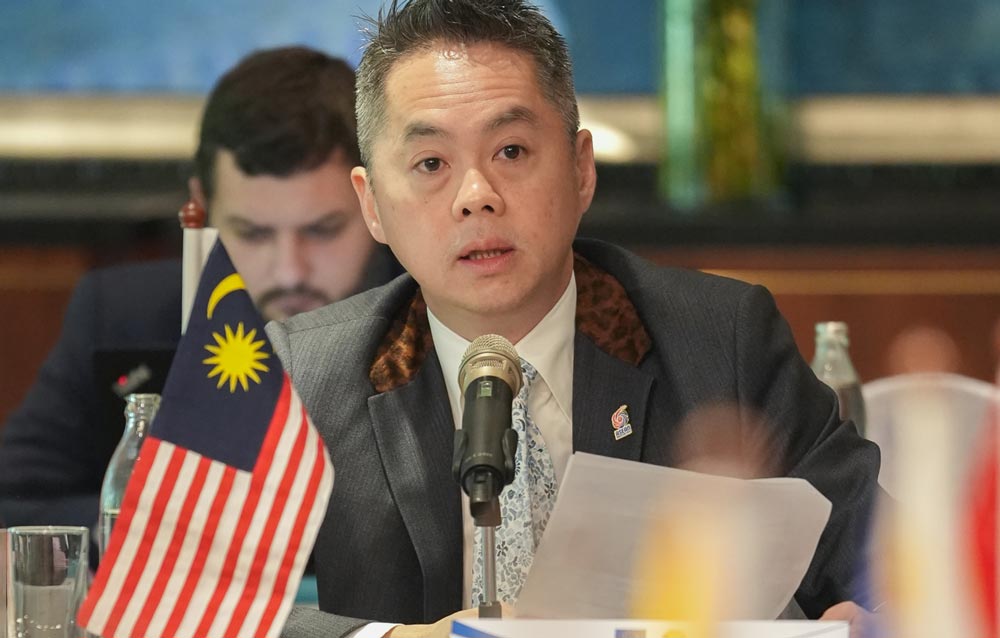
A warm welcome to Excellency Kajsa Ollongren and your delegation, and to my ASEAN colleagues, to Kuala Lumpur and to the 6th ASEAN-EU Policy Dialogue on Human Rights (PDHR).
Today, we open this dialogue at a time of immense, unprecedented global challenges to human rights. From the existential threat of climate change to the war in Ukraine, the genocide in Gaza, and other ongoing conflicts, to a volatile global economic landscape that has deepened inequalities and exacerbated discrimination, the cumulative impact on the promotion and protection of human rights globally has been profound.
These challenges are not occurring in isolation. They are compounded by a growing erosion of the international human rights framework, and by increasing strains on the multilateral system — a system built on the sovereign equality of all states, forged in the aftermath of the horrors of the Second World War. Today, that very foundation is being tested.
In recent years — and even more starkly in recent months — we have witnessed a troubling shift in the application of human rights norms, particularly in parts of the Global North. The moral authority that underpins these principles has, on too many occasions, been set aside when politically inconvenient, with little to no accountability. This selective application undermines the credibility of the very values we are gathered here to uphold. From the treatment of migrants and refugees to the realisation of economic, social, and cultural rights, and from new restrictions on the rights to freedom of expression and assembly to challenges to human rights across the world, the challenges have been palpable, with ripple effects across all regions. Today, long-standing violators feel emboldened by the newest disregard for human rights from actors who once championed these very norms.
This reality presents a profound challenge for regions like ours, which are continuing to develop and strengthen our own human rights frameworks. The credibility and consistency of the global human rights architecture are essential for our efforts to take root and flourish. As we are seeing some countries moving away from the multilateral system and picking and choosing which international laws they want to follow, the future feels more uncertain. But walking away is not the solution.
Under the ASEAN 2025 theme of inclusivity and sustainability, this dialogue is being held at an opportune time in AICHR’s calendar.
First in May, the ASEAN Leaders adopted ASEAN 2045: Our Shared Future, which charts the region’s course for the next two decades. It envisions a resilient, innovative, dynamic, and people-centred ASEAN by 2045 — one that is future-ready, strong, and grounded in shared values, with human rights at the heart of our collective agenda.
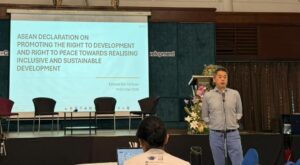
Second, AICHR has finalised two important declarations: the ASEAN Declaration on the Right to a Safe, Clean, Healthy, and Sustainable Environment and the ASEAN Declaration on Promoting the Right to Development and the Right to Peace Towards Realising Inclusive and Sustainable Development. If adopted, these will be two milestone human rights declarations conceptualised by the AICHR following the AHRD in 2012 — the second and third human rights declarations in ASEAN.
Third, AICHR has adopted our AICHR Five-Year Work Plan 2026-2030 and our priority programmes for 2026. You will appreciate the wide range of issues and initiatives in AICHR’s new Work Plan, including on business and human rights, digital rights, emerging challenges, and more. We intend to discuss these programmes at this dialogue for concrete follow-up.
Fourth, on peace and conflict prevention, AICHR has begun convening workshops with experts to share experiences, gather views, and discuss initiatives and frameworks to embed the right to peace in the region. This work is continuing.
ASEAN and the EU’s journey will not be without challenges. Both regions must confront the pressing, complex, and evolving human rights realities we face, including climate-induced displacement, digital misinformation, widening social inequalities, economic uncertainties, environmental pressures, and threats to peace and security. And these challenges know no concept of borders. It demands responses that are not only inclusive and coordinated, but also forward-looking, and that are supported by strong mechanisms, while never forgetting that it is our duty to serve our peoples and to ensure that dignity and rights are always protected amidst these realities.
It is in this vein that AICHR’s work and approach have embodied the principle of being ASEAN-led and ASEAN-owned. Our progress in human rights reflects the region’s aspirations and objectives and operates through the whole-of-ASEAN approach, guided and aligned with the collective will and direction of member states, rather than being driven or dictated by external pressures.
Relatedly, human rights are relevant to trade and businesses. They are closely linked, and at times, often in trade, the human rights dimension needs to be enhanced. The right to development is recognised both as an individual and collective right in international law and the ASEAN Human Rights Declaration, binding the global community to cooperation that enables all peoples to determine their paths of progress. The right to development is not an abstract idea. It shares historical roots in our collective memory as formerly colonised nations and in our continuing effort to build societies that are both free and just.
Southeast Asia bears the legacy of colonial extraction and structural injustice: resource outflows, imposed economic patterns, and unequal rules whose effects remain visible in vulnerabilities today. Non-repetition, in today’s context, would mean designing rules and standards — on trade, finance, environment, and data — that do not recreate extractive patterns and do not exclude smallholders, indigenous communities, migrants, persons with disabilities, and groups in vulnerable and marginalised situations.
This history cannot be divorced from today’s human rights discourse and forms ASEAN’s background knowledge. When development space is constrained by inherited dependency, debt, or structural adjustment, the right to development is violated just as surely as any civil or political right.
After so long, global development remains profoundly unequal. Some statistics state that the average income in high-income economies is 40 to 50 times that of low-income economies. Countries in Africa and parts of Southeast Asia remain net exporters of raw materials while importing higher-value goods — a pattern that, in some ways, mirrors colonial-era economic structures that transferred wealth from South to North. These disparities are not natural outcomes of merit or efficiency. I would thus state that EU and ASEAN development through trade must truly be enabling, rights-respecting, while at the same time, opportunity-creating.
AICHR continues to serve as ASEAN’s overarching human rights body, fostering dialogue, building capacity, and promoting cooperation among ASEAN Member States and partners, in line with our Terms of Reference. Our engagement with dialogue partners remains vital to this mission, and our cooperation with the EU continues to be among the cornerstones of AICHR’s external engagement. The PDHR itself, over the years, has become a space not only for policy exchange on human rights but also for mutual learning and deepening technical cooperation.
There are two points I would like to make about two prevailing views of human rights, both inherited from Western scholarship. One is that human rights norms are taken as fixed. However, there is today a different view that accepts that some norms are continually contested. Testing these norms gives them resilience and robustness. Those who enter the space to contest the norms are important, and civil society and stakeholder participation are crucial for this. Norms are not necessarily fixed. We need to contest them regularly.
The second point is that hard law, as embodied in legally binding documents, is usually the preferred choice, seen as superior to soft law instruments. But in ASEAN, soft law can arguably meet similar goals through modalities that some scholars have termed “adaptive protection” of human rights. These two lenses, once changed, can shape how ASEAN and the EU conduct this dialogue today and in years to come.
Looking ahead, there is great potential for ASEAN and the EU to strengthen cooperation in the promotion and protection of human rights, which could bring a lasting impact on our peoples. This dialogue is one of the platforms for these discussions.
I take this opportunity to once again extend my welcome to Excellency Kajsa Ollongren and express our appreciation to the EU for the continued support and engagement. I look forward to the insightful and robust discussions today and the new pathways of cooperation for years to come that will emerge from this dialogue.
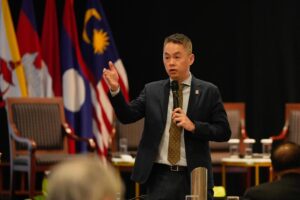
These opening remarks were delivered on 15 October 2025 at the 6th ASEAN-EU Policy Dialogue on Human Rights 2025. A side event — ASEAN-EU Dialogue on Intensifying Actions and Overcoming Barriers in Implementing Business and Human Rights and Environment in ASEAN and the EU — was held on 16 and 17 October 2025 in Kuala Lumpur and Pahang, Malaysia, respectively.