
Yang Berbahagia Dato’ Seri Hishamudin Yunus, Chair of the Human Rights Commission of Malaysia (SUHAKAM),
Excellency Ambassador Kirstine Vangkilde Berner, Ambassador of Denmark to Malaysia,
Heads of government ministries and agencies,
Distinguished guests, ladies and gentlemen.
Salam sejahtera and good morning.
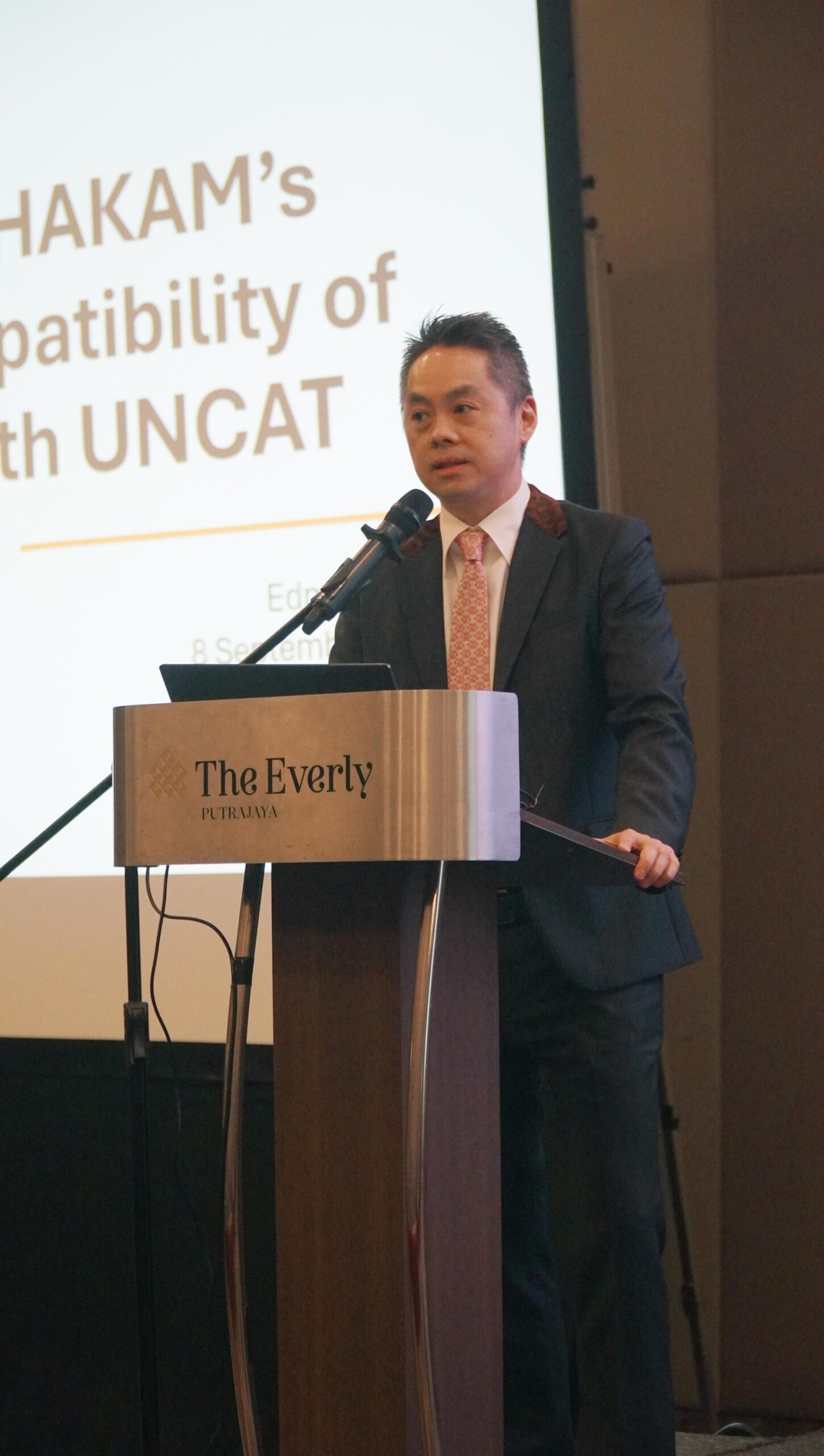
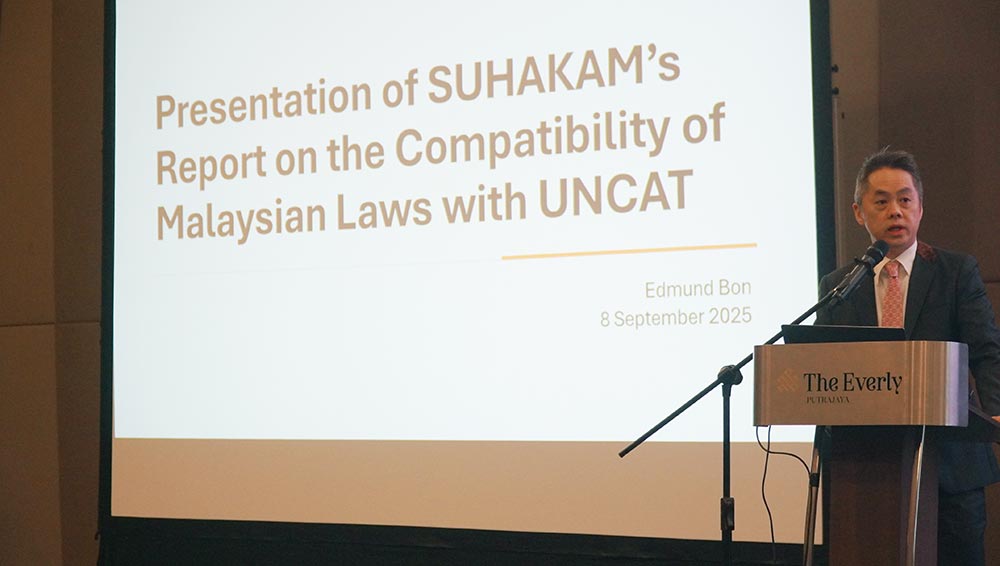
Thank you for the opportunity to present key findings and recommendations contained in the Practical Briefing and Action Paper commissioned by SUHAKAM’s project to study and analyse the compatibility of Malaysian laws with the United Nations Convention against Torture and Other Cruel, Inhuman or Degrading Treatment or Punishment (UNCAT). I led this study and completed the report in 2021, which was published in 2022. Three years on, many of the recommendations are still relevant today.
Adopted in 1984, UNCAT sets the global standard against torture and other cruel, inhuman, or degrading treatment or punishment. The prohibition is absolute and non-derogable. Malaysia has not yet acceded to UNCAT.
Currently, there are more than 60 laws, not including Syariah laws, that provide for whipping as a penal sanction. The government’s Criminal Law Reform Committee (CLRC) recently established a subcommittee to examine the abolition of mandatory whipping in our laws. It is supported by the Legal Affairs Division of the Prime Minister’s Department (BHEUU) and reports to M. Kulasegaran a/l V. Murugeson, Deputy Minister in the Prime Minister’s Department (Law and Institutional Reform). I hope we will repeal the punishment soon.
Do Malaysia’s laws match UNCAT’s obligations? The team conducted a desk-based legal analysis of UNCAT and Malaysian laws and made three main findings.
First, corporal punishment, including its use as a school disciplinary measure, is incompatible with the UNCAT. There is an annex to the report listing the civil and Syariah legal provisions that mandate whipping.
Second, “torture” and “cruel, inhuman and degrading treatment and punishment” (CIDT) are not defined or criminalised as such. Our Penal Code addresses some forms of hurt, but we lack stand-alone offences for torture and for cruel, inhuman or degrading treatment and punishment in UNCAT’s terms. We recommend introducing these offences explicitly and, ideally, amending Article 5(1) of the Federal Constitution to prohibit this conduct.
Third, to prevent torture and CIDT, safeguards and remedies require strengthening. Legislative revisions should exclude evidence obtained by torture and CIDT; tighten arrest, detention, and interrogation safeguards; review preventive detention powers and reduce detention-without-trial periods; expand legal aid, including for non-citizens; ensure independent investigation and prosecution of complaints of torture and CIDT; and provide robust remedies and rehabilitation to survivors and families.
In summary, Malaysian laws are partially compatible with nine UNCAT provisions, while our laws are not compatible with seven others. Articles 17 to 33 were excluded in the compatibility matrix as they relate to operational, logistical, and administrative matters.
Over the past decade, encouraging steps have been taken in Malaysia, including policy debates, engagement with international initiatives, and civil society advocacy. Some Muslim scholars and practitioners have also affirmed that UNCAT is compatible with Islamic principles. This is also evident by the fact that many state parties to UNCAT have a Syariah system in place.
Nevertheless, we address two concerns.
One is the need for political will. Malaysia adopts the approach that we need alignment with the treaty before accession — change domestic law first, then accede. However, this is not what we did when we signed the Convention on the Rights of the Child (CRC), the Convention on the Elimination of All Forms of Discrimination Against Women (CEDAW), and the Convention on the Rights of Persons with Disabilities (CRPD). Today, our laws on children, women, and persons with disability have yet to fully align with the treaties. The truth is that accession first can accelerate domestic alignment by creating deadlines, peer review, and public accountability.
Second is the argument that UNCAT challenges Islam. There is a need for more research and advocacy on the compatibility of UNCAT with Islamic principles and practices. The treaty provides a strong platform to explain, contextualise, and convince where needed — without abandoning religious principles. Strengthened academic rigour, vernacularisation, and enhanced bridge-building are encouraged to support government officials and civil society.
The momentum has grown, and we should build on it. Together, we can close the gap and make our commitment unmistakable: no torture, ever, under any circumstances.
Thank you.
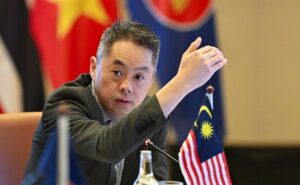
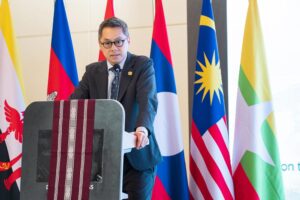
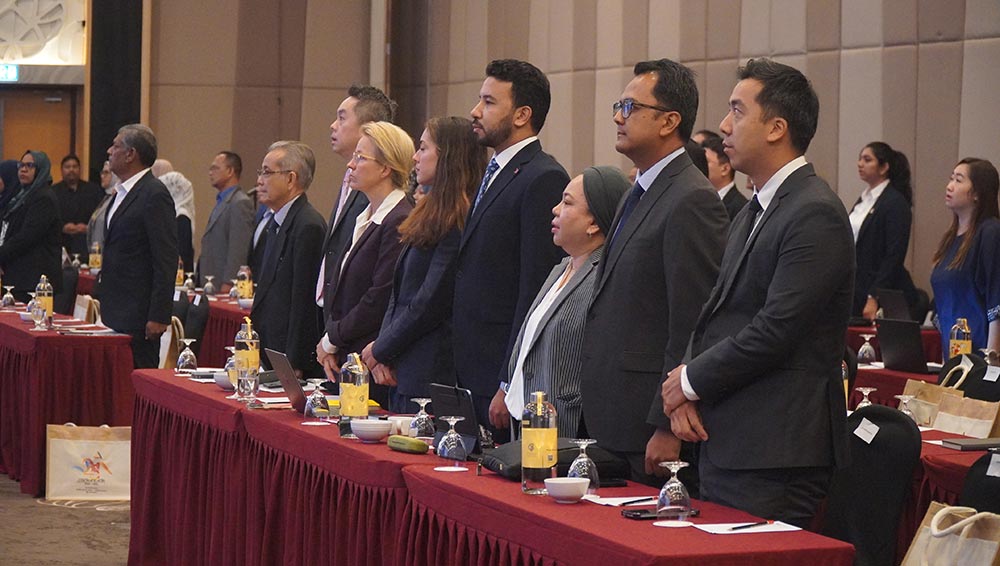
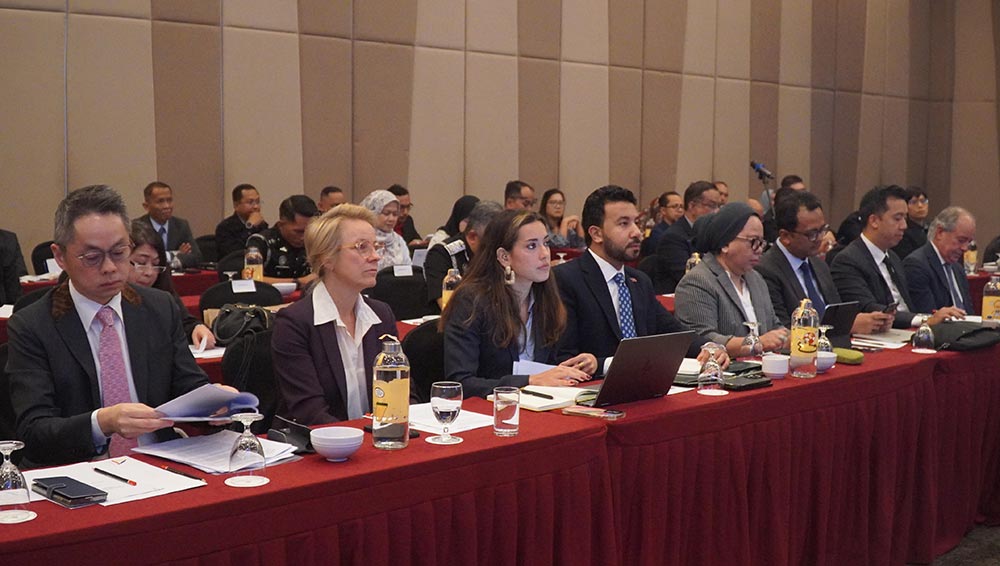
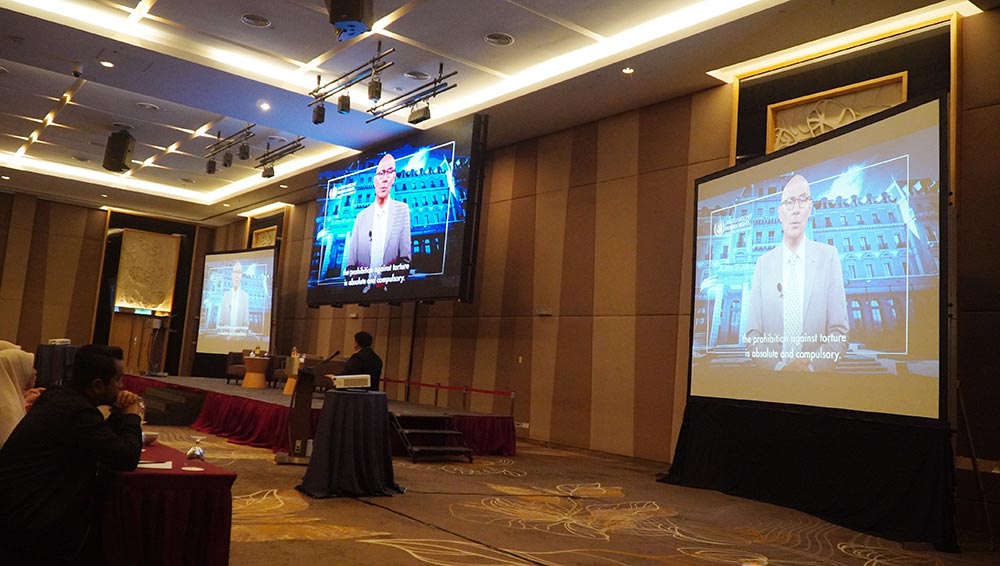
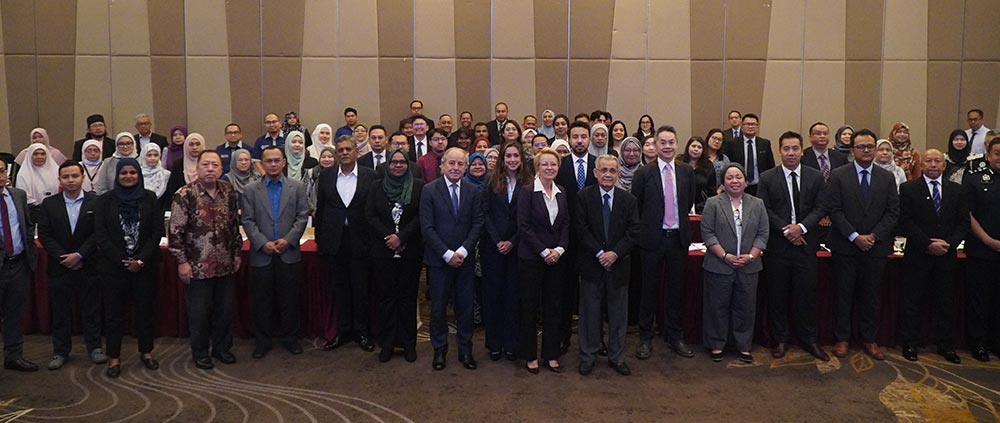
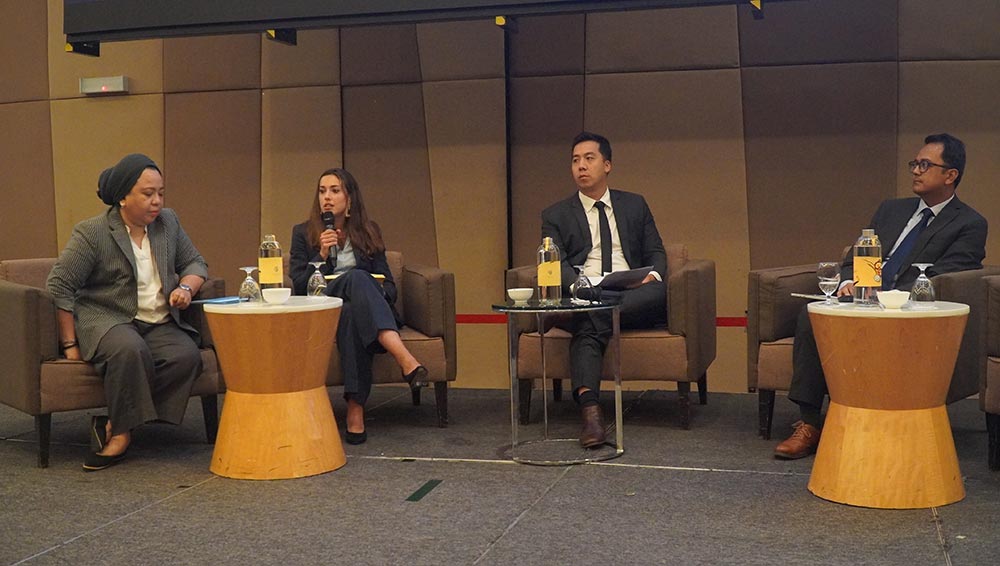
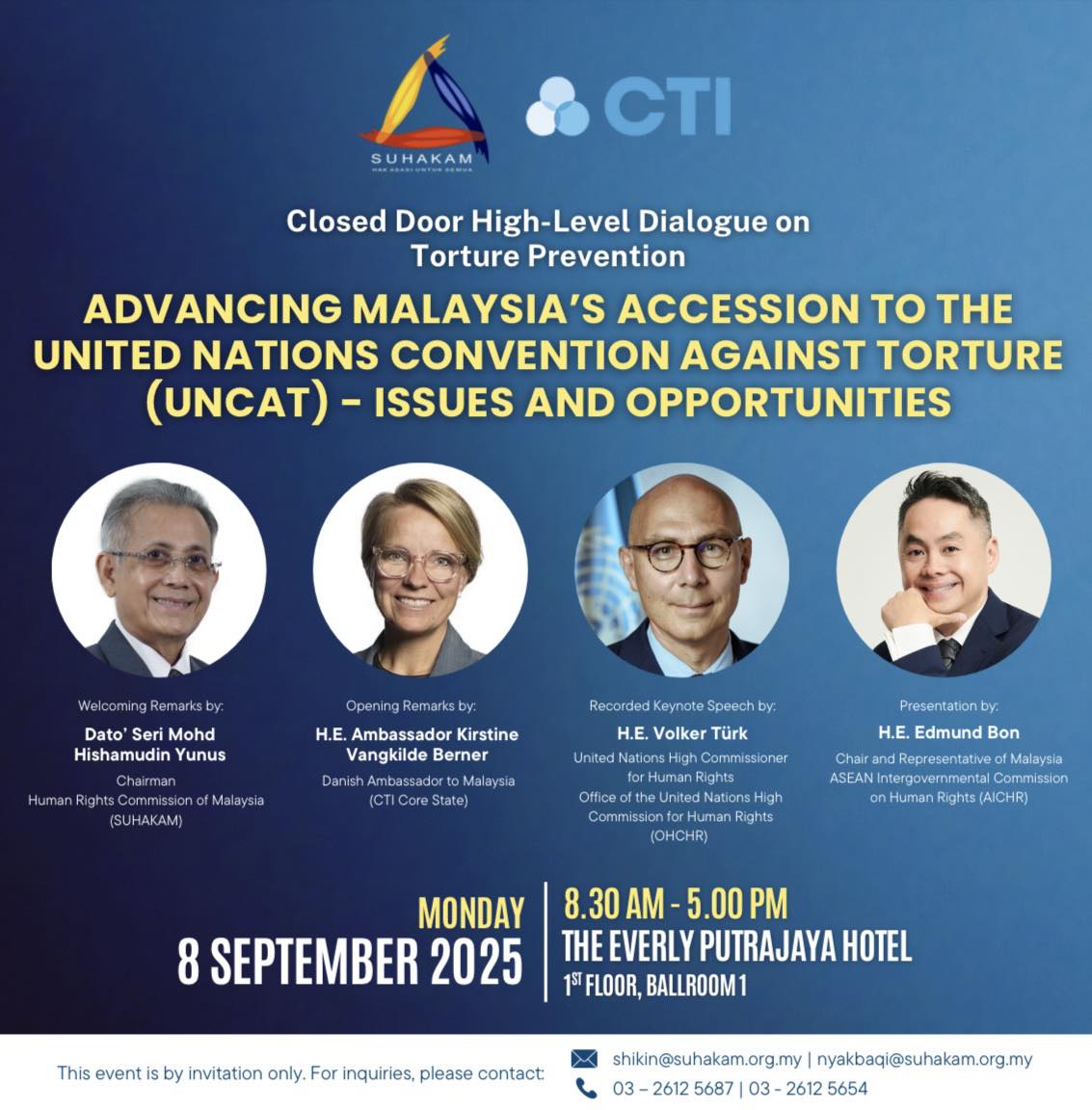
This presentation was delivered at the Closed-Door High-Level Dialogue on Torture Prevention: Advancing Malaysia’s Accession to the United Nations Convention Against Torture (UNCAT) — Issues and Opportunities held on 8 September 2025 in Putrajaya, Malaysia.