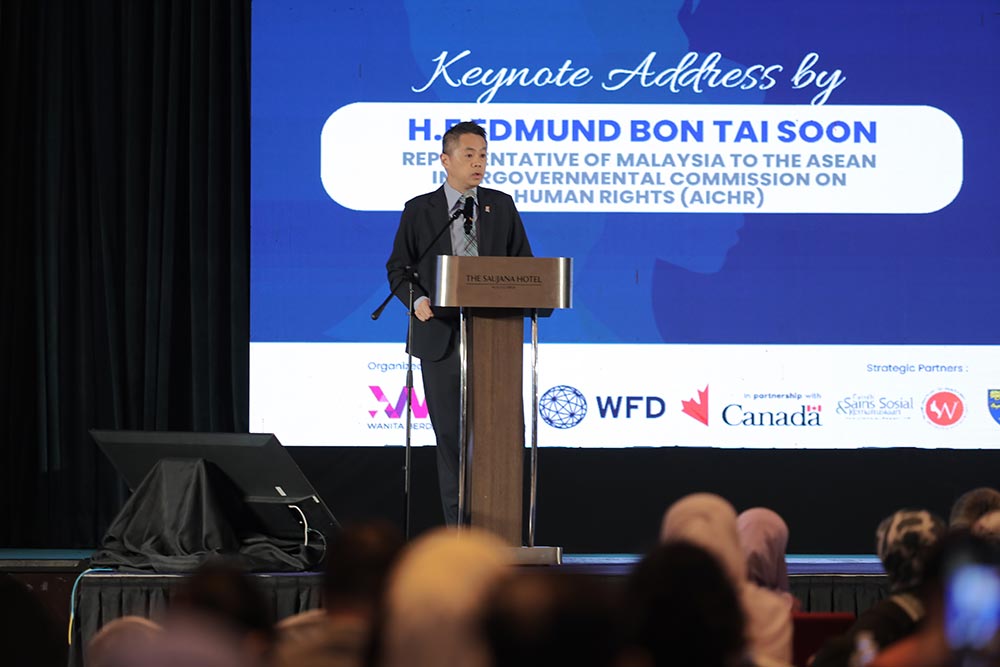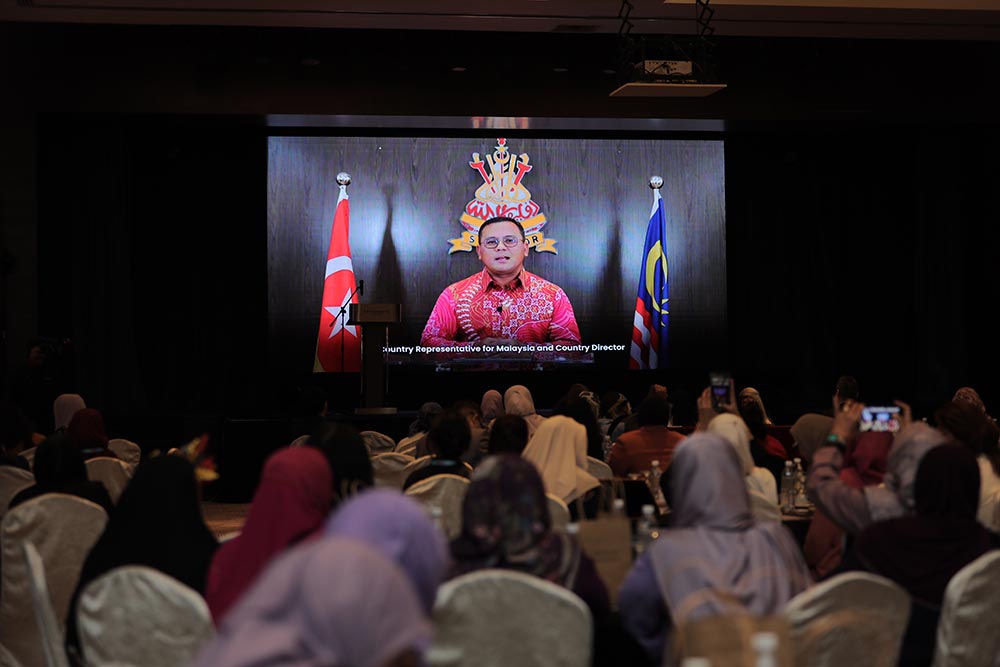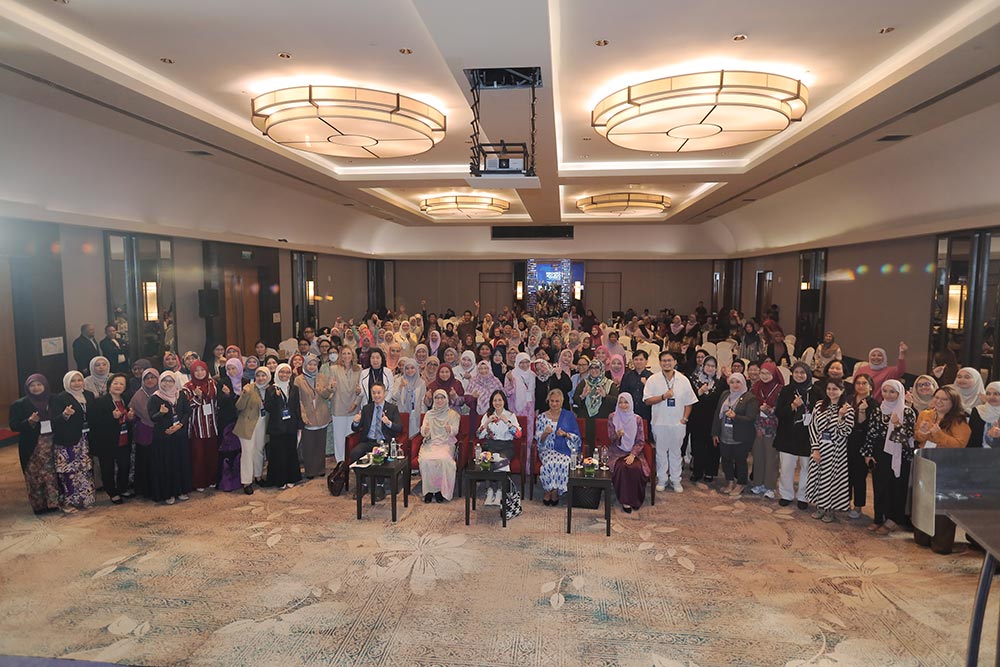

Yang Berhormat Puan Teo Nie Ching, Deputy Minister of Communications Malaysia,
Yang Berhormat Puan Anfaal Saari, Selangor State Executive Councillor (EXCO) for Women Empowerment and Social Welfare,
Yang Berusaha Puan Siti Faridah Abdul Samad, Chief Executive Officer of Wanita Berdaya Selangor (WBS),
Dr. Julitta Onabanjo, United Nations Population Fund (UNFPA) Country Representative for Malaysia and Country Director for Thailand,
Representatives of Federal and State government departments and agencies,
Distinguished guests and ladies and gentlemen.
Selamat pagi.
Thank you to the organiser, Wanita Berdaya Selangor, and partners for this opportunity to address the Gender Outlook Forum.
I am honoured to be in this important space, which has brought together key actors, including government representatives, policymakers, civil society organisations, academics, and international partners, all of whom play a crucial role in advancing gender equality in ASEAN.
The theme, “Advancing Gender Equality in ASEAN”, leaves me wondering about the progress we have made in advancing gender equality in the region. All ASEAN Member States (AMS) have adopted CEDAW — the United Nations Convention on the Elimination of All Forms of Discrimination against Women — and in some form or another, aligned our domestic laws with it, but we are at times still debating basic concepts of women’s rights.
Let us consider recent statistics from the 2024 ASEAN Gender Outlook report co-published by the ASEAN Committee on Women (ACW) and United Nations Entity for Gender Equality and the Empowerment of Women (UN Women), launched on 10 September 2024 in Kuala Lumpur by Yang Berhormat Dato’ Sri Hajah Nancy Shukri, Minister of Women, Family and Community Development.
It is the second gender report aimed at tracking regional progress towards gender equality based on the Sustainable Development Goals (SDGs) framework. While the study reveals some commendable progress, there are still gaps:
- 2.66 million women of peak reproductive age live in poverty. Climate change could push 2.5 million more people in ASEAN into poverty by 2030.
- 17 per cent of women lack regular access to nutritious food, and food insecurity correlates with higher maternal mortality. About 38 per cent of pregnant women are anaemic.
- 28 per cent of women face serious barriers to accessing healthcare.
- Only 22 percent of parliamentary seats are held by women.
- About 9 per cent of women and girls experience intimate partner violence in a given year, and many survivors do not seek help.
- Women spend over twice as much time on unpaid care as men.
- 47 per cent of labour migrants are women who often take low-paying, informal jobs, with higher risks of abuse. Their vulnerability is heightened when they are undocumented, limiting their access to legal remedies.
Those most left behind are women in poverty, pregnant women facing health risks, rural women with limited healthcare, and young women under-represented in parliaments.
In Malaysia, there is a wide gender gap in labour force participation between women and men — 56 per cent women and 81 per cent men. Greater effort is urgently needed to bring more women to the labour force. In tandem, women spend an average of five hours a day on unpaid care and domestic tasks, while men only spend about one hour.
We are still far from reaching our goals on gender equality, decent work, and reduced inequalities in ASEAN.
Around us, war, genocide, and violence continue. Sexual and gender-based violence is rising, rooted in inequality and power imbalances, leaving lasting scars on survivors and communities. In conflict, rape is wielded as a weapon.
Additionally, the effects of climate change disproportionately impact women and girls who are more likely than men to live in extreme poverty, including those in Malaysia. For instance, women are experiencing increased unpaid care responsibilities, food insecurity, and limited access to safe water and cooking fuels.
That said, gender equality is not just a “women’s issue”. It is a human rights issue, a development issue, and an economic issue, all of which must be viewed through an intersectional lens, as inclusivity demands.
So what must we do — right now — to advance gender equality and empowerment?
These questions are old. Our answers must become bold.
Today, I share three key messages: why this matters, what ASEAN and AICHR are doing, and how we can accelerate progress both at home and in the region.
First: Inclusivity and sustainability must be more than slogans — they must be lived realities.
Inclusivity tests whether our laws, institutions, and policies truly work for everyone — women, children, persons with disabilities, Orang Asli, Orang Asal, migrant workers, refugees, asylum-seekers, and stateless persons, among others. When we design for those most at risk, we create systems that benefit everyone.
Sustainability means development that respects people and the planet. Growth is not progress if it harms either.
Malaysia’s ASEAN Chair theme, “Inclusivity and Sustainability”, sets our direction. Our duty is clear: reach those most often left behind.
Gender equality and empowerment are a right, not a favour. If we centre those most at risk, invest in care and decent work, guarantee equal voice and access, and hardwire gender into every budget and plan, inclusivity and sustainability will be more than a theme — they will be the lived realities of our people.
Secondly, what have ASEAN and AICHR been doing, and what will they do?
Over the past eight months, as AICHR Chair, Malaysia and I have worked to embed human rights and environmental rights principles and values in ASEAN’s frameworks. They include protecting groups in vulnerable and marginalised situations, such as women and children, and advancing gender equality and empowerment.
On 26 May 2025, ASEAN leaders signed the Kuala Lumpur Declaration on ASEAN 2045: Our Shared Future and adopted the ASEAN Community Vision 2045 “Resilient, Innovative, Dynamic, and People-Centred ASEAN” along with its Strategic Plans. ASEAN envisions a “Community where women are empowered to participate fully and effectively in ASEAN Community-building and realise their full potential in its decision-making processes”.
The term “women” is mentioned at least 38 times in the Vision and the Strategic Plans, calling for empowerment, participation, leadership, and protection of women and girls across all spheres of life. Those words demand action: eliminate structural barriers, ensure access to quality work and social protection, and integrate gender perspectives into every policy.
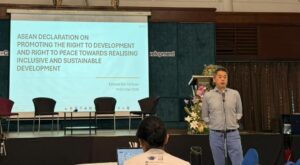
This year, AICHR has progressed two key ASEAN instruments: the ASEAN Declaration on the Right to a Safe, Clean, Healthy and Sustainable Environment and the ASEAN Declaration on Promoting the Right to Development and Peace Towards Realising Inclusive and Sustainable Development.
The first aims to combat climate change while recognising the roles and rights of women and children in climate resilience. The second bridges the right to economic, political, social, and cultural development with the need to accelerate inclusive and sustainable development for all, particularly those most in need, such as women and children. It reflects our commitment to taking an ASEAN-led, ASEAN-owned, and whole-of-ASEAN approach to advancing human rights throughout the region.
Both declarations are expected to be adopted at the 47th ASEAN Summit in October.
Recently also, the AICHR adopted its Five-Year Work Plan for 2026 to 2030. It is ambitious, progressive, and forward-looking. We will undertake initiatives to push for the effective implementation of ASEAN commitments on the rights of women and children, enhance the use of CEDAW in the region, and address the human rights issues of people in vulnerable situations.
Currently, AICHR works closely with the ASEAN Committee on Women (ACW), ASEAN Commission on the Promotion and Protection of the Rights of Women and Children (ACWC), and the ASEAN Institute for Peace and Reconciliation (ASEAN-IPR) on the ASEAN women, peace, and security agenda that includes ideating pathways and approaches to conflict prevention and peacebuilding in the region.
At the same time, ACWC is developing its new ASEAN Regional Plan of Action on the Elimination of Violence Against Women (ASEAN RPA on EVAW).
In July 2025, and led by Malaysia, AICHR convened a regional consultation to identify good practices in promoting gender-responsive business conduct while exploring pathways towards an ASEAN approach on gender lens integration in business and human rights matters aligned with the Guiding Principles on Business and Human Rights: Implementing the United Nations “Protect, Respect and Remedy” Framework (UNGPs). The programme had representatives of ASEAN bodies, such as the Senior Economic Officials Meeting (SEOM), national human rights institutions, the private sector, and civil society organisations participating.
Respectfully, my third and final point.
Driving the gender equality agenda cannot solely depend on ASEAN. While regional frameworks are important, they must be complemented by strong national policies that effectively mainstream gender concerns. Regional frameworks only change lives when they are implemented at home — with budgets, institutions, data, and accountability.
What does real change look like? It looks like this:
- Put care, safety, and decent work at the heart of economic policy.
- Build the care economy: public childcare, eldercare, paid leave, flexible work — so that unpaid care is not a barrier for women.
- Formalise work, enforce equal pay, and guarantee safe workplaces.
- Tackle youth exclusion: expand apprenticeships and digital skills for young women, especially in rural areas.
- Guarantee equal voice and real access to justice.
- Adopt temporary special measures to increase women’s representation in decision-making roles including in Parliament.
- End violence by increasing funding for national and local systems that support prevention and survivor-centred services.
- Remove service barriers: invest in primary health, transportation, and mobile services to reduce costs, distance, and safety obstacles, and expand the healthcare workforce.
- Tie gender-responsive budgeting to real, measurable results.
- Advance women’s rights in business through due diligence and grievance mechanisms, and accountability.
Malaysia’s development plans have historically addressed gender inequality.
The Thirteenth Malaysia Plan (13MP) 2026-2030 should serve as the foundation to support and advance equal partnerships, not perpetuate gender stereotypes. Men and women share responsibilities everywhere: at home, in the economy, and in leadership. By positioning both men and women as leaders and equal contributors to socioeconomic development, Malaysia furthers its commitments to gender equality under the Federal Constitution, CEDAW, and Goal 5 of the SDGs. This inclusive approach fosters a more equitable society.
In this sense, therefore, calls for our government to enact a new law against discrimination against women or a gender equality law are often heard. I am heartened that the government is intending to move forward on this initiative through the recently launched National Action Plan on Business and Human Rights 2025-2030 (NAP). Malaysia’s NAP is also one of the best in the region.
Although ASEAN has made significant progress, women and girls continue to encounter systemic barriers, including gender-based discrimination, limited access to justice, and exclusion from economic opportunities. There are persistent structural and cultural barriers that continue to marginalise women and girls in the region, particularly those from vulnerable communities.
ASEAN has momentum — from new declarations to AICHR’s work plan and cross-pillar strategies, but slow progress is not enough. We cannot be satisfied when the data tell us women still carry disproportionate care, face barriers to voice, work, and services, and when too many are left behind. Their full participation must be underscored to ensure their full potential and to improve their quality of life. Our commitments must be deliberate, inclusive, and sustainable. Forums like this are vital springboards for action.
My office and team at AICHR Malaysia stand ready to support you and our policymakers — federal and state — so that these commitments can be turned into real change.
Thank you again to the organisers. I look forward to the conversations — and, more importantly, to the actions that follow.
Terima kasih.
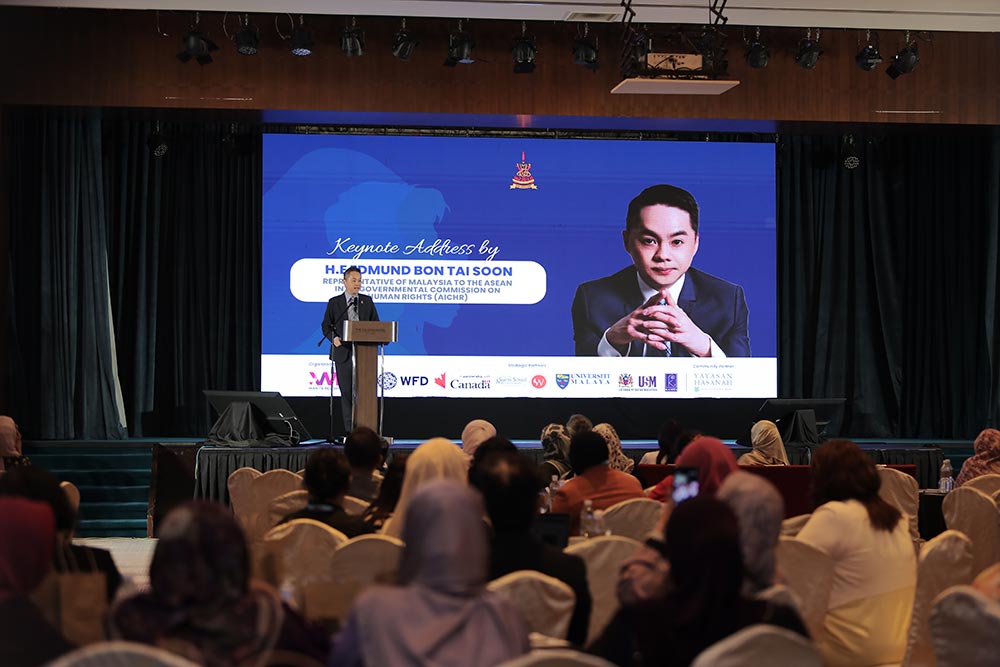
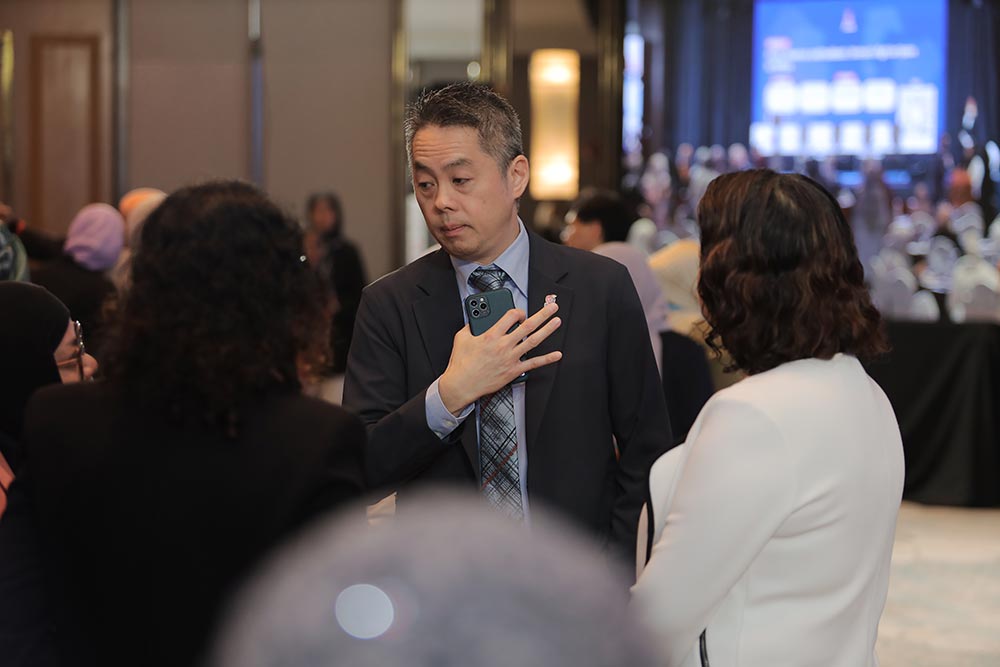
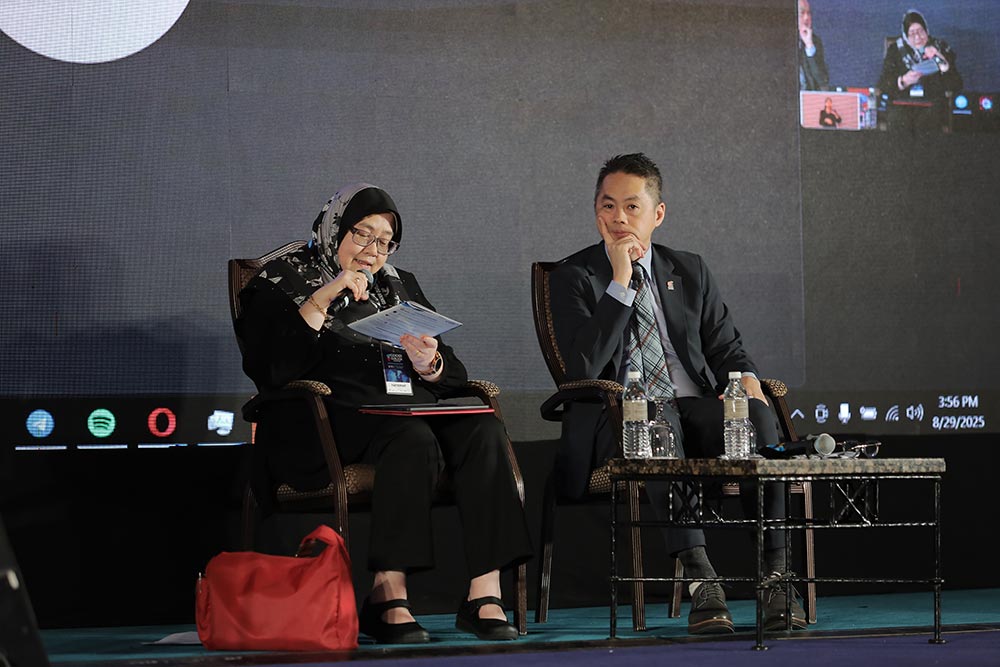
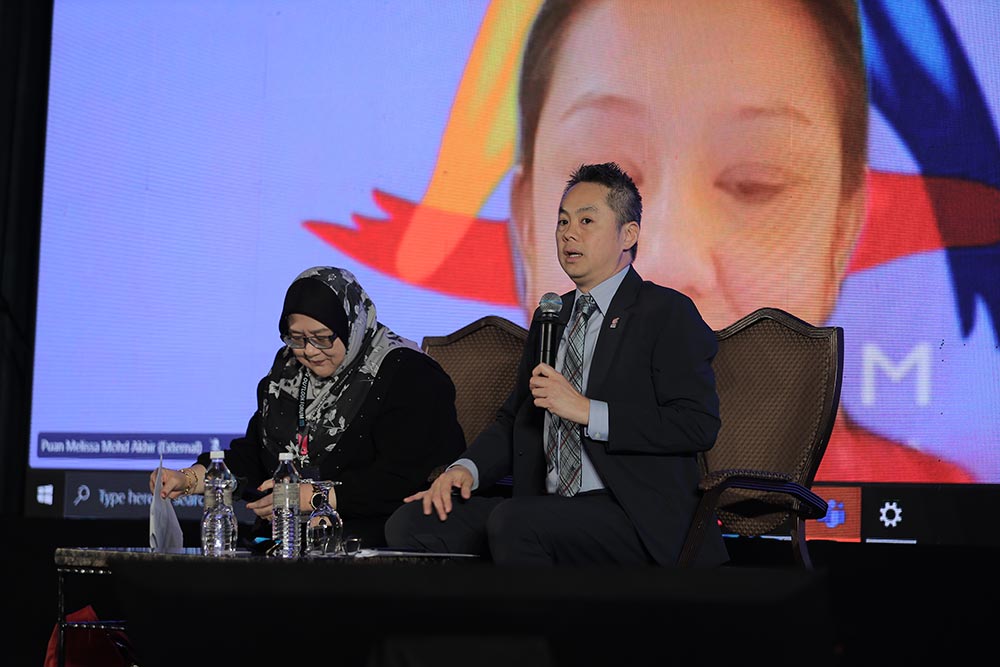
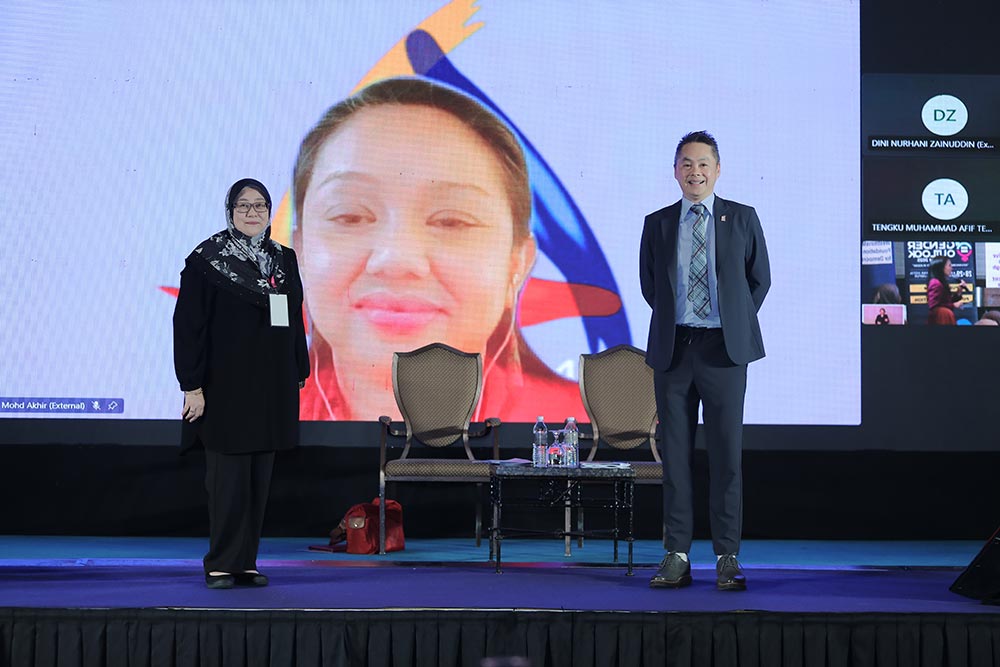
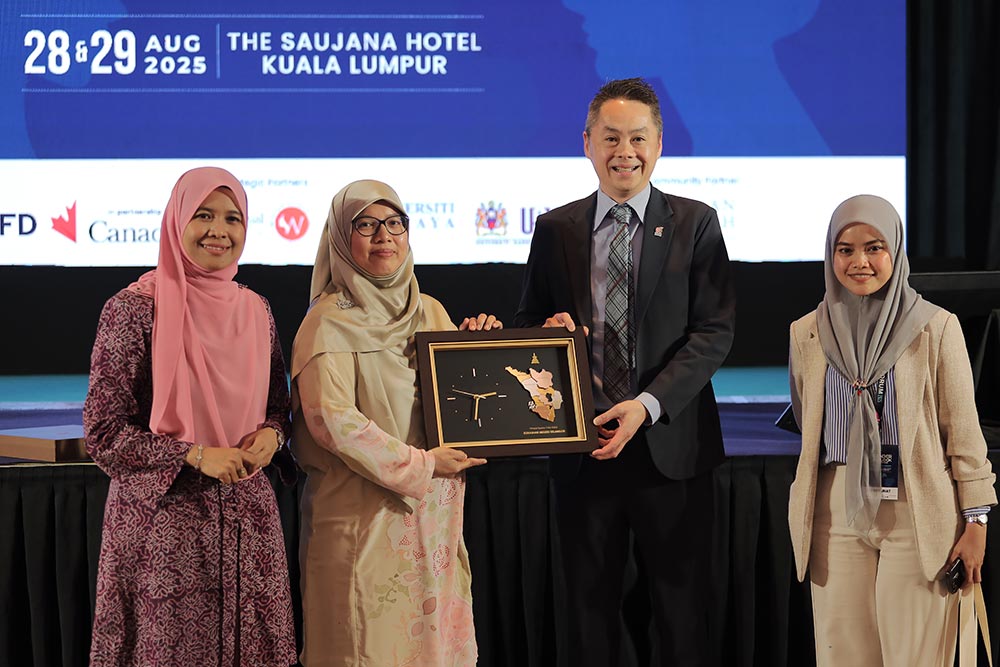
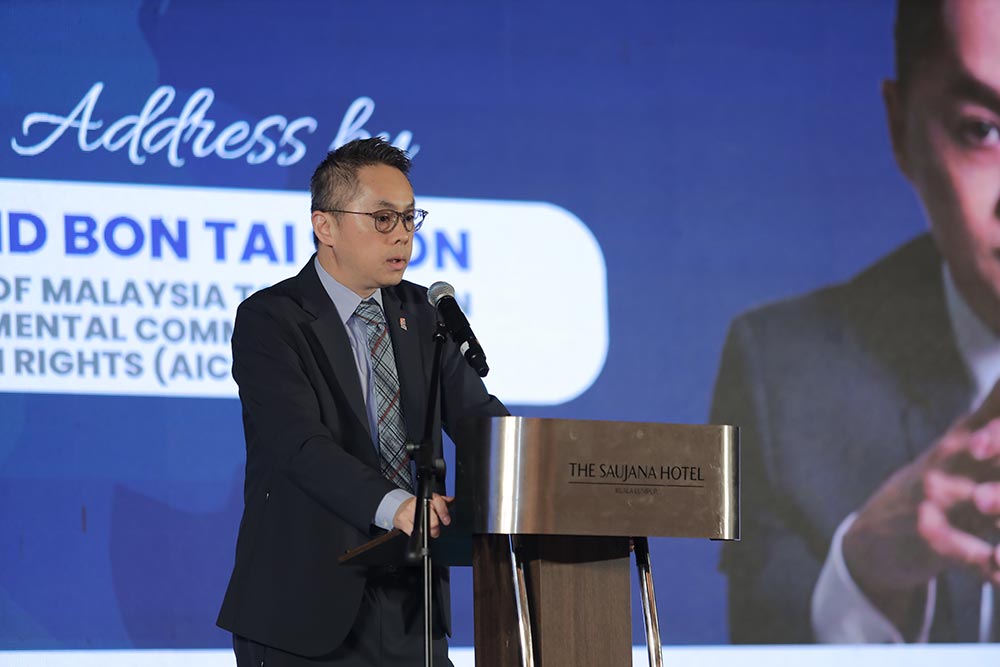
This keynote address was delivered on 29 August 2025 at the Gender Outlook Forum 2025 held from 28 to 29 August in Kuala Lumpur, Malaysia. Listen to the keynote address here, and listen to Edmund Bon speak as a panellist at Session 7 (“The Legal Architecture of Gender Rights and Mechanisms”) of the forum here.