By Elsa Emiria Leba | Kompas
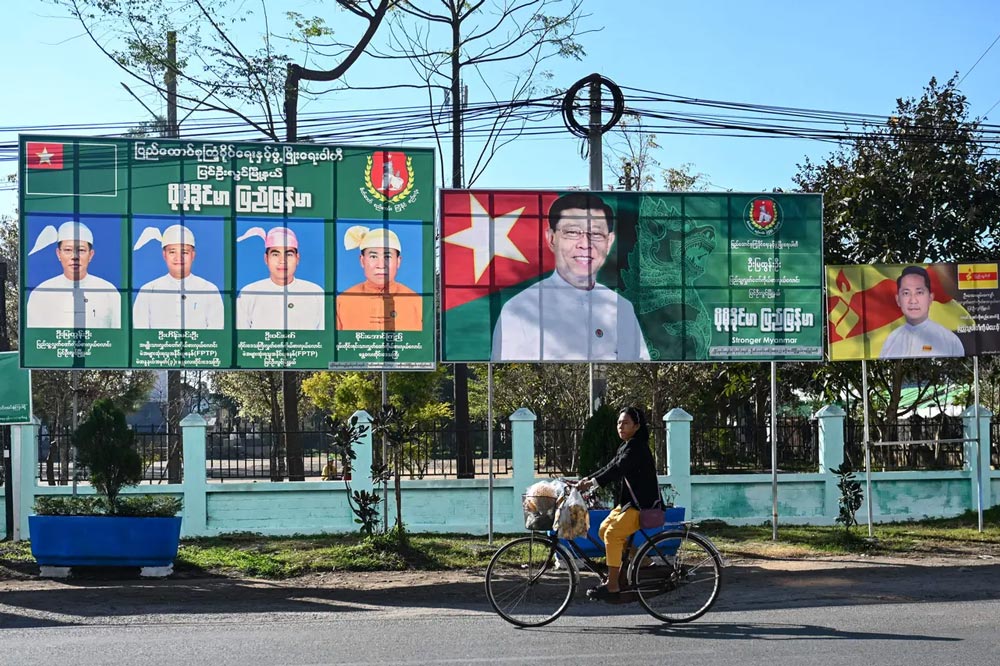
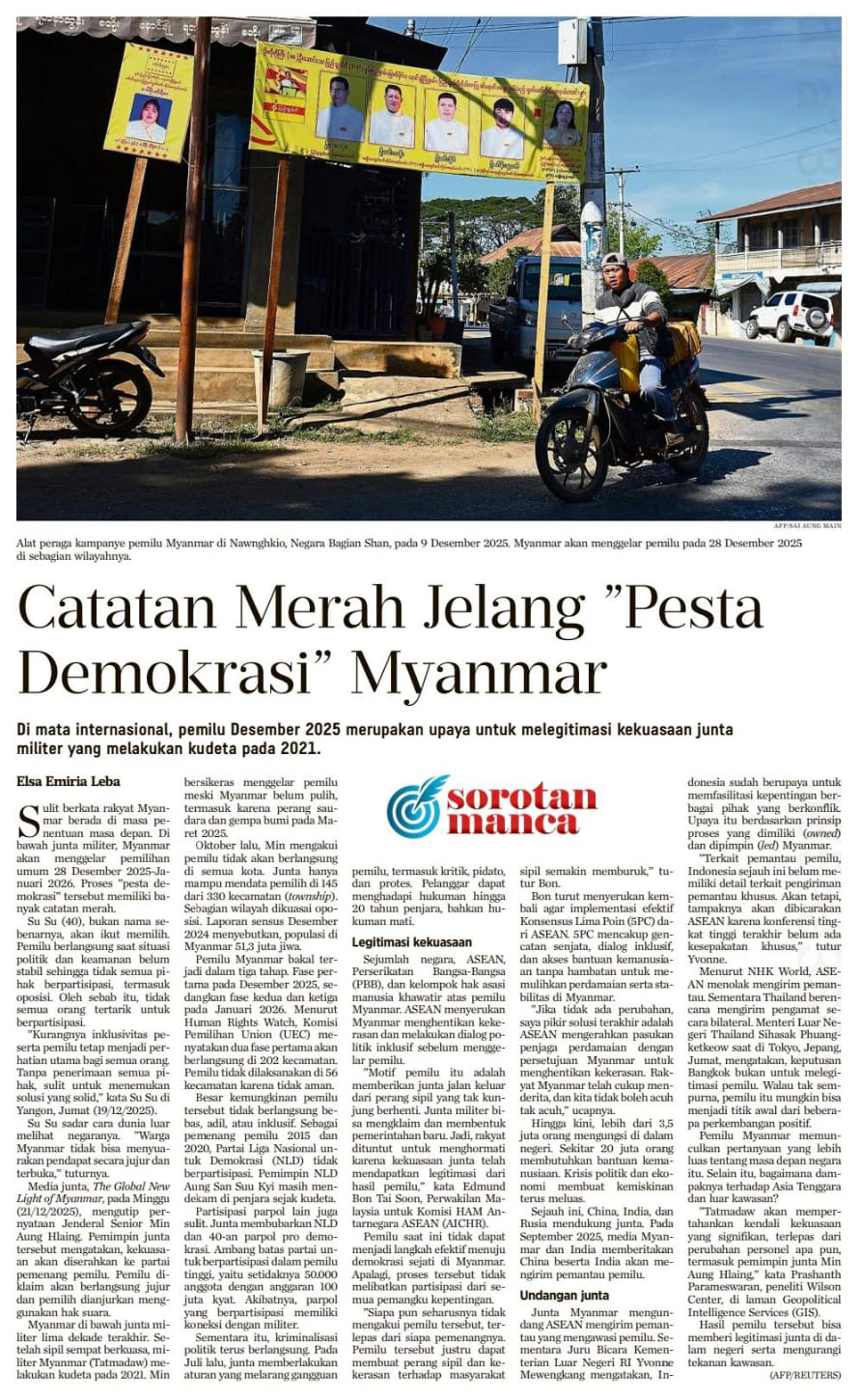
It is difficult to say that the people of Myanmar are at a decisive moment for their future. Under the military junta, Myanmar will hold elections from December 28, 2025, to January 2026. This “democratic festivity” process has many red flags.
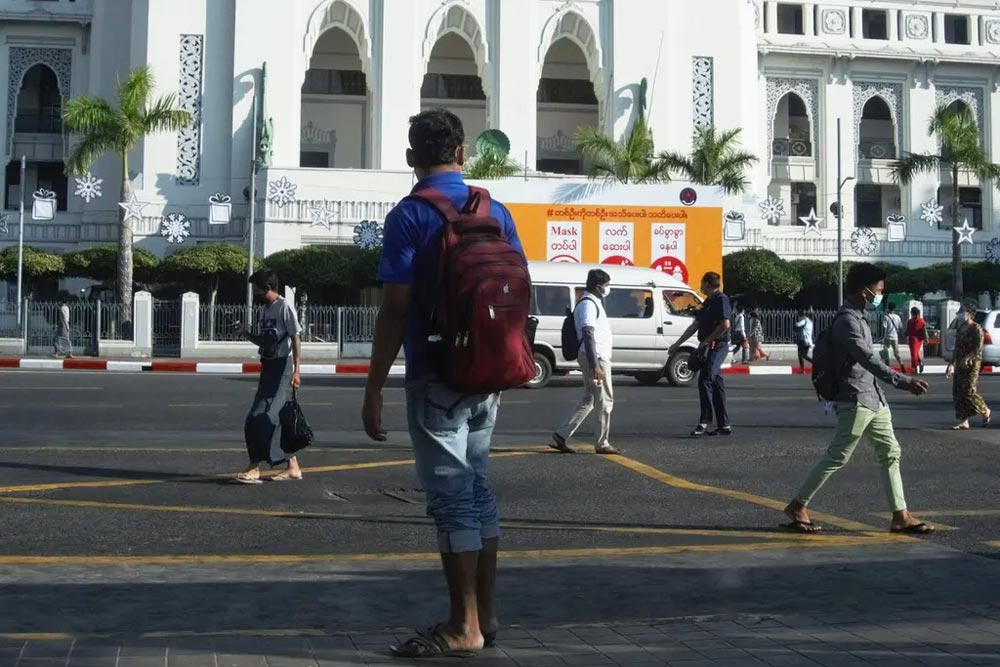
Su Su (40), not her real name, will participate in the upcoming election. However, the woman in Yangon is anxious. The election takes place while the political and security situation remains unstable, leading to the non-participation of various parties, including the opposition. As a result, not everyone is interested in participating.
“This issue is truly complex because elections are supposed to be a political exit strategy. The lack of inclusiveness among election participants remains a major concern for everyone. Without the buy-in of all parties, it is difficult to find a solid solution,” Su Su said in Yangon on Friday (December 19, 2025).
Su Su is aware of how the outside world views her country at present. “The people of Myanmar cannot express their opinions honestly and openly. As for the election results, we are waiting to see what will happen next,” she stated.
The junta’s media outlet, The Global New Light of Myanmar, quoted Senior General Min Aung Hlaing on Sunday (December 21, 2025). The junta leader said power would be immediately handed over to the winning party. He claimed the election would be fair and encouraged voters to exercise their right to vote.
Myanmar has been under military junta rule for the past five decades. After a brief period of civilian rule, the Myanmar military (Tatmadaw) staged a coup in 2021. Min insists on holding elections despite Myanmar not having recovered, including due to civil war and an earthquake in March 2025.
Last October, Min admitted that elections would not take place in all cities. The junta was only able to register voters in 145 of the 330 townships. Some areas are controlled by the opposition. The December 2024 census report stated that Myanmar’s population was 51.3 million.
The elections in Myanmar are set to take place in three phases. The first phase will occur in December 2025, while the second and third phases are scheduled for January 2026. According to Human Rights Watch, the Union Election Commission (UEC) has announced that the first two phases will be held in 202 sub-districts. Elections will not be conducted in 56 sub-districts due to safety concerns.
There is a high possibility that the election will not be conducted in a free, fair, or inclusive manner. As the winner of the 2015 and 2020 elections, the National League for Democracy (NLD) did not participate. NLD leader Aung San Suu Kyi has been imprisoned since the coup.
The participation of other political parties is also difficult. The junta government dissolved the NLD along with around 40 pro-democracy political parties. The threshold for parties to participate in elections is high, requiring at least 50,000 members with a budget of 100 million kyat. As a result, the participating political parties have connections with the military, such as the United Solidarity and Development Party (USDP).
Meanwhile, political criminalization continues. In July, the junta enacted regulations prohibiting electoral disturbances, including criticism, speeches, and protests. Violators may face penalties of up to 20 years in prison, or even the death penalty. As of Wednesday (17/12/2025), the junta has pursued 229 individuals.
Legitimacy of power
Several countries, the Association of Southeast Asian Nations (ASEAN), the United Nations (PBB), and human rights groups are concerned about the elections in Myanmar. ASEAN has urged Myanmar to cease violence and engage in inclusive political dialogue before holding elections.
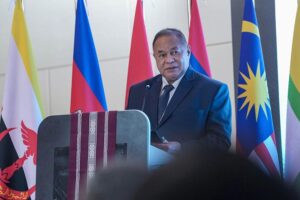
Observers believe that the upcoming election is a charade designed to maintain military power. “The motive behind the election is to provide the junta with a way out of the ongoing civil war. The military junta can claim and establish a new government. Thus, the people are expected to respect this because the junta’s power has gained legitimacy from the election results,” said Edmund Bon Tai Soon, Malaysia’s Representative to the ASEAN Intergovernmental Commission on Human Rights (AICHR).
The current election cannot serve as an effective step towards true democracy in Myanmar. Moreover, the process does not involve the participation of all stakeholders.
“Anyone should not recognize the election, regardless of who the winner is. The election could actually lead to civil war and violence against civilians worsening,” said Bon.
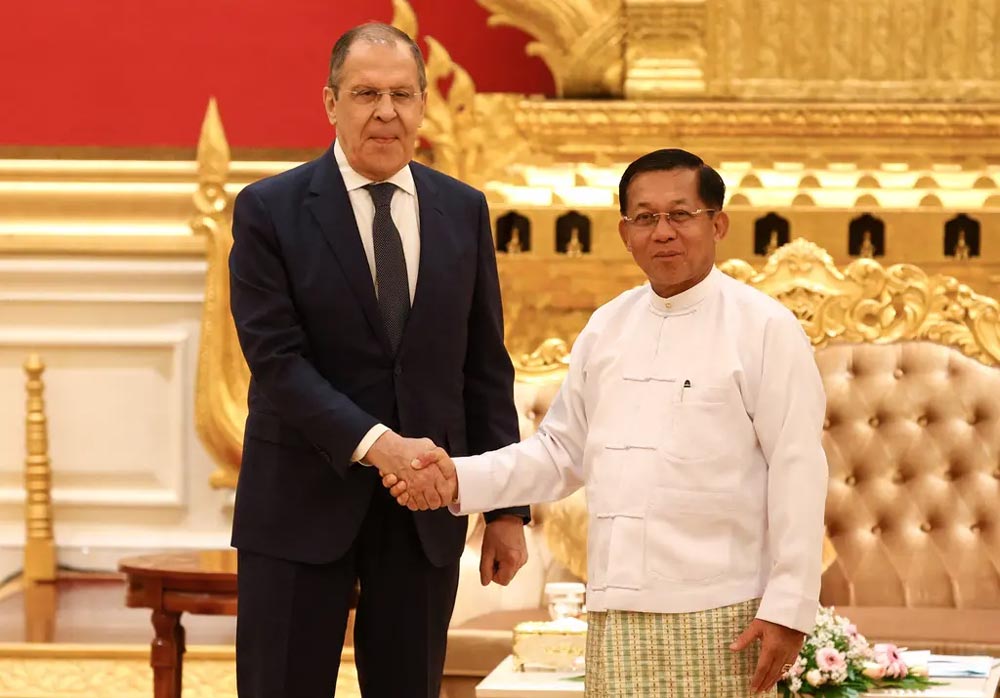
Bon also reiterated the call for the effective implementation of the Five Point Consensus (5PC) from ASEAN. The 5PC includes a ceasefire, inclusive dialogue, and unhindered access to humanitarian assistance to restore peace and stability in the country.
For Bon, stronger measures may be necessary in the future. “If there is no change, I think the last resort is for ASEAN to deploy peacekeeping forces with the approval of Myanmar to stop the violence. The people of Myanmar have suffered enough, and we must not be indifferent,” he stated.
As of now, more than 3.5 million people are displaced internally. Approximately 20 million people are in need of humanitarian assistance. The political and economic crisis continues to exacerbate poverty.
So far, China, India, and Russia have supported the junta. In September 2025, Myanmar and Indian media reported that China and India would send election observers (Kompas.id, September 1, 2025).
China and Russia are the main arms suppliers to the Myanmar junta. Beijing and Moscow have also obstructed various efforts to address the junta’s atrocities.
Junta invitation
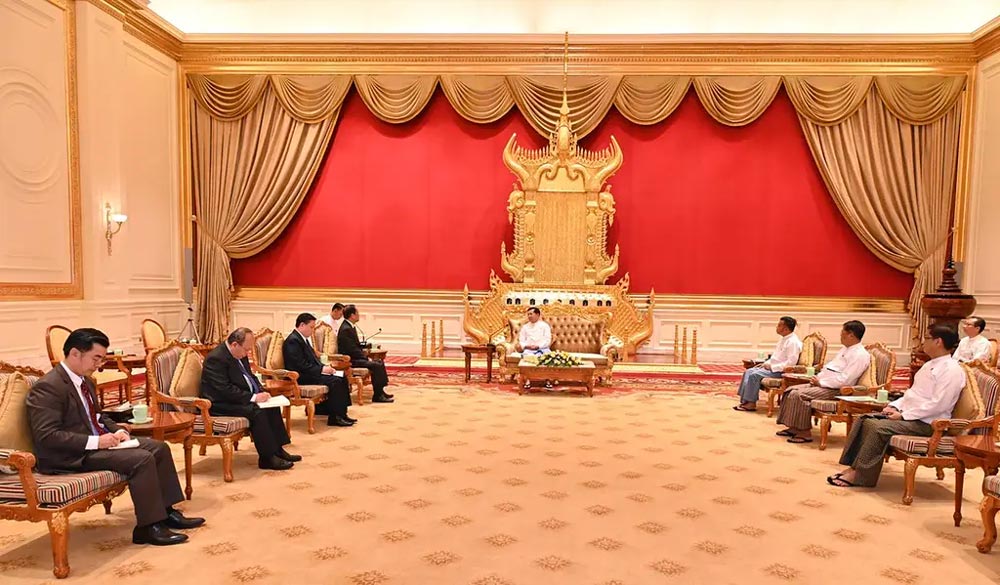
The Myanmar junta invited ASEAN to send observers to oversee the election. Meanwhile, Indonesian Foreign Ministry Spokesperson Yvonne Mewengkang stated that Indonesia has made efforts to facilitate the interests of various conflicting parties. This effort is based on the principle of a Myanmar-owned and led process.
“Regarding election observers, Indonesia has not yet provided details concerning the deployment of special observers. However, it seems that this will be discussed within ASEAN, as there was no specific agreement during the last summit,” said Yvonne.
According to NHK World, ASEAN has rejected sending monitors. Meanwhile, Thailand plans to send observers bilaterally. Thai Foreign Minister Sihasak Phuangketkeow stated in Tokyo, Japan, on Friday, that Bangkok’s decision is not to legitimize the election. Although it is not perfect, the election may serve as a starting point for some positive developments.
The Myanmar elections raise broader questions about the future of the country. Additionally, what are the implications for Southeast Asia and beyond?
“The most likely scenario is that the Tatmadaw will maintain significant control over power, regardless of any personnel changes, including junta leader Min Aung Hlaing,” said Prashanth Parameswaran, a researcher at the Wilson Center, on the Geopolitical Intelligence Services (GIS) website.
The results of the election could provide legitimacy to the junta domestically and reduce pressure from the region. However, this status quo is not permanently stable. Rebel groups will continue to resist, while global organizations, such as PBB, will continue to criticize.
It is difficult for the opposition to defeat the junta that currently receives support from China. Regardless, there is little possibility that the National Unity Government (NUG) as the junta’s rival government views elections as a further unifying factor for the resistance forces.
Parameswaran continued, there are several other scenarios. In a more difficult version, Myanmar could fragment, triggering competition and foreign intervention, such as from China, India, and the United States.
“Even the Tatmadaw is cautious in managing expectations regarding the elections, as evidenced by only periodically sharing the schedule and the cities involved. This approach only reinforces the reality that whatever short-term legitimacy the junta hopes to gain from the elections, it is highly unlikely to stabilize the future of Myanmar,” said Parameswaran.
For now, the junta continues to launch attacks to seize more territory before the elections take place. The election results are expected to be announced around the end of January 2026. (AFP/REUTERS)
Source: https://www.kompas.id/artikel/en-catatan-merah-jelang-pesta-demokrasi-di-myanmar. Archived at https://perma.cc/PP7D-9VWV