By Tarani Palani | The Edge Malaysia
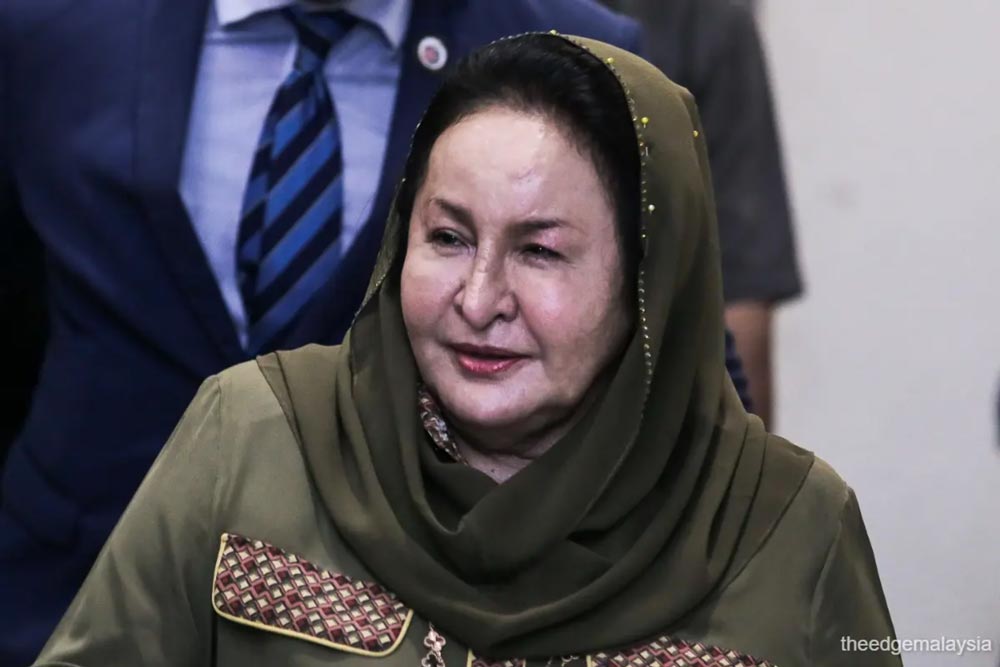
The appellate court has allowed Datin Seri Rosmah Mansor’s application to introduce new evidence in her graft case, through one of the prosecution’s star witnesses, who claims that he had been intimidated by the prosecution.
In a unanimous decision, a three-member Court of Appeal (COA) panel allowed the bid to adduce fresh evidence pertaining to Rayyan Radzwill Abdullah, on the grounds that the new evidence targets the heart of the charges levelled against Rosmah — specifically, on whether she had actively solicited or received gratification, which could change the High Court’s findings.
“Allegations that the witness testimony was compromised by prosecutorial pressures strike at the integrity of the factfinding process. To refuse the application in such circumstances would risk the miscarriage of justice,” COA judge Datuk Choo Kah Sing said in reading the judgement.
Choo said that the additional evidence will be heard before a new judge at the High Court within two weeks from Sept 10, which is the new case management date.
To be clear, the panel’s decision on Tuesday only pertains to Rayyan’s evidence, which would be obtained through cross-examination and re-examination. Any other evidence to be introduced must be connected and limited to Rayyan’s evidence.
This is Rosmah’s latest application linked to her graft appeal involving a solar hybrid project for 369 rural schools in Sarawak. The 74-year-old was accused of soliciting and receiving bribes from Saidi Abang Samsudin, the managing director of Jepak Holdings Sdn Bhd, the company which secured the project. Rayyan was Saidi’s business partner at the material time.
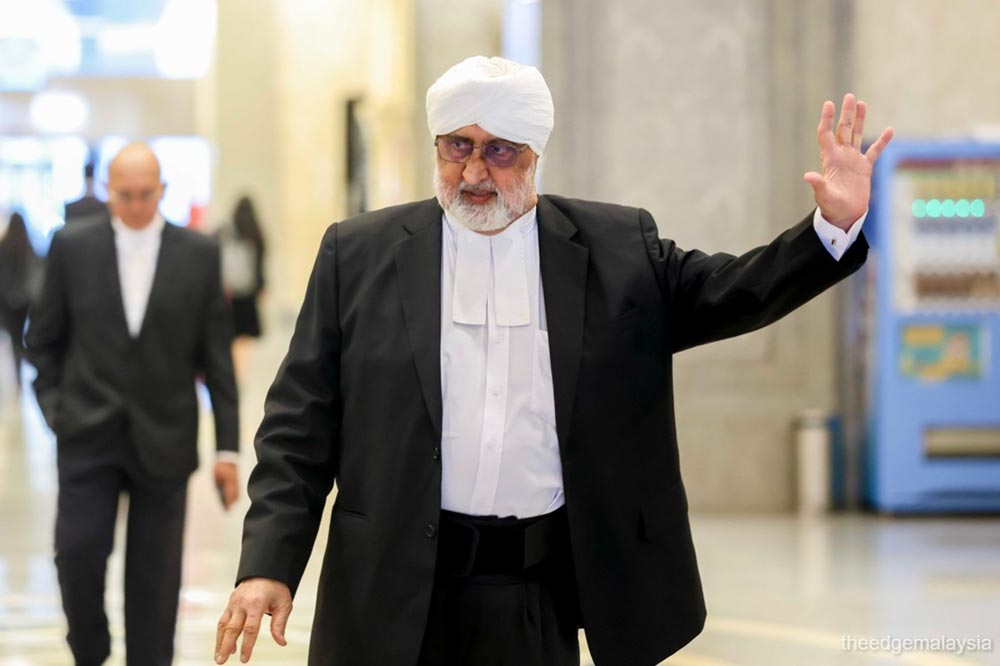
Specifically, Rosmah wants to admit Rayyan’s police report lodged on July 10 this year, and a statutory declaration dated the same where the prosecution’s 16th witness claims that his witness statement did not encapsulate all that he wanted to convey, and when he pointed this out, he claims the late Datuk Seri Gopal Sri Ram had intimidated him to follow the prosecution’s narrative.
Panel finds that Rosmah could not have obtained this evidence sooner
The panel, led by COA judge Datuk Azhahari Kamal Ramli, which also consisted of K Muniandy, also found that there were exceptional circumstances in Rosmah’s case, as the present information could not have been obtained sooner, as, according to Rayyan’s own account, he was “constrained by prosecutorial pressure and surveillance”.
They also found that among others, the evidence directly concerned Rosmah’s knowledge and intent of the gratification.
The court also added that at this stage, it does not have to determine the credibility of Rayyan’s evidence, only whether “the evidence is necessary and capable of belief”.
Prosecution questions timing of new evidence, asks court to be cautious
Earlier during submissions, deputy public prosecutor (DPP) Mohd Asnawi Abu Hanipah questioned the timing of Rayyan’s evidence as Sri Ram passed away in January 2023.
The DPP also said that in convicting Rosmah, the High Court did not merely rely solely on Rayyan’s evidence.
Asnawi also questioned the crux of Rayyan’s new evidence and its material impact to the overall case.
Asnawi argued that at the trial, Rayyan had already made amendments to his witness statement. Importantly, the DPP argued, that while on the stand, Rayyan had changed his testimony — that he had not seen the monies in question delivered in a bag.
“This is already in the record of appeal; he had already amended it,” the DPP argued, adding that the court has to be caution in admitting new evidence.
Datuk Amer Hamzah Arshad, one of Rosmah’s defence counsels, argued that the delay in Rayyan’s evidence was not material, as long as the new evidence is presented before the appeal.
He argued that Rayyan did not dare come forward while Sri Ram was still alive. Amer added that Rayyan was also concerned about former Malaysian Anti-Corruption Commission (MACC) chief Tan Sri Azam Baki.
“Everyone knows the MACC is very powerful; no one has been spared,” he said. Azam retired in May this year.
In this solar case, Rosmah, the wife of former prime minister Datuk Seri Najib Razak, was found guilty on all three counts of graft and was sentenced to 10 years’ jail and fined a whopping RM970 million — the largest amount ever imposed by the High Court for a graft case.
Tuesday was slated to be the first day of Rosmah’s long-pending appeal; however, the panel first had to deal with the present application.
Following Tuesday’s decision, the dates set for September’s appeal have all been vacated. The appeal is now slated for Oct 14.
Edited by Aniza Damis